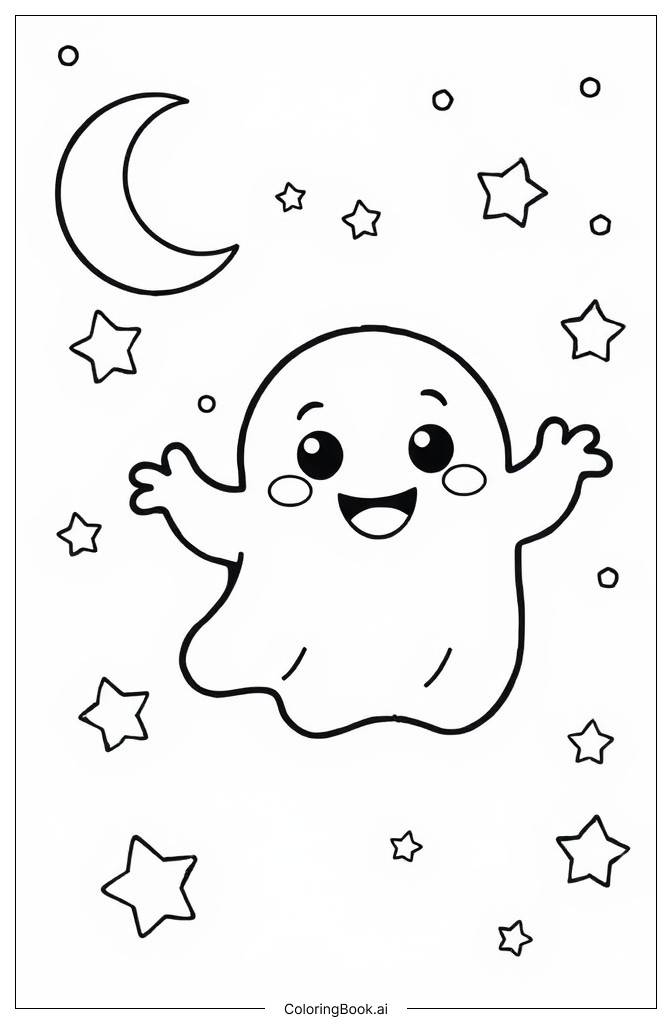
Coloring tips: How to color Ghost in the Dark coloring page well?
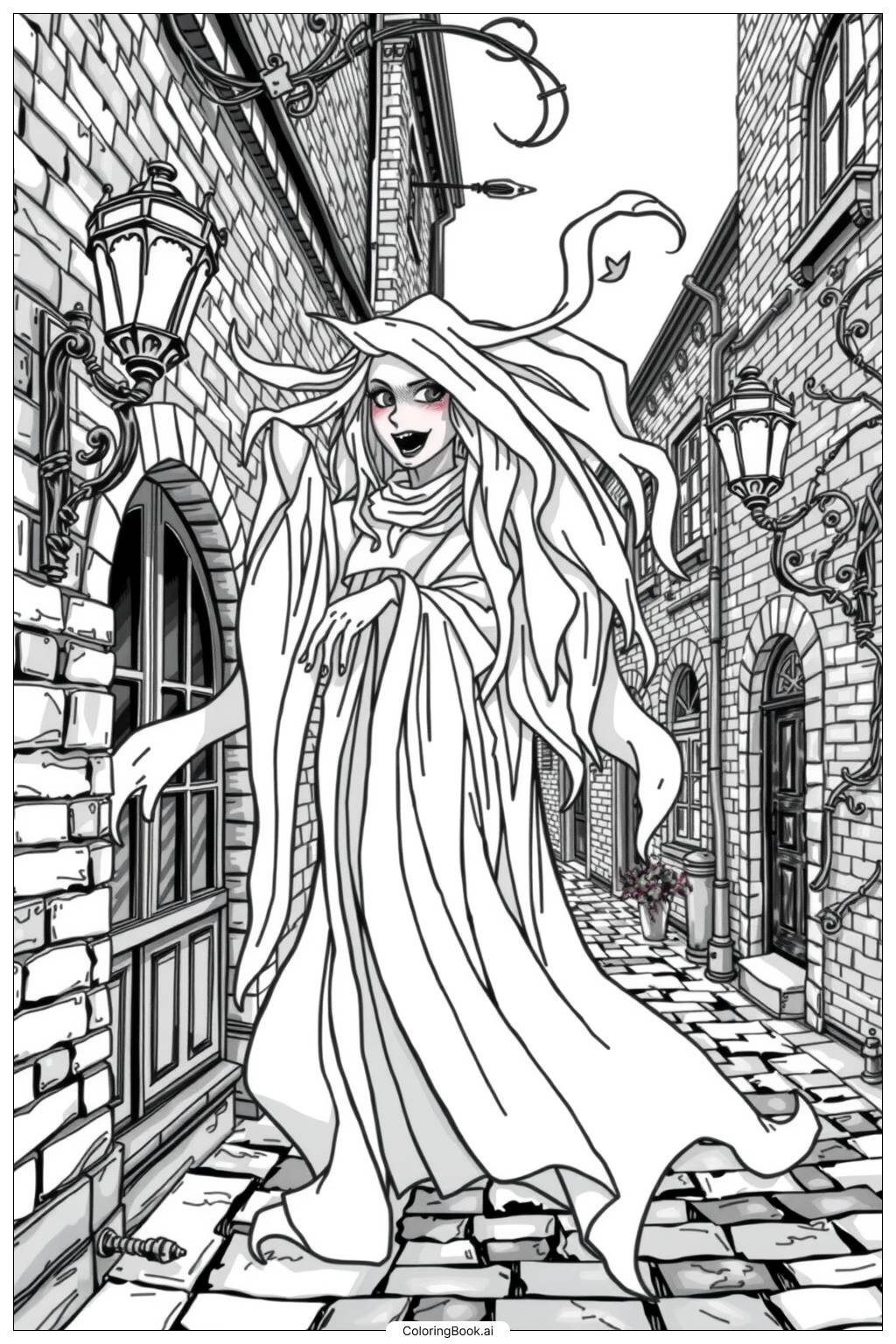
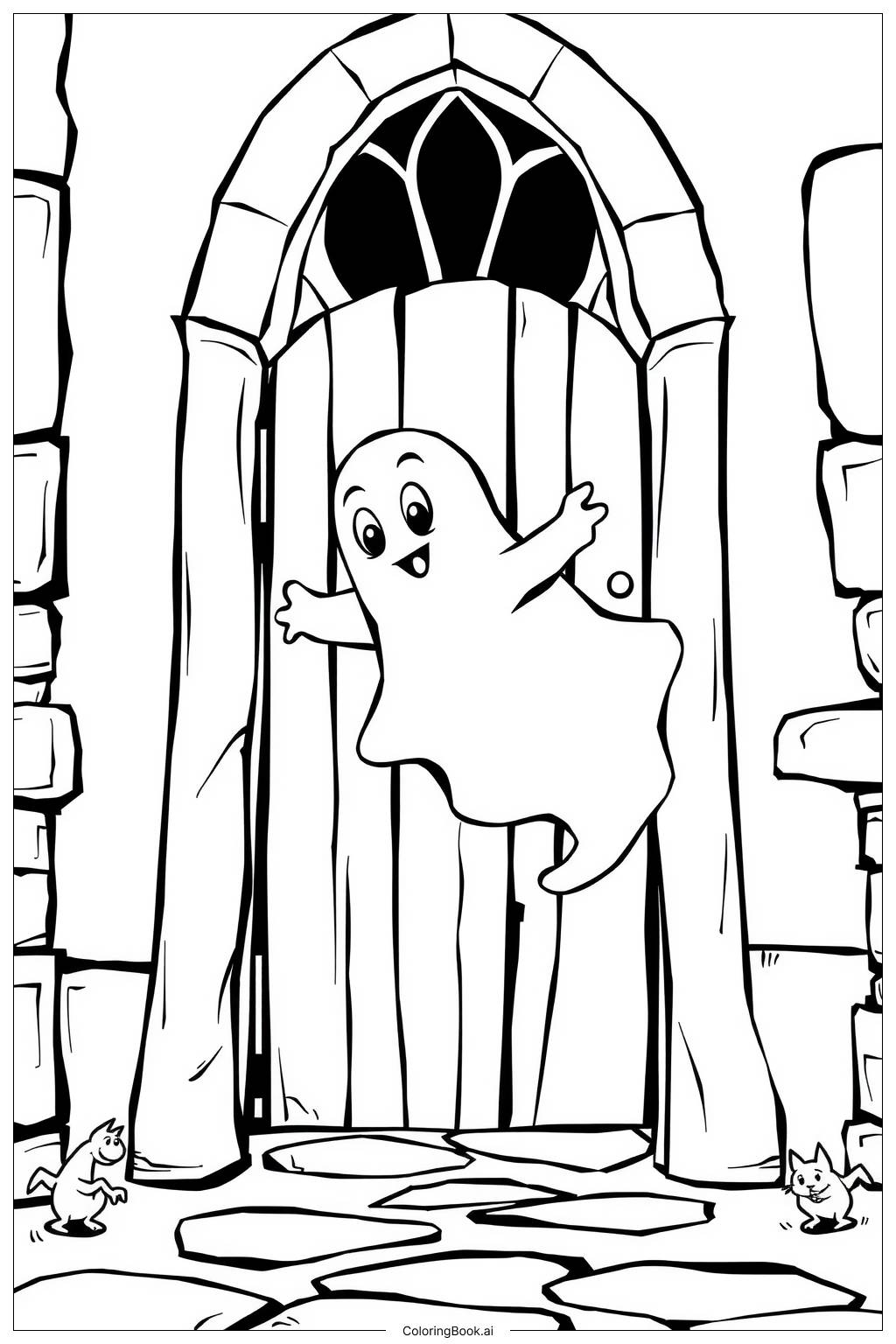
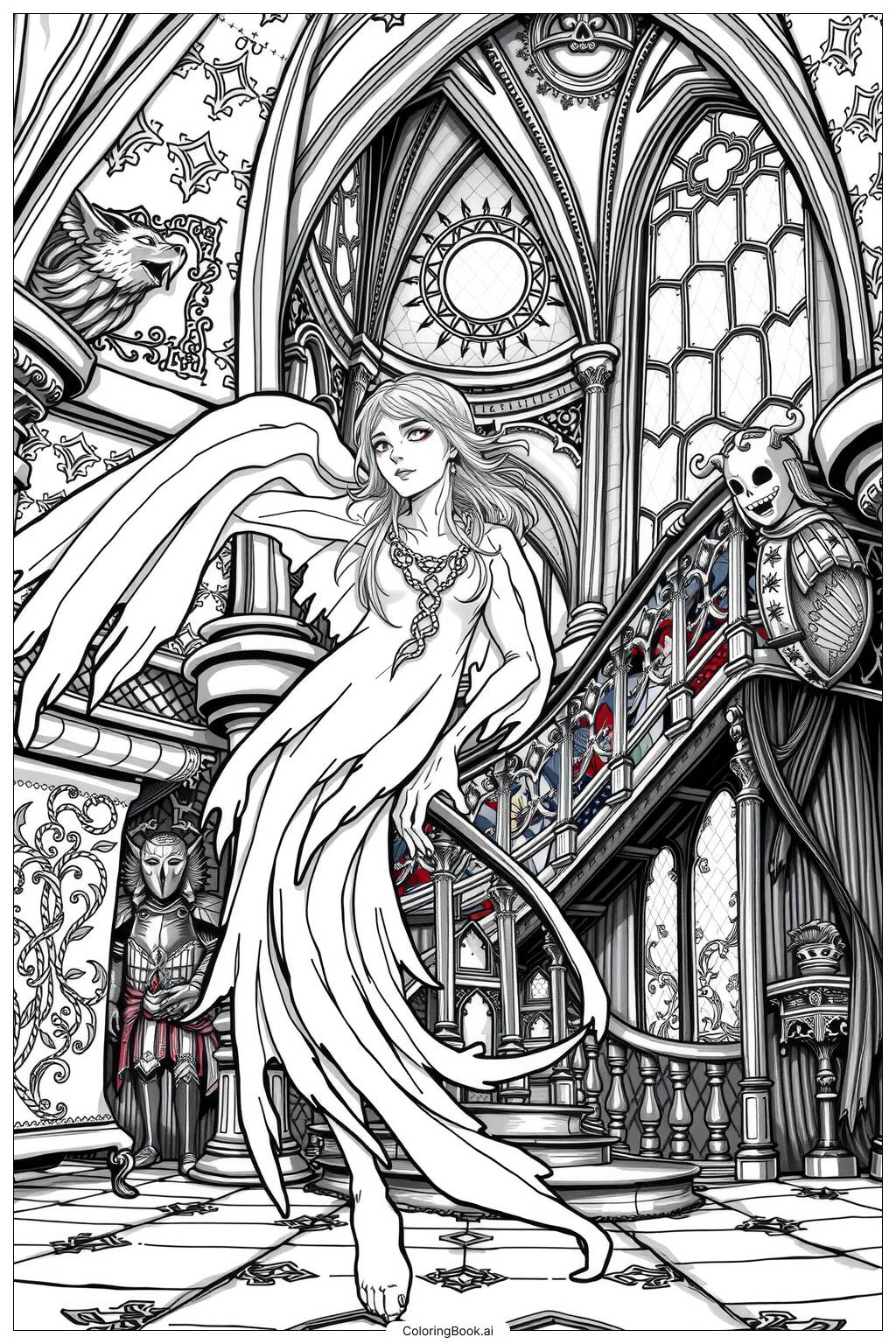
Start with the ghost itself. Use pale white or very light blue to give it a translucent, glowing look. You can add soft purple or gray shading along the edges to show depth and make it look like it is floating.
For the background, try deep navy blue or dark purple to capture the feeling of a dark night sky. A large yellow or orange moon in the background will create a great contrast.
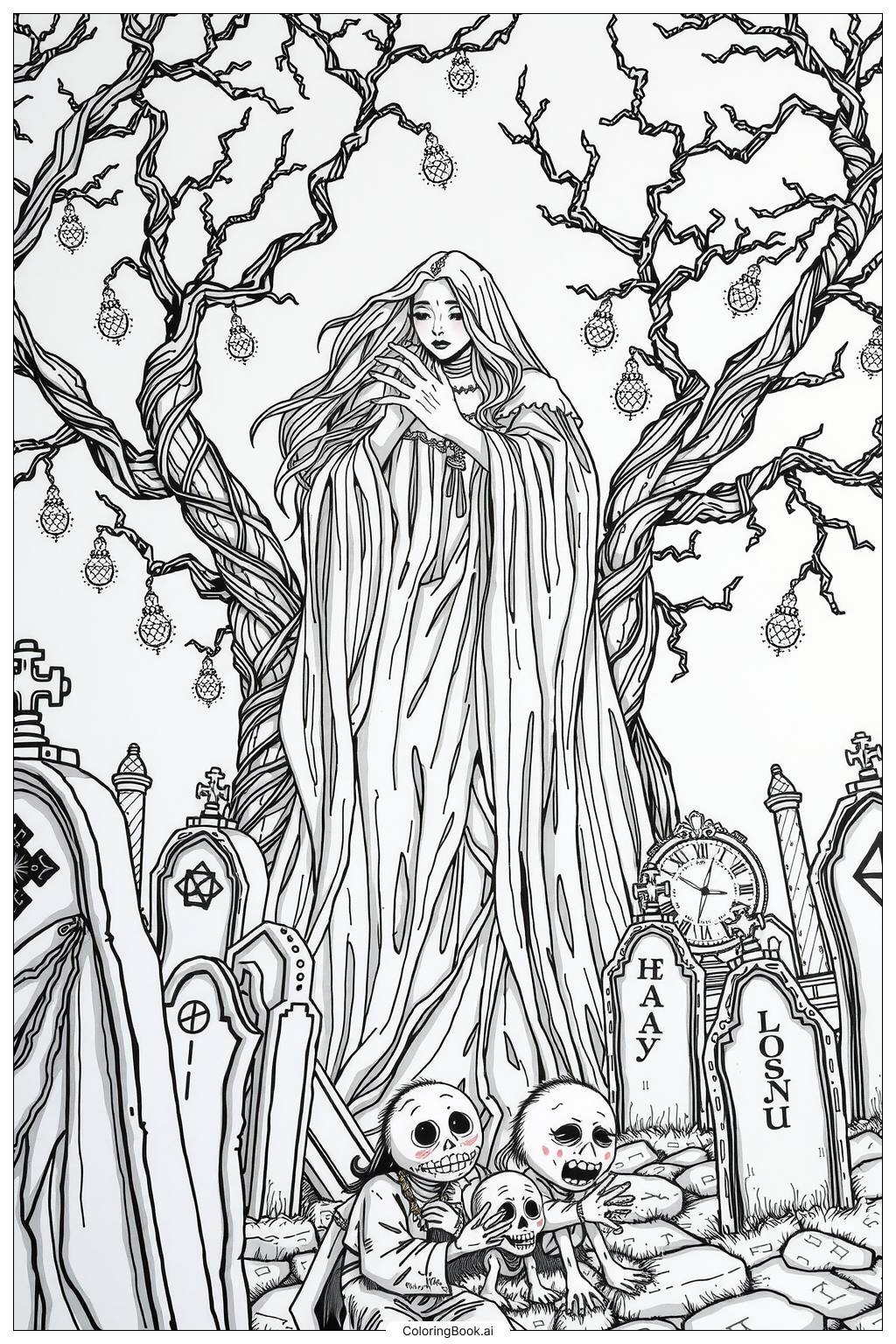
Color the twisted trees with dark brown or charcoal gray. Add hints of green or moss tones to make them look old and creepy.
Use bright orange for fallen leaves scattered on the ground. Color the cobwebs in silver or light gray, and paint the bats in dark gray or black to make them pop against the night sky.
Do not be afraid to mix colors. Blending a little green into the ghost can give it an extra spooky glow. This image is perfect for experimenting with Halloween colors like orange, black, purple, and deep blue.
Coloring challenges: Which parts are difficult to color and need attention for Ghost in the Dark coloring page?
• Ghost Shading and Transparency: The ghost's body is meant to look see-through and glowing. Capturing this effect with colored pencils or markers is tricky. You need to use very light pressure and layer pale colors carefully. Blending white with light blue or lavender helps create the soft, wispy look. Applying too much color too fast can make the ghost look solid instead of ghostly.
• Dark Background Blending: Filling in a large, dark night sky evenly is one of the hardest parts of this image. Using markers or crayons, it is easy to end up with streaks or uneven patches. Try using circular motions and multiple light layers to build up the darkness gradually. Colored pencils work well here if you blend slowly.
• Fine Details on Trees and Cobwebs: The bare tree branches have thin, jagged lines that require a sharp pencil or a fine-tip marker to color neatly. Cobwebs are made of very delicate, thin strands. Coloring around them without accidentally covering the lines takes patience and a steady hand.
• Creating Contrast Between Elements: Making the ghost stand out from the dark background while keeping both looking natural is a balancing act. The colors of the ghost, moon, bats, and trees all need to be chosen carefully so each element is visible and the scene feels unified.
• Small Details Like Bats and Leaves: The tiny bats and scattered leaves are small shapes that require careful coloring to stay within the lines. These details add a lot of character to the scene but demand precision, especially for younger colorists.
Benefits of coloring books: Advantages of drawing Ghost in the Dark coloring page
Coloring this ghost image brings a whole range of fun and helpful benefits for kids and beginners alike.
It builds focus and patience. Staying inside the lines of a detailed spooky scene takes concentration, which helps train the mind to slow down and pay attention.
It sparks creativity. Choosing colors for a ghost, a dark sky, and twisted trees encourages children to make their own artistic decisions. There is no single right answer, so every finished page is unique.
It improves fine motor skills. Coloring thin branches, tiny bats, and delicate cobwebs strengthens hand control and pencil grip, skills that are important for writing and drawing.
It introduces color theory in a playful way. Kids naturally learn about contrast, shading, and how colors interact when they try to make a ghost glow against a dark background.
It also makes a great Halloween activity. The spooky theme keeps children engaged and excited, making it easier for them to sit and create for longer periods of time.
Finally, completing a coloring page builds confidence. Seeing a finished piece of artwork that they created themselves gives children a real sense of accomplishment and pride. This image is a wonderful mix of fun and learning.