Coloring tips: How to color Ghost Floating coloring page well?
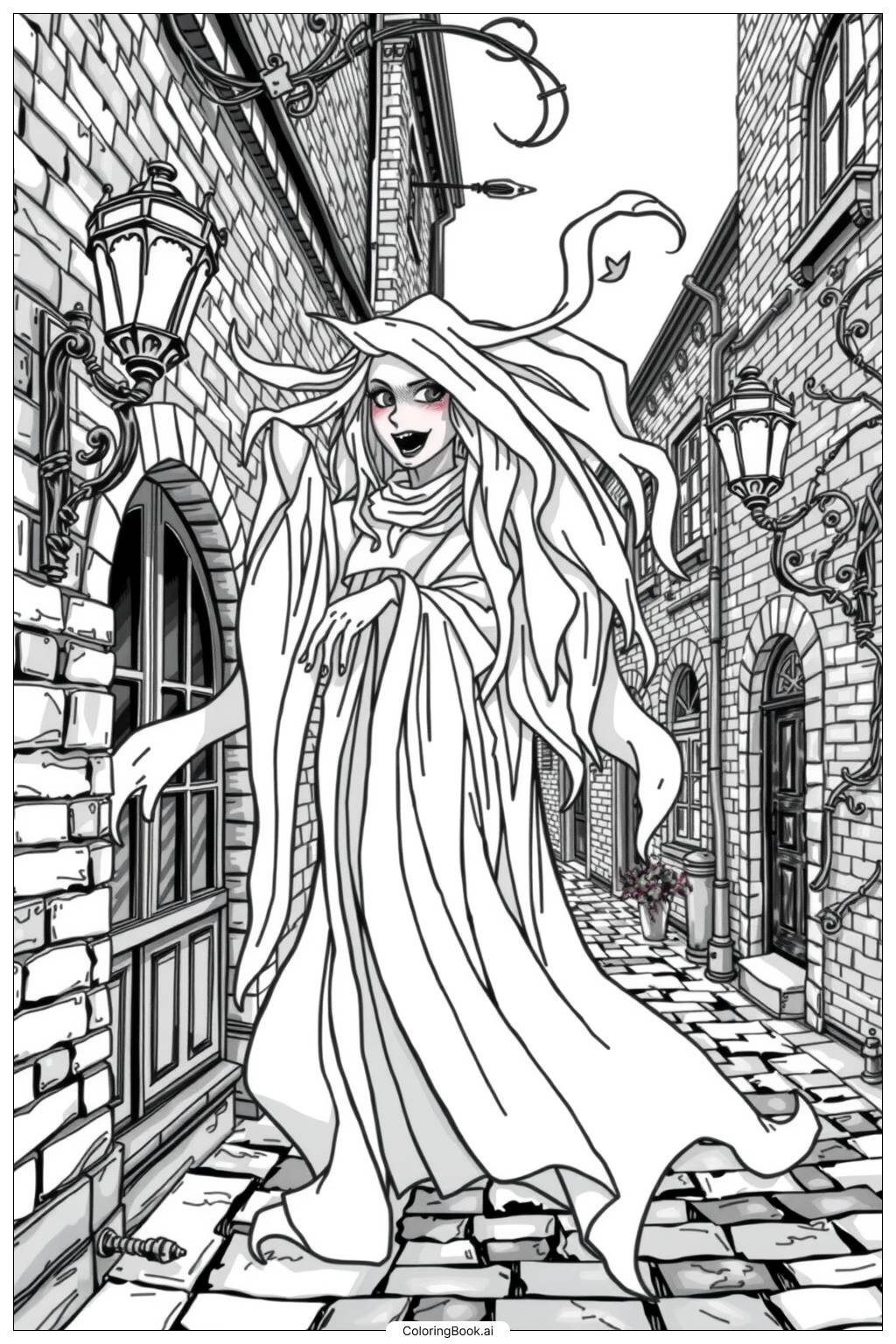
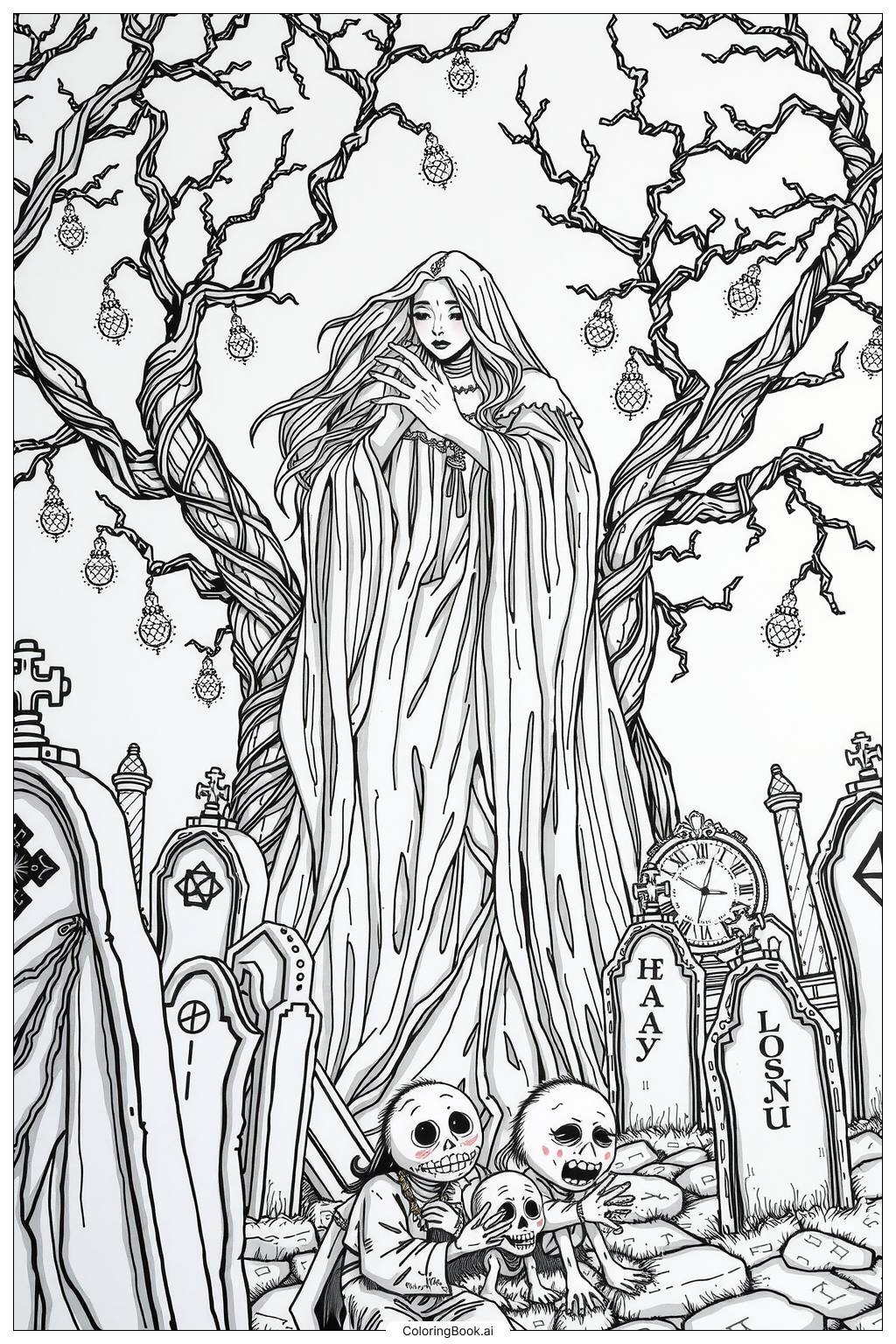
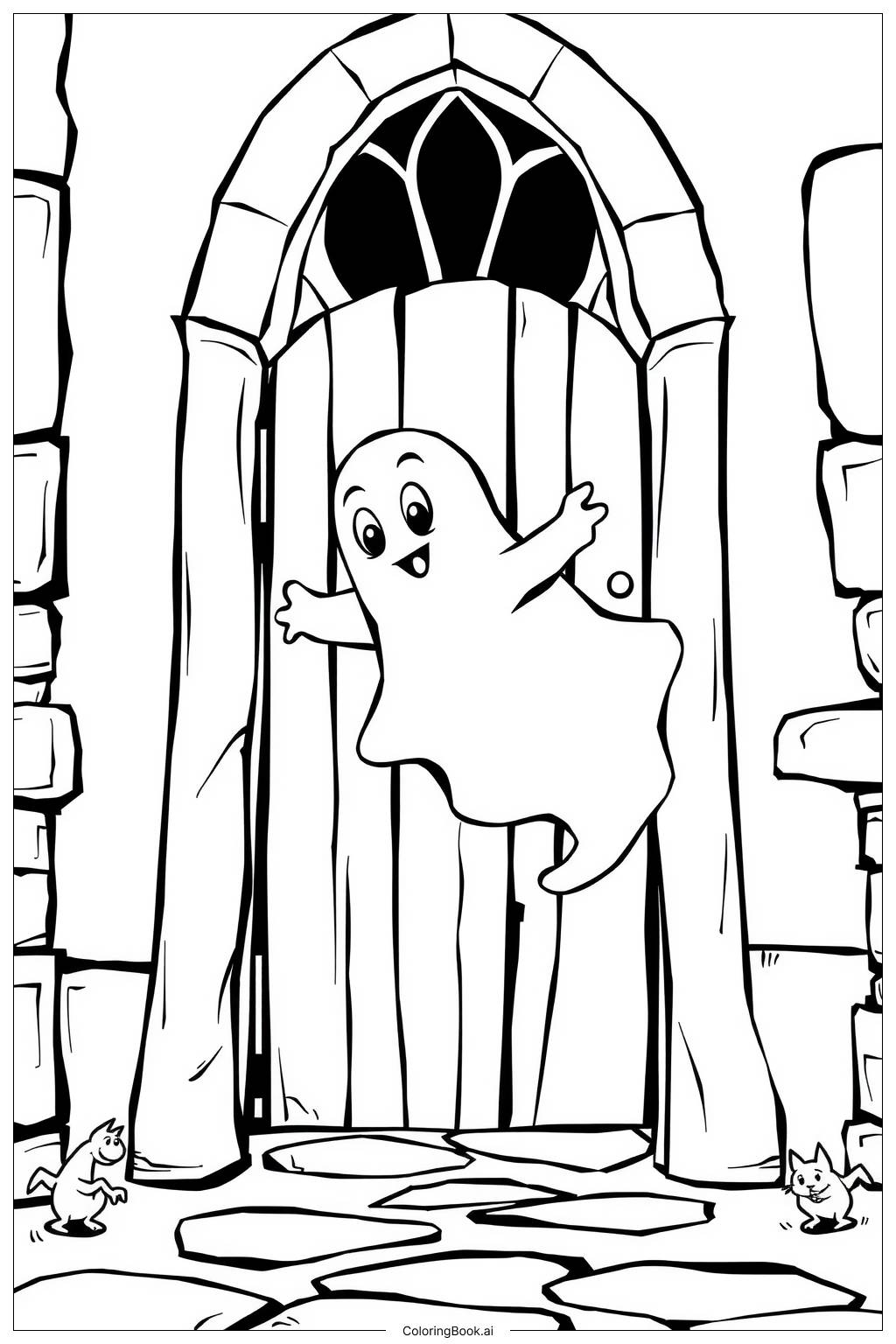
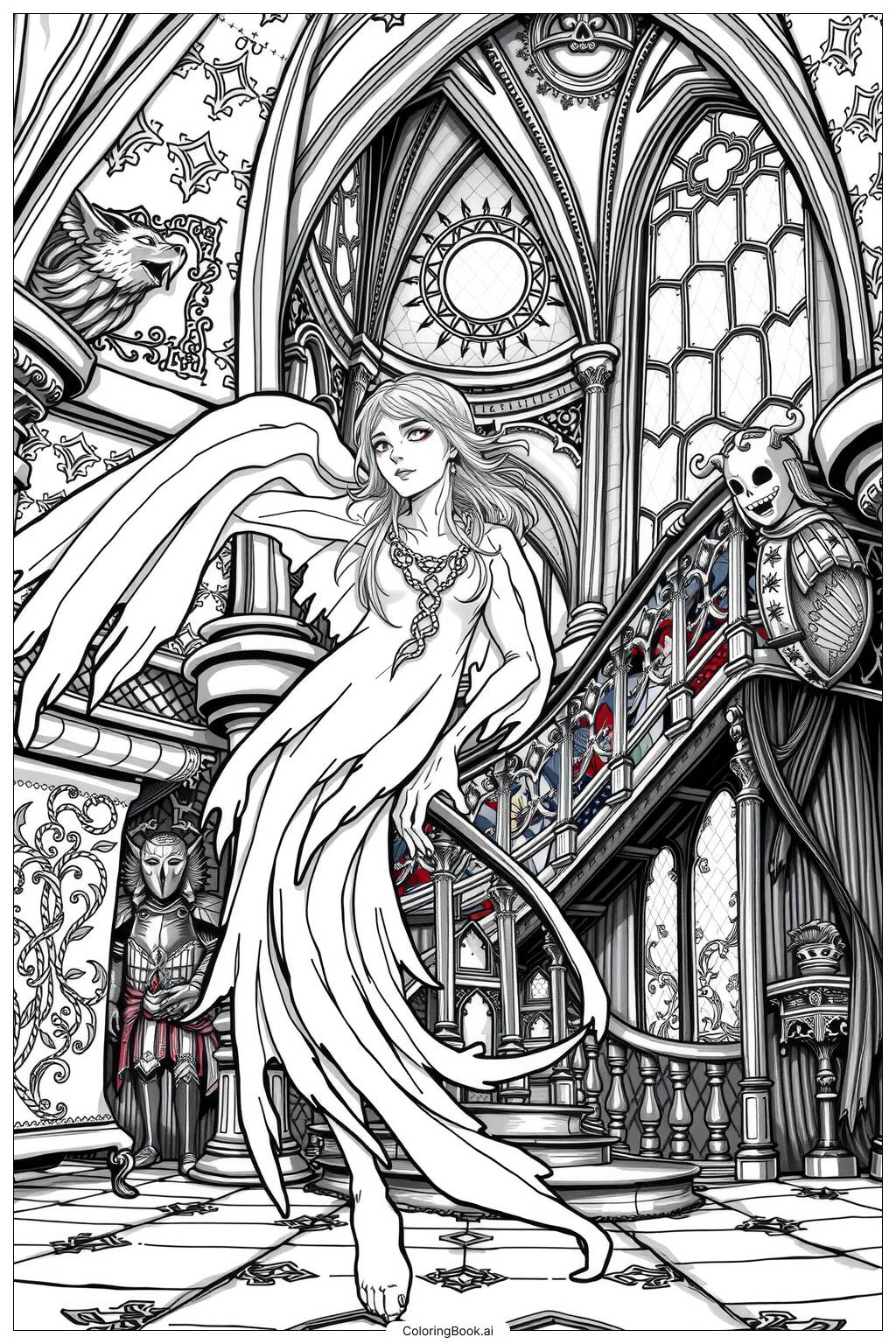
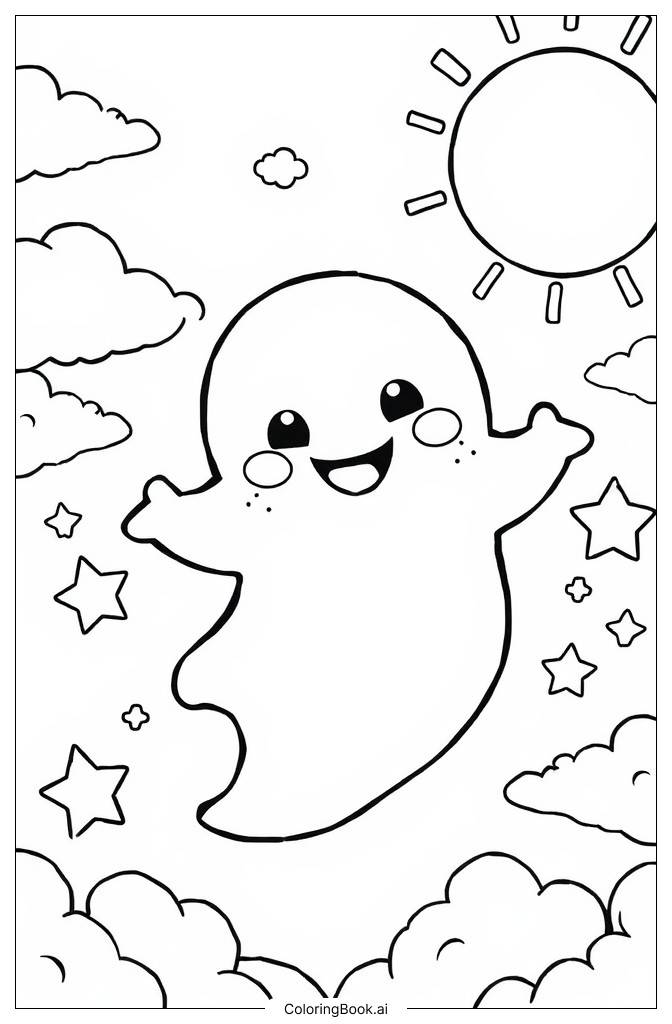
Start with the ghost's body using light, soft colors. White is classic, but pale blue, lavender, or mint green can make it look extra magical and unique. Use a slightly darker shade of the same color along the edges and flowing tendrils to add depth and a sense of dimension. For the eyes, try black or deep gray to make them pop. The open mouth can be colored dark gray or black inside. The background stars and swirls look great in yellow, gold, or pale blue. You can color the surrounding sky in deep navy blue or purple to create a spooky nighttime feel. A soft gradient from dark blue at the top to black at the bottom works beautifully. Encourage kids to experiment freely with unexpected colors — a pink or orange ghost can be just as fun and creative as a traditional white one.
Coloring challenges: Which parts are difficult to color and need attention for Ghost Floating coloring page?
• Ghost Body Shading: The ghost's rounded, flowing form requires careful shading to look three-dimensional. Blending colors from light in the center to slightly darker at the edges is key. Without shading, the body may appear flat and less interesting. Younger colorists may find this blending technique challenging and may need to practice gentle, layered strokes.
• Wispy Edge Details: The trailing, rippled edges of the ghost are delicate and narrow. Coloring within these fine lines without going outside them requires a steady hand and a sharp, fine-tipped coloring tool. Broad markers or thick crayons may be too wide for these small areas, making colored pencils or fine-tipped markers a better choice.
• Facial Expression Details: The ghost's large eyes and open mouth are central to its personality. Keeping colors neat and consistent inside these small features, especially around the pupils and the dark interior of the mouth, can be tricky. Careful control is needed to avoid smudging or coloring outside the lines in these focal areas.
• Background Stars and Swirls: The small decorative shapes scattered around the ghost fill the background with detail. Coloring each tiny star or swirl individually takes patience and time. Choosing colors that contrast well with the ghost's body is important so the background elements stand out without overwhelming the main figure.
• Overall Color Harmony: Balancing the ghost's color with the background requires planning ahead. If the ghost and the sky are too similar in tone, the ghost may get lost. Picking contrasting color families for the ghost and the background helps the image feel visually clear and appealing.
Benefits of coloring books: Advantages of drawing Ghost Floating coloring page
Coloring this ghost floating image offers a wonderful range of benefits for kids of all ages. Working on the soft, flowing shapes of the ghost helps children develop fine motor skills and hand-eye coordination. Carefully staying within the delicate wispy edges encourages pencil control and patience.
Choosing colors for the ghost and background sparks creativity and imagination. Kids are free to invent their own version of the scene, whether they picture a spooky night sky or a magical dream world. This kind of open-ended creative decision-making builds confidence and self-expression.
The fun, friendly design of the ghost makes the coloring experience enjoyable rather than stressful. Completing the image gives children a real sense of accomplishment, which supports positive self-esteem. The process of focusing on the page also encourages mindfulness, helping kids slow down and concentrate in a calm, relaxing way.
For older children, experimenting with shading and color blending on the ghost's rounded body introduces basic art concepts that can be carried into other creative projects. Overall, this image is a playful, engaging, and genuinely rewarding coloring experience for children and beginners alike.