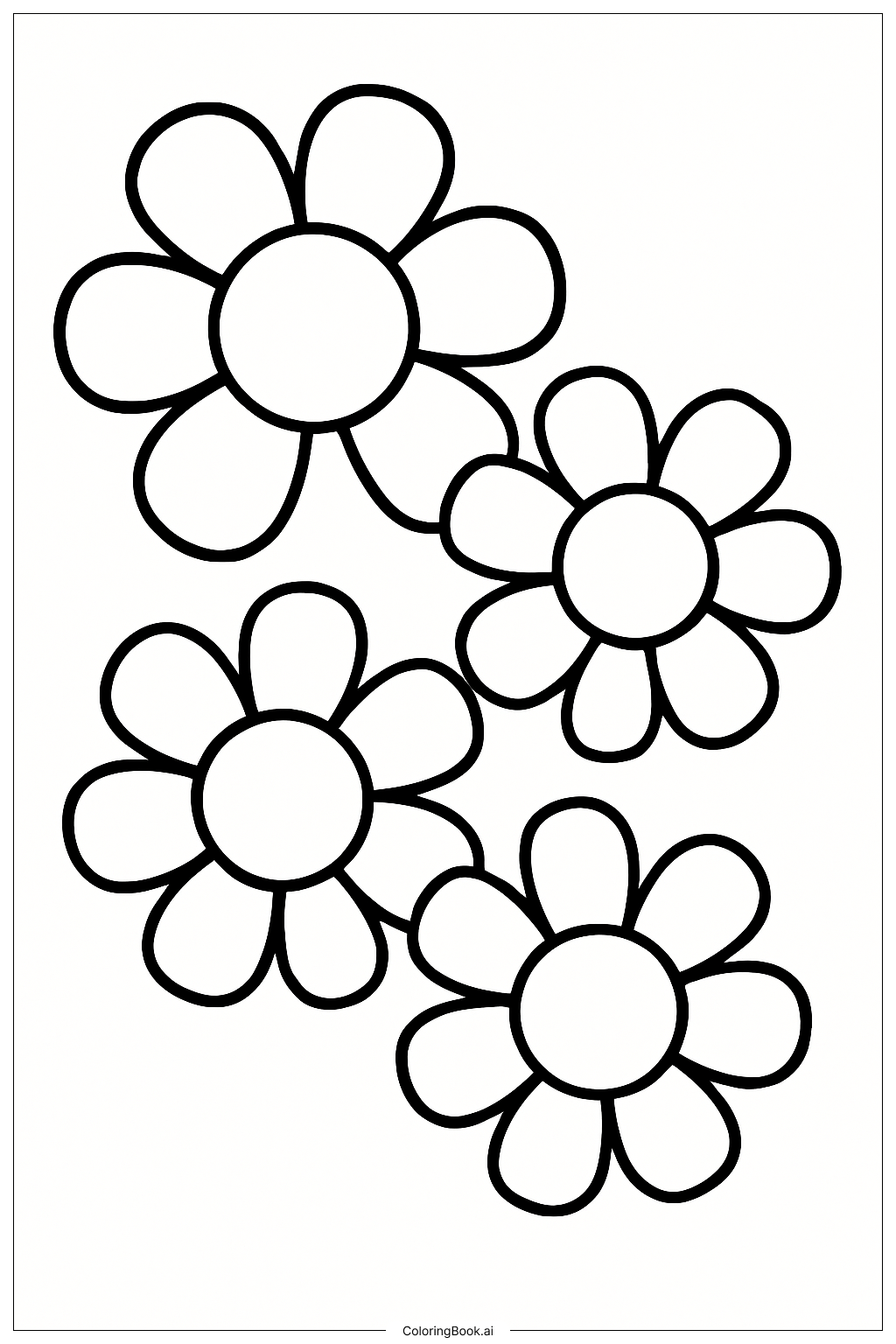
Coloring tips: How to color Big Flowers In A Simple Garden coloring page well?
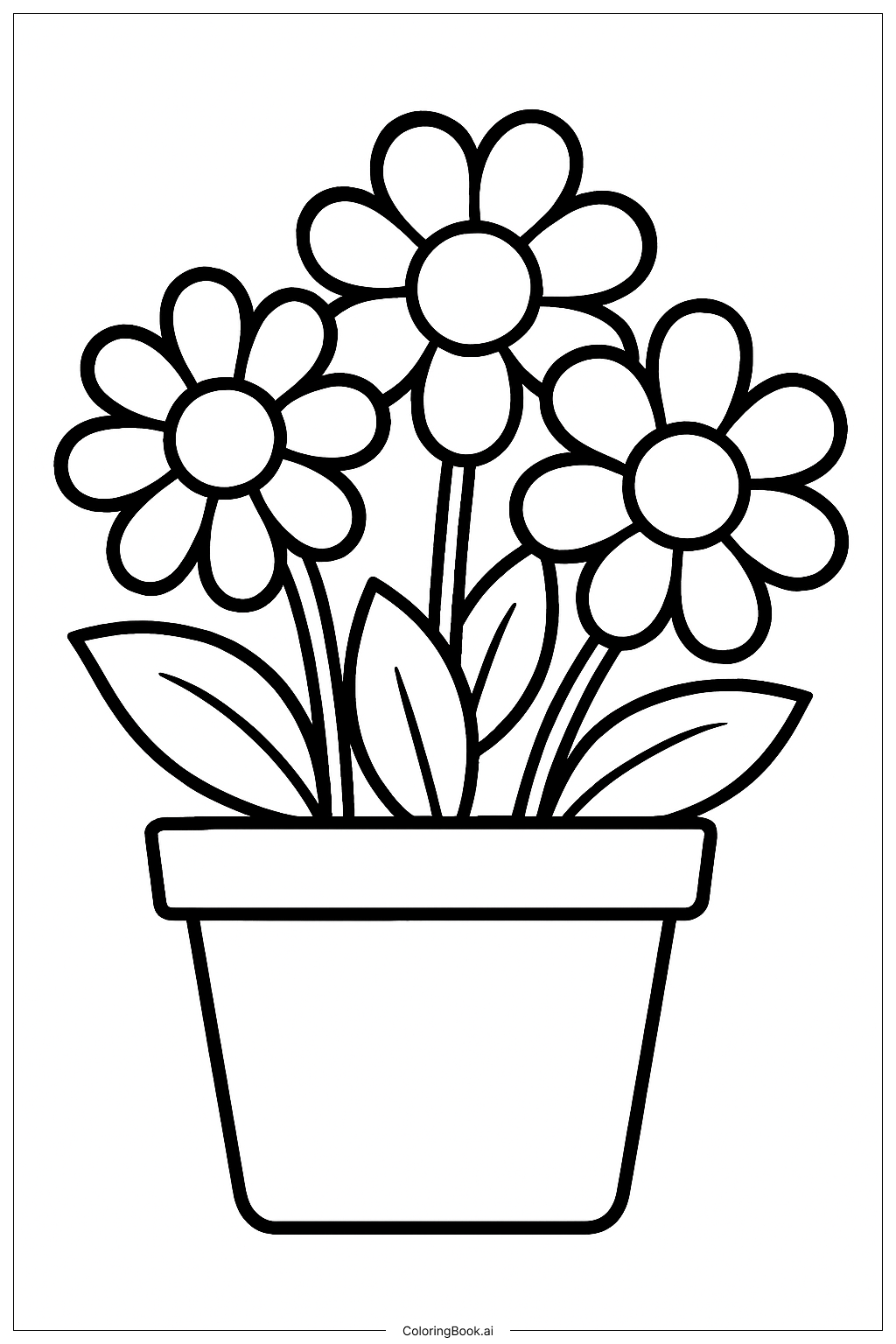
Use bright and cheerful colors to bring the big flowers to life. You can choose reds, pinks, yellows, or purples for the petals. Try using different shades of green for the leaves and grass to add variety. For the flower centers, warm colors like orange or brown will create realistic contrast. To make the garden feel sunny and welcoming, consider adding a light blue or soft yellow in the background. Feel free to mix your favorite colors and have fun experimenting with blending different shades on the petals.
Coloring challenges: Which parts are difficult to color and need attention for Big Flowers In A Simple Garden coloring page?
• Large Petal Areas: Coloring big sections of petals evenly can be challenging, especially for younger children learning to color without going outside the lines. Patience is needed to fill these smoothly. • Fine Details: The flower centers and leaf veins have intricate lines that require careful coloring, which can test fine motor skills and attention to detail. • Overlapping Elements: Some petals and leaves overlap, making it tricky to decide how to shade them to keep a sense of depth and separation. • Maintaining Contrast: Choosing colors that stand out well from each other is important to prevent everything from blending into a single flat area. Picking contrasting hues takes some planning. • Uniform Background Space: The simple background might feel empty to some, so deciding if and how to color it without overpowering the flowers is a subtle artistic choice.
Benefits of coloring books: Advantages of drawing Big Flowers In A Simple Garden coloring page
Coloring this garden scene supports creativity by encouraging choices in colors and techniques to make the flowers unique. It helps children and beginners practice fine motor control as they carefully color inside various shapes and details. The big flowers allow for experimenting with blending and shading, which improves hand-eye coordination and color sense. Coloring nature scenes can also be relaxing and foster an appreciation for plants and gardens. For older children, focusing on layering colors builds patience and concentration. Overall, it provides an engaging way to connect with art and the outdoors.