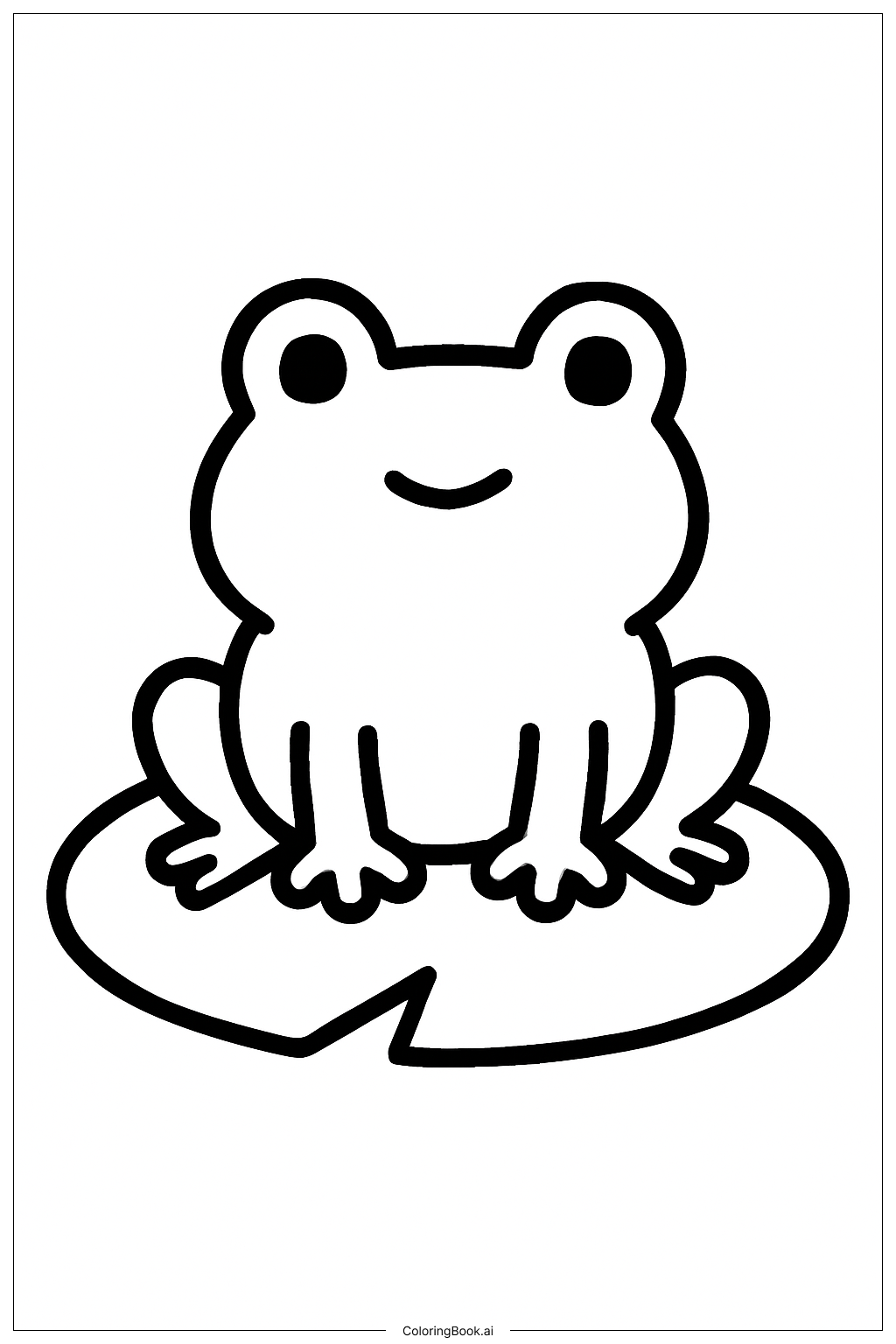
Coloring tips: How to color Fun Happy Frog coloring page well?
For the frog, bright greens and yellows can create a friendly look. Kids can use various shades of green for depth. The lily pad can be colored in shades of green, too, or even in light blue for a fun twist. Adding colorful flowers or insects around the frog can make the scene lively. Encourage children to experiment with colors, using their imagination to create unique combinations. They can also use glitter or stickers for extra flair!
Coloring challenges: Which parts are difficult to color and need attention for Fun Happy Frog coloring page?
1. The frog's body has curves that may be tricky for younger kids to color neatly. They might struggle to stay within the lines, especially in the rounded areas.
2. There are small spaces in the frog's feet and around the eyes. It can be challenging for younger ones to color these details carefully.
3. Differentiating shades for the frog's body and lily pad can be hard. Kids may need guidance to understand how to blend colors effectively.
4. Coloring the lily pad might lead to confusion since it looks similar to the frog’s color. Choosing different shades is important to avoid blending details together.
5. Adding extra details, like flowers or insects, requires creativity and patience, which can be a challenge for some.
Benefits of coloring books: Advantages of drawing Fun Happy Frog coloring page
Coloring this happy frog scene helps children develop various skills. It improves fine motor skills as they maneuver colored pencils or crayons. It also enhances hand-eye coordination through practicing staying within lines. Coloring encourages creativity, allowing kids to choose colors based on their imagination. This freedom enhances self-expression. Furthermore, it can be a calming activity, reducing stress and promoting relaxation. As they focus on the task, they build concentration and patience. Completing a coloring page gives a sense of accomplishment, boosting confidence. Overall, coloring helps in emotional and cognitive development.