Coloring tips: How to color Frozen Night Sky coloring page well?
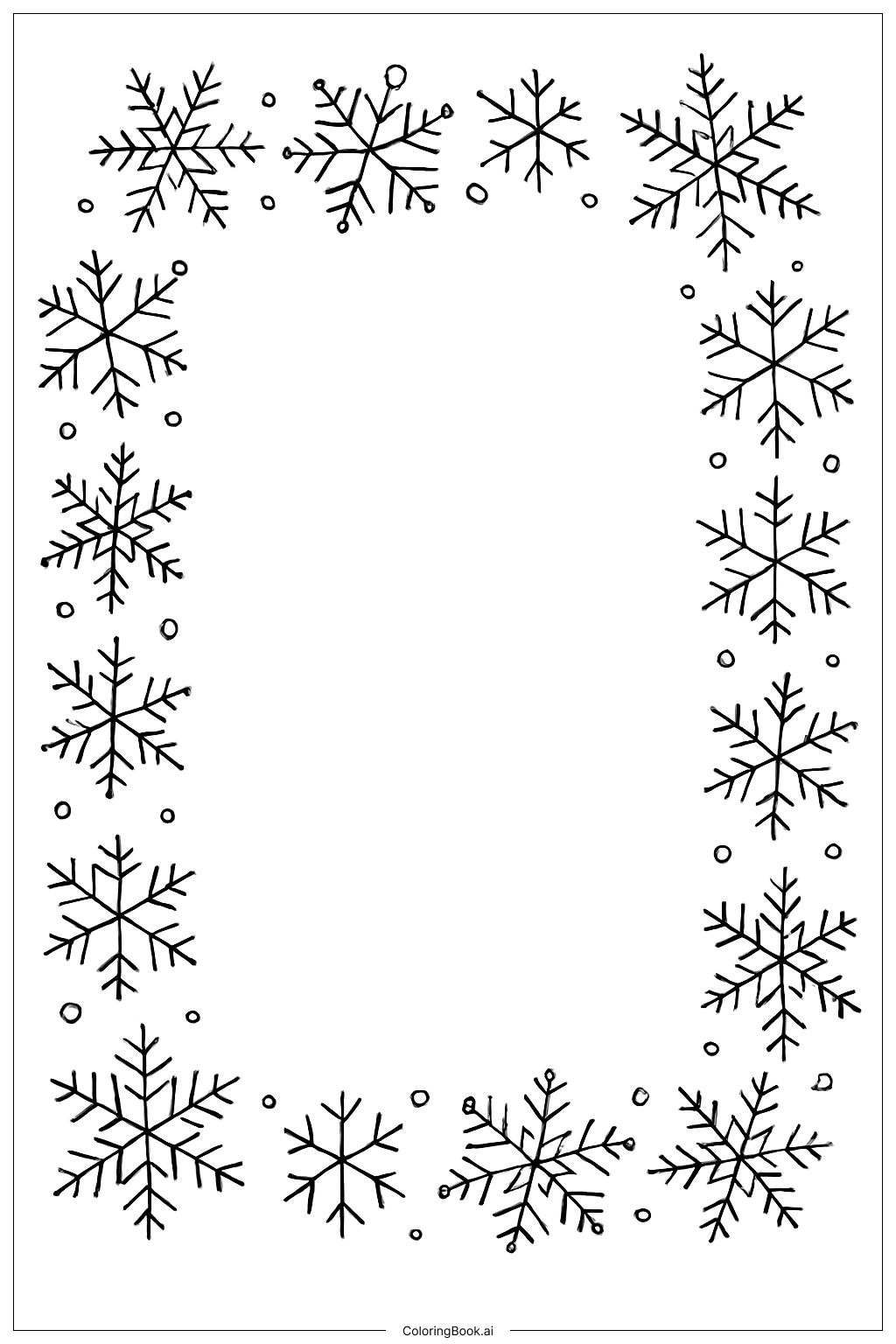
For the crescent moon, try using a soft yellow or pale blue to give it a glowing effect. The snowflakes can be colored in white, light blue, or even sparkly colors to mimic the shimmer of ice. For the sky, deep blue or indigo would create a beautiful contrast. The hills at the bottom could be colored in light shades of blue or white to represent snow. Encourage kids to mix and match colors for a vibrant look, or use gradients for a more artistic effect.
Coloring challenges: Which parts are difficult to color and need attention for Frozen Night Sky coloring page?
1. Coloring the snowflakes can be tricky due to their delicate patterns. Kids may find it challenging to stay within the lines. Encourage them to take their time and be careful. 2. The gradient effect on the moon can be difficult. Blending colors smoothly requires practice. Kids can start with a lighter color and gradually add darker shades. 3. The background sky may present a challenge with blending different shades of blue. Children should use soft strokes for a smooth transition. 4. The hills may be hard to color uniformly. Kids might struggle with shading to show light and shadow. They can use different tones to create depth and dimension.
Benefits of coloring books: Advantages of drawing Frozen Night Sky coloring page
Coloring this image offers many benefits. It helps improve fine motor skills as children practice holding crayons or markers. It also encourages creativity as they choose colors and patterns. This activity can boost focus and concentration since kids need to pay attention to details. Coloring can also be relaxing and a great way to express emotions. It gives children a sense of accomplishment once they complete their artwork. Lastly, sharing their colored pages can enhance social skills and promote discussion among friends and family.