Coloring tips: How to color Foxy Waving with Stars Background coloring page well?
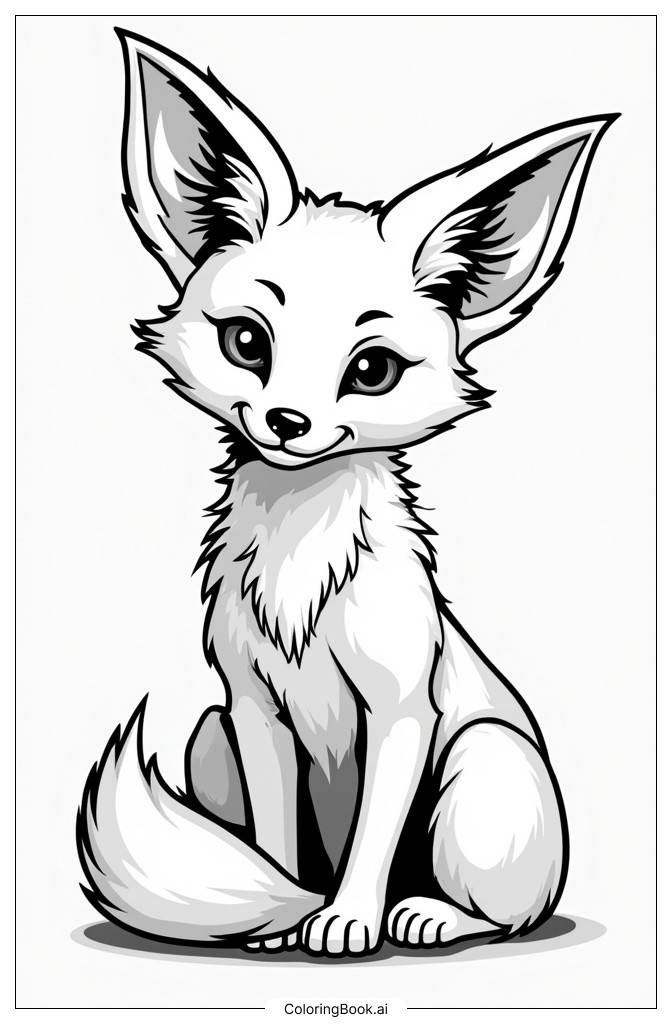
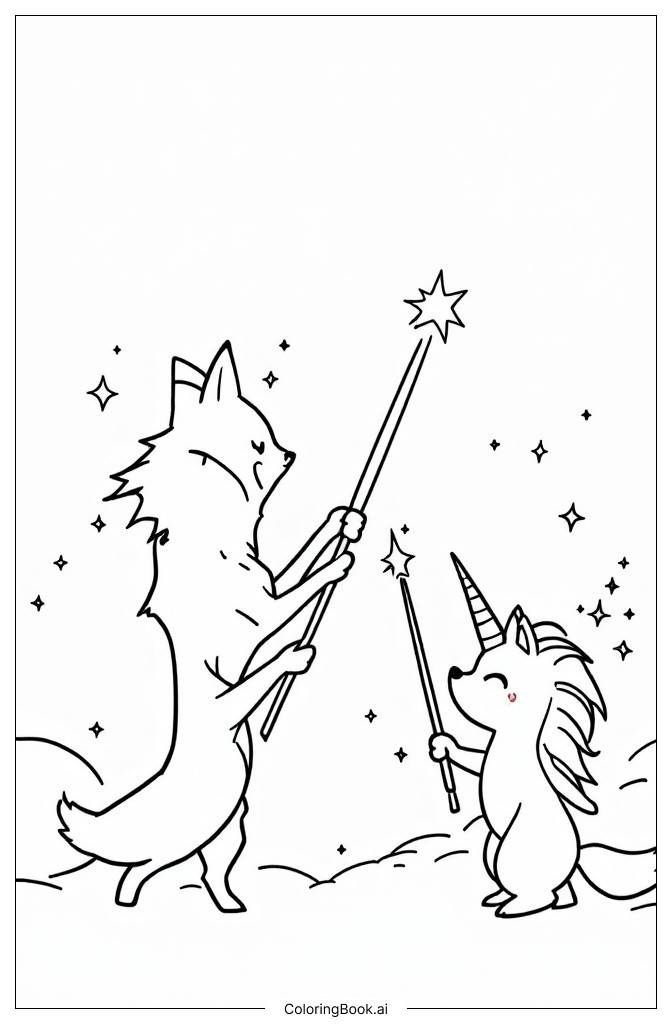
For this delightful fox scene, start with the main character using warm orange and russet tones for the fox's body, with cream or white for the chest and belly area. The tail tip can be white or light cream to create a beautiful contrast. Use black or dark brown for the nose and eye details. For the background stars, experiment with bright yellows, golds, and even light blues or purples to create a magical nighttime sky effect. You could add pale blue or deep purple washes to the background sky area to enhance the celestial theme. Consider using metallic crayons or gel pens for the stars to make them sparkle. Don't forget to add shading around the fox's ears, under the chin, and along the tail to give dimension. Younger children might enjoy using bold, solid colors, while older children can practice blending techniques to create smooth color transitions in the fur.
Coloring challenges: Which parts are difficult to color and need attention for Foxy Waving with Stars Background coloring page?
• Fur Texture Details: The fox features multiple fine lines indicating fur texture across its body, tail, and ears. Coloring these narrow spaces between lines requires careful hand control and patience. Children may find it challenging to stay within these small areas without colors bleeding together, especially when trying to create realistic fur patterns with multiple shades.
• Star Background Complexity: The numerous stars scattered throughout the background present a challenge in maintaining consistency and creating visual interest. Deciding whether to color each star differently or maintain a cohesive color scheme requires planning. The varying sizes and the radiating lines around some stars demand precision when working with pointed tips and corners.
• Dimensional Shading: Creating a three-dimensional appearance on the fox requires understanding where light and shadow naturally fall. Children need to determine which areas should be darker such as under the tail, behind the ears, and along the body contours versus highlighted areas on the chest and face. This concept of light source and shadow can be abstract for younger colorists.
• Color Blending and Transitions: Achieving smooth color gradients from orange to cream on the fox's body, especially in the transition areas between the darker back and lighter belly, demands blending skills. Children must apply varying pressure and possibly layer colors to avoid harsh lines and create natural-looking fur coloration that appears soft and realistic.
Benefits of coloring books: Advantages of drawing Foxy Waving with Stars Background coloring page
Coloring this fox waving with stars background offers wonderful developmental benefits for children. Fine motor skills are strengthened as children carefully navigate the detailed fur lines and small star shapes, improving hand-eye coordination and pencil grip. The image encourages decision-making skills as children choose color palettes and decide how to approach the background elements. Patience and focus are naturally developed through the detailed work required for the fur textures and multiple stars. The friendly, waving fox promotes positive emotions and can spark imaginative storytelling about the character's adventures under the starry sky. Children learn about color theory by experimenting with warm tones for the fox and cool tones for the night sky. The combination of a central character and decorative background elements teaches compositional awareness. This coloring page also provides a calming, meditative activity that can help reduce stress and anxiety while building confidence as children see their creative vision come to life.