Coloring tips: How to color Fennec Fox Close-up coloring page well?
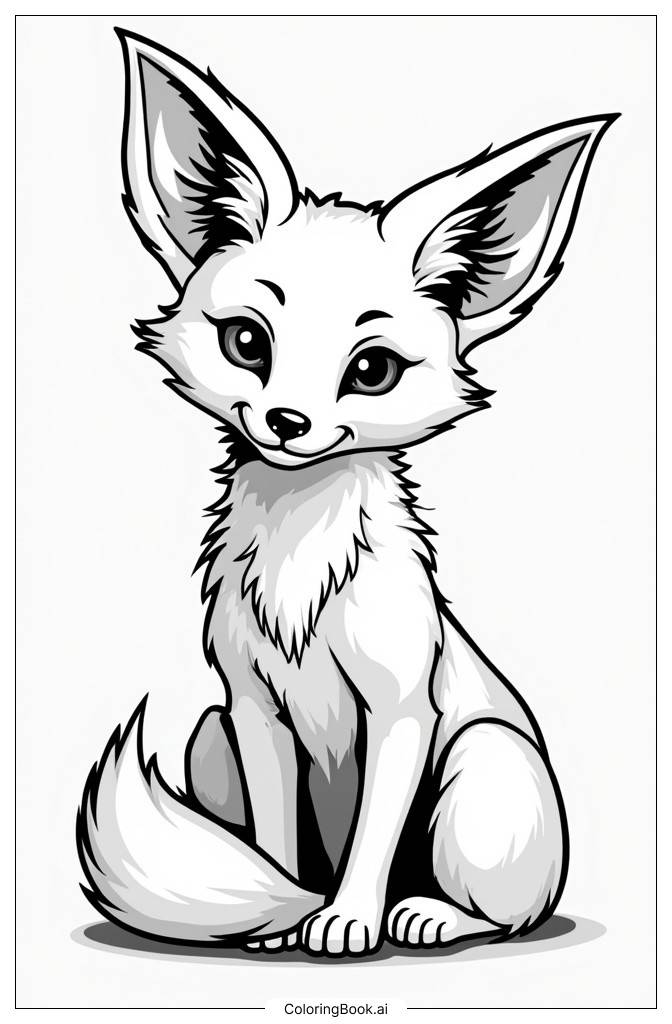
When coloring this image, consider using soft sandy tones like beige, light orange, and cream for the fox's fur to reflect its natural desert colors. You can use pale yellow or light brown shades on the ears with a touch of blush pink inside to bring them to life. The eyes can be colored dark brown or black with a small white spot to show shine. Try layering colors gently to show the softness of the fur, using short strokes to follow the fur’s direction. Adding subtle shadows under the ears and around the eyes will create depth. For the background, soft pastel colors can make the fox’s face stand out well.
Coloring challenges: Which parts are difficult to color and need attention for Fennec Fox Close-up coloring page?
• Fine Fur Texture: The close-up focus on the fox's face includes many small fur details that require careful, precise coloring to avoid losing the natural texture.
• Large Ears with Inner Details: Coloring the big ears is tricky as you need to differentiate the outer fur from the softer inner parts, which involves using different shades and blending carefully.
• Expressive Eyes: The eyes have highlights that give life and personality to the fox, so coloring them too dark or too light can affect the expression.
• Subtle Shadows: Adding shadows around the nose, ears, and eyes to show depth can be challenging for younger colorers who are less experienced with shading techniques.
• Small Facial Features: The tiny nose and delicate outlines around the face demand careful hand control and attention to avoid coloring outside the lines.
Benefits of coloring books: Advantages of drawing Fennec Fox Close-up coloring page
Coloring this close-up of a fennec fox helps develop attention to detail and fine motor skills because of the intricate fur patterns and facial features. It encourages creativity in choosing natural colors and blending techniques to achieve a lifelike appearance. This image also builds patience and concentration as colorists work slowly to highlight the large ears and expressive eyes. Young artists learn about animal anatomy and appreciate the unique features of desert wildlife. Overall, it’s a fun way to practice coloring skills while connecting with nature and enhancing artistic confidence.