Coloring tips: How to color Forest Squirrel on Log coloring page well?
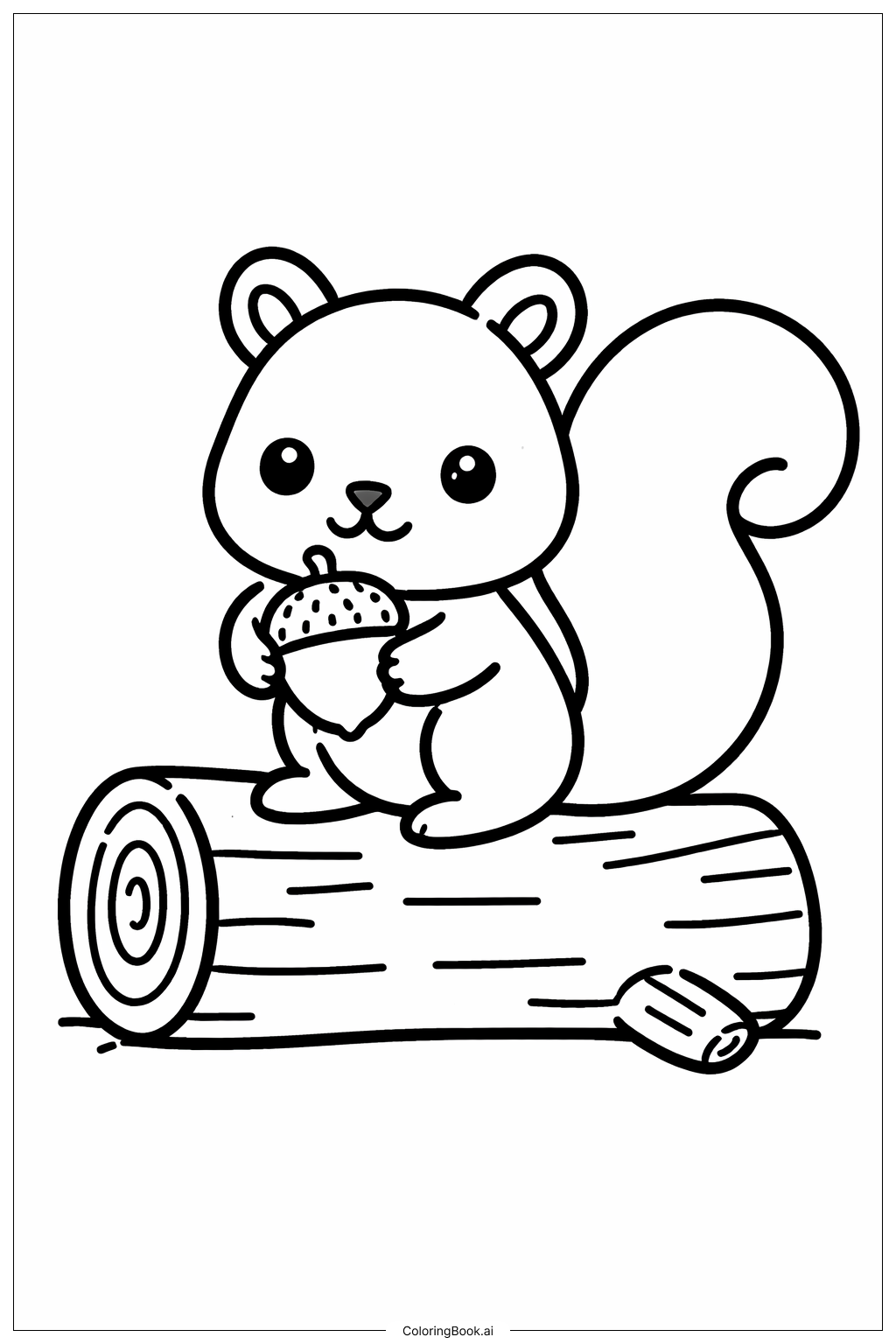
For the squirrel, try warm browns, oranges, or reddish tones for a realistic look, or experiment with grays for a different species. The belly can be lighter, using cream or white. The eyes should be dark with a tiny white highlight for sparkle. Color the log in various shades of brown, adding darker tones in the crevices to show depth. The mushrooms offer creative freedom - try classic red caps with white spots for a fairy-tale feel, or use browns and tans for a natural appearance. Make the wildflowers bright and cheerful with yellows, purples, pinks, or blues, and use different shades of green for the leaves and grass to add variety. The background trees can be colored in muted greens and browns to keep focus on the squirrel. Consider using colored pencils for soft blending or markers for bold, vibrant results.
Coloring challenges: Which parts are difficult to color and need attention for Forest Squirrel on Log coloring page?
• Fur Texture Details: The squirrel's fur, especially on the bushy tail, requires careful attention to create realistic texture. Young colorists may find it challenging to use different shades and directional strokes to show the fluffy appearance. The tail has multiple layers and curves that need gradual shading to look three-dimensional rather than flat.
• Small Intricate Areas: This design includes numerous tiny spaces, particularly around the mushroom gills, flower centers, individual grass blades, and between the squirrel's paws and body. Children with developing fine motor skills may struggle to stay within these small boundaries and might need thinner coloring tools like fine-tipped markers or sharp colored pencils.
• Bark Texture and Depth: The log's bark features natural ridges, cracks, and knots that require multiple brown tones to appear realistic. Creating the appearance of rough, weathered wood involves layering colors and understanding where to place shadows and highlights, which can be challenging for beginners who are still learning color blending techniques.
• Background and Foreground Balance: Deciding how to color the various elements so the squirrel remains the focal point requires planning. Colorists need to consider using bolder, brighter colors for the main subject while keeping background elements more subdued, which involves color theory understanding that younger children are still developing.
Benefits of coloring books: Advantages of drawing Forest Squirrel on Log coloring page
Coloring this forest scene offers wonderful developmental benefits for children. The squirrel's intricate fur patterns help improve fine motor skills and hand-eye coordination as young artists carefully fill small areas and practice controlled movements. The variety of textures - soft fur, rough bark, delicate flowers, and smooth mushroom caps - encourages children to experiment with different coloring techniques like shading, blending, and directional strokes. This nature-themed page also provides educational opportunities, allowing kids to learn about forest ecosystems, squirrel behavior, and woodland plants while being creative. The detailed elements require focus and patience, helping children develop concentration skills and the ability to complete longer tasks. Additionally, making color choices for realistic or imaginative results boosts decision-making abilities and creative thinking. The calming nature theme can reduce stress and promote relaxation, while the sense of accomplishment from completing this detailed page builds confidence and self-esteem in young colorists.