Coloring tips: How to color Forest Butterfly coloring page well?
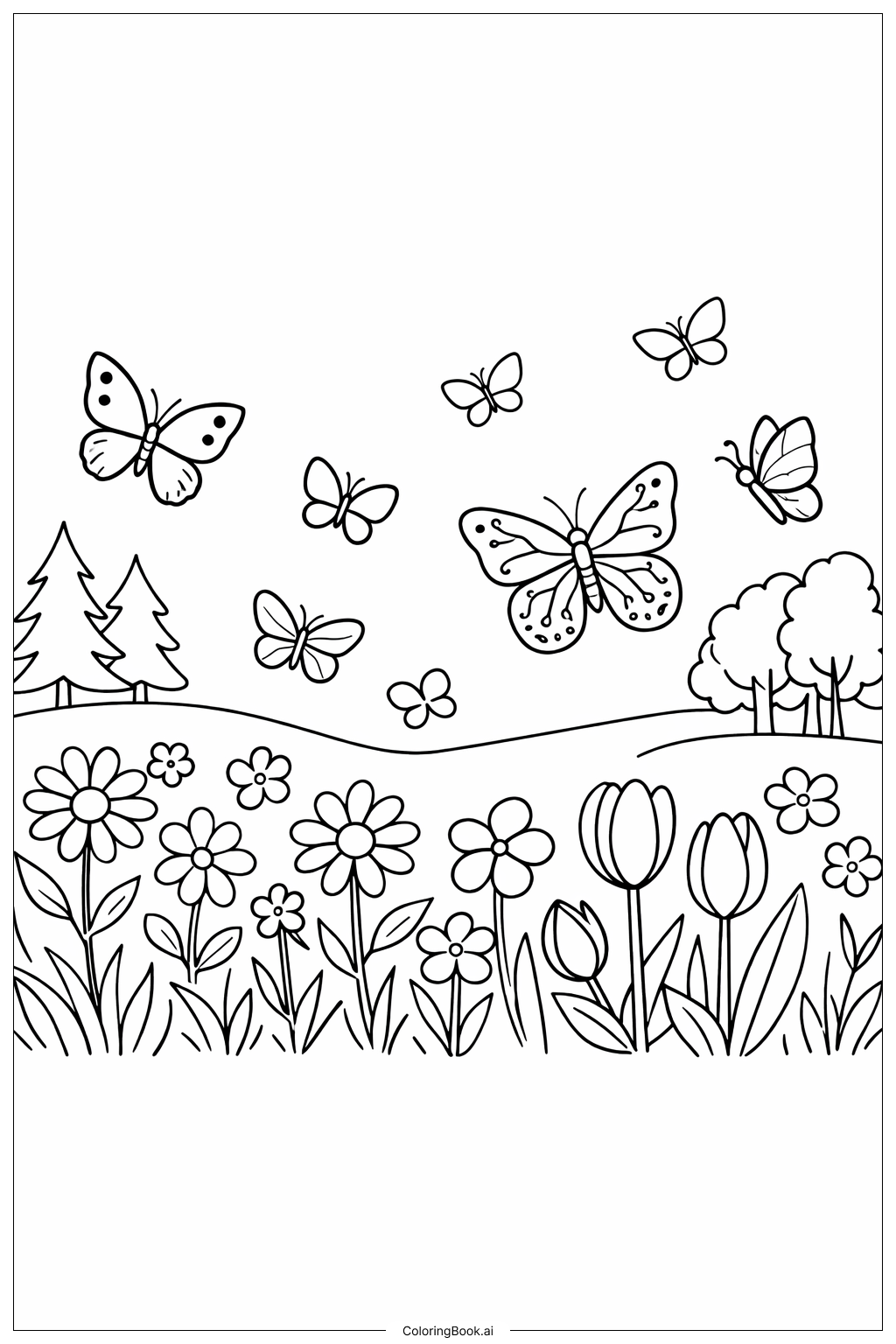
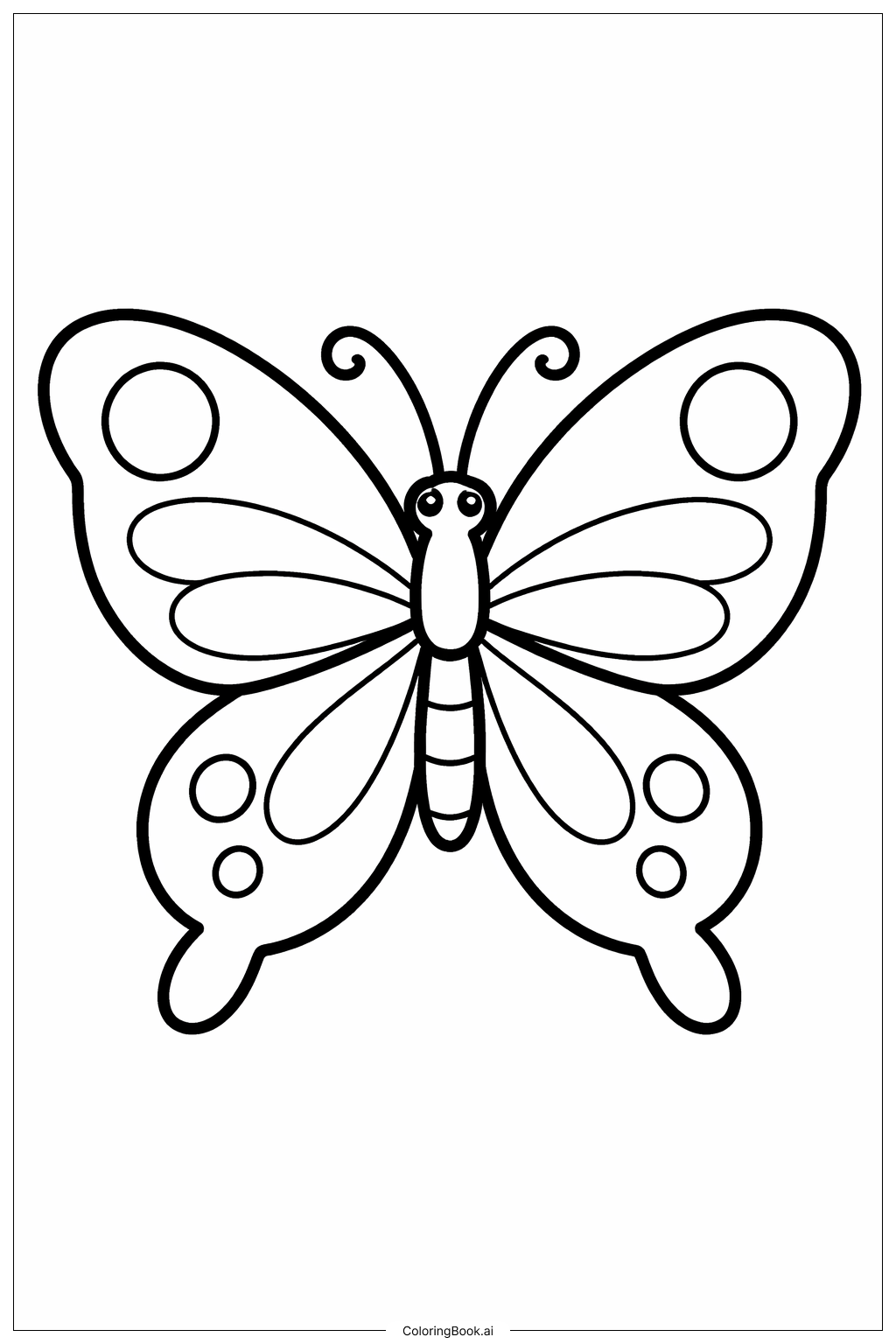
Use bright and lively colors to bring the butterfly to life. You can color the big wings with one or two main colors like orange, yellow, or blue. Use different colors for the small oval shapes to add contrast and interest. For the body, try shades of brown or black to make it stand out. The antennae can be colored in a dark color to keep them visible. Feel free to experiment with patterns, like coloring the wings in gradients or using dots and stripes to mimic real butterfly wings.
Coloring challenges: Which parts are difficult to color and need attention for Forest Butterfly coloring page?
1. Small Filled Areas: The small oval shapes on the wings require careful coloring to stay inside the lines. This can be tricky for younger children. 2. Symmetry: The butterfly's wings are symmetrical, so matching the colors and patterns on both sides can be challenging and requires attention. 3. Fine Details: The thin lines inside the wings need steady hands to color without going outside the lines. 4. Antennae Curves: The curled antennae need gentle coloring to avoid coloring outside the lines due to their delicate shapes. 5. Color Selection: Choosing the right colors to balance brightness and harmony can be difficult, especially to make the butterfly look natural and beautiful.
Benefits of coloring books: Advantages of drawing Forest Butterfly coloring page
Coloring this butterfly helps improve hand-eye coordination as children must focus on staying within the lines. It encourages creativity by letting kids choose their own colors and patterns, boosting imagination. The task of matching colors on symmetrical wings enhances concentration and attention to detail. Coloring small and curved areas trains fine motor skills and patience. Overall, it’s a fun and relaxing activity that supports artistic development and brings joy to children.