Coloring tips: How to color Forest Bear and Bee coloring page well?
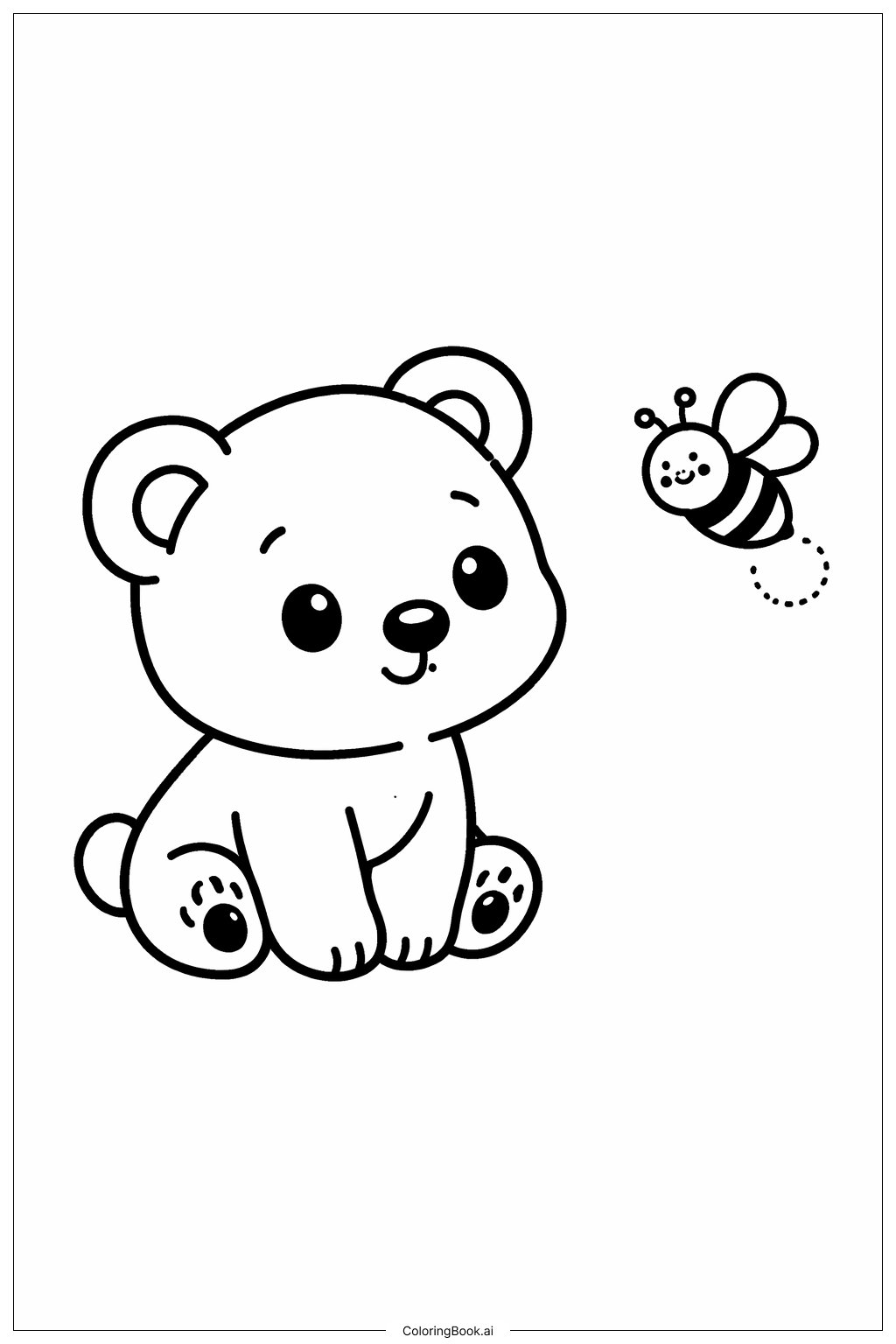
For the bear, use soft brown shades such as light and medium brown for the fur, and a slightly darker brown for the nose and ears' inside. Use a light pink or beige for the paws' pads to make them stand out. For the bee, traditional yellow and black stripes work well. Use bright yellow for the body and black for the stripes and antennae. The wings can be colored light blue or left slightly transparent with light gray to give a delicate look. You can add some green to the background to represent the forest and make the scene lively.
Coloring challenges: Which parts are difficult to color and need attention for Forest Bear and Bee coloring page?
1. Coloring within small areas like the bear's nose and bee's antennae requires careful attention to stay inside the lines. 2. The bee's wings are small and detailed, which can be tricky to color gently without making them look too heavy. 3. Adding shading to give the bear a soft, fluffy look could be challenging for beginners. 4. Balancing colors so that the bear and bee look harmonious but distinct can be hard for children choosing bright colors. 5. Coloring the paws' pads and small facial features may require fine motor skills and patience.
Benefits of coloring books: Advantages of drawing Forest Bear and Bee coloring page
Coloring this picture helps children improve their hand-eye coordination and fine motor skills by working within clear outlines. It encourages creativity as they choose colors for the bear, bee, and possible background. The simple shapes are ideal for younger kids to practice staying within lines, while the small details provide a fun challenge for older children. It also teaches about animals and nature, sparking curiosity about forests and wildlife. Overall, it’s a delightful activity that blends learning with artistic expression.