Coloring tips: How to color Flower Aesthetic Design coloring page well?
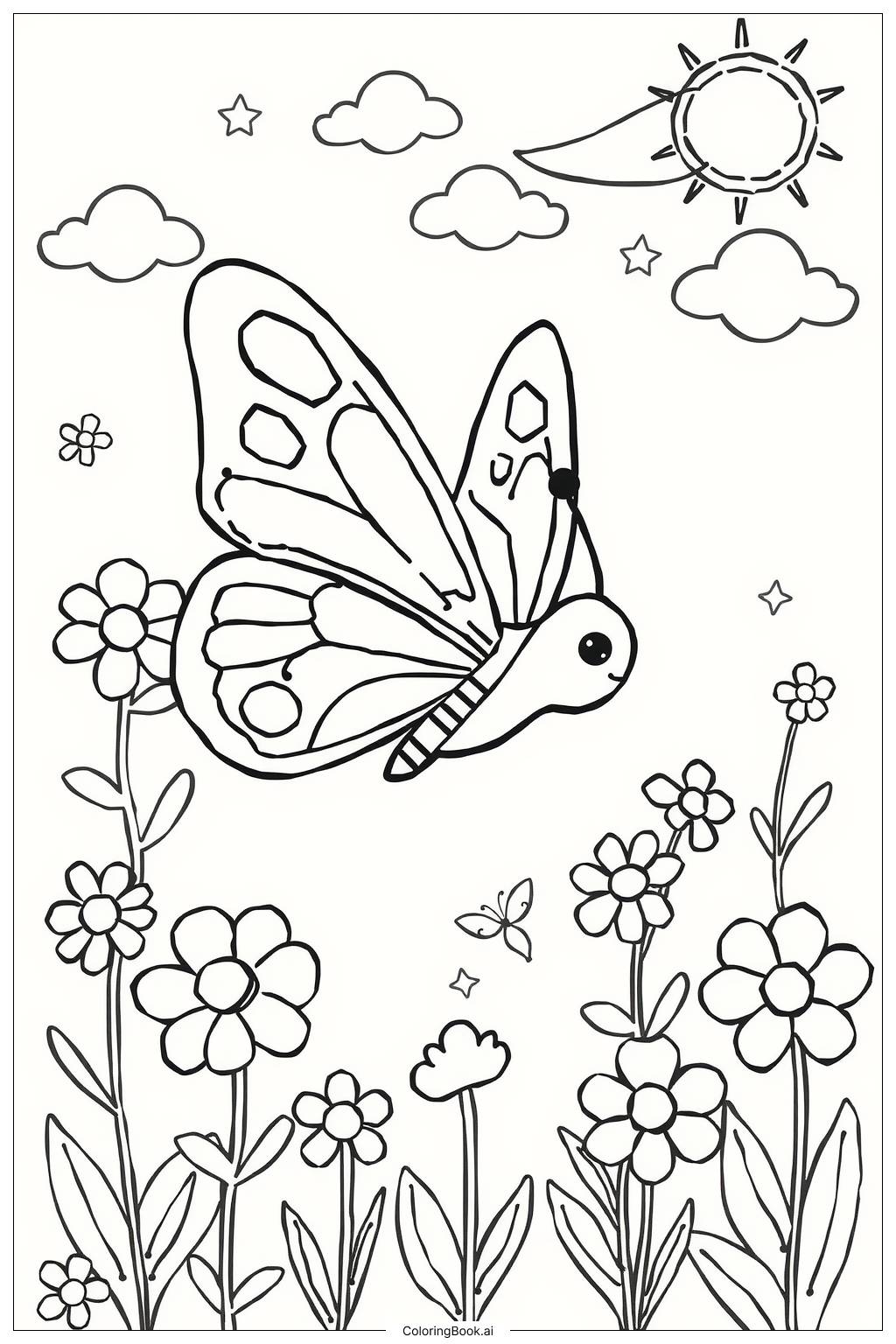
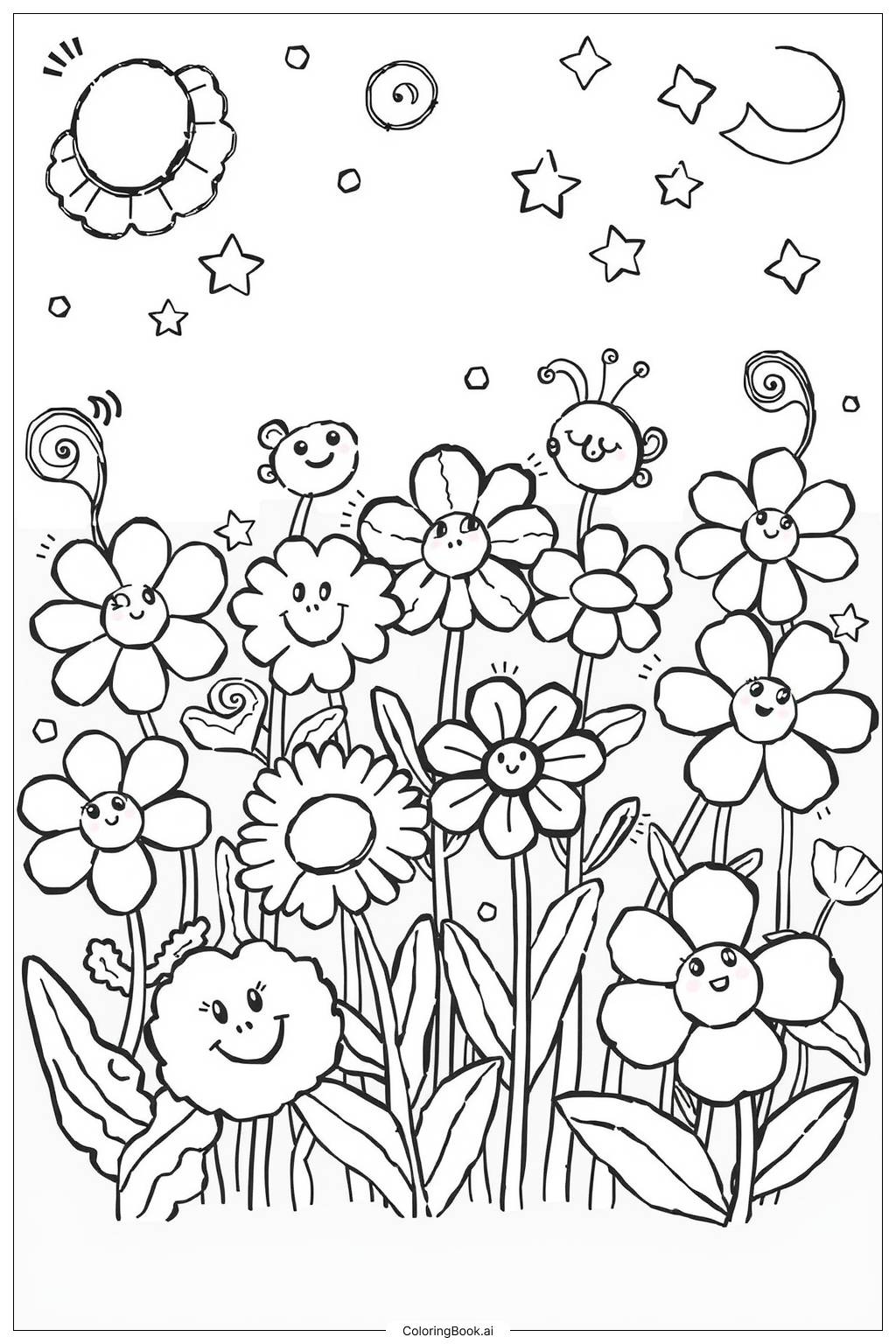
Start with the largest flowers first to establish your main color palette. Consider using warm tones like pinks, reds, and oranges for roses, or opt for cool purples and blues for a calming effect. For daisies, classic white or yellow centers with white petals work beautifully. Create depth by using lighter shades on petals facing forward and darker shades on petals that recede into the background. Color the leaves in various shades of green, mixing light spring greens with deeper forest tones to add dimension. You can add subtle shading to the stems using brown or darker green. For an aesthetic look, consider using pastel colors throughout, or try a monochromatic scheme using different intensities of one color family. Don't forget to leave some white space for highlights. Colored pencils work wonderfully for blending soft gradients on petals, while markers can create bold, vibrant statements.
Coloring challenges: Which parts are difficult to color and need attention for Flower Aesthetic Design coloring page?
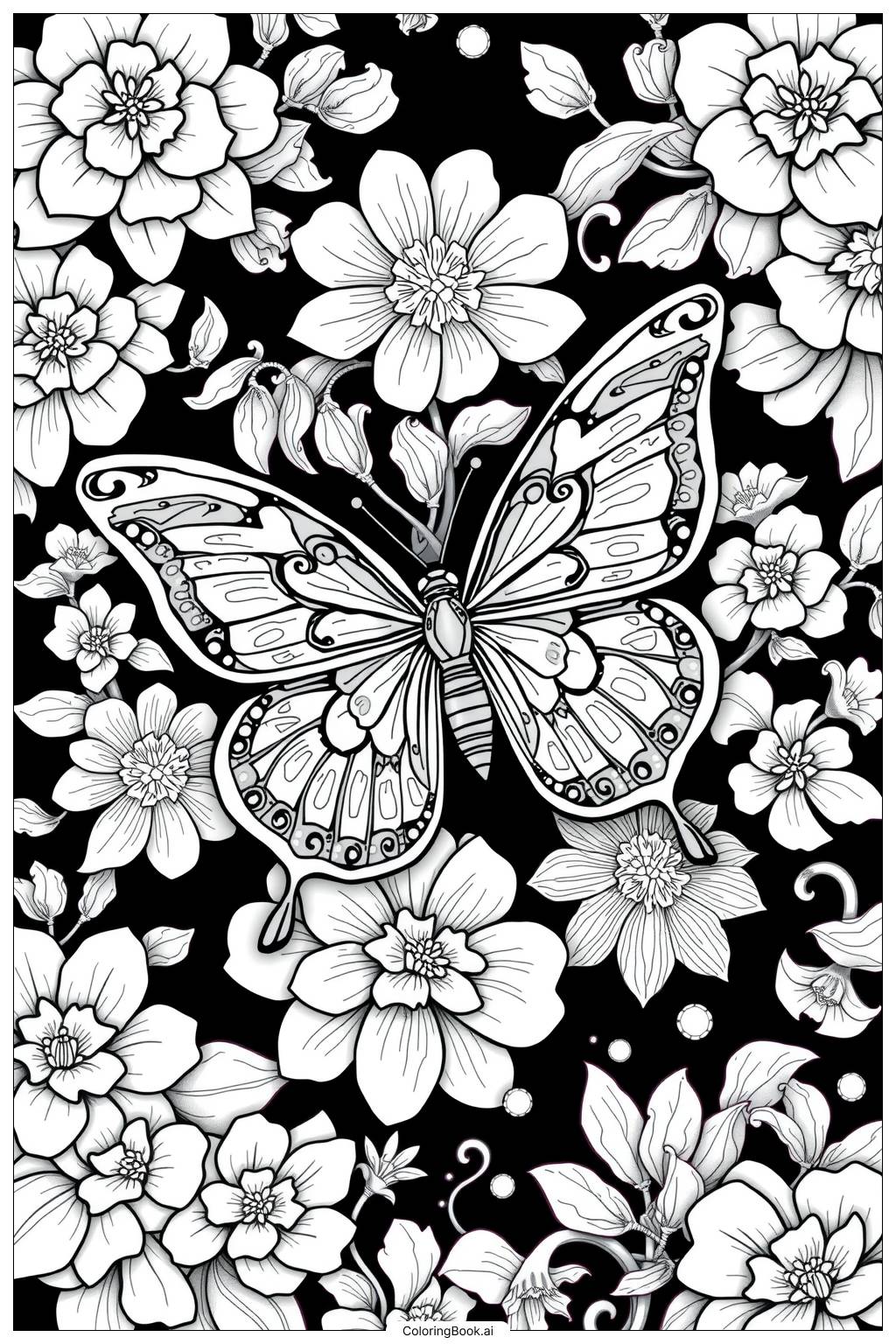
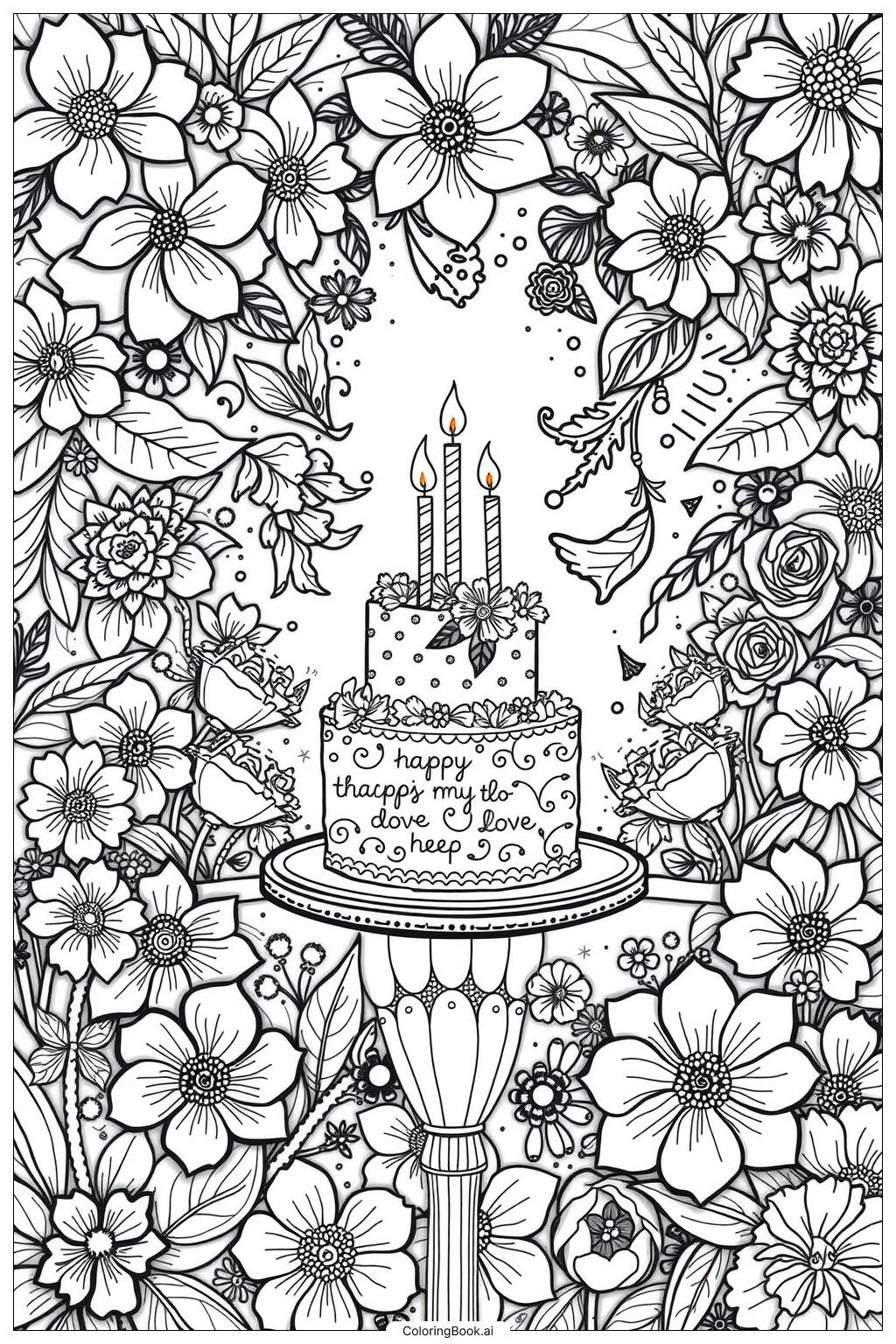
• Petal Layering and Overlap: The flowers feature multiple overlapping petals that create depth and dimension. Distinguishing where one petal ends and another begins requires careful observation. Maintaining consistent color values while showing the layered effect can be challenging. You'll need to decide which petals are in front and which are behind, then adjust your shading accordingly to create a three-dimensional appearance.
• Small Intricate Details: The design includes numerous small elements such as flower centers, tiny leaves, and decorative flourishes. These small spaces require precision and a steady hand to color without going outside the lines. Using fine-tipped coloring tools becomes essential for these areas. The small sections can also make it difficult to blend colors smoothly or create gradients.
• Maintaining Visual Balance: With multiple flowers of different sizes distributed across the page, achieving color harmony while maintaining visual interest presents a challenge. You need to decide on a cohesive color scheme that allows each flower to stand out without creating visual chaos. Balancing warm and cool tones, and deciding which flowers should be accent pieces versus background elements requires thoughtful planning.
• Leaf and Stem Integration: The leaves and stems weave throughout the composition, sometimes disappearing behind flowers and reappearing elsewhere. Keeping track of these continuous elements and coloring them consistently while varying the shades for realism requires attention to detail and spatial awareness.
Benefits of coloring books: Advantages of drawing Flower Aesthetic Design coloring page
Coloring this flower aesthetic design offers wonderful benefits for children and teens. It helps develop fine motor skills and hand-eye coordination as you carefully fill in petals and small details. The intricate patterns improve focus and concentration, teaching patience as you work through complex areas. This design encourages creative decision-making as you choose color combinations and shading techniques. Working with flowers helps you learn about nature and different plant forms. The repetitive motion of coloring has a calming effect, reducing stress and anxiety while promoting mindfulness. Completing this detailed page builds confidence and provides a sense of accomplishment. The aesthetic nature of the design allows for personal expression and artistic exploration. You'll practice color theory as you discover which colors complement each other. This activity provides screen-free relaxation time while creating beautiful artwork you can proudly display or share with others.