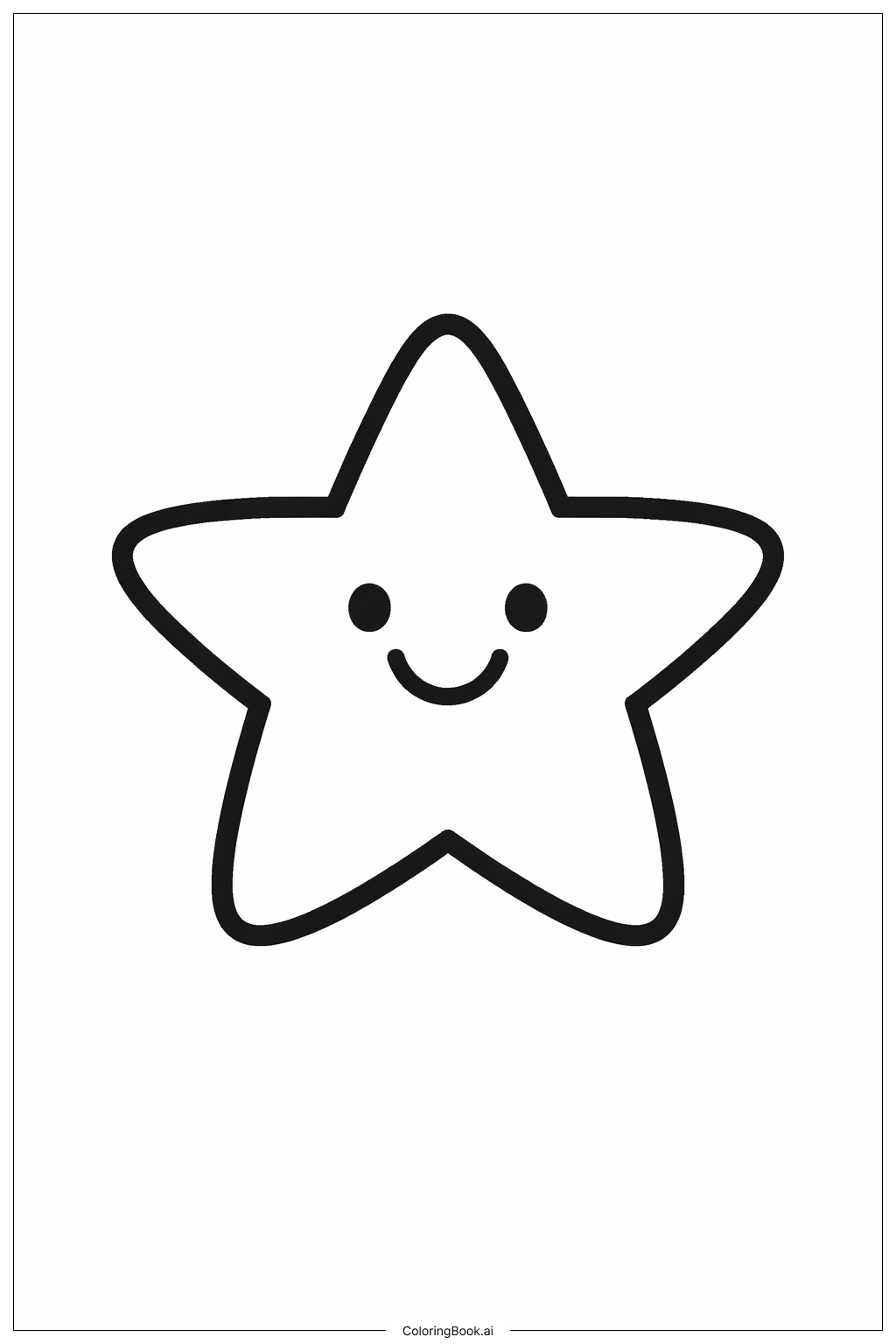
Coloring tips: How to color February Star With Smiley Face coloring page well?
Start by choosing a bright yellow or golden color for the main star body — this makes the star feel warm and sunny. You can also try a soft pink or red to give it a February and Valentine's Day feel. For the smiley face details, use darker shades like brown or black to outline the eyes and smile so they stand out clearly. The small hearts around the star look great in red, pink, or purple. Try mixing light and dark shades of the same color on the star's tips to add depth. Use a light blue or soft lavender for the background to make the star pop. Kids can also experiment with rainbow colors on each star tip for a fun, festive look. There are no strict rules — just have fun and let your creativity shine!
Coloring challenges: Which parts are difficult to color and need attention for February Star With Smiley Face coloring page?
• Coloring the Star Tips Evenly: The five pointed tips of the star each have a narrow, triangular shape. Staying within the lines on these sharp corners can be tricky, especially for younger children. Using a fine-tipped colored pencil or a thin marker works best for these areas to keep colors neat and contained.
• Blending Colors on the Star Body: If you want to create a gradient effect — for example, going from bright yellow at the center to a deeper orange at the tips — blending smoothly across the large open surface can be a challenge. Colored pencils work well here if you apply light pressure and layer the colors gradually.
• Detailing the Smiley Face Features: The eyes and mouth are small compared to the rest of the image. Filling these tiny features with the right color without going outside their borders requires a steady hand and a sharpened pencil or a fine-point marker. Take your time with these details.
• Coloring the Decorative Hearts and Swirls: The small hearts and swirling accents surrounding the star are delicate and closely spaced. These require careful, controlled strokes to avoid smearing colors into each other. Letting one section dry completely before moving to an adjacent one helps avoid color bleeding.
• Choosing a Background Color That Complements the Star: Picking a background color that makes the star stand out without clashing can be challenging. Light, cool tones like sky blue or soft lavender tend to contrast well with warm star colors, but finding the right balance takes some experimentation and a good eye for color harmony.
Benefits of coloring books: Advantages of drawing February Star With Smiley Face coloring page
Coloring this cheerful February star offers a wide range of benefits for kids and creative beginners alike. First, it helps build fine motor skills. Carefully filling in the star tips, face details, and tiny hearts strengthens hand control and pencil grip, which supports writing development in young children. Second, it encourages creative thinking. Choosing colors, experimenting with shading, and deciding how to decorate the background all spark imagination and personal expression. Third, it promotes focus and patience. The small details in this image require concentration, helping children practice sitting still and working carefully toward a goal. Fourth, coloring is a proven stress reliever. The repetitive, gentle motion of coloring has a calming effect that reduces anxiety and helps children and adults alike feel more relaxed. Fifth, this image connects coloring to a seasonal theme. Engaging with February imagery like hearts and a happy star builds awareness of holidays and seasons in a fun, hands-on way. Overall, this simple but delightful coloring page turns creative playtime into a meaningful learning experience.