Coloring tips: How to color February Smiling Teddy coloring page well?
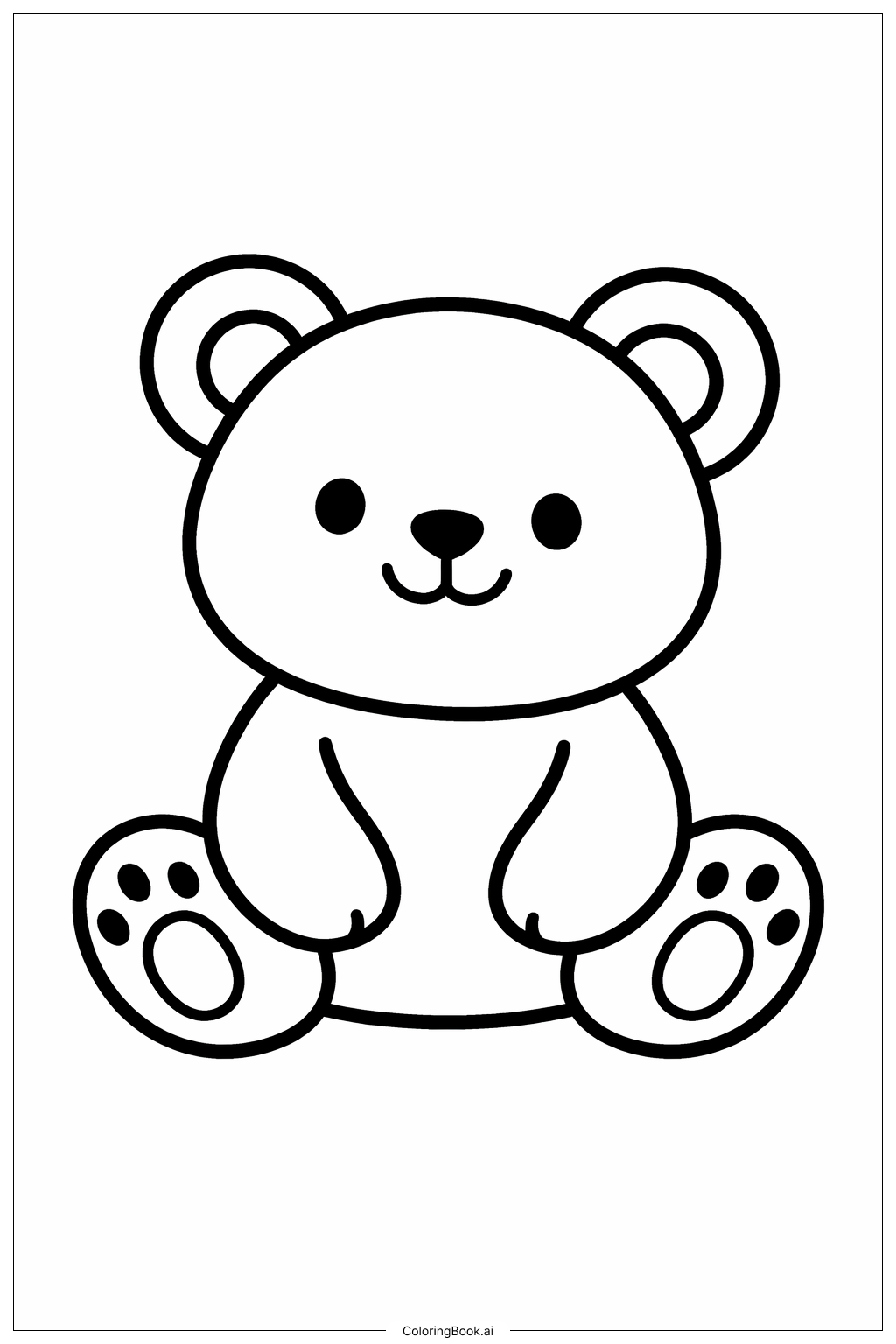
Use warm and soft colors like brown, beige, or cream for the teddy's body to make it look cuddly. The paw pads and nose can be colored in darker shades like black or dark brown. For the ears, you can add a lighter color inside. Adding a light pink or red tone to the cheeks can make the teddy look even more cheerful. Keep the eyes black or dark for a clear expression. You can also use shading to give the teddy some depth and make it look more three-dimensional.
Coloring challenges: Which parts are difficult to color and need attention for February Smiling Teddy coloring page?
1. Small Details: The paw pads and nose are small areas that require careful coloring to stay inside the lines. 2. Symmetry: The teddy’s paws and ears are quite symmetrical, so it is important to color both sides evenly and consistently. 3. Smooth Edges: The round shapes mean you need steady hand movement to keep colors smooth and neat. 4. Shading Skills: Adding shading to create a 3D effect may be tricky for younger children and needs some practice. 5. Color Choices: Deciding between soft and bold colors might be challenging, as choosing the right colors will affect the teddy’s friendliness and warmth.
Benefits of coloring books: Advantages of drawing February Smiling Teddy coloring page
Coloring this teddy bear helps children improve their hand-eye coordination and fine motor skills. It encourages creativity by allowing them to choose colors and practice shading. Coloring soothing subjects like a smiling teddy can also help reduce stress and enhance concentration. Additionally, it builds patience and attention to detail, as kids need to color carefully inside the lines. Overall, this activity promotes a sense of accomplishment and nurtures a love for art.