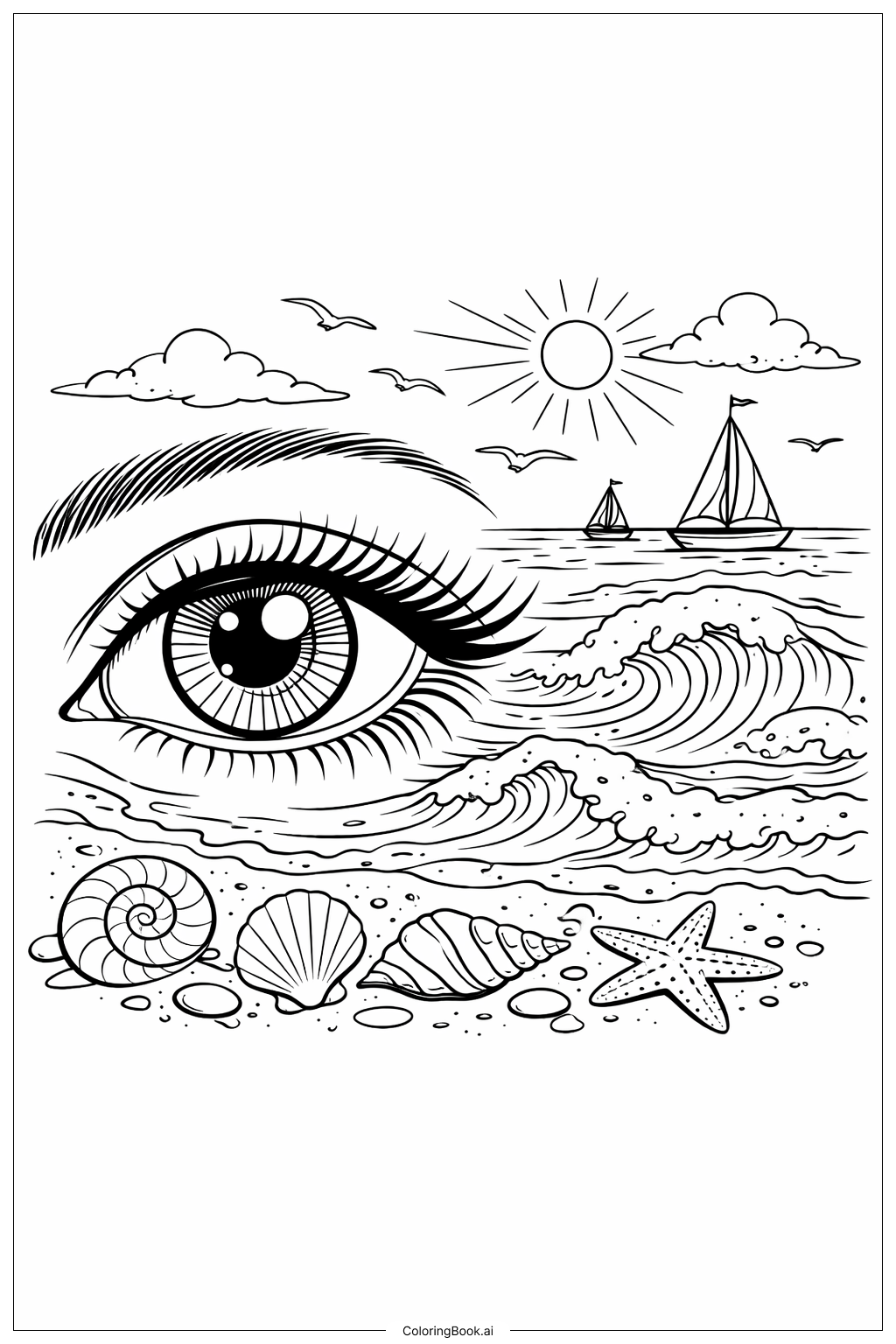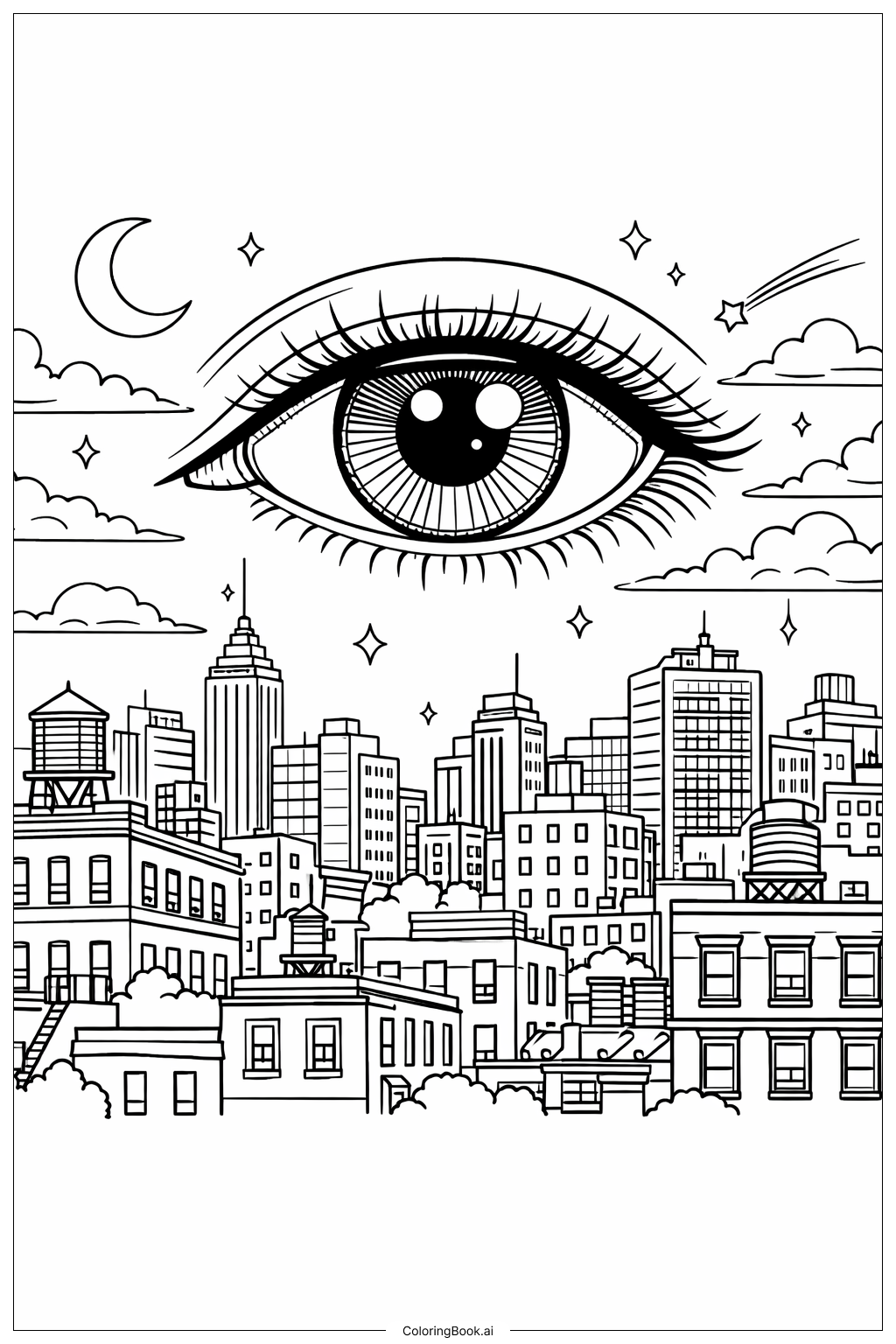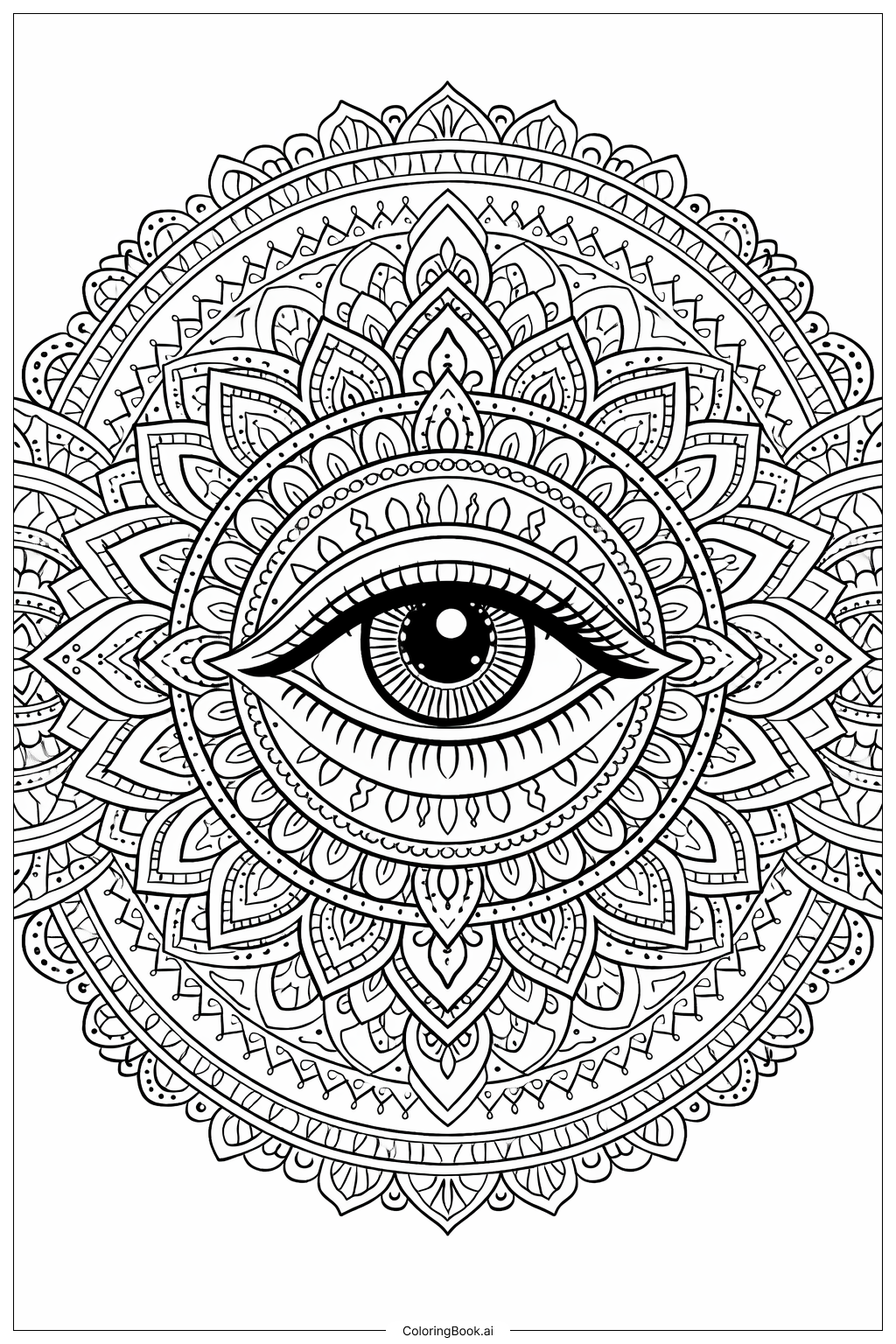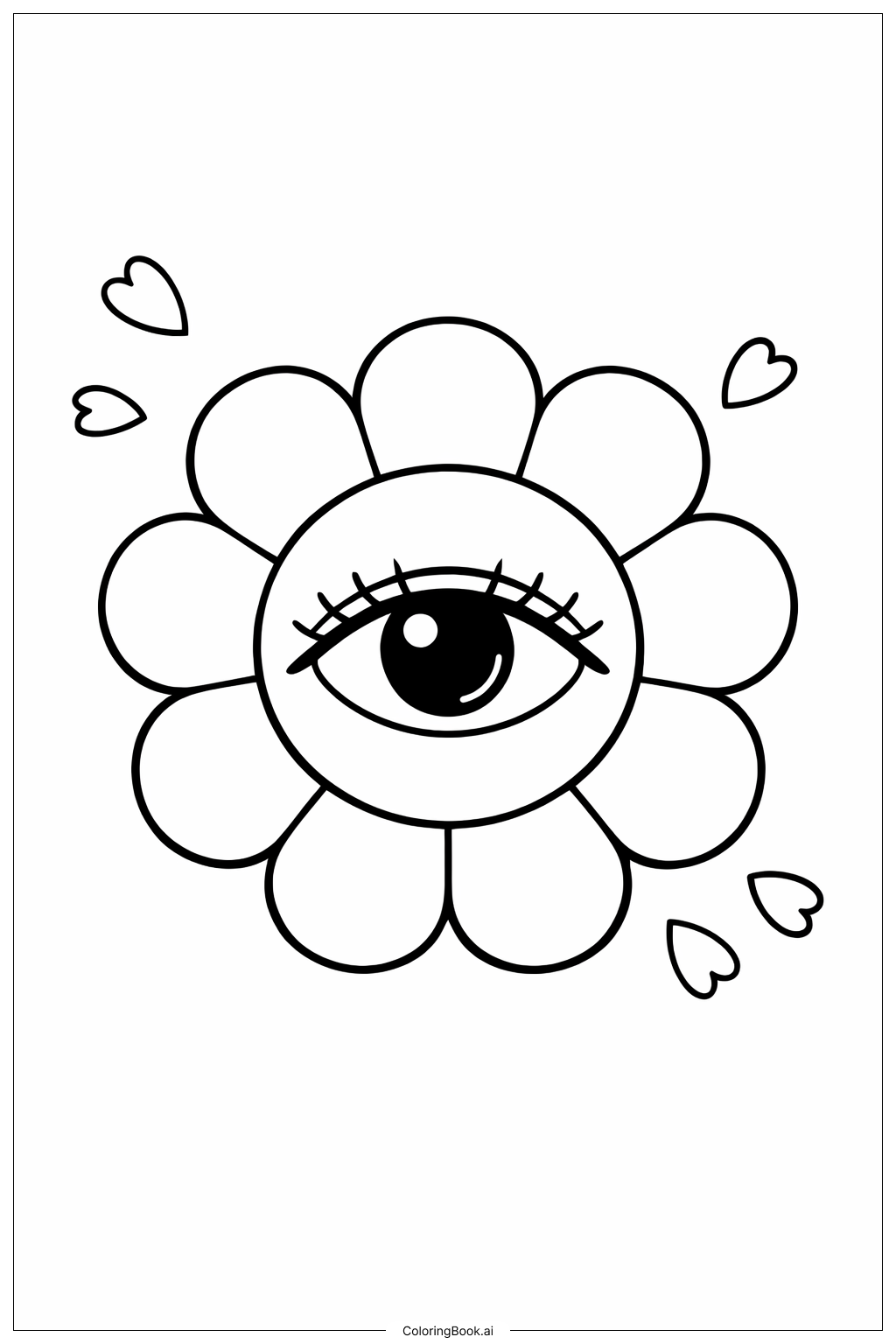
Coloring tips: How to color Eye With Flower Frame coloring page well?
Start with the eye itself before moving to the floral frame. For the iris, try shades of blue, green, hazel, or brown — you can blend two colors to make it look more realistic. Use a very light gray or leave the highlight dot white to make the eye look shiny. Color the whites of the eye a soft cream or pale white rather than bright white. For the eyelashes, use black or dark brown. When moving to the flowers, pick a color palette first. Warm tones like pink, red, orange, and yellow create a cheerful feel. Cool tones like purple, lavender, and blue give a dreamy look. Use different shades of green for the leaves to add depth. Try coloring the flowers closest to the eye in lighter tones and the outer ones in darker shades to draw focus to the center. Take your time with each petal for a beautiful result.
Coloring challenges: Which parts are difficult to color and need attention for Eye With Flower Frame coloring page?
• Iris Detailing: The iris of the eye contains many small, radiating lines and textures packed into a tight circular space. Coloring this area requires a sharp pencil or fine-tipped marker to stay within the lines. Blending two colors smoothly here can be tricky, especially for younger colorists, and pressing too hard may cause colors to look flat or muddy.
• Eyelash Precision: The eyelashes are thin, curved lines that require a steady hand and a very fine tool. It is easy to accidentally color outside the lash lines or make the area look too heavy and dark. Patience is needed to color each lash individually without smudging nearby areas.
• Floral Variety and Consistency: The frame includes many different flower types, each with its own petal shapes and sizes. Keeping a consistent and harmonious color palette across all the flowers while still making each one look distinct is a real challenge. It requires planning ahead and testing color combinations before committing.
• Small Leaf and Vine Details: The leaves and vines weaving between the flowers have narrow sections that are difficult to color neatly. Using the tip of a colored pencil or a thin marker is essential here. Rushing through these areas often results in colors bleeding into adjacent spaces.
• Balancing the Eye and the Frame: Making the central eye stand out while keeping the floral frame vibrant requires careful color choices. If the flowers are too bright, they can overpower the eye. Finding the right balance takes thought and a good understanding of how colors interact with each other.
Benefits of coloring books: Advantages of drawing Eye With Flower Frame coloring page
Coloring this Eye With Flower Frame page offers a wide range of wonderful benefits for children and older colorists alike. The detailed eye at the center encourages careful observation and fine motor skill development, as staying within small, precise lines requires focus and hand control. Working on the intricate floral border helps build patience and persistence — skills that are valuable both in art and in everyday life. Choosing colors for the flowers, leaves, and eye allows colorists to express their creativity freely. There are no wrong choices, which builds confidence and encourages imaginative thinking. The combination of a human element and natural forms also sparks curiosity about both anatomy and the natural world. For children, this page can open conversations about how eyes work and what different flowers look like in real life. For older colorists, the complexity of the design provides a satisfying mindfulness activity that helps reduce stress and anxiety. Completing this page gives a strong sense of accomplishment. It is a great way to spend focused, screen-free time while producing a beautiful piece of art to be proud of.