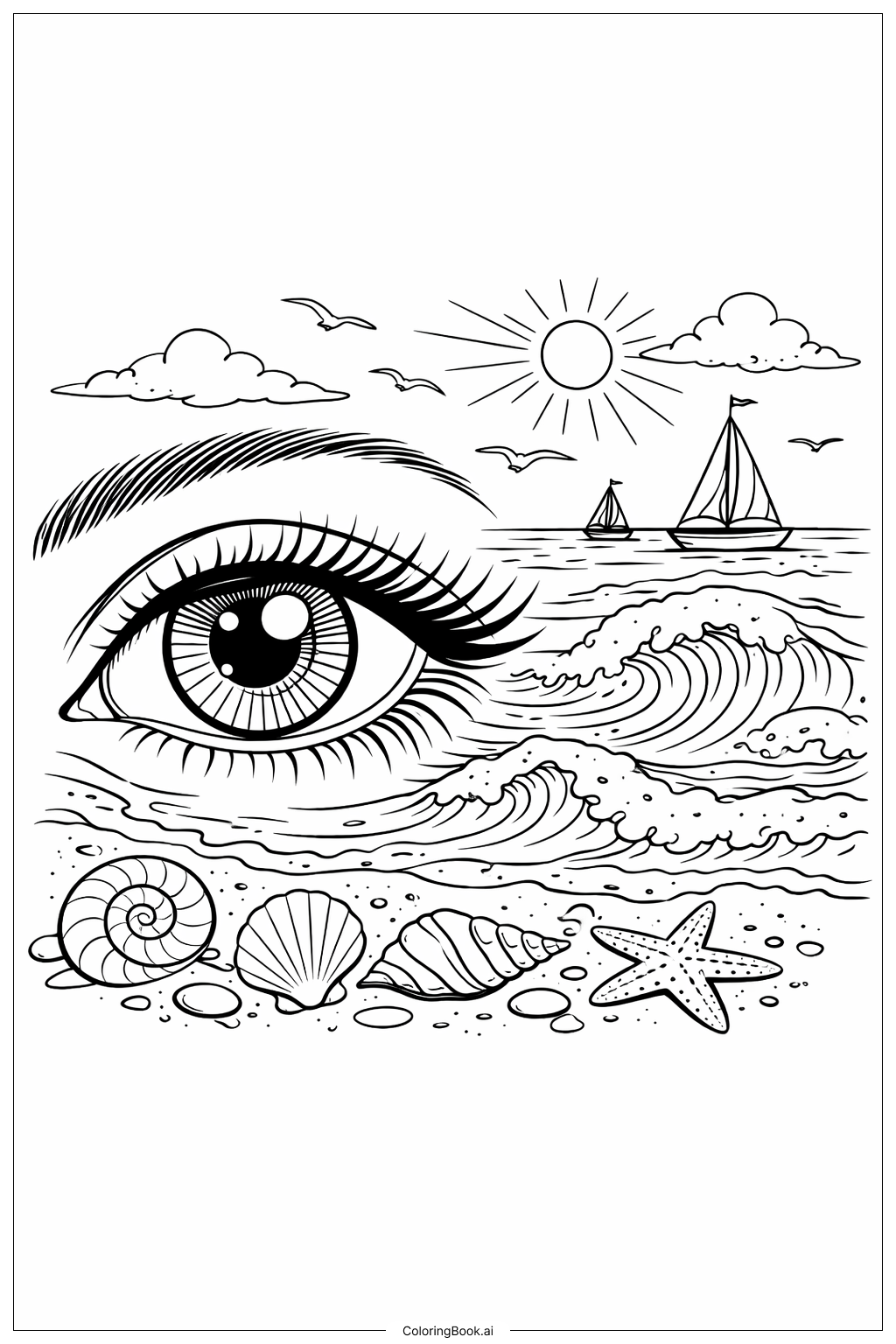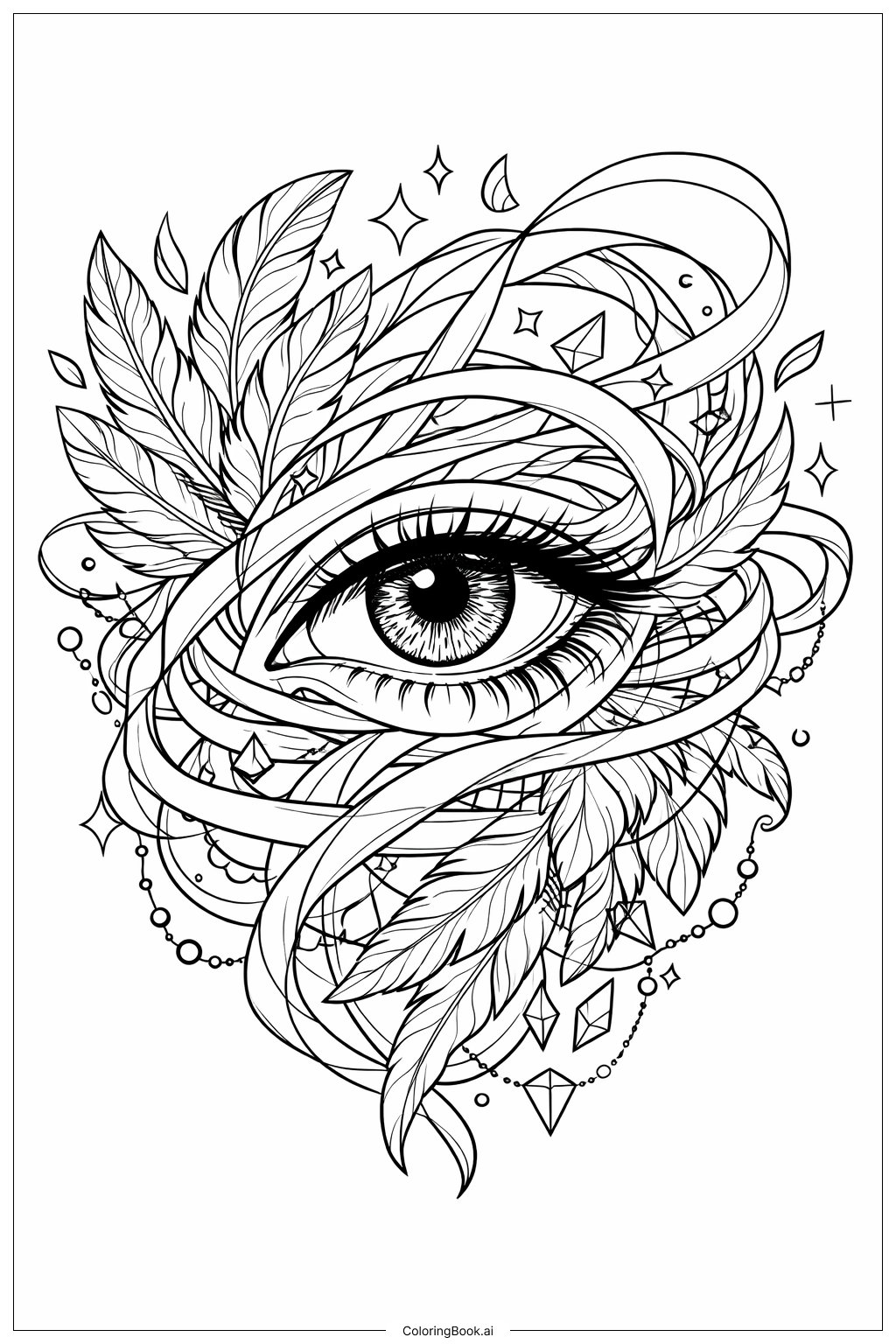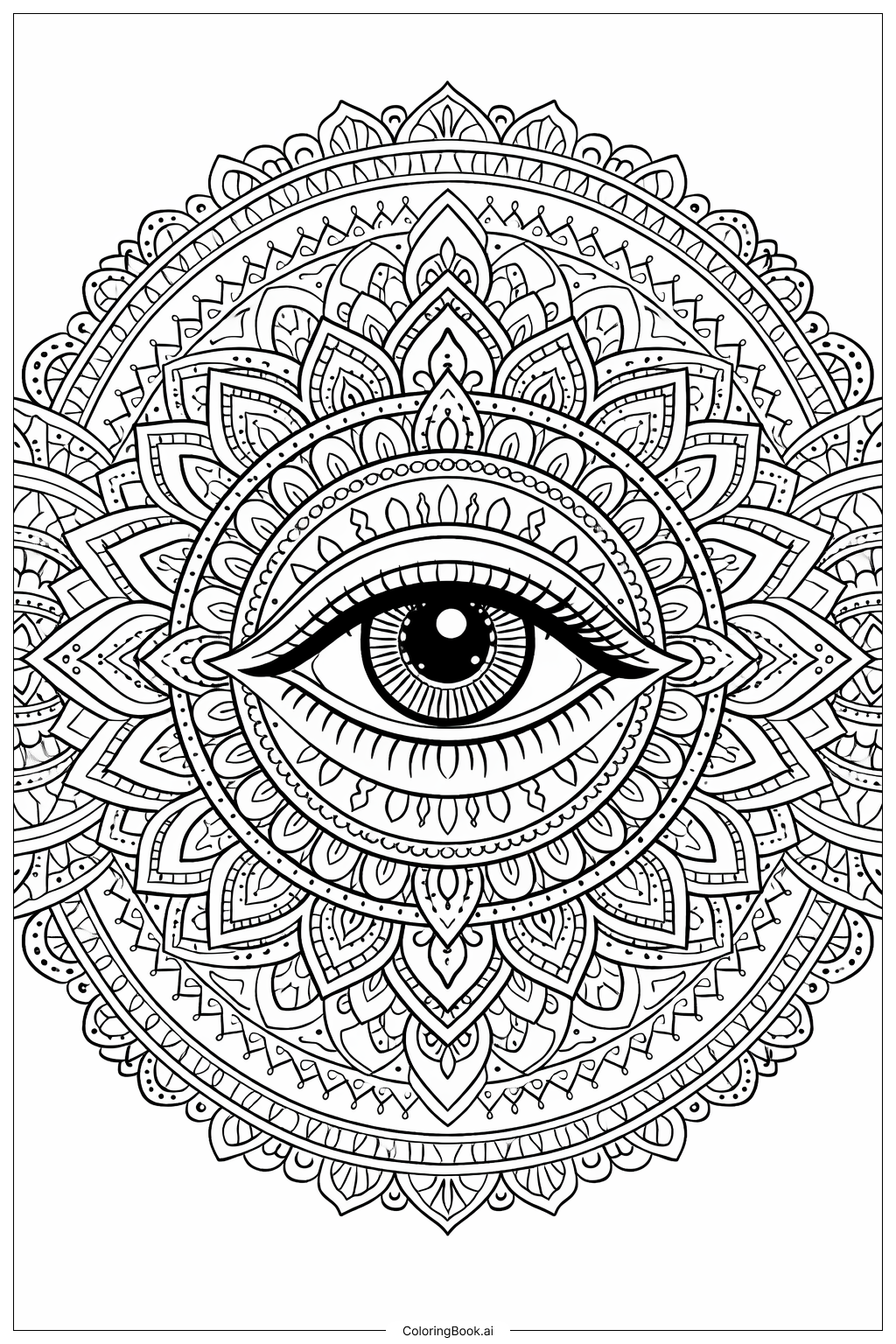
Coloring tips: How to color Eye With Decorative Mandala Surround coloring page well?
Start coloring the eye first to make it stand out. Use bright colors for the iris to draw attention. You can use shades of blue, green, or brown for a natural look or go for bold colors like purple or red for fun. For the mandala, use different colors for each layer of shapes. Try warm colors like red, orange, and yellow in one part, and cool colors like blue, green, and purple in another. Use fine-tip markers or colored pencils to color the small details carefully. Take your time to color inside the lines to keep it neat. You can also add light shading to give depth to the eye and petals.
Coloring challenges: Which parts are difficult to color and need attention for Eye With Decorative Mandala Surround coloring page?
1. Detailed Patterns: The mandala has many small shapes and lines. Coloring inside these tight spaces can be tricky for young kids.
2. Symmetry: Keeping the coloring balanced on both sides takes focus. It’s important so the mandala looks even and pretty.
3. Small Details: The eye’s iris and the tiny dots and lines in the mandala require careful coloring.
4. Layered Design: The mandala has many layers overlapping. Deciding which colors to put where can be confusing.
5. Patience Needed: This design takes time and patience to complete without rushing and making mistakes.
Benefits of coloring books: Advantages of drawing Eye With Decorative Mandala Surround coloring page
Coloring this eye with mandala helps you improve your focus and attention to detail. It encourages patience because the design is complex and takes time. It sparks creativity as you choose colors and decide how to blend them. Coloring small shapes trains your hand to be steady and improves fine motor skills. The repetitive mandala pattern is calming and can help reduce stress. It’s also a fun way to learn about shapes and symmetry while making a beautiful piece of art.