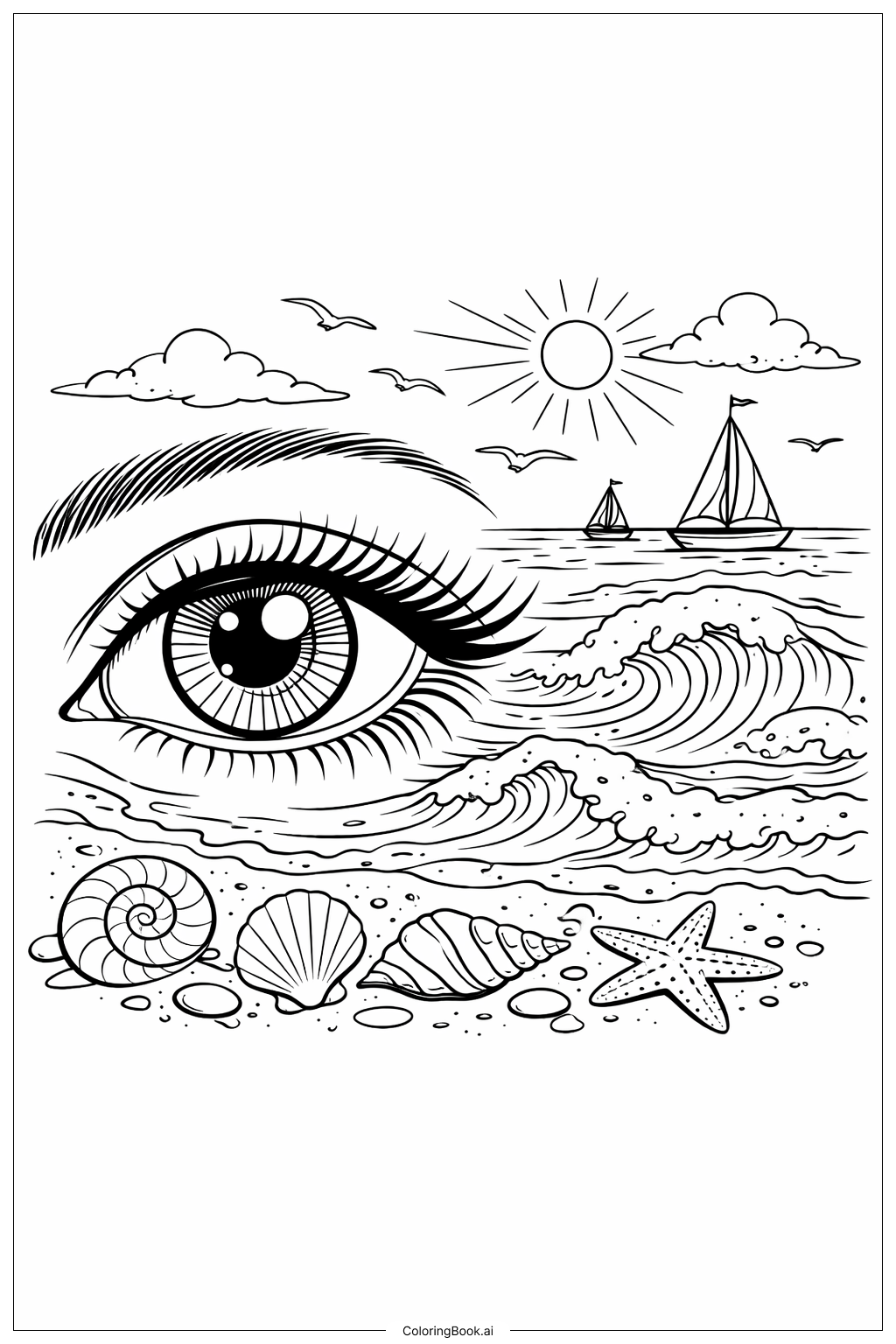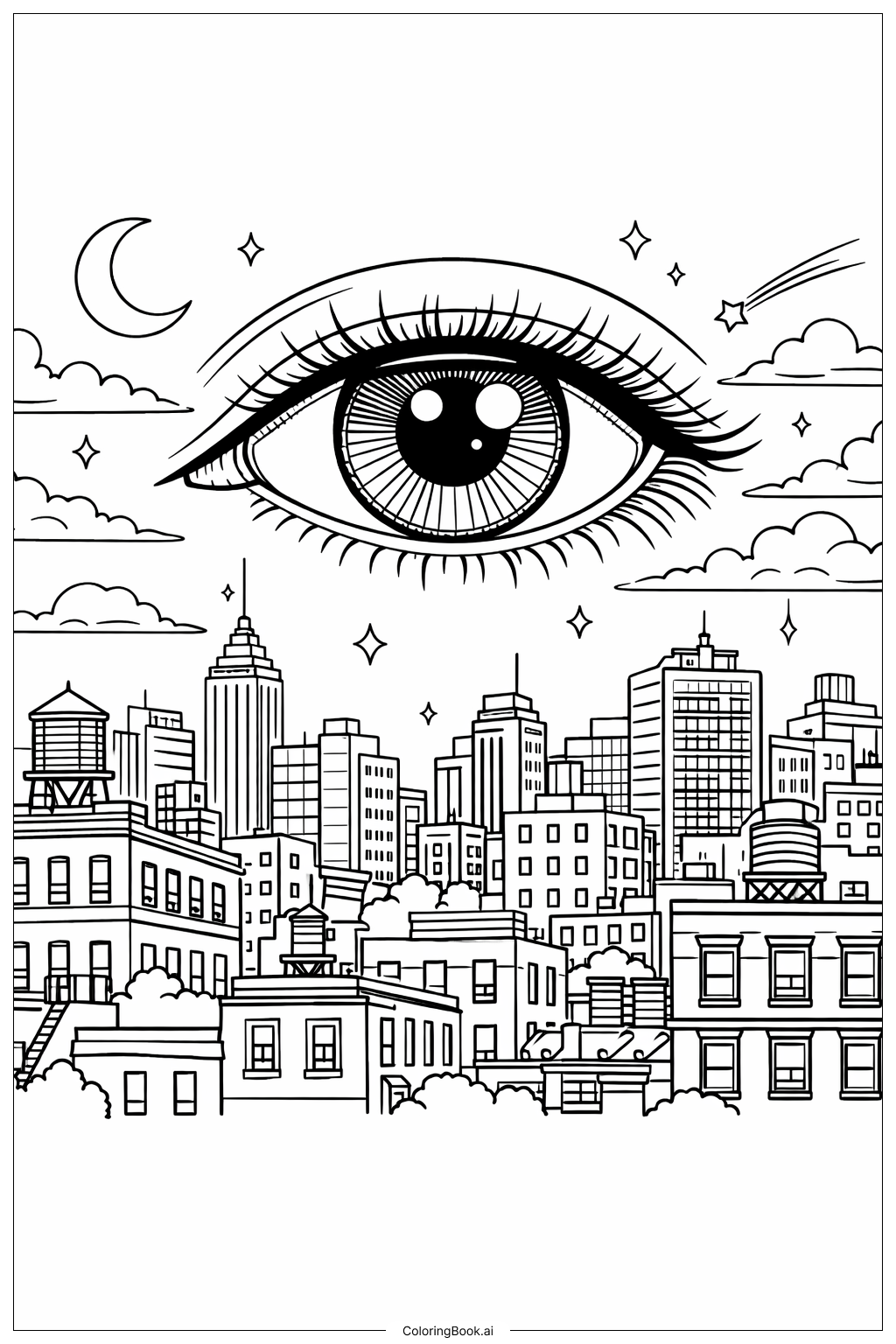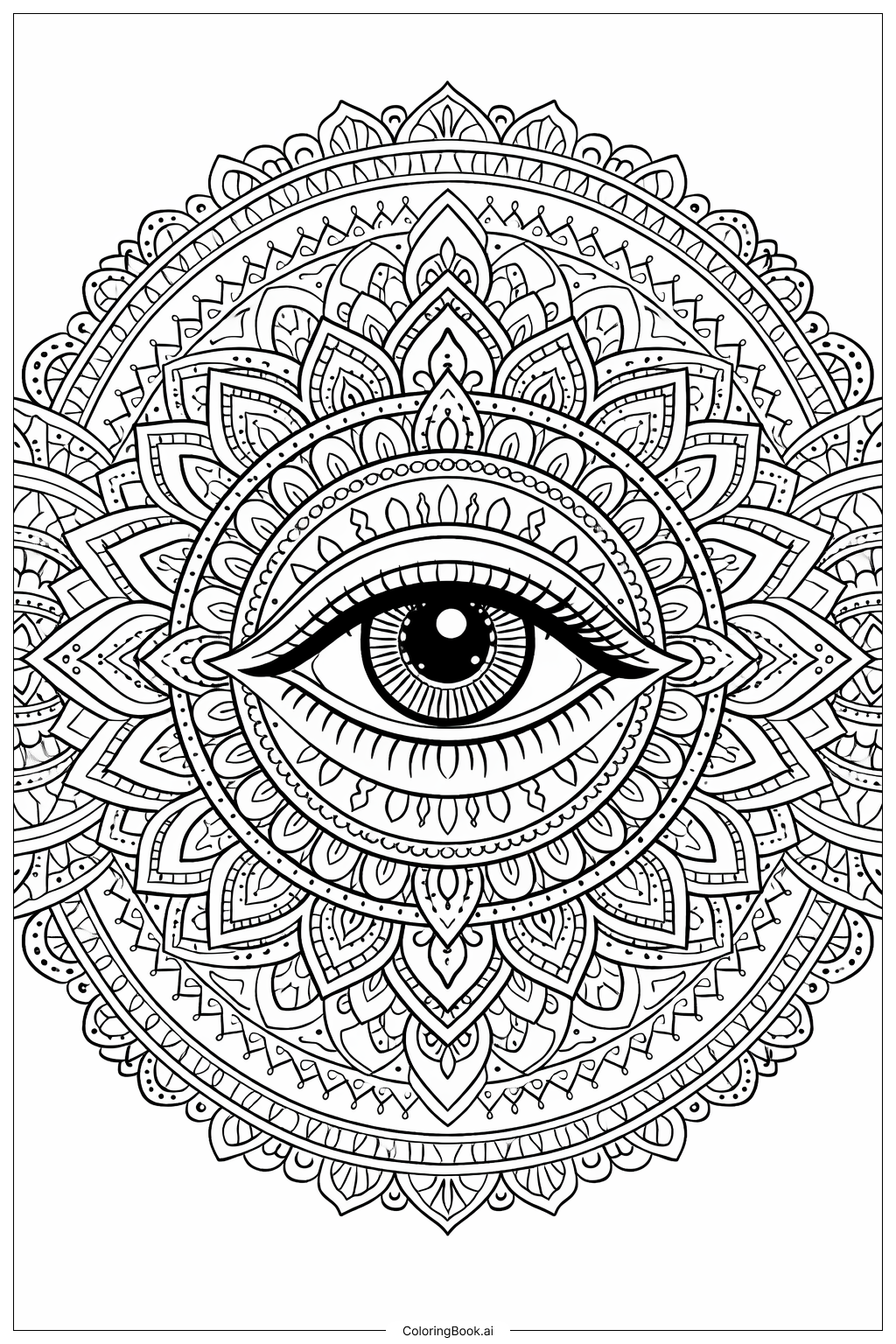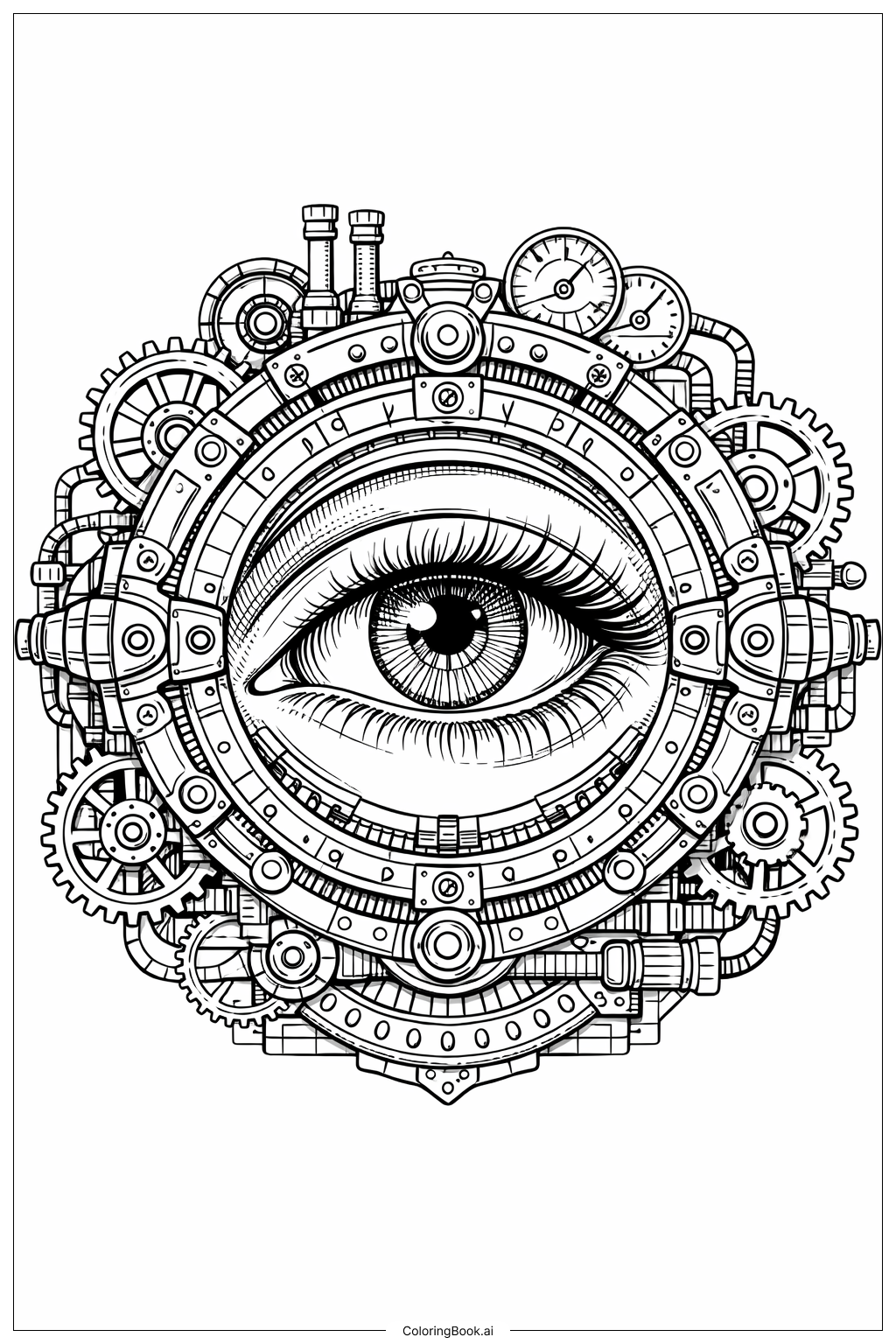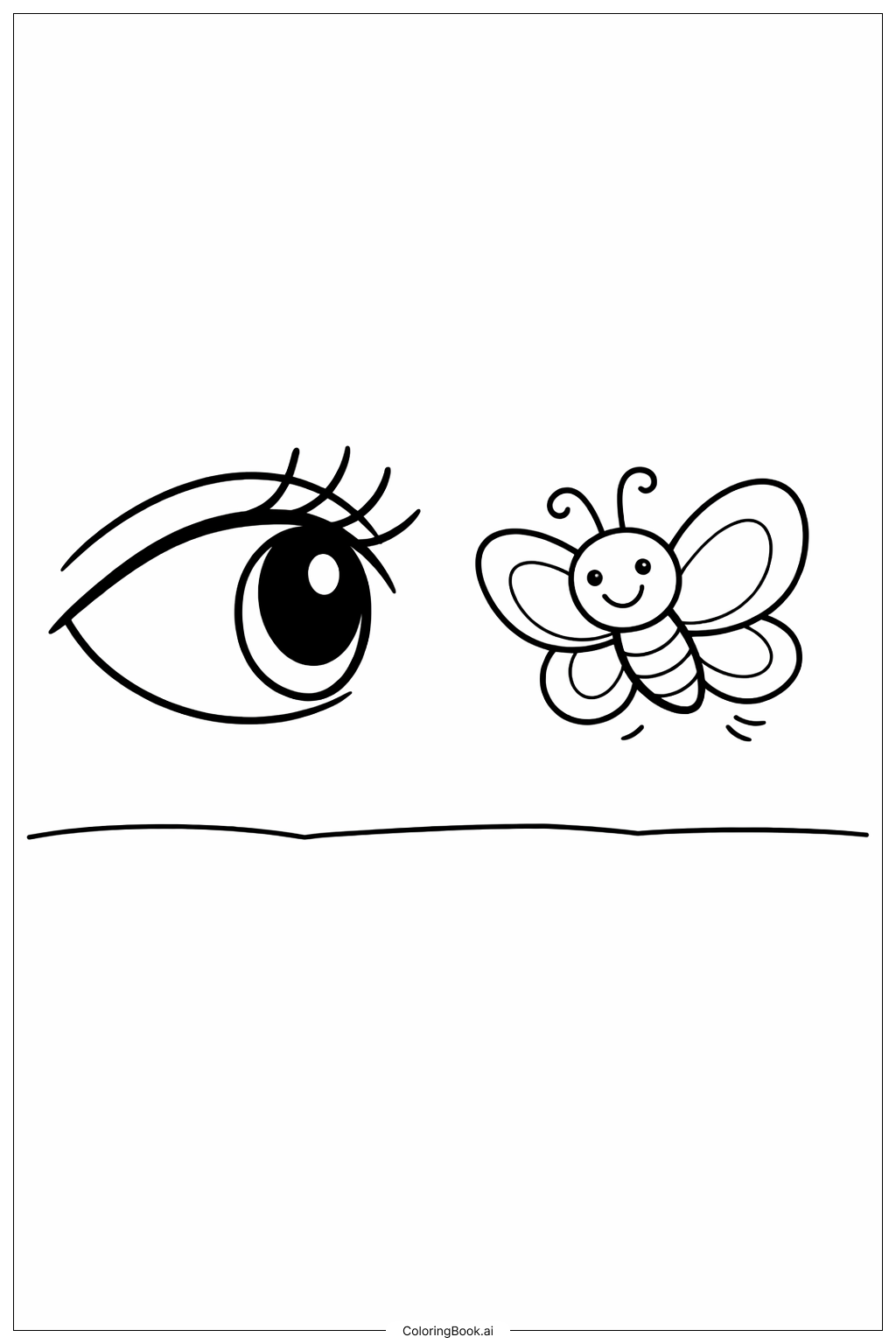
Coloring tips: How to color Eye Looking At Butterfly coloring page well?
Start with the iris of the eye. You can use shades of blue, green, brown, or hazel. Add darker tones around the outer edge and lighter ones near the pupil to make it look realistic. Color the pupil solid black or very dark brown. For the eyelashes, use black or dark brown. The skin around the eye can be colored in warm peach, tan, or brown tones depending on your preference. For the butterfly, let your imagination run free! Try bright, bold colors like orange, yellow, purple, and red for the wings. Use darker shades to fill in the vein patterns and spots. You can even make each wing a different color combination for a fantasy look. Leave small white areas on the eye and butterfly wings to create a natural shine. This image works great with colored pencils, markers, or watercolors.
Coloring challenges: Which parts are difficult to color and need attention for Eye Looking At Butterfly coloring page?
• Iris Texture and Depth: The iris of the eye contains many fine radiating lines and subtle patterns. Blending multiple shades smoothly to create a realistic, three-dimensional look can be tricky. You need to layer colors carefully without muddying the details, especially around the pupil where tones shift from dark to light.
• Eyelash Precision: The eyelashes are long, curved, and layered closely together. Coloring each lash neatly without going outside the lines or blending into the skin requires a fine-tipped tool and a steady hand. Getting the taper right — darker at the base and slightly lighter at the tips — adds to the challenge.
• Skin Shading Around the Eye: The folds and contours of the eyelid and surrounding skin need careful shading to look natural. Flat coloring in this area can make the eye appear lifeless. Blending warm highlights and cool shadows takes patience and color awareness.
• Butterfly Wing Patterns: The butterfly wings are filled with intricate veins, spots, and symmetrical shapes. Keeping both wings balanced in color while filling each small section neatly is time-consuming. It is easy to accidentally color outside a vein line and disrupt the pattern flow.
• Balance Between Eye and Butterfly: Because the eye and butterfly occupy the same scene, their colors need to complement each other without clashing. Finding a palette that makes both elements visually harmonious — while still letting each one stand out — requires some planning before you begin coloring.
Benefits of coloring books: Advantages of drawing Eye Looking At Butterfly coloring page
Coloring this image of an eye gazing at a butterfly offers a range of wonderful benefits for kids and adults alike. The intricate details of the iris and butterfly wings help build fine motor skills and hand-eye coordination as you carefully work within small spaces. Choosing color combinations encourages creative thinking and helps develop a personal sense of artistic style. Focusing on detailed patterns like the eyelashes and butterfly veins trains concentration and patience — skills that carry over into school and everyday life. The calming, repetitive motion of coloring also helps reduce stress and anxiety, making it a great way to unwind after a busy day. For younger children, this image sparks curiosity about nature and the human body, turning a fun activity into a gentle learning moment. The combination of a human feature and a natural creature also invites storytelling, encouraging kids to imagine the story behind the scene. Overall, this page is a joyful way to explore color, build focus, and express creativity at any age.