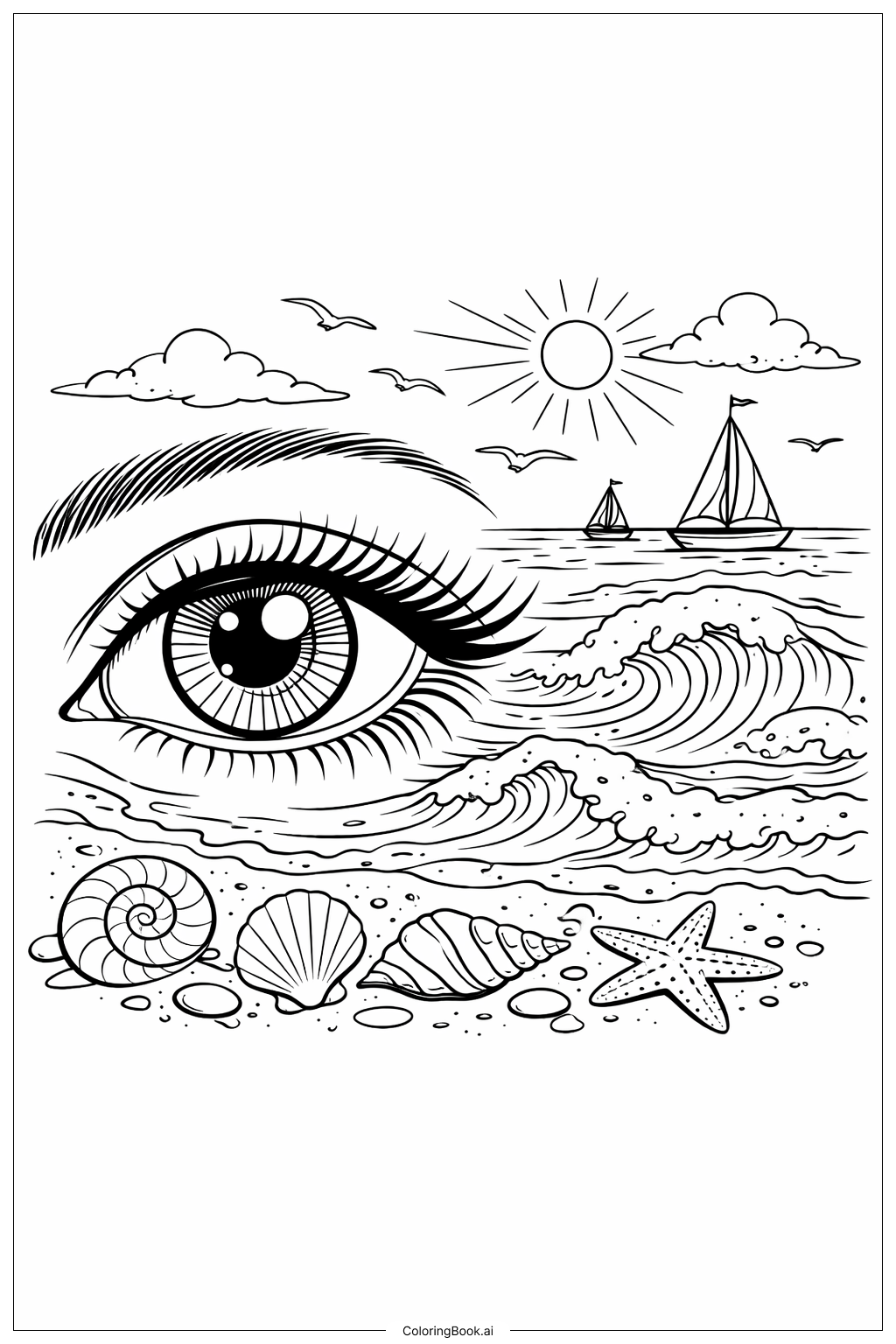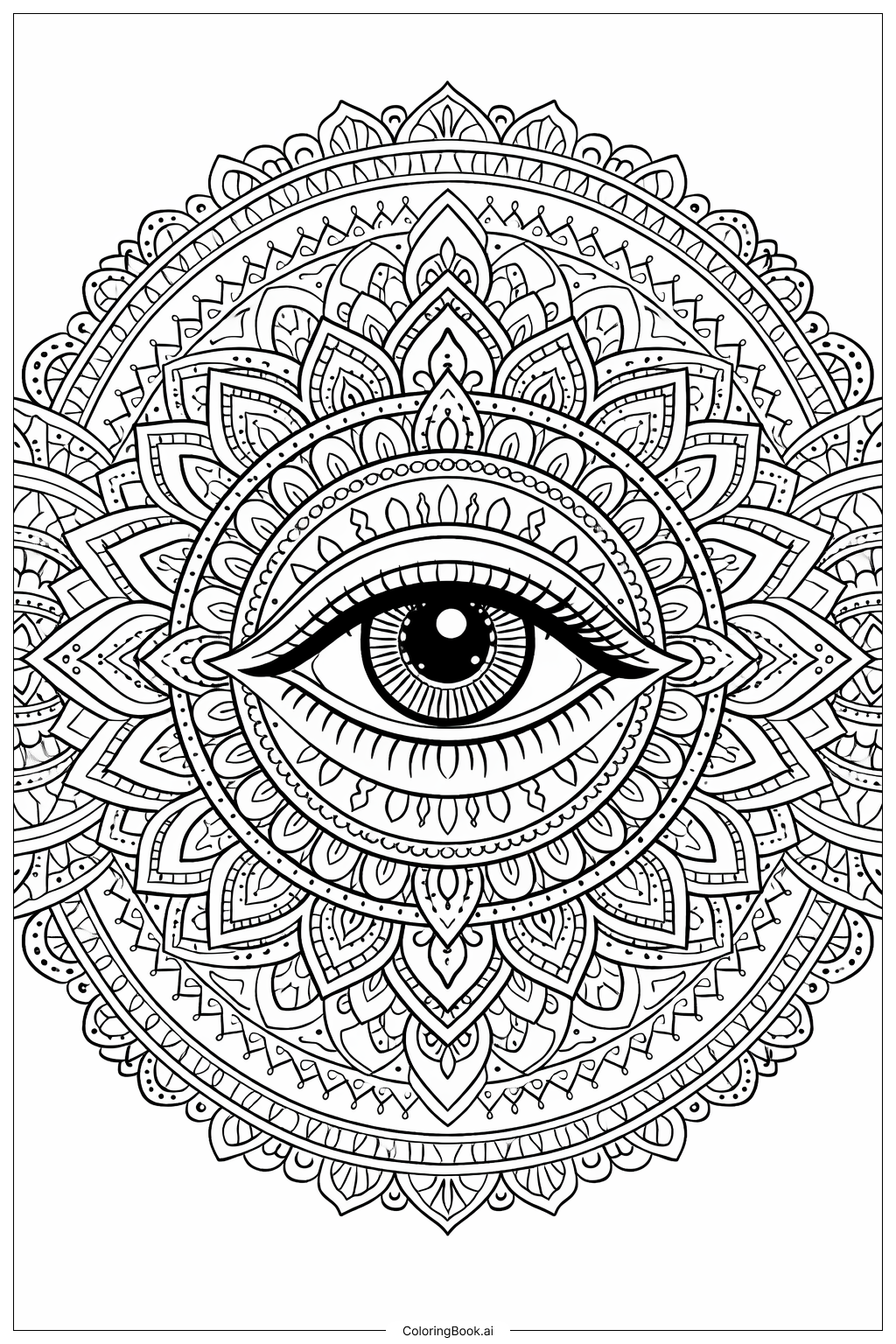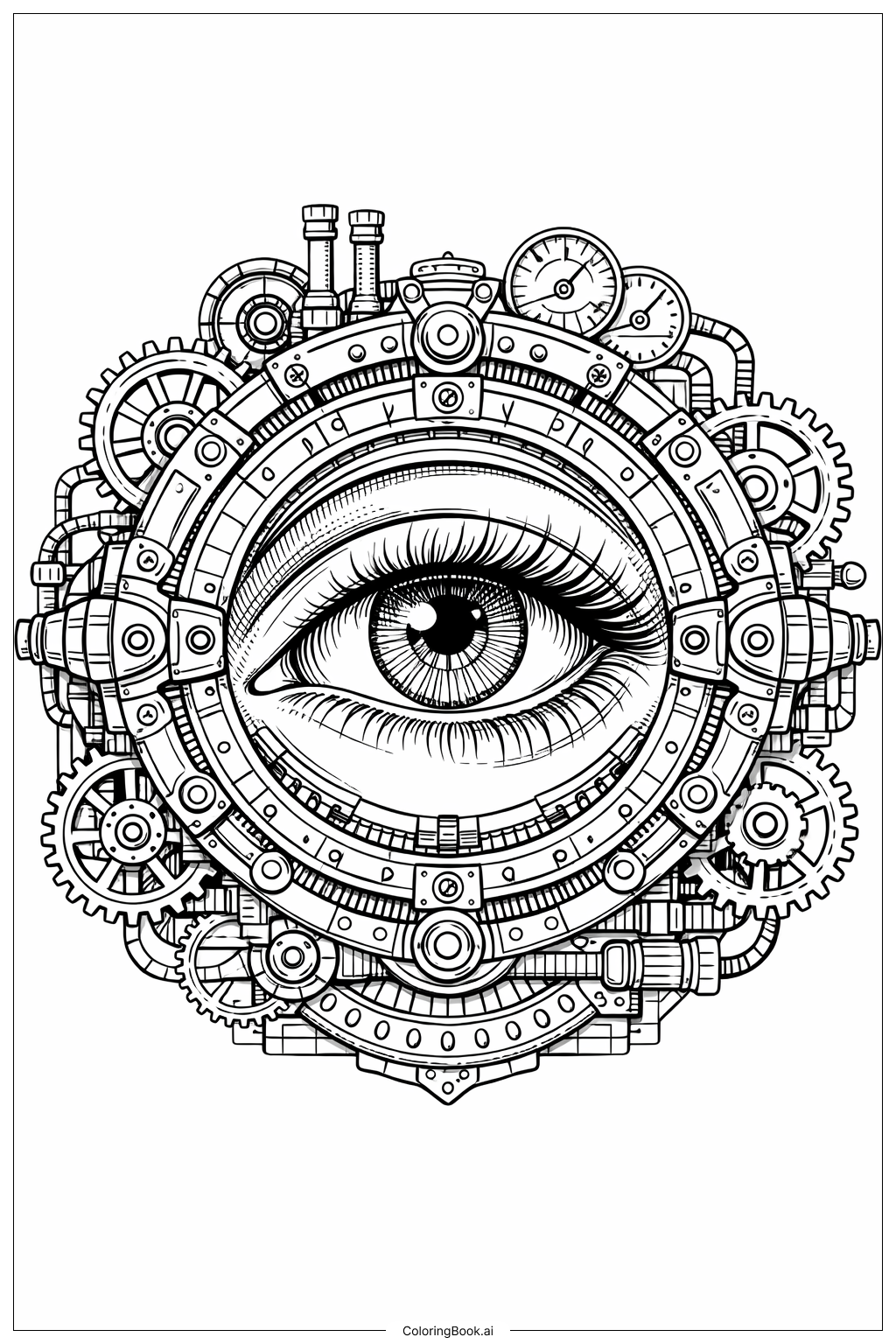
Coloring tips: How to color Circle Pattern Eye coloring page well?
Start with the pupil at the very center. Use black or deep navy to make it stand out. For the iris, try shades of blue, green, or amber — these look stunning and lifelike. Blend lighter and darker tones as you move outward from the pupil to create depth. For the circular patterns surrounding the eye, use a repeating color scheme to keep the design feeling balanced. Warm colors like orange, red, and yellow work well on one side, while cool colors like purple, teal, and blue complement the other. You can also try a rainbow gradient flowing through the rings for a magical effect. Use fine-tipped colored pencils or markers for the smallest details near the lash lines and the innermost circles. Colored pencils are great for soft blending, while gel pens can add a glossy, eye-catching finish to highlight areas. Have fun and let your imagination guide your color choices!
Coloring challenges: Which parts are difficult to color and need attention for Circle Pattern Eye coloring page?
• Small Circular Details: The image contains many tiny circles and curved lines packed closely together. Staying inside each small shape without going over the lines requires a sharp pencil tip or a fine-tipped marker. Take your time and work slowly through these areas to keep everything neat.
• Iris Shading and Blending: The iris of the eye has many fine radiating lines that create a layered texture. Coloring this area realistically requires smooth color blending from dark to light. Using multiple shades of the same color family and layering them carefully will produce the best results. This can be tricky, especially for younger colorists.
• Maintaining Color Harmony: With so many separate sections in the circular patterns, it is easy for the overall design to feel chaotic if colors are chosen randomly. Planning a consistent color palette before you start will help the finished piece look unified and visually pleasing. Mapping out your colors lightly in pencil first is a helpful strategy.
• Symmetry Awareness: Many of the circular patterns around the eye are symmetrical or repeat at regular intervals. Keeping the same colors in matching sections helps the design feel balanced. Losing track of which sections correspond to each other can result in an uneven look.
• Avoiding Smudging: When working with markers or gel pens on densely detailed areas, wet ink can smear if your hand rests on a freshly colored section. Working from the top of the page downward and using a scrap piece of paper under your hand will help protect completed areas.
Benefits of coloring books: Advantages of drawing Circle Pattern Eye coloring page
Coloring this Circle Pattern Eye page offers a wide range of wonderful benefits for both kids and Adults. The detailed circular patterns encourage focus and concentration, helping colorists practice patience as they work through each section carefully. This kind of mindful activity is known to reduce stress and promote a sense of calm — much like meditation. For younger children, filling in the shapes helps build fine motor skills and hand-eye coordination, which are important for writing and other everyday tasks. Choosing and combining colors also sparks creativity and strengthens color recognition. For older kids and Adults, the complexity of the design provides a satisfying challenge that builds a sense of accomplishment upon completion. The eye at the center of the design invites curiosity and imaginative thinking — colorists may find themselves wondering what story the eye is telling. Working with repeating patterns also develops an early appreciation for geometry and symmetry. Whether you use colored pencils, markers, or watercolors, this page is a joyful and enriching experience for all ages.