Coloring tips: How to color Elephant with Floral Patterns coloring page well?
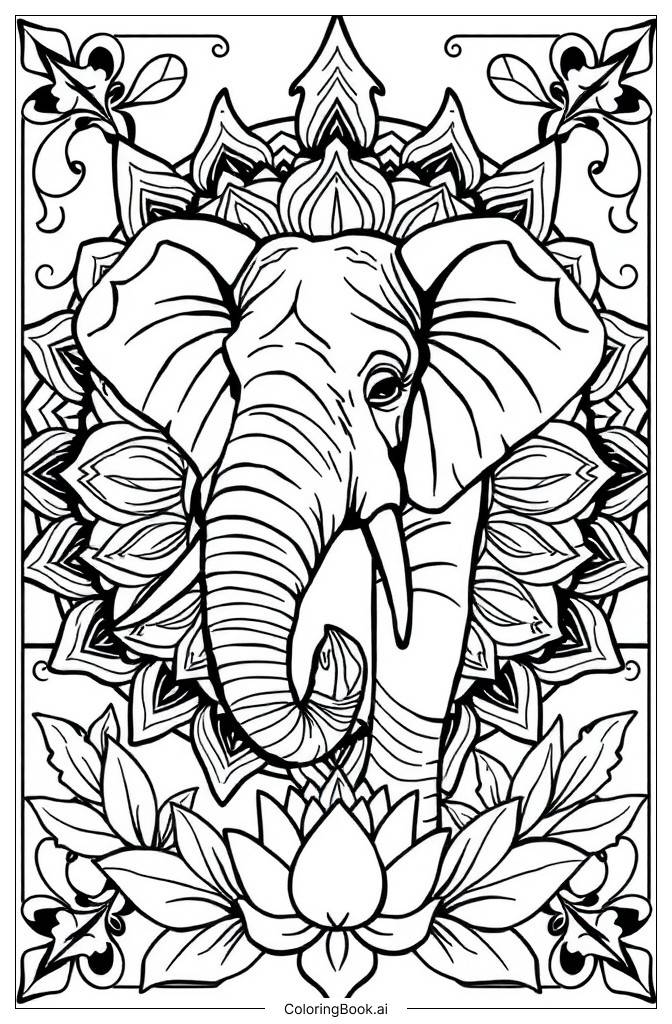
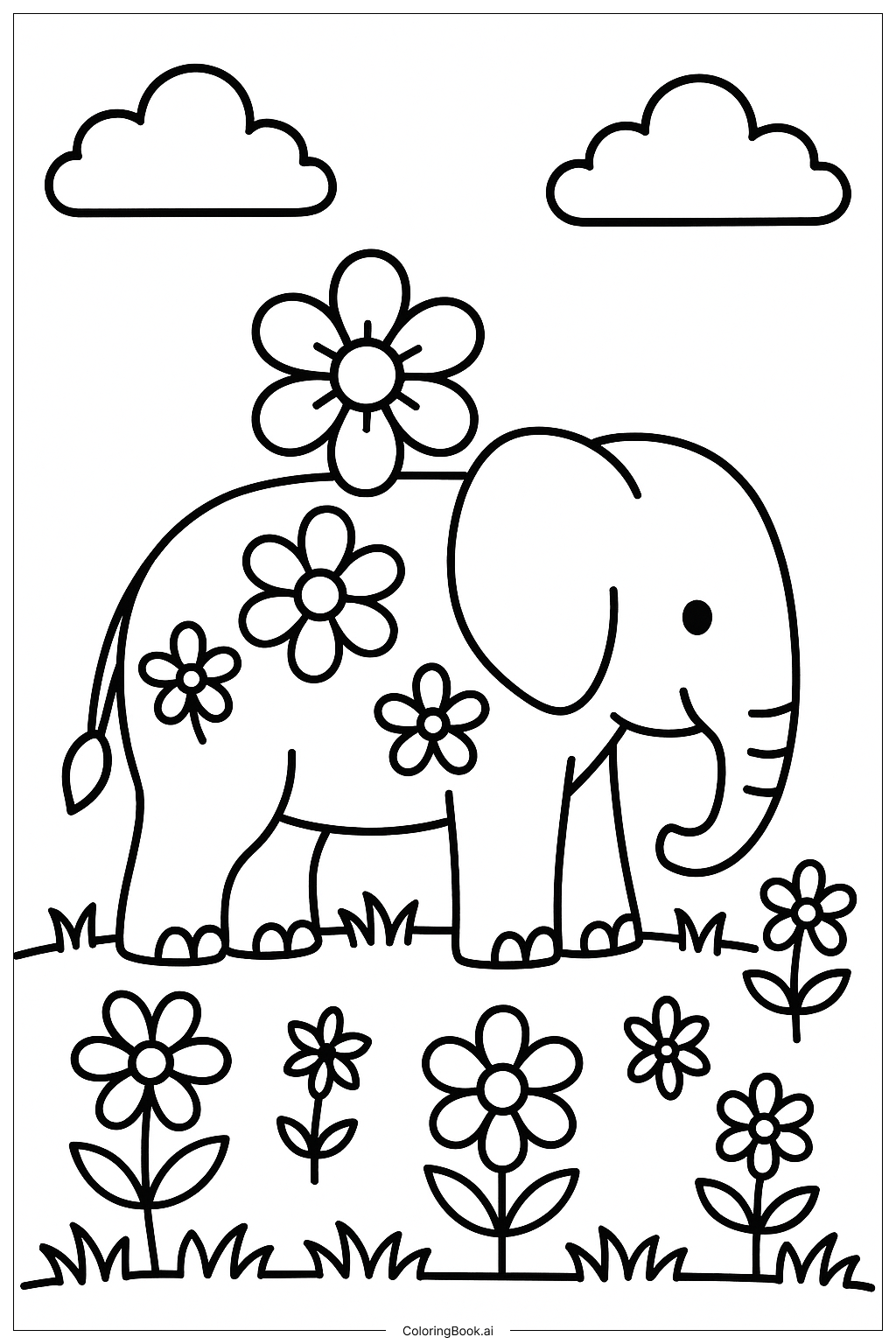
Try using soft colors like gentle pinks, purples, and greens for the floral patterns to create a calming nature-inspired look. For the elephant’s body, consider using shades of gray or even light blues to give it a soft, dreamy appearance. You can also add bright accents in yellows or oranges on some flowers to make details pop. Feel free to mix warm and cool tones, and add shading to the elephant’s legs and trunk to give it a three-dimensional feel. Use fine coloring tools for the small flowers and leaves, and broader strokes for the larger areas. This will help you stay inside the lines and highlight the intricate patterns beautifully.
Coloring challenges: Which parts are difficult to color and need attention for Elephant with Floral Patterns coloring page?
• Intricate Floral Details: The many small flowers and leaves require careful coloring to avoid overlapping lines and keep the design neat. Precision is important for a polished look. • Pattern Complexity: The swirling vines and repeated floral shapes can make it harder to choose different colors without making the design look too busy or confusing. Planning color placement is helpful. • Shading the Elephant Body: Creating depth on the elephant’s large surfaces, like the ears and legs, can be challenging because you need smooth shading to make it realistic while balancing the patterned areas. • Staying Within Lines: The delicate boundaries between floral elements and the elephant outline call for steady hand control to avoid smudging or coloring errors. • Balancing Contrast: It’s important to balance light and dark colors so the floral patterns stand out against the elephant’s body without losing detail.
Benefits of coloring books: Advantages of drawing Elephant with Floral Patterns coloring page
Coloring this Elephant with Floral Patterns encourages focus and fine motor skill development because of the detailed elements and intricate lines. It helps improve hand-eye coordination as kids learn to color carefully within small shapes. The floral theme invites creativity in combining different colors and exploring harmonies between natural tones, which enhances artistic expression. Engaging with this design can promote calmness and mindfulness due to the repetitive patterns and natural imagery. Additionally, it deepens appreciation for wildlife and nature, fostering a gentle connection with animals through art.