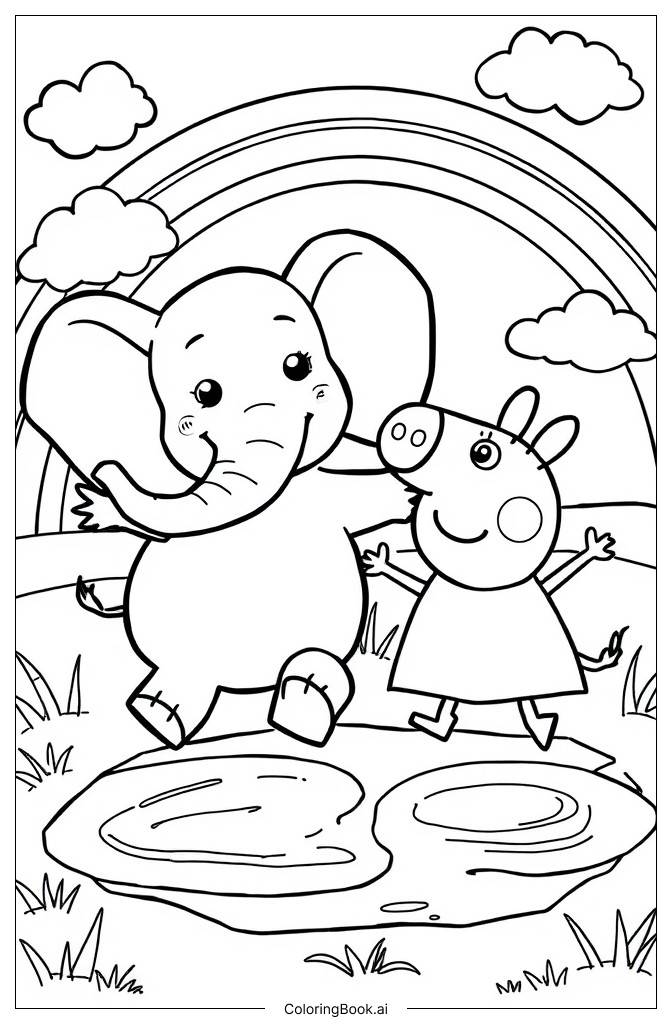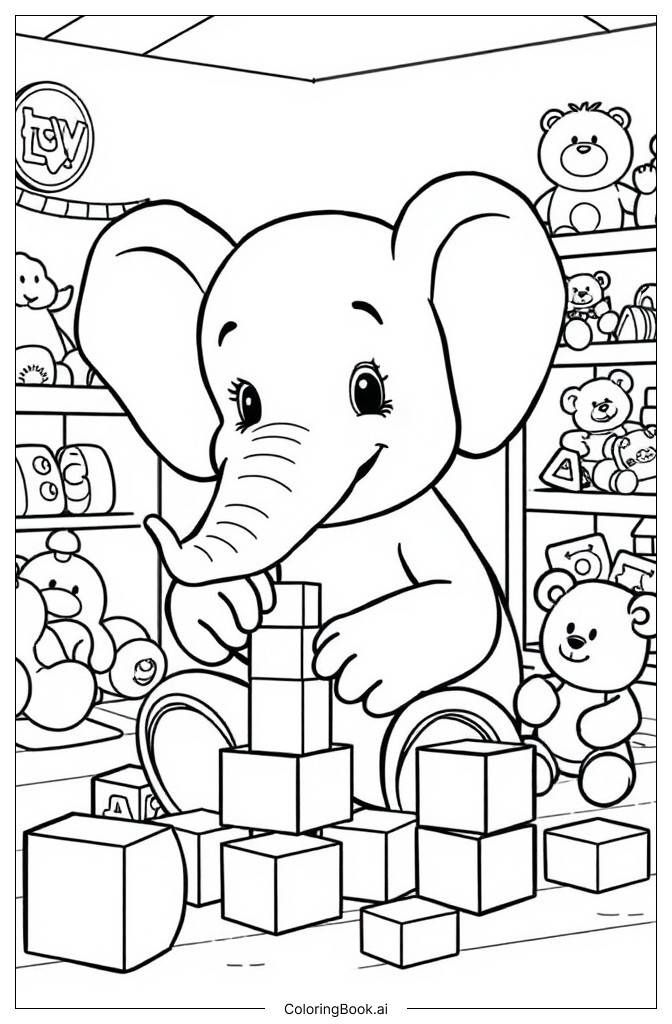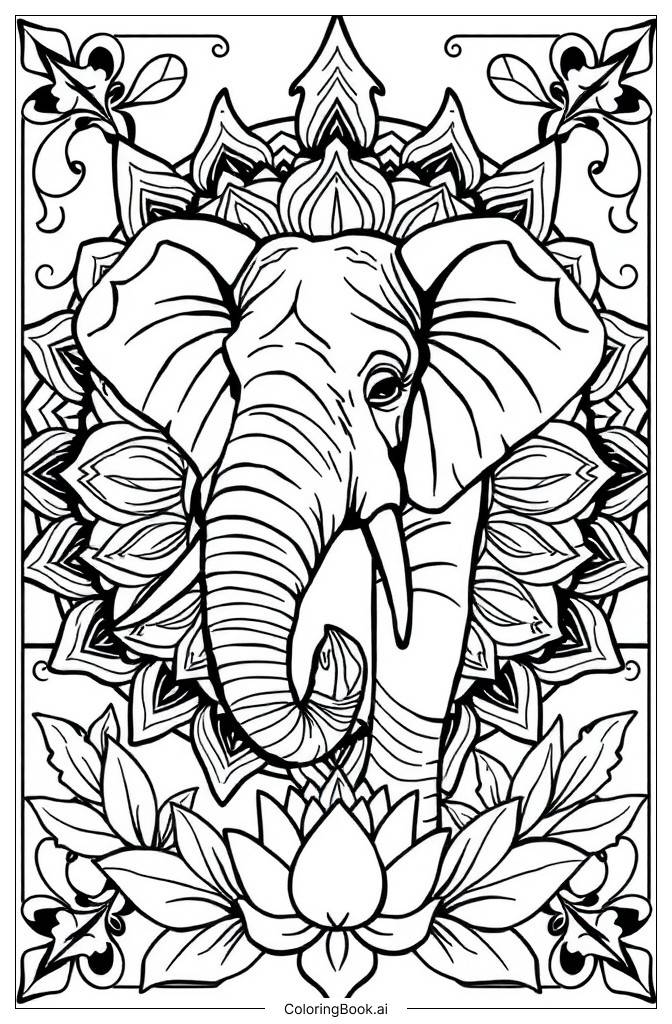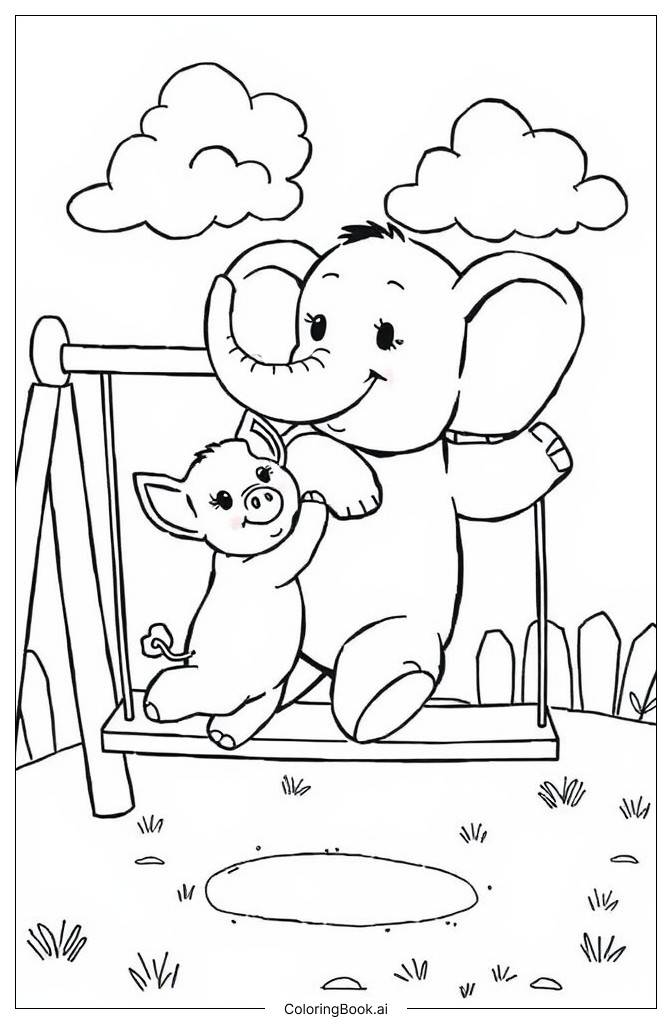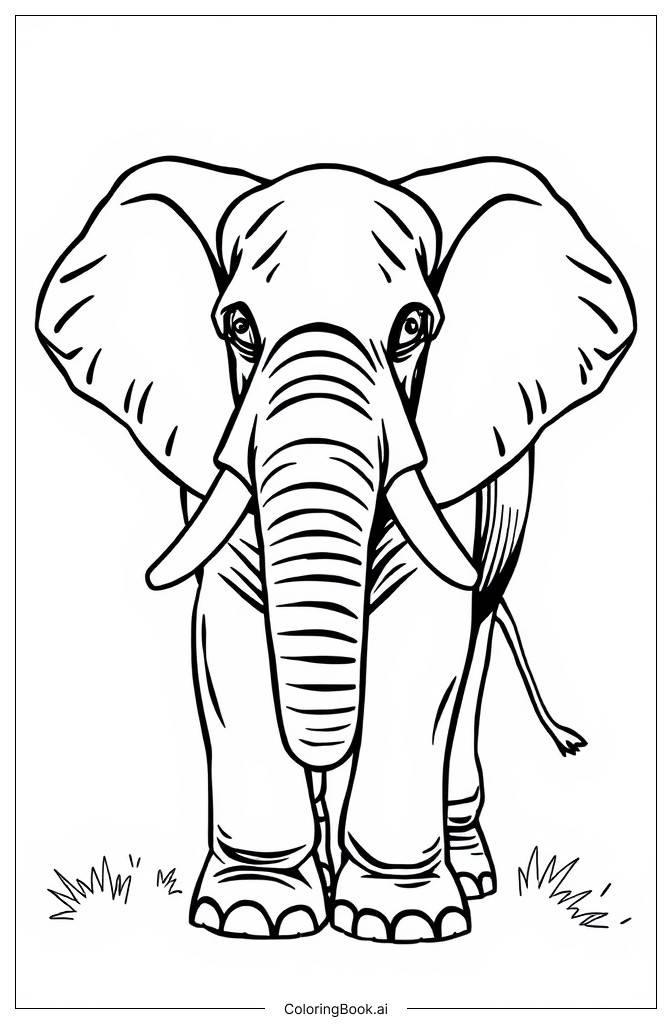
Coloring tips: How to color African Elephant coloring page well?
Start by coloring the elephant with shades of gray, using lighter grays for the skin folds and darker grays for shadowed areas to add depth. The ears and trunk can have subtle touches of pink or light brown to make them stand out. For the background, use greens and browns to color the trees and grass, creating a warm savanna atmosphere. Don't be afraid to add bright colors in the sky, like blues and yellows, to make the scene pop. Encourage exploring different hues gently blending to capture the texture of the elephant’s skin and the natural landscape around it.
Coloring challenges: Which parts are difficult to color and need attention for African Elephant coloring page?
• Skin Texture: The elephant’s skin has many wrinkles and folds which can be tricky to shade realistically without making it look flat or too busy. Achieving the right texture needs careful blending and layering of colors.
• Large Ears: The wide ears have subtle curves and veins that can be hard to capture while keeping the coloring neat and natural.
• Trunk Details: The trunk shows complex lines and shading to reflect its flexibility and strength, which may challenge young colorers to stay within the lines.
• Background Elements: Adding depth to the trees and grass requires balancing multiple greens and browns, which can be difficult to blend smoothly.
• Size Proportions: Coloring the large elephant and comparatively smaller background elements requires attention to scale to keep the scene balanced and realistic.
Benefits of coloring books: Advantages of drawing African Elephant coloring page
Coloring this African Elephant image helps improve fine motor skills as children carefully fill in detailed wrinkles and natural shapes. It encourages observation and creativity while learning about an important animal of the wild. The image promotes focus and patience because of the many complex textures and background elements. Coloring also aids in understanding light and shadow by shading the elephant’s skin. Finally, this activity nurtures an appreciation for wildlife and nature through engaging, artistic play.