Coloring tips: How to color A Rabbit Painting An Easter Egg coloring page well?
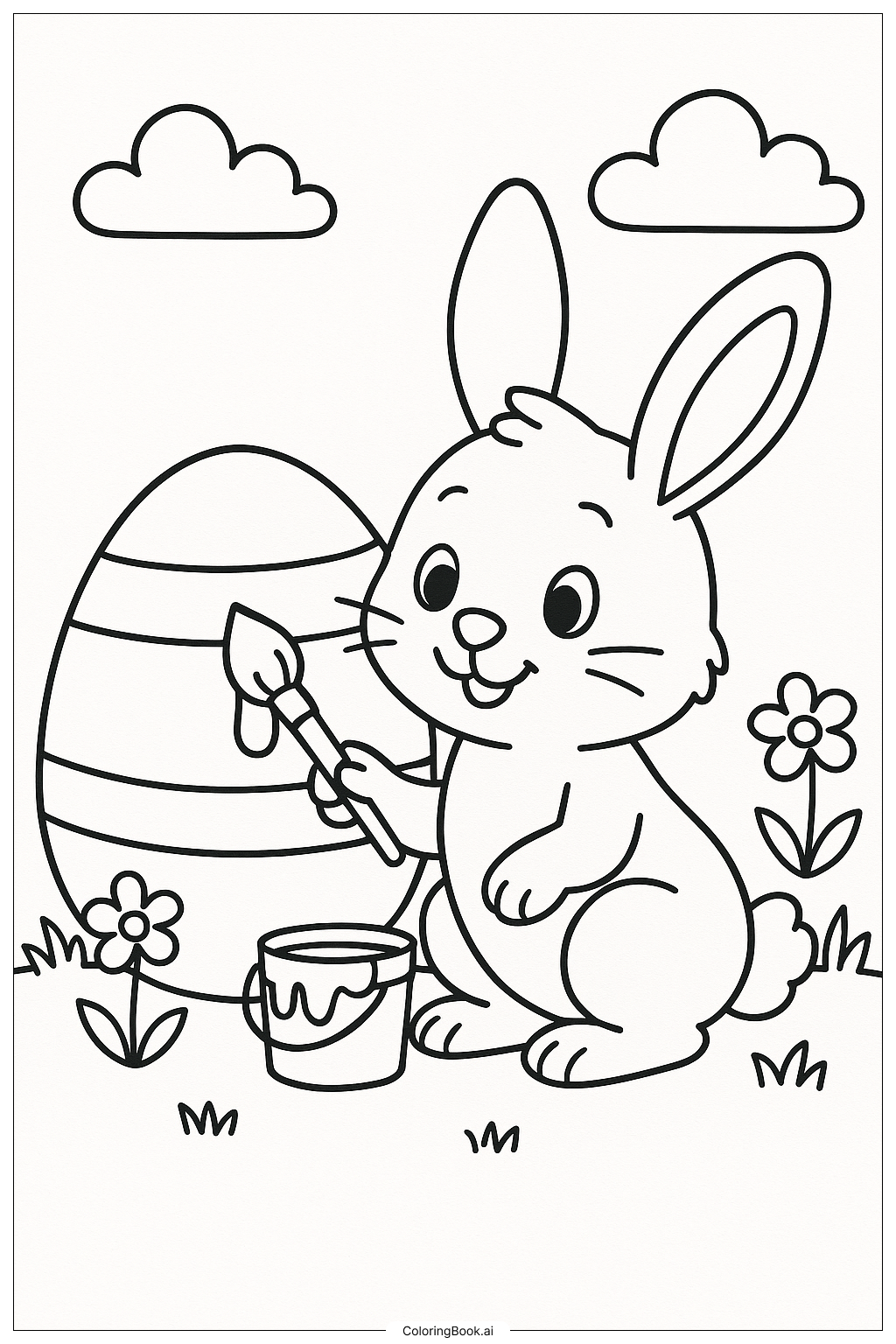
For the rabbit, consider using light brown or gray for its fur, adding darker shades for shadows. The egg can be bright and colorful with shades like blue, pink, yellow, and green for the stripes. Flowers can be painted in various colors like red, pink, and purple. The grass can be a soft green, while the clouds may be a light blue or white. Encourage kids to mix colors as they wish for a unique touch!
Coloring challenges: Which parts are difficult to color and need attention for A Rabbit Painting An Easter Egg coloring page?
1. Painting the rabbit's fur may be tricky since kids need to create a soft look. Using light strokes and different shades can help achieve this effect. 2. The striped egg requires precision when coloring between the lines, especially when using bold colors. Kids should take their time to avoid messy edges. 3. Coloring the flowers can be challenging, as there are many petals to fill in. Kids should focus on one flower at a time. 4. Blending colors for shadows on the rabbit's body can be difficult. Using color pencils instead of markers might help with blending.
Benefits of coloring books: Advantages of drawing A Rabbit Painting An Easter Egg coloring page
Coloring this image offers many benefits for children. It helps improve fine motor skills as they hold crayons or markers and practice control. Moreover, it encourages creativity and self-expression by allowing kids to choose their colors freely. Coloring can also be a relaxing activity, reducing stress and enhancing focus. Children will feel a sense of accomplishment once they complete the picture, boosting their confidence and pride in their artistic abilities.