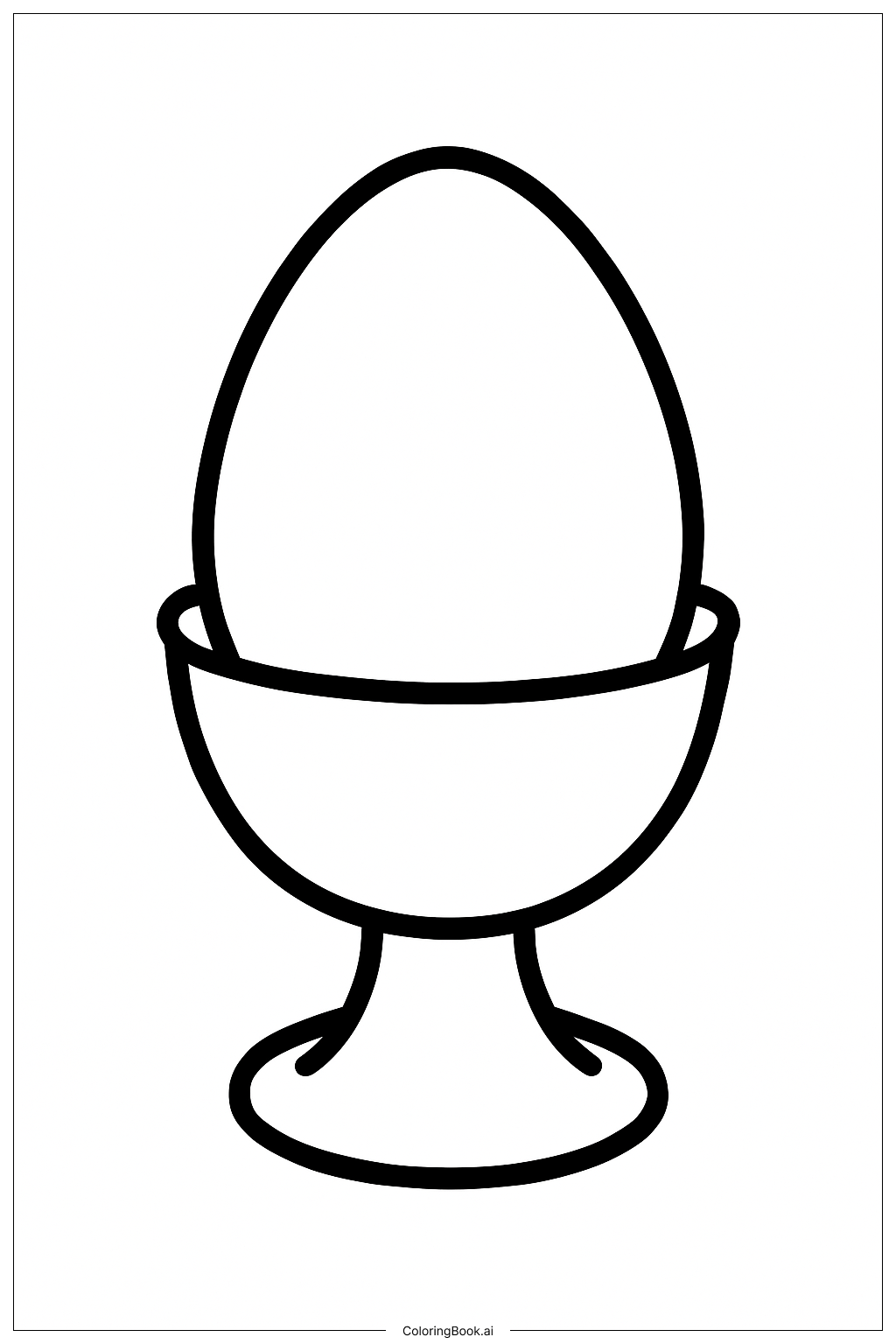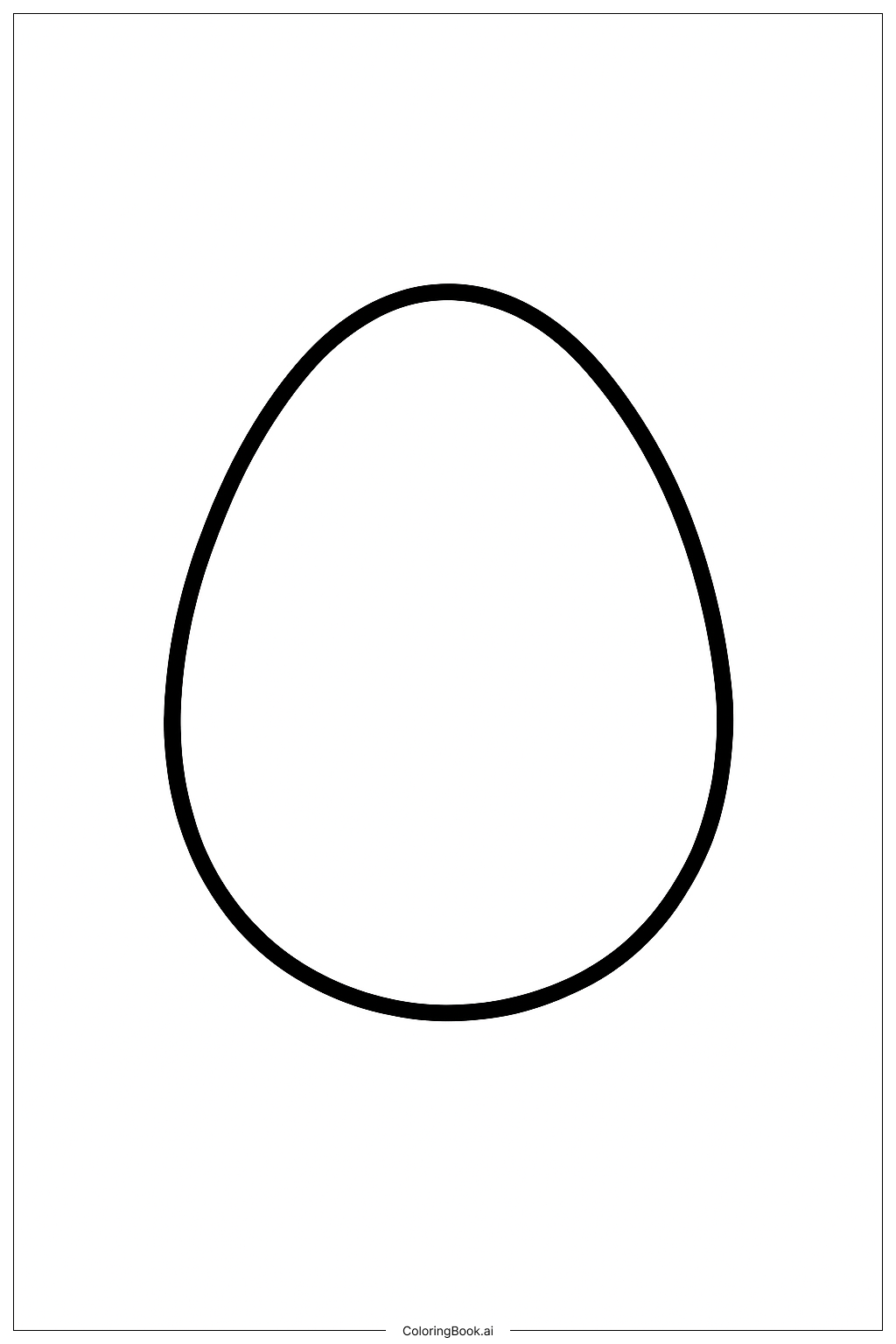
Coloring tips: How to color A Small Quail Egg coloring page well?
Use light colors like soft cream, light tan, or pale blue as a base for the egg. Add small spots or speckles in darker colors such as brown, dark beige, or black to show the quail egg’s natural pattern. You can create tiny dots with markers or colored pencils. Try shading the egg gently to give it a round and three-dimensional look. Using different shades of the same color can make it look more realistic. Don’t be afraid to use creativity and mix colors to decorate your egg in special ways!
Coloring challenges: Which parts are difficult to color and need attention for A Small Quail Egg coloring page?
1. Coloring inside the smooth oval shape can be challenging for young kids who are still developing fine motor skills. Keeping the color inside the line takes patience and control.
2. Creating natural-looking speckles needs careful dotting with small and neat spots. It can be hard to place the dots evenly.
3. Adding shading to the egg for a 3D effect requires blending colors smoothly. This skill might be difficult for beginners.
4. Choosing the right colors to match a quail egg can be tricky because they have unique colors and spots.
5. Balancing between natural look and creative decoration may be confusing for some kids. They may struggle to decide how realistic or imaginative to make their egg.
Benefits of coloring books: Advantages of drawing A Small Quail Egg coloring page
Coloring this egg picture helps kids improve their hand-eye coordination and fine motor skills. It encourages focus and patience while working inside the smooth outlines. Creating speckles and shading enhances their attention to detail. It also sparks creativity by allowing children to choose colors and patterns freely. Coloring eggs relates to nature and biology, which can inspire curiosity about animals and life. This activity is calming and fun, making it a great way for kids to relax and express themselves.