Coloring tips: How to color Dragon Swimming In Ocean Waves coloring page well?
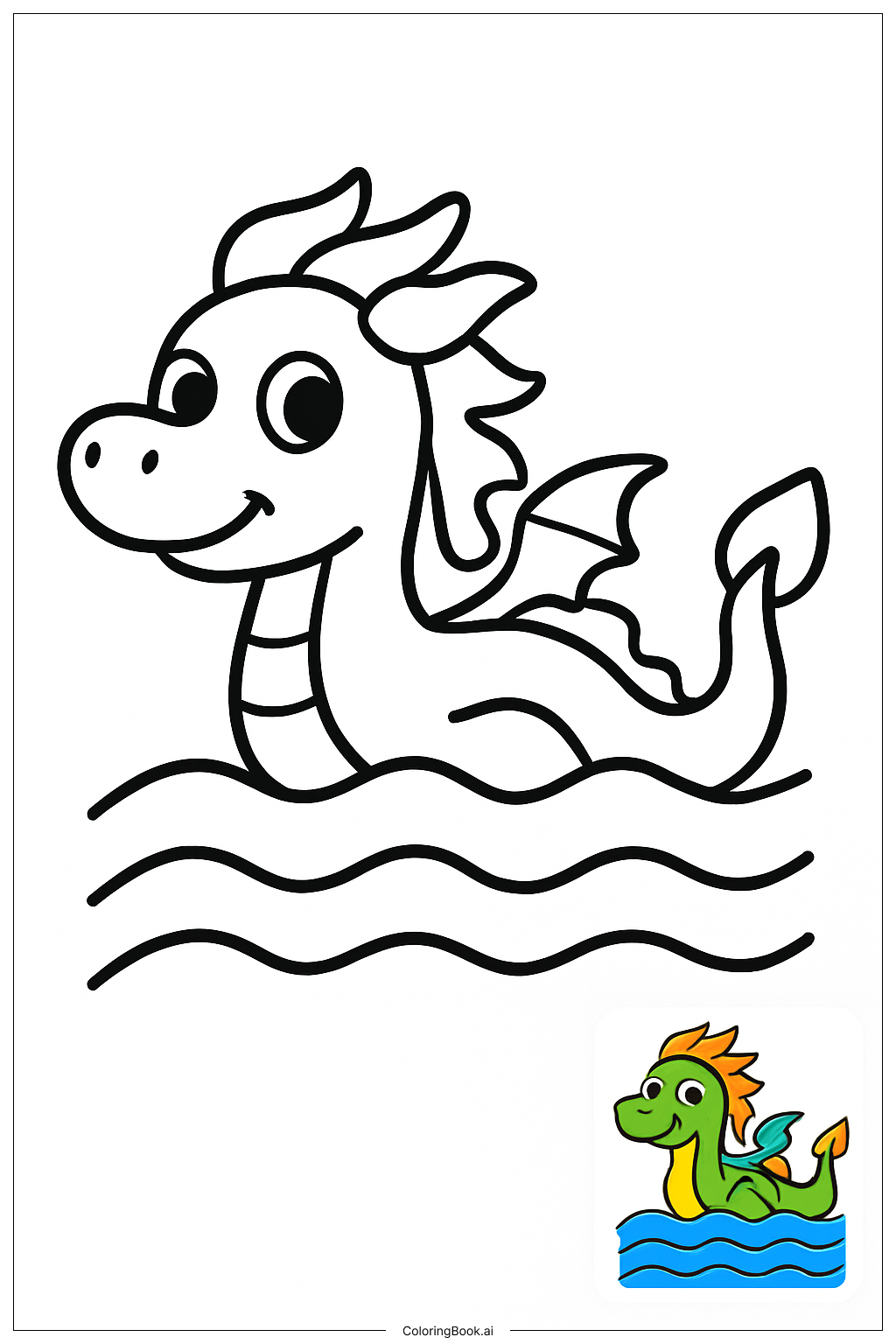
Start with the ocean waves. Use shades of blue, teal, and aqua to bring the water to life. Add white at the wave tips to show foam and splashing. For the dragon's body, you can choose classic green scales with darker green shading on the edges, or go bold with purple, gold, or deep red. Use a slightly darker tone on the undersides of scales to give them a 3D look. The wings can be colored in a warm tone like orange or amber to contrast with the cool ocean. Try adding bright yellow or white highlights to the dragon's eyes to make them glow. Keep the background waves in cooler tones so the dragon stands out. Feel free to mix colors and experiment — this is your dragon!
Coloring challenges: Which parts are difficult to color and need attention for Dragon Swimming In Ocean Waves coloring page?
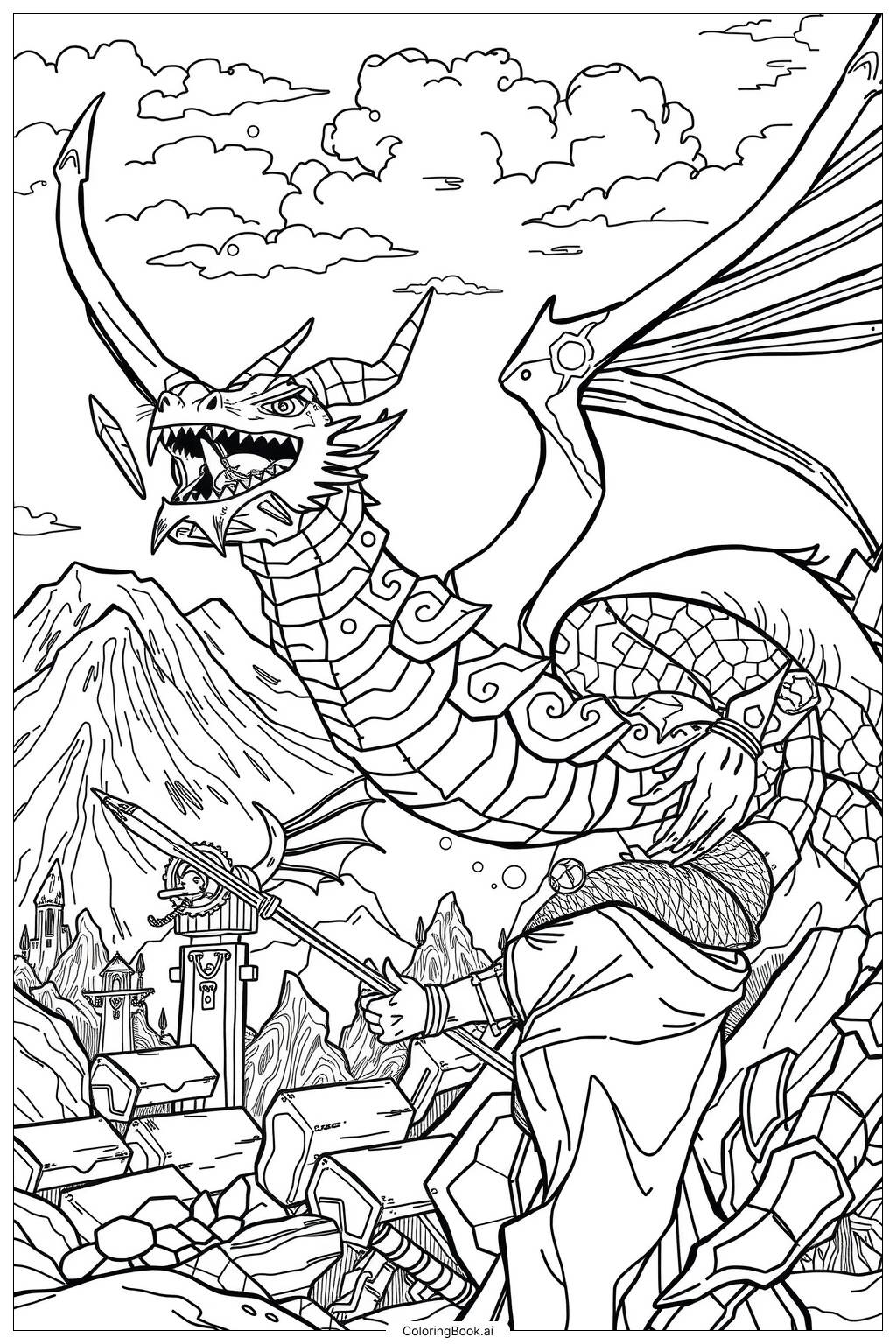
• Scale Patterns: The dragon's body is covered in many overlapping scales. Each scale is a small curved shape, and coloring them one by one takes patience. To make them look realistic, you need to use at least two shades of the same color — a lighter tone in the center of each scale and a darker tone along the edges. Rushing through this section may make the body look flat and undetailed.
• Wave Details: The ocean waves are full of curved lines, swirls, and splashing foam. It can be hard to decide where one wave ends and another begins. Keeping the water looking natural while using multiple shades of blue and teal requires careful blending and a steady hand, especially in the areas where the dragon and waves overlap.
• Wing Texture: The dragon's wings have thin membranes stretched between bony ridges. Coloring the ridges darker and the membrane sections lighter helps show depth and structure. This area requires careful attention to avoid coloring outside the fine lines, which can be tricky for younger colorists.
• Dragon and Water Overlap: Where the dragon's body dips into and rises out of the waves, the two elements blend together. Keeping the dragon's color clearly separate from the water color in these zones is a real challenge. Planning your color palette in advance so the dragon and ocean contrast well is important.
• Facial Details: The dragon's face has small features — eyes, nostrils, horns, and teeth — packed into a relatively small area. Using fine-tipped colored pencils or thin markers works best here to stay within the lines and add expressive detail.
Benefits of coloring books: Advantages of drawing Dragon Swimming In Ocean Waves coloring page
Coloring this dragon and ocean scene offers a wonderful mix of fun and learning. For kids, filling in the dragon's scales builds fine motor skills and teaches patience, since careful, repeated movements help develop hand control and coordination. Choosing colors for the dragon and the waves encourages creative thinking and sparks the imagination — there is no wrong answer when it comes to what color a dragon should be!
Working through a complex scene like this also helps children practice focus and concentration. Staying within detailed lines, managing large areas like the waves, and planning a color palette all exercise important cognitive skills.
For older kids and teens, blending colors and adding shading to the scales and wings introduces basic art concepts like depth and contrast. It is a satisfying way to build confidence in artistic ability.
Beyond the skills, coloring is genuinely relaxing. It gives kids a calming, screen-free activity that reduces stress and brings a sense of accomplishment when the page is complete. Sharing the finished artwork is also a great way to build pride and spark conversations about dragons, myths, and ocean life. Overall, this page is both entertaining and enriching for a wide range of ages.