Coloring tips: How to color Dragon Training Lesson coloring page well?
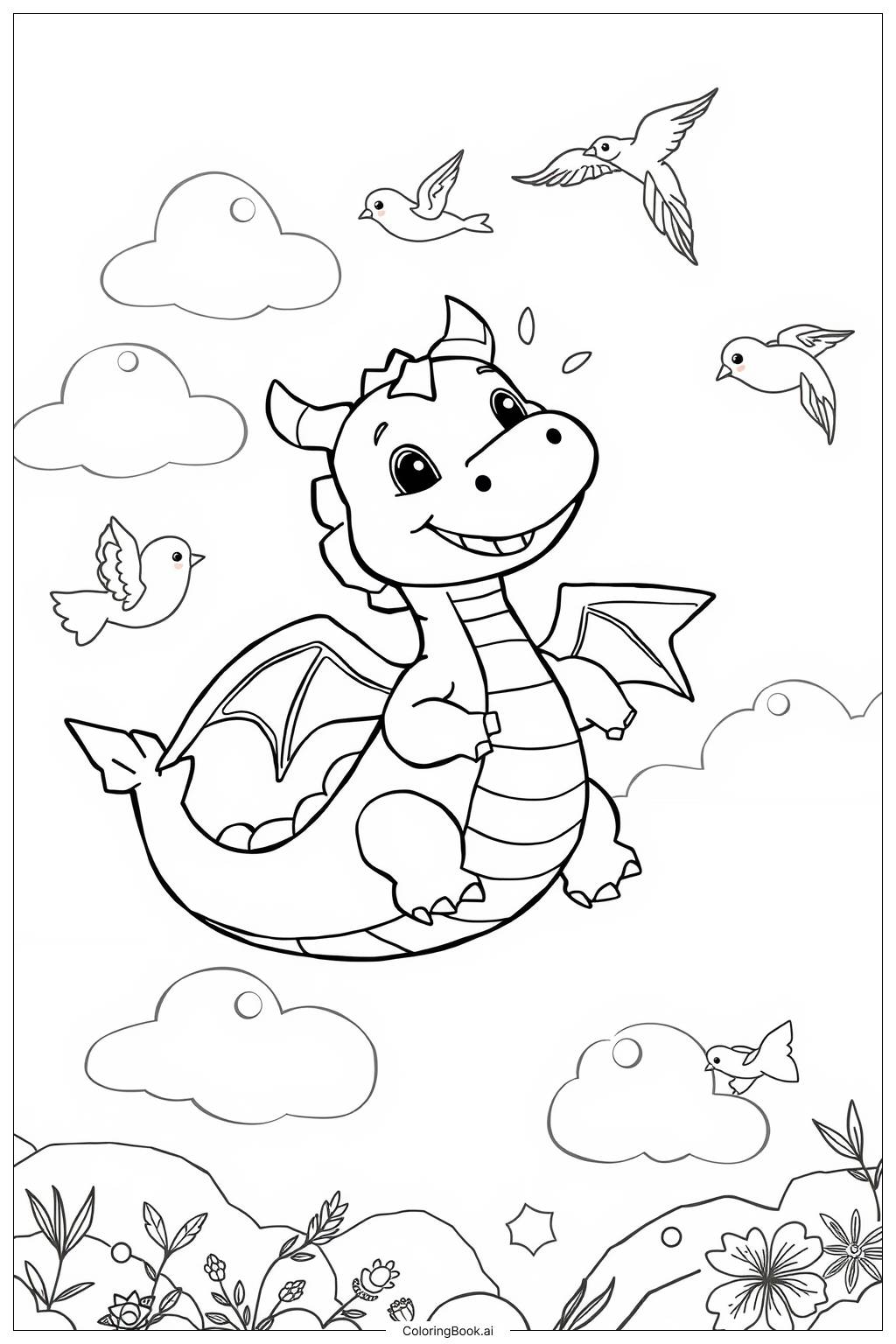
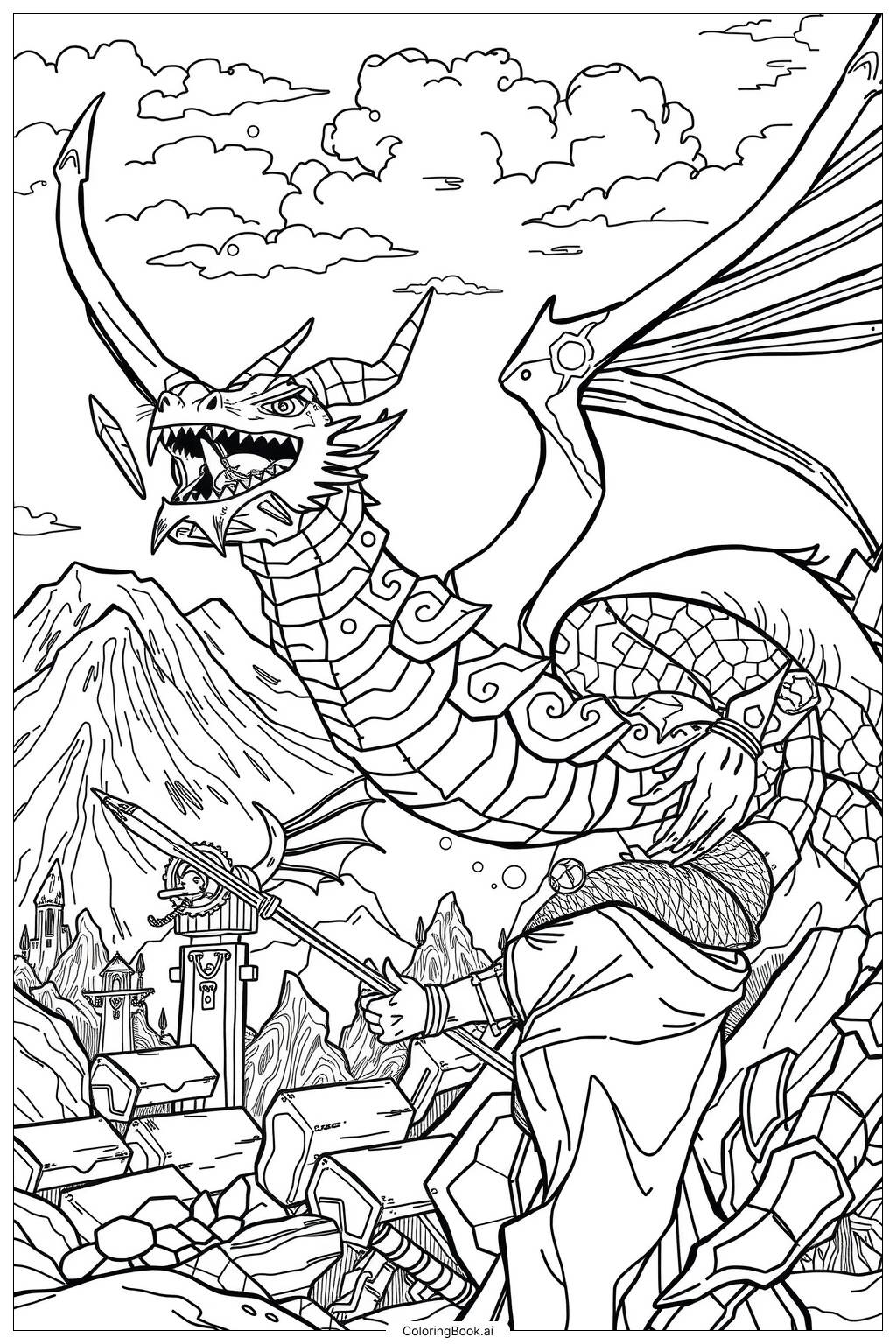
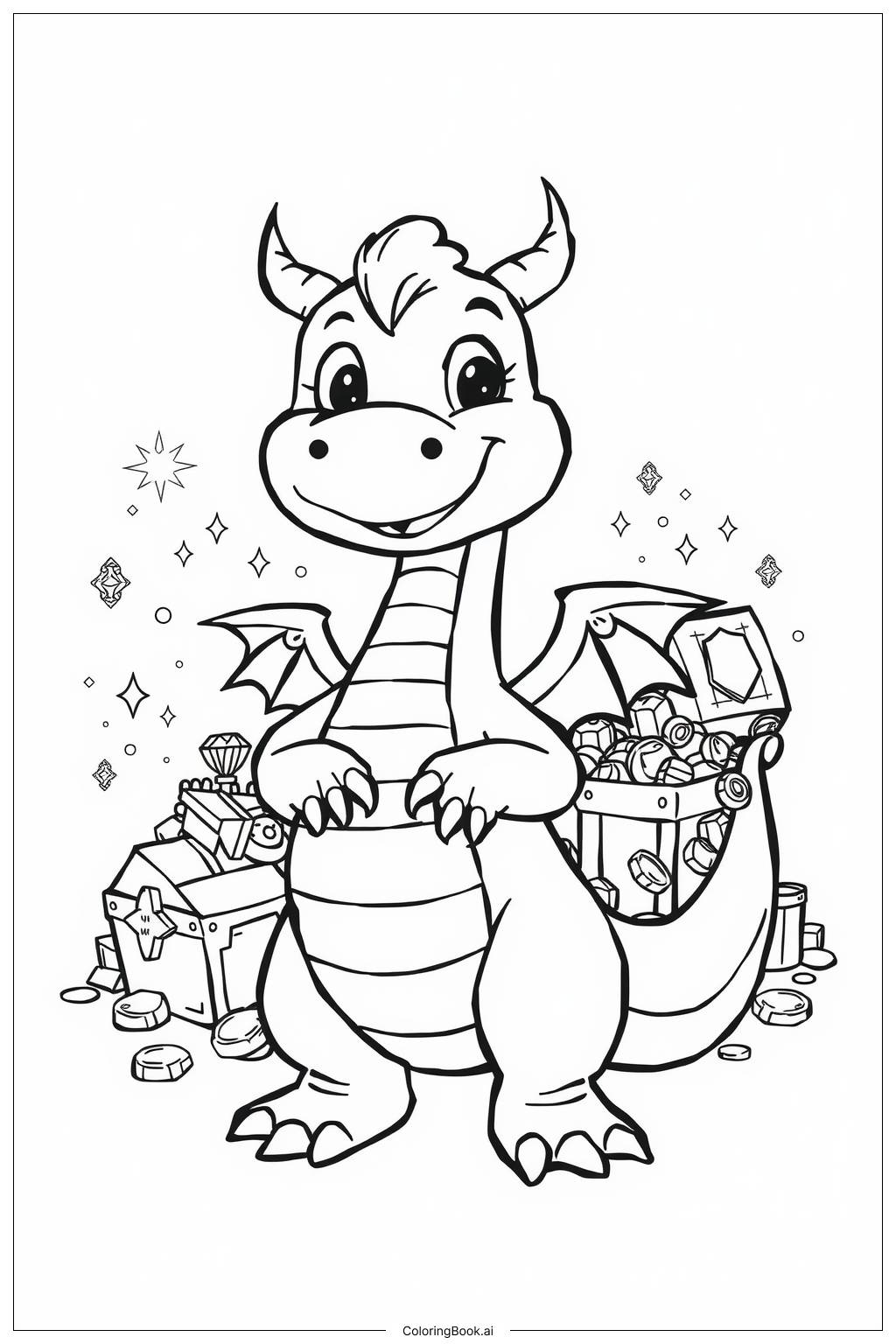
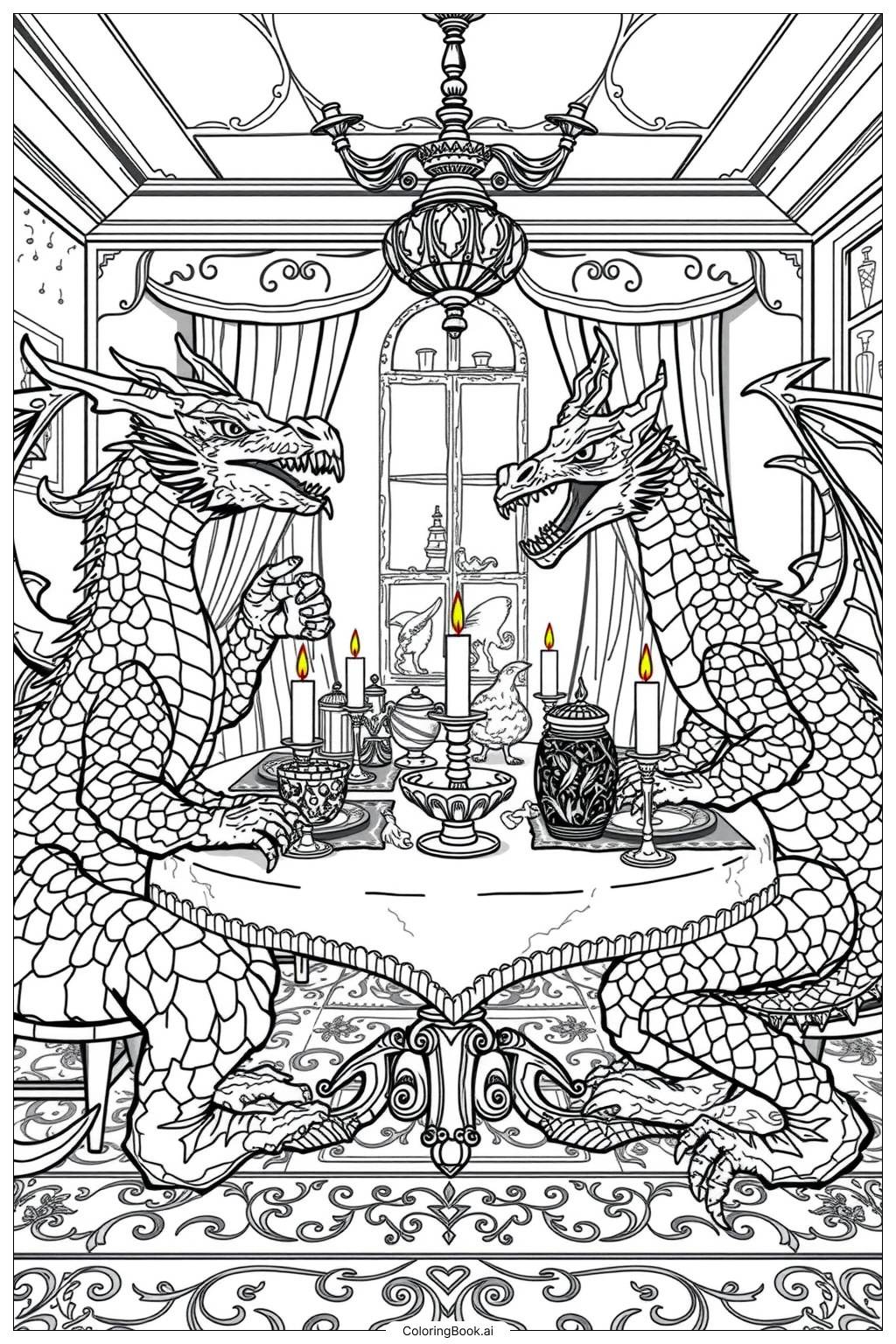
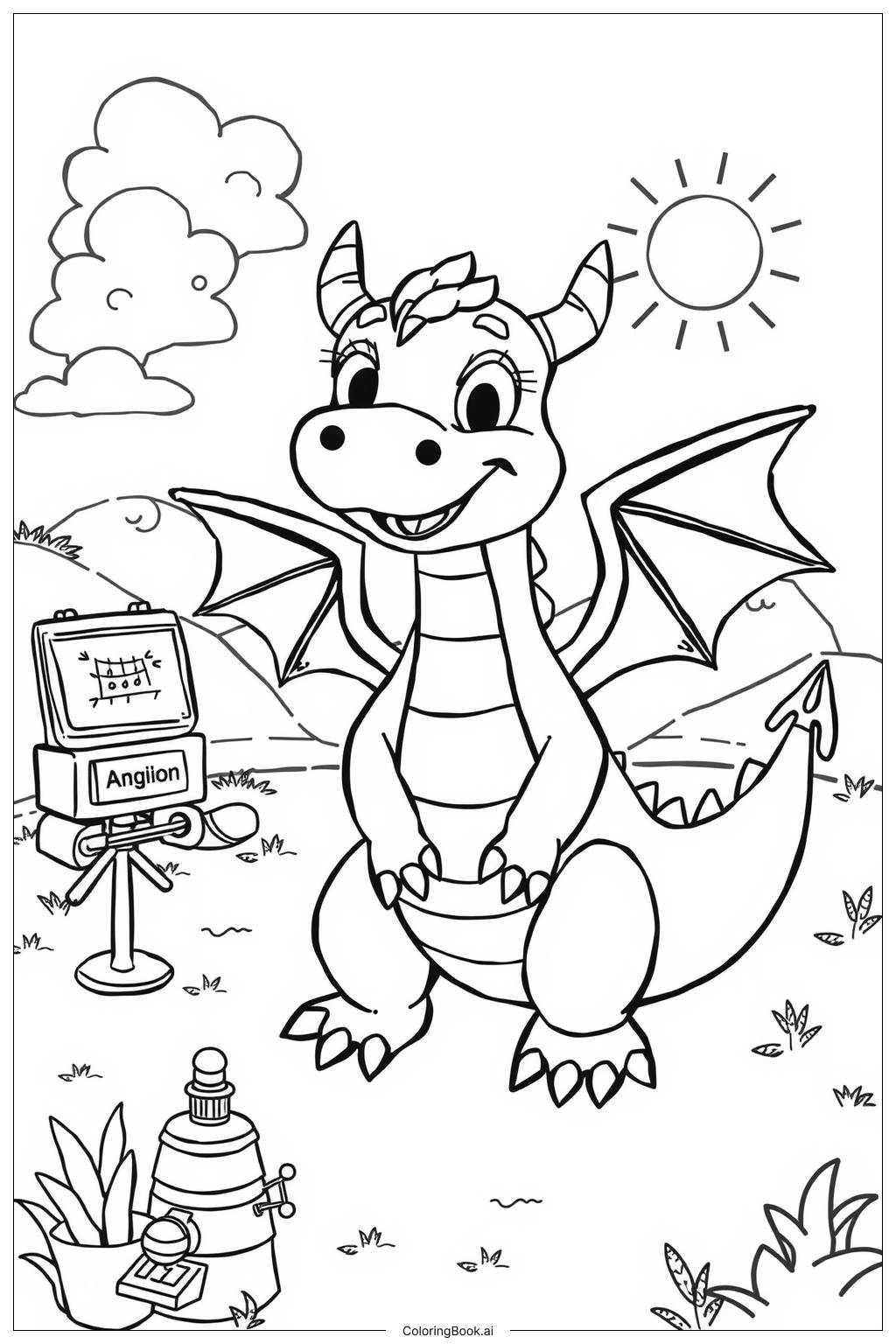
Start with the dragon's body using shades of green, teal, or deep purple for a classic fantasy look. Use lighter tones on the belly and darker shades on the back to give the scales a sense of depth. The wings can be colored in a semi-transparent style using warm oranges or reds with thin yellow highlights along the edges. For the trainer, choose earthy tones like brown and tan for the clothing, and warm skin tones for the face and hands. Use a bold color for any accessories or armor details to make them stand out. The background can use soft blues and greens for sky and grass, or warm sunset colors for a dramatic feel. Encourage kids to mix colors freely and make the dragon their own — there are no wrong choices in a fantasy world!
Coloring challenges: Which parts are difficult to color and need attention for Dragon Training Lesson coloring page?
• Dragon Scale Texture: The dragon's body is covered in overlapping scales, each one a small curved shape. Coloring each scale individually takes time and patience. To keep it consistent, try using one base color and then adding a slightly darker shade along the bottom edge of each scale to create a natural shadow effect. This makes the dragon look more three-dimensional without needing many different colors.
• Wing Membrane Details: The wings have thin stretched membranes with visible ridges or veins running through them. These narrow spaces between the ridges are tricky to color neatly without going outside the lines. A fine-tipped marker or a sharpened colored pencil works best here. Using a gradient from dark at the edges to light in the middle can make the wings look glowing and alive.
• Trainer's Clothing Folds: The trainer's outfit has several layers and folds in the fabric. Each fold creates a light and shadow area that requires two or three tones of the same color to look realistic. Children may find it helpful to first pick their main color, then use a darker version for the shadow areas inside the folds.
• Small Face and Expression Details: Both the trainer's face and the dragon's face have small expressive features like eyes, eyebrows, and a mouth. These tiny areas need careful, light coloring to avoid covering the outlines. Using very light pressure or thin tools helps keep the expressions clear and lively.
• Background Depth: The background includes landscape elements like rocks, ground, and distant scenery. Using lighter, cooler colors for far-away elements and stronger colors up close will help create a feeling of distance and space in the scene.
Benefits of coloring books: Advantages of drawing Dragon Training Lesson coloring page
Coloring this Dragon Training Lesson page brings a wide range of benefits for children and young artists. First, it sparks imagination and creative thinking. Kids get to decide what their dragon looks like — the colors, the mood, and the world it lives in. This kind of open-ended creativity builds confidence and self-expression.
Second, the detailed outlines of scales, wings, and clothing help children develop fine motor skills. Staying within the lines and switching between small and large areas trains hand control and coordination, which also supports handwriting development.
Third, focusing on a detailed coloring page encourages concentration and patience. Completing a full scene like this gives children a real sense of accomplishment and builds the habit of seeing a task through from start to finish.
Fourth, the fantasy theme introduces kids to storytelling and world-building. As they color, they naturally start imagining the story behind the trainer and the dragon — building language skills, empathy, and narrative thinking.
Finally, coloring is a calming, low-pressure activity that helps reduce stress and anxiety. It gives children a quiet moment to slow down, breathe, and enjoy the process of creating something beautiful. It is a great activity for both solo focus time and group creative sessions.