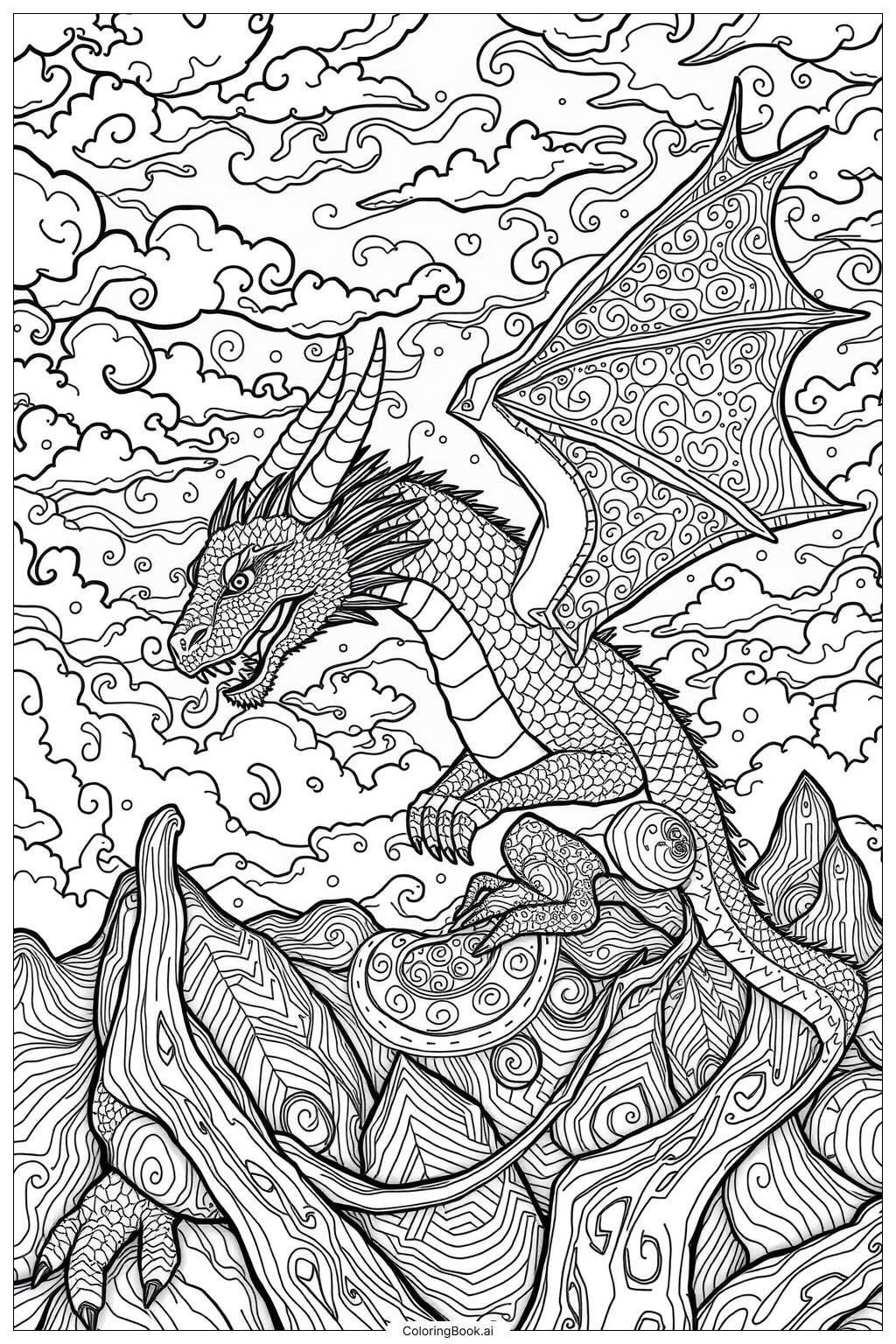
Coloring tips: How to color Dragon First Flight coloring page well?
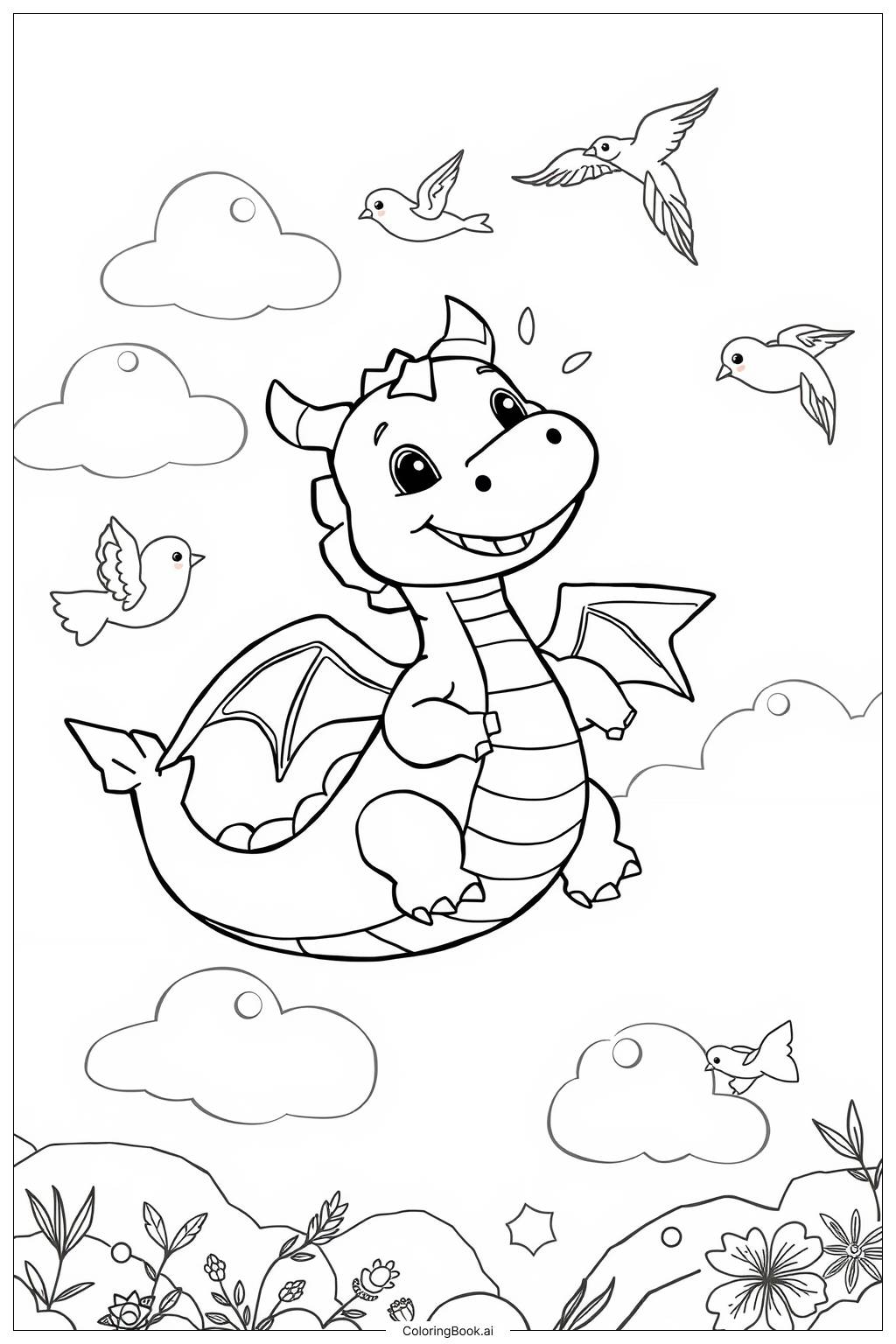
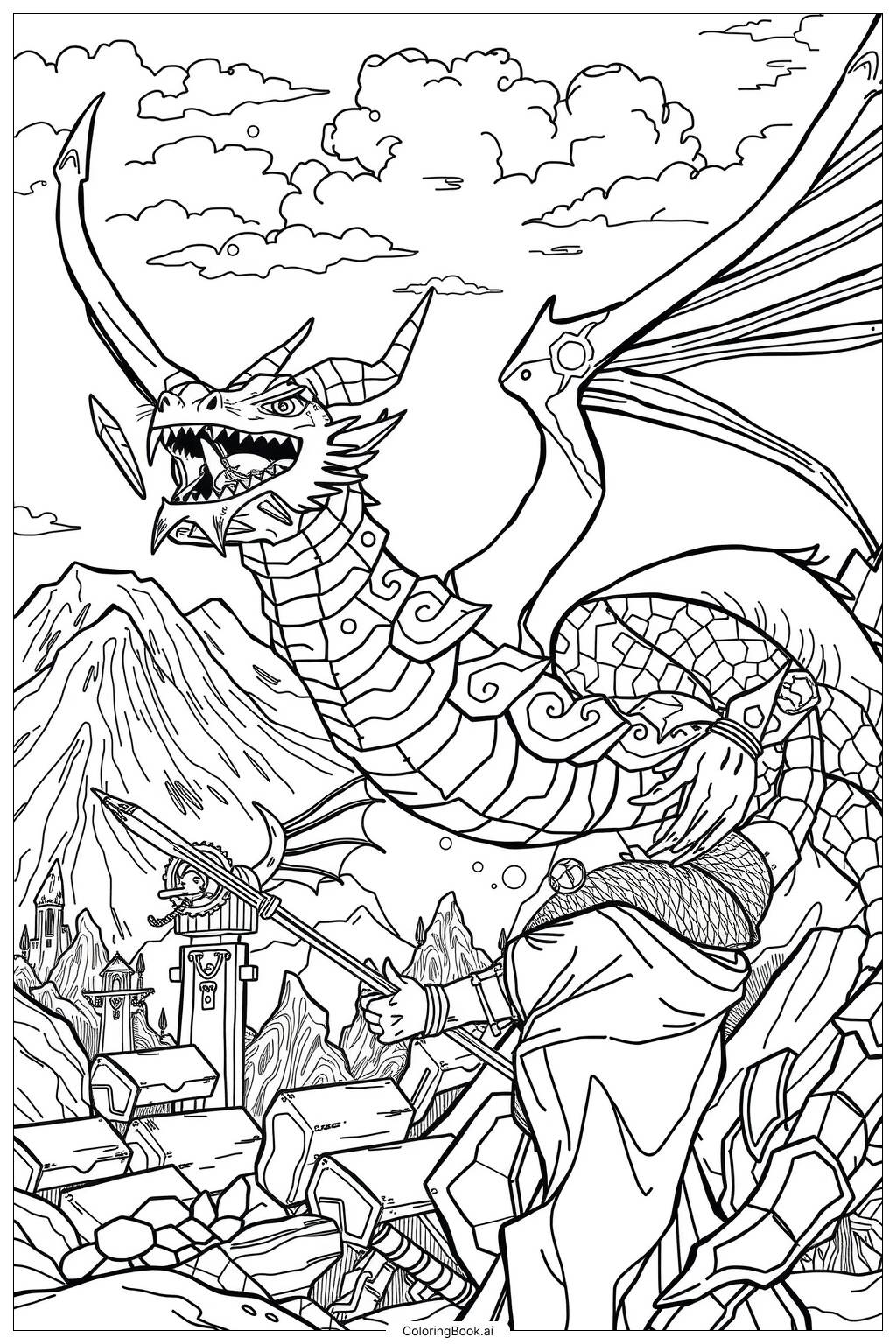
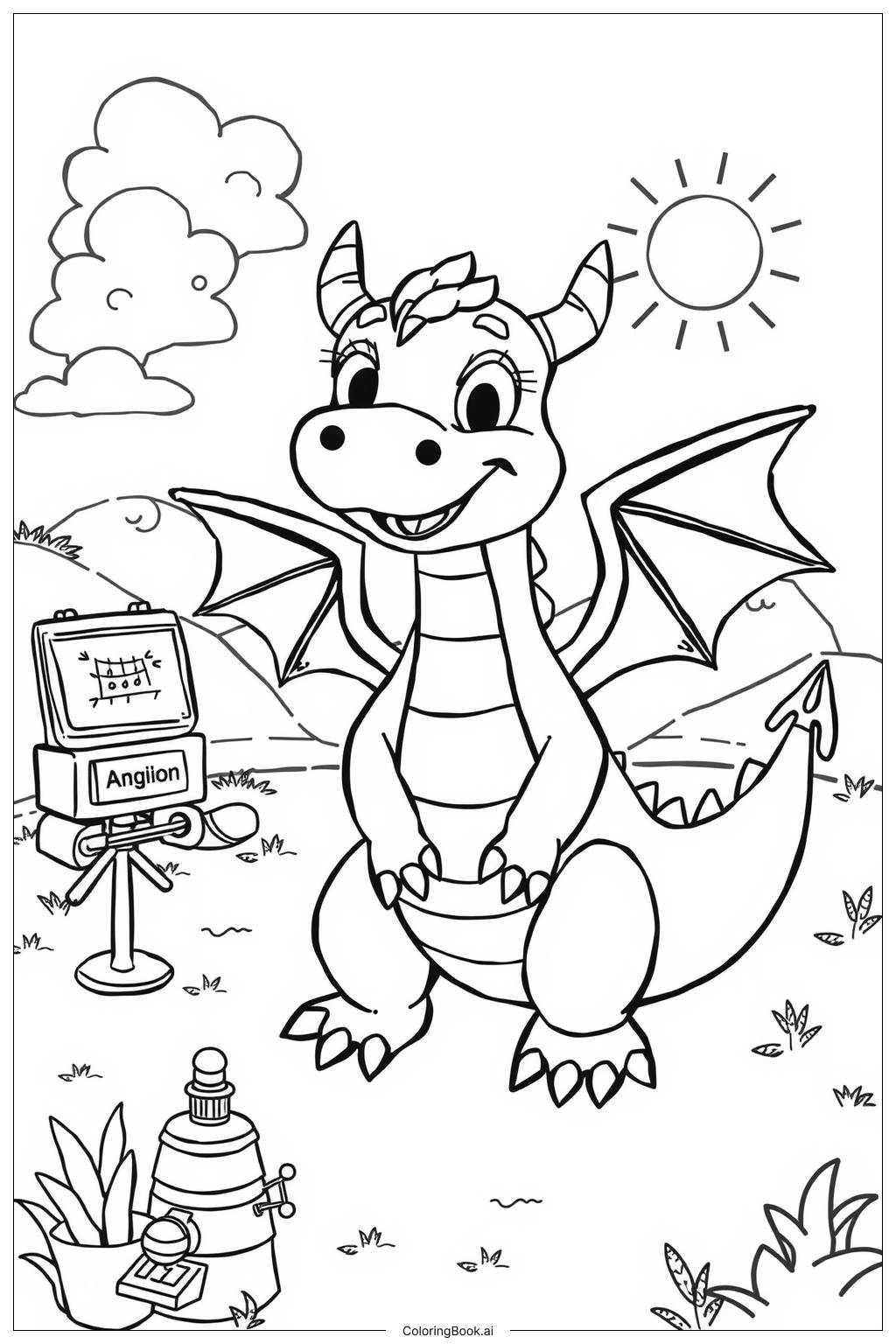
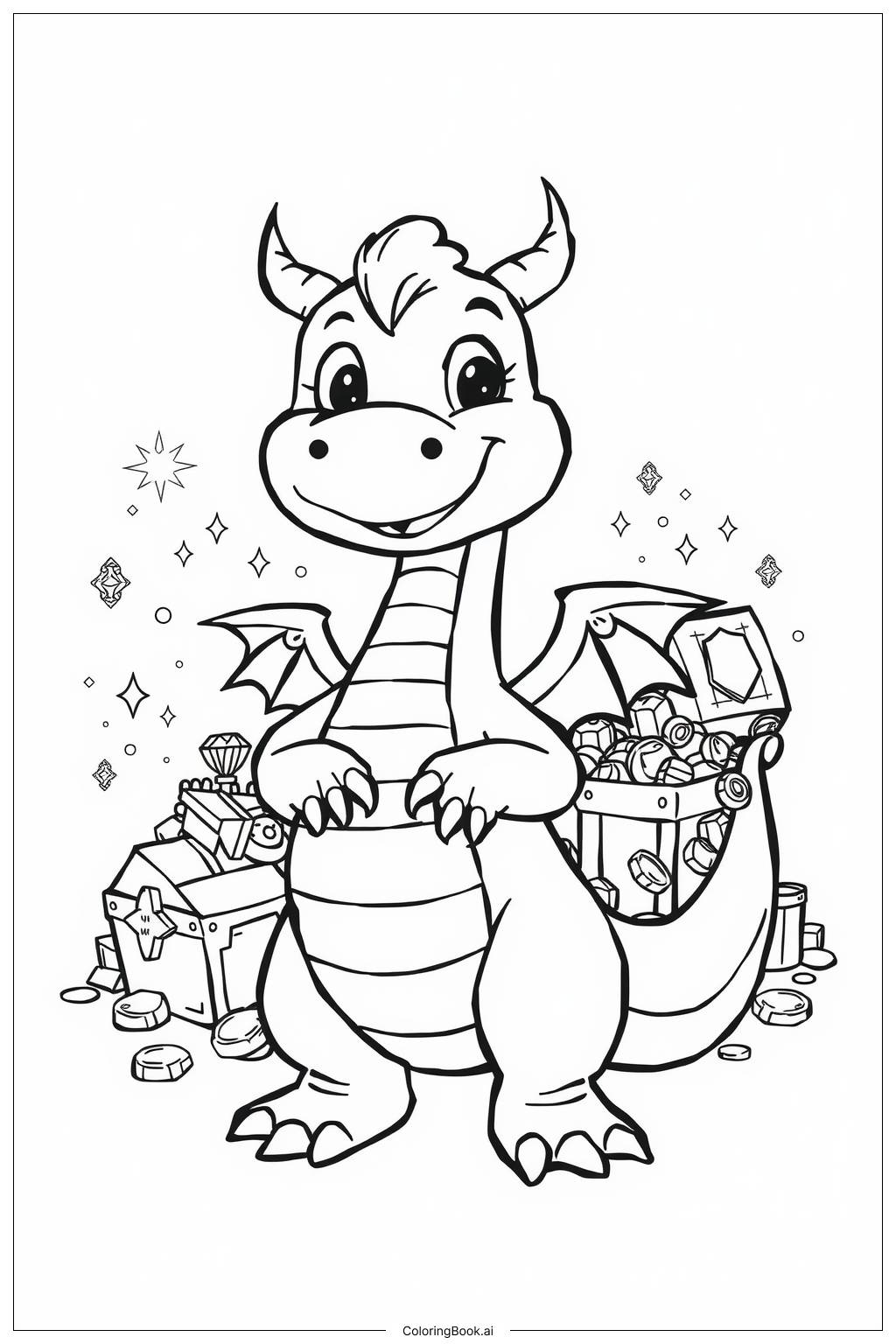
Start with the dragon's body and choose a base color that feels magical, such as emerald green, deep blue, or rich purple. Use a slightly darker shade of the same color for the scales to give them depth and texture. The wings can be colored in a lighter, more translucent tone, like pale gold or soft teal, to show that light passes through them. Add warm orange or yellow to the belly for contrast. Color the eyes a bright, glowing shade like amber or electric blue to bring the dragon to life. The spines along the back look great in a bold accent color, such as red or silver. For the background, use soft blues and whites for the sky and clouds, and layer greens and browns for the hills and trees below. Try blending colors gently to create smooth transitions and give the scene a sense of movement and energy.
Coloring challenges: Which parts are difficult to color and need attention for Dragon First Flight coloring page?
• Scale Patterns: The dragon's body is covered in rows of overlapping scales. Each scale is small and curved, making it challenging to color them individually without going outside the lines. Patience is key, and using a fine-tipped colored pencil or marker will help keep each scale neat and defined.
• Wing Transparency: The wings have a thin, membrane-like texture with visible veins running through them. Capturing the look of translucency requires careful blending of light and slightly darker tones in the same color family, which can be tricky for younger colorists.
• Depth and Shading: Creating a sense of three-dimensional form on the dragon's body, wings, and face requires adding shadows and highlights. Without shading, the dragon can look flat. Adding darker tones along the underside and lighter tones along the top edges gives the dragon a rounded, realistic appearance.
• Background Detail: The landscape below includes clouds, hills, and distant mountains. These elements overlap and require different color zones that should not bleed into each other. Keeping clean borders between the sky, clouds, and ground details takes steady hands and careful attention.
• Small Details on the Face and Claws: The dragon's facial features, including its eyes, nostrils, and teeth, are small but important for expression. The claws also have fine outlines and curved tips. These tiny areas require precise coloring tools and a careful approach to avoid smudging or going outside the lines.
Benefits of coloring books: Advantages of drawing Dragon First Flight coloring page
Coloring this Dragon First Flight page offers a wide range of benefits for children and young artists. The intricate scale patterns help develop fine motor skills and hand-eye coordination as colorists practice staying within small, detailed spaces. Choosing colors for a fantastical creature encourages creative thinking and imaginative expression, since there are no rules about what colors a dragon should be. Children are free to experiment boldly.
The scene also introduces basic concepts of shading and depth in a fun and approachable way. Trying to make the wings look transparent or giving the scales a three-dimensional look gently introduces artistic techniques that build visual awareness over time.
Working through a complex, multi-element image like this one builds focus and patience. Completing the dragon, its details, and the full background gives a strong sense of accomplishment that boosts confidence and self-esteem.
For imaginative children, this page can also spark storytelling. Where is the dragon flying? What adventure awaits it? These questions turn a coloring activity into a full creative experience. Overall, this page is both a fun challenge and a rewarding artistic journey for Boys, Girls, and Adults alike.