Coloring tips: How to color Doubting Thomas with Thought Cloud coloring page well?
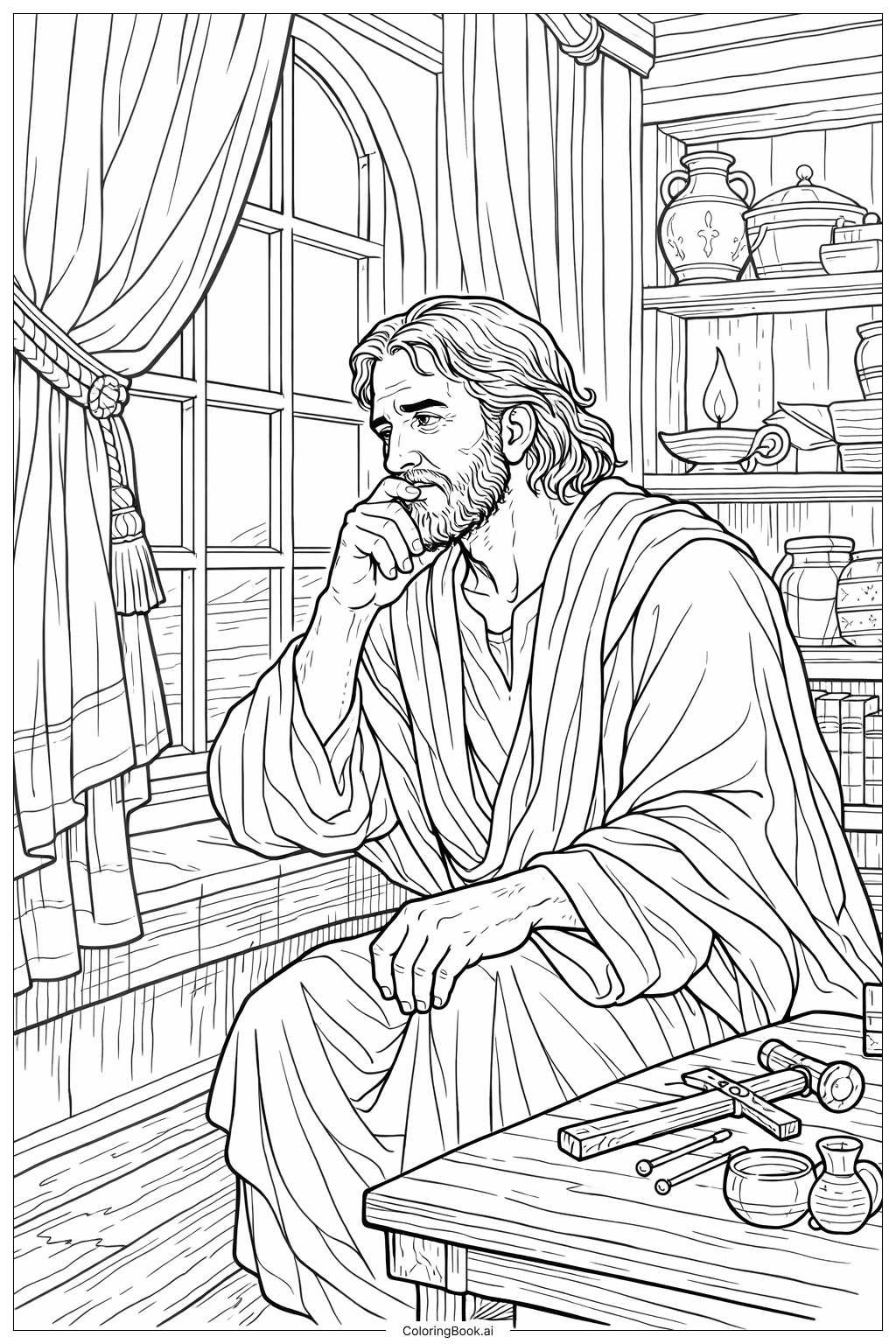
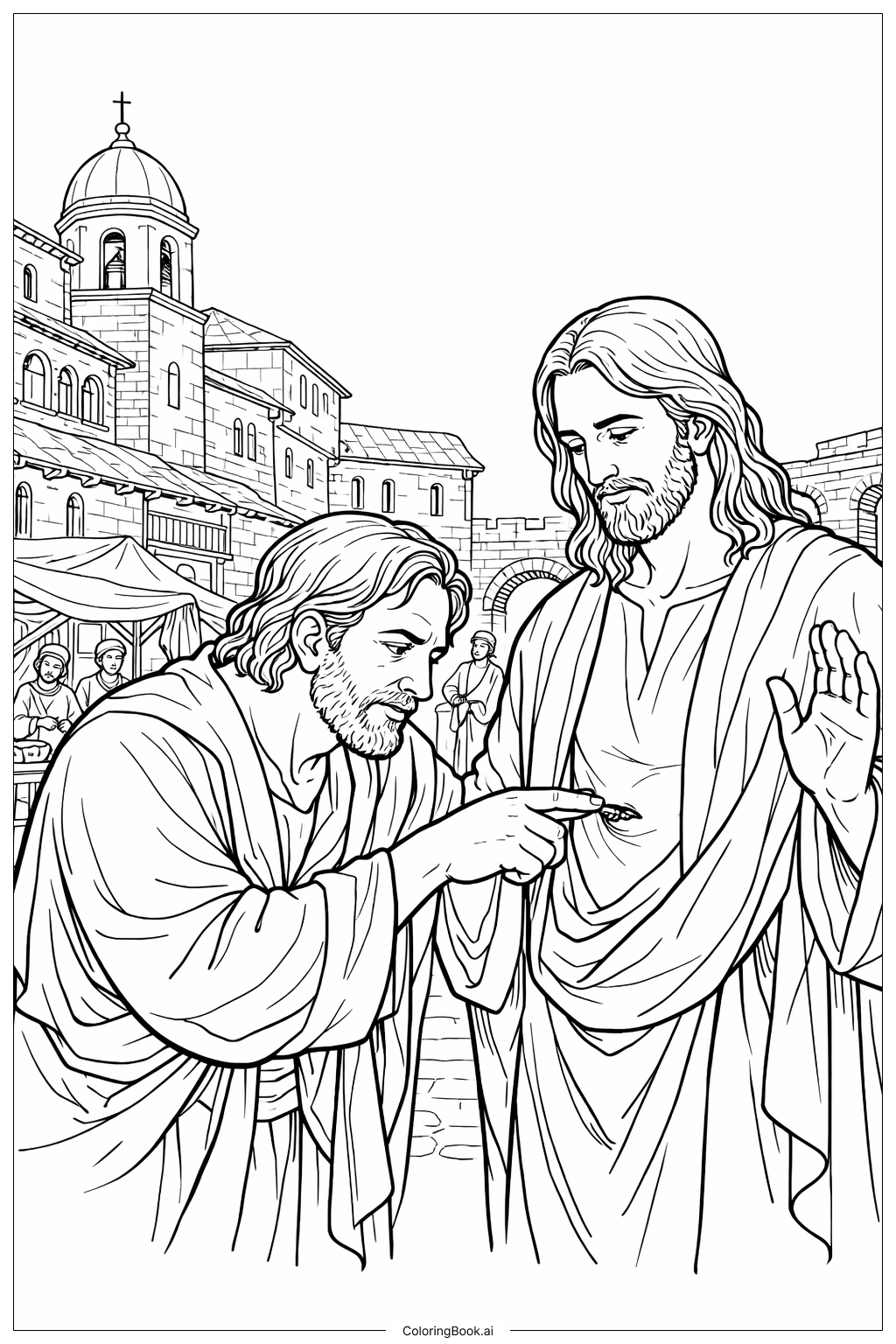
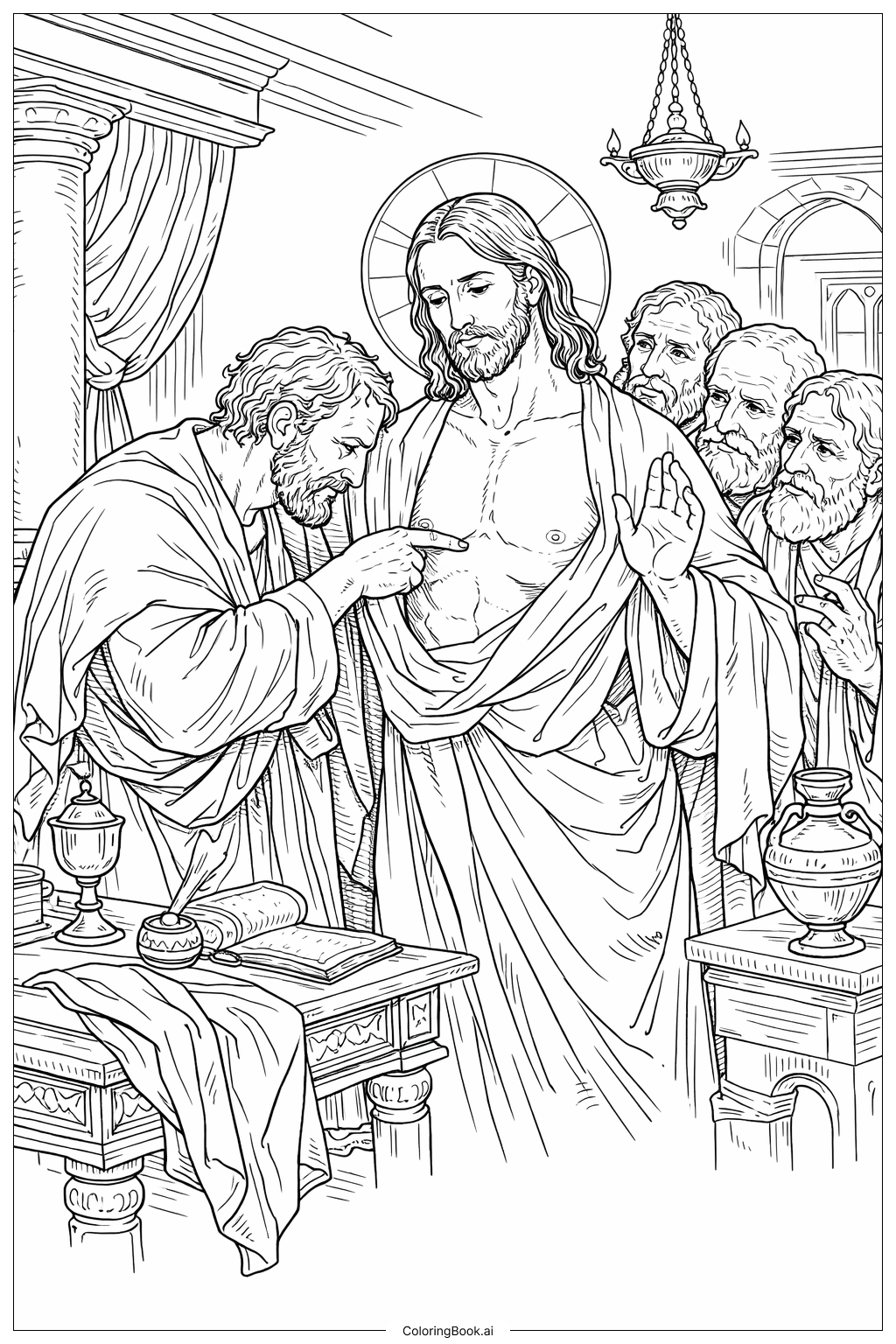
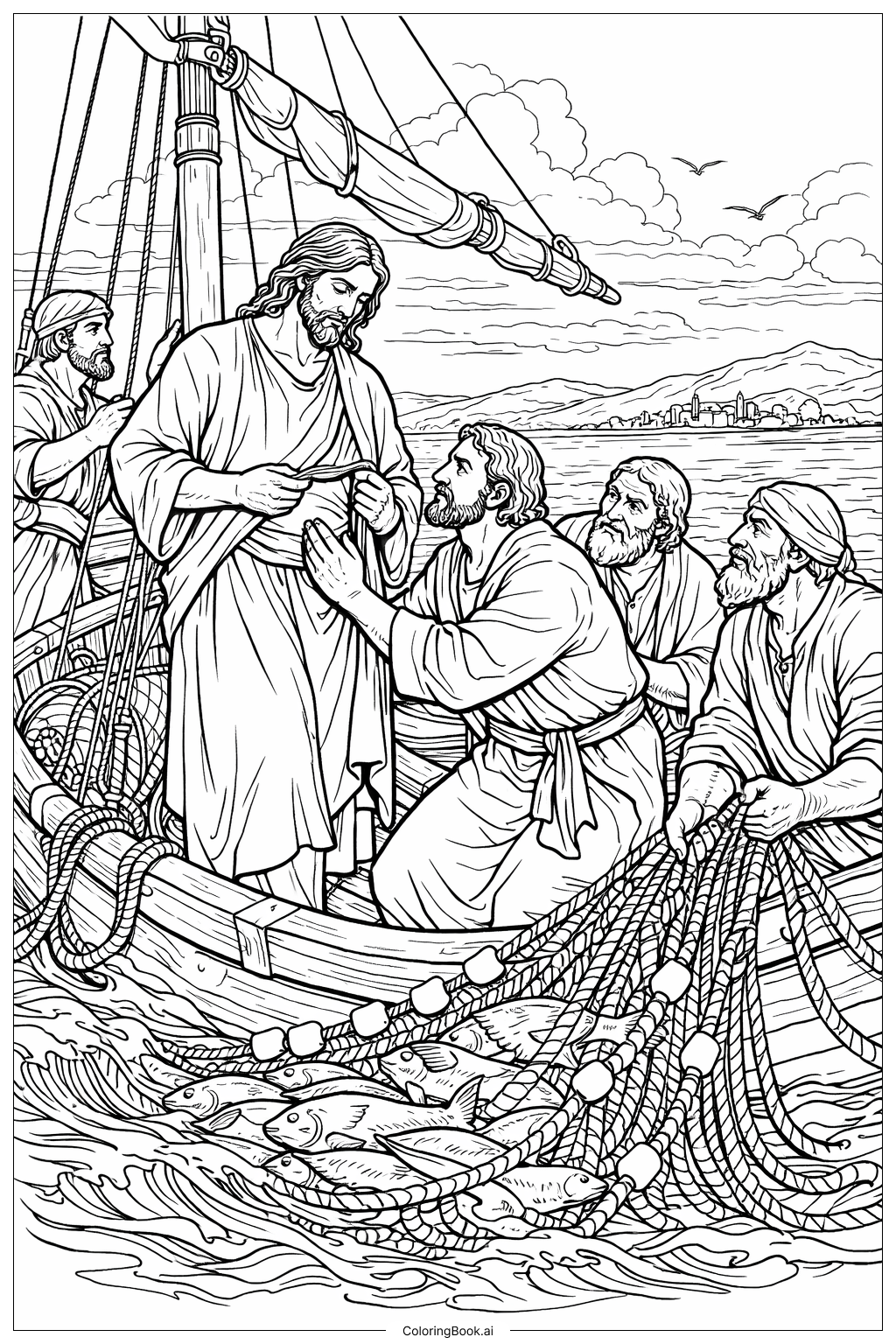
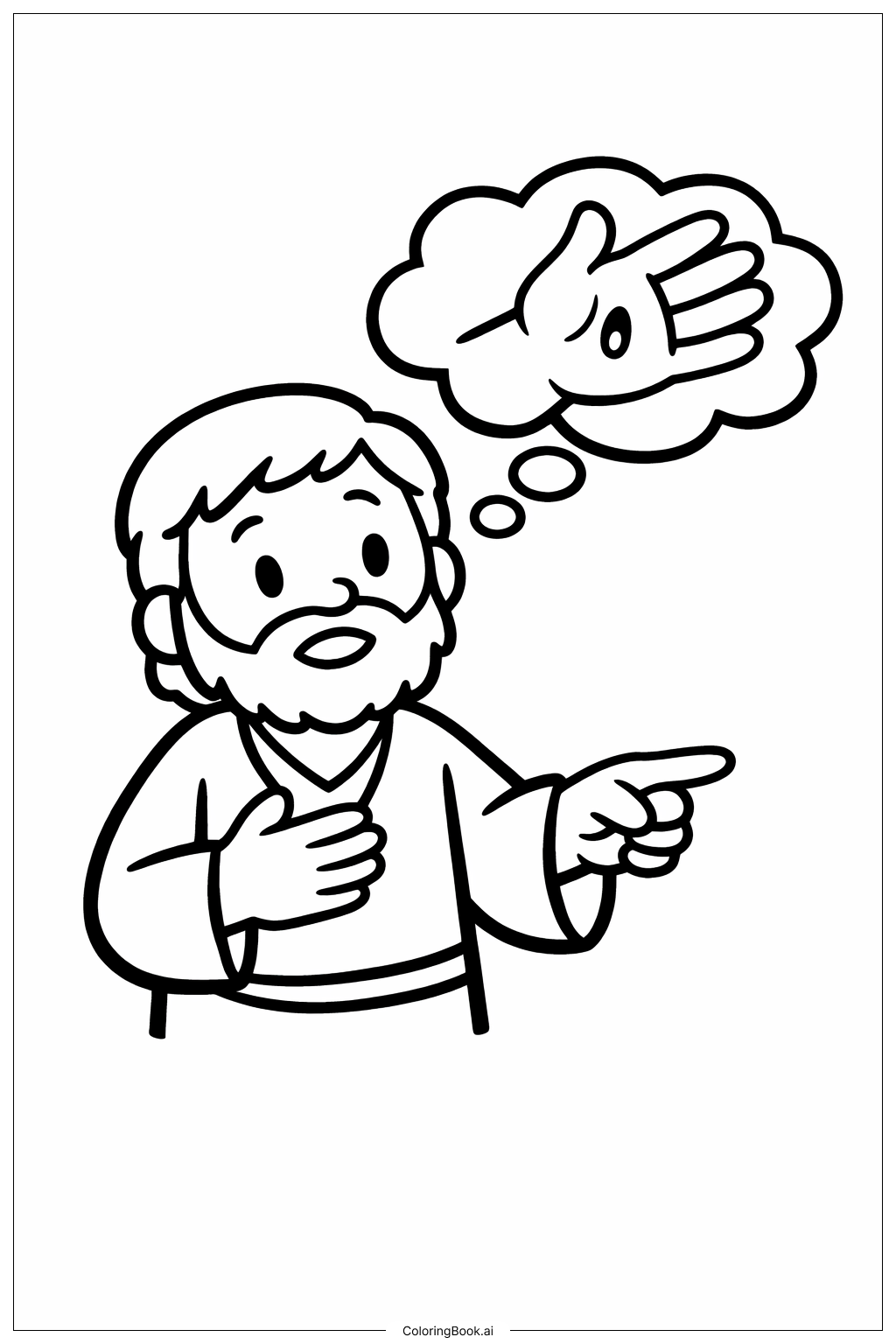
When coloring this image, you can use soft, natural colors like browns and tans for Thomas’s clothes to reflect traditional robes. For the thought cloud, try using light blues or purples to show it as a dreamy or questioning space. You might add bright colors for the symbols inside the cloud to make them stand out. The background can be colored with gentle greens or yellows to create a peaceful setting. Feel free to use different shades to show depth in Thomas’s face and hands. Remember to color gently inside the lines to keep the picture neat and clear.
Coloring challenges: Which parts are difficult to color and need attention for Doubting Thomas with Thought Cloud coloring page?
• Thought Cloud Shape: The large rounded shape of the thought cloud may be tricky to color evenly without going outside the lines, especially around the edges where it meets Thomas’s head. • Facial Expressions: Capturing Thomas’s thoughtful look requires careful attention to small details on his face, which might be challenging for younger children. • Small Symbols Inside Cloud: The question marks and symbols inside the cloud are small and require precision coloring to keep them clear and distinct. • Clothing Folds: The folds in Thomas’s robes add detail but need careful shading and coloring to show texture without making it messy. • Line Overlaps: Some lines overlap between Thomas’s raised hand and the thought cloud, so careful coloring is needed to avoid blending colors unintentionally.
Benefits of coloring books: Advantages of drawing Doubting Thomas with Thought Cloud coloring page
Coloring this image helps children develop patience and focus as they carefully color the detailed facial expression and thought cloud areas. It encourages creativity by allowing them to choose colors for the thought cloud symbols and background, helping them think about emotions and storytelling. This activity also improves fine motor skills through precise coloring of small shapes. Additionally, coloring a story-based image like this can spark curiosity and lead to discussions about doubt, faith, and questioning, which deepens understanding and empathy.