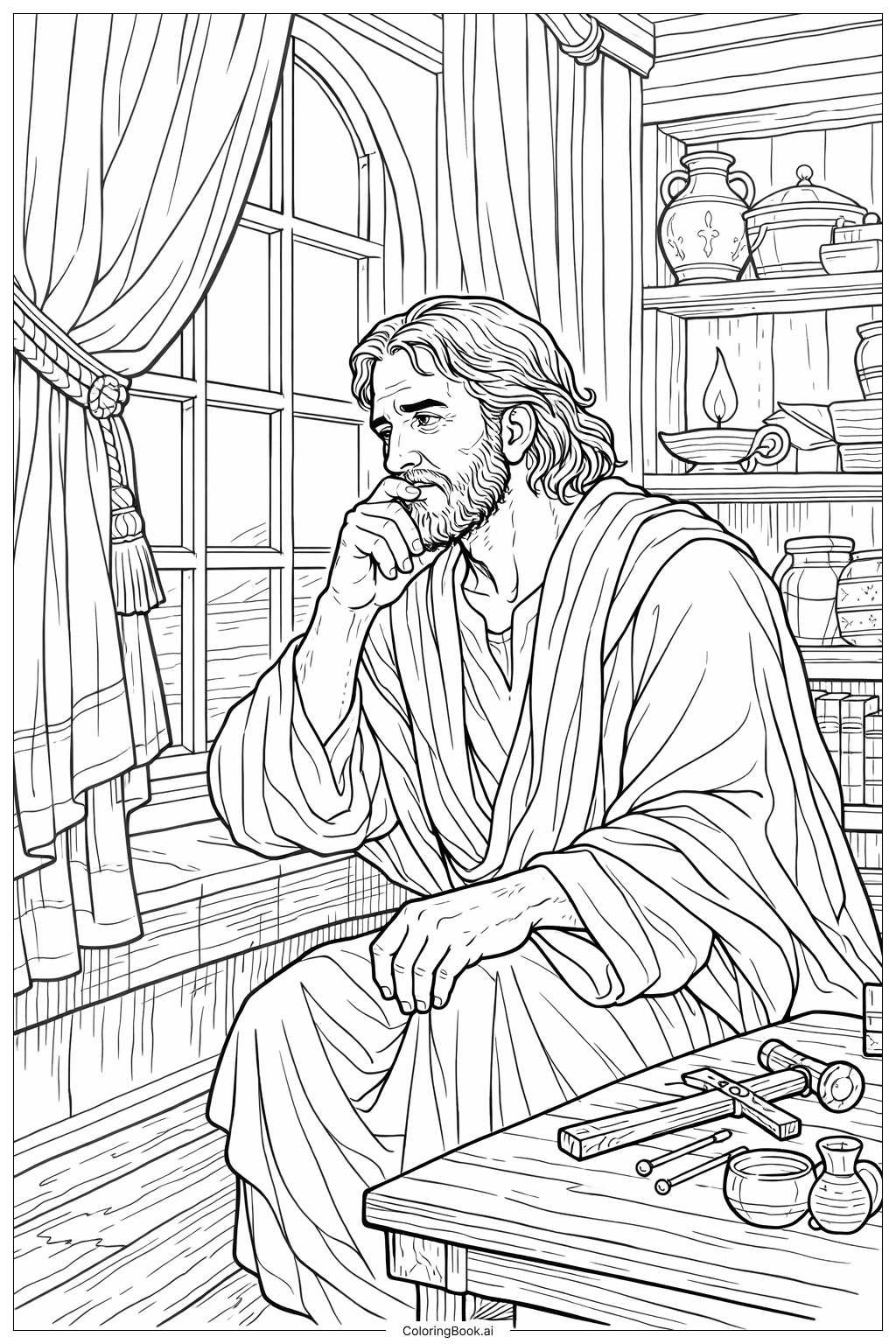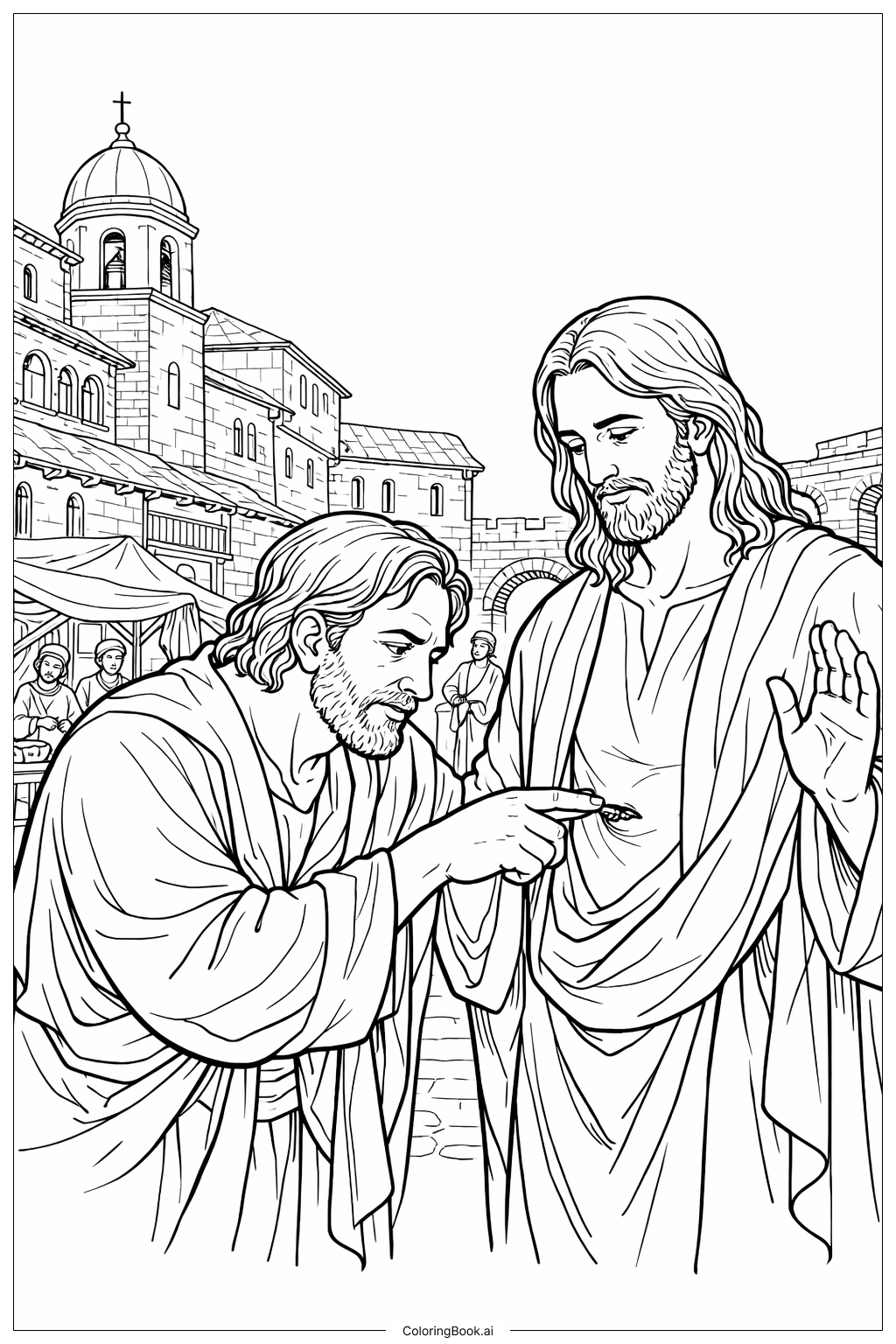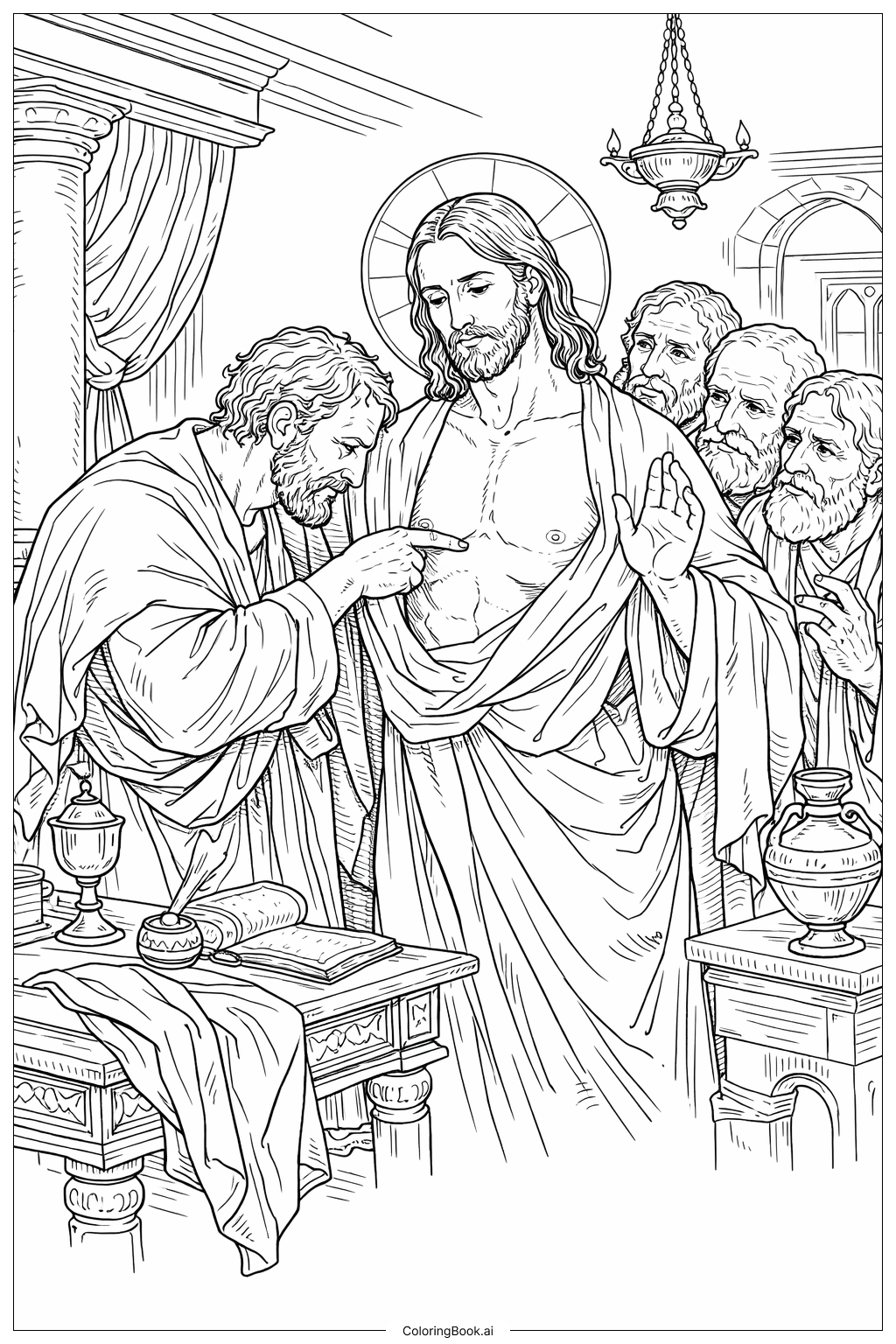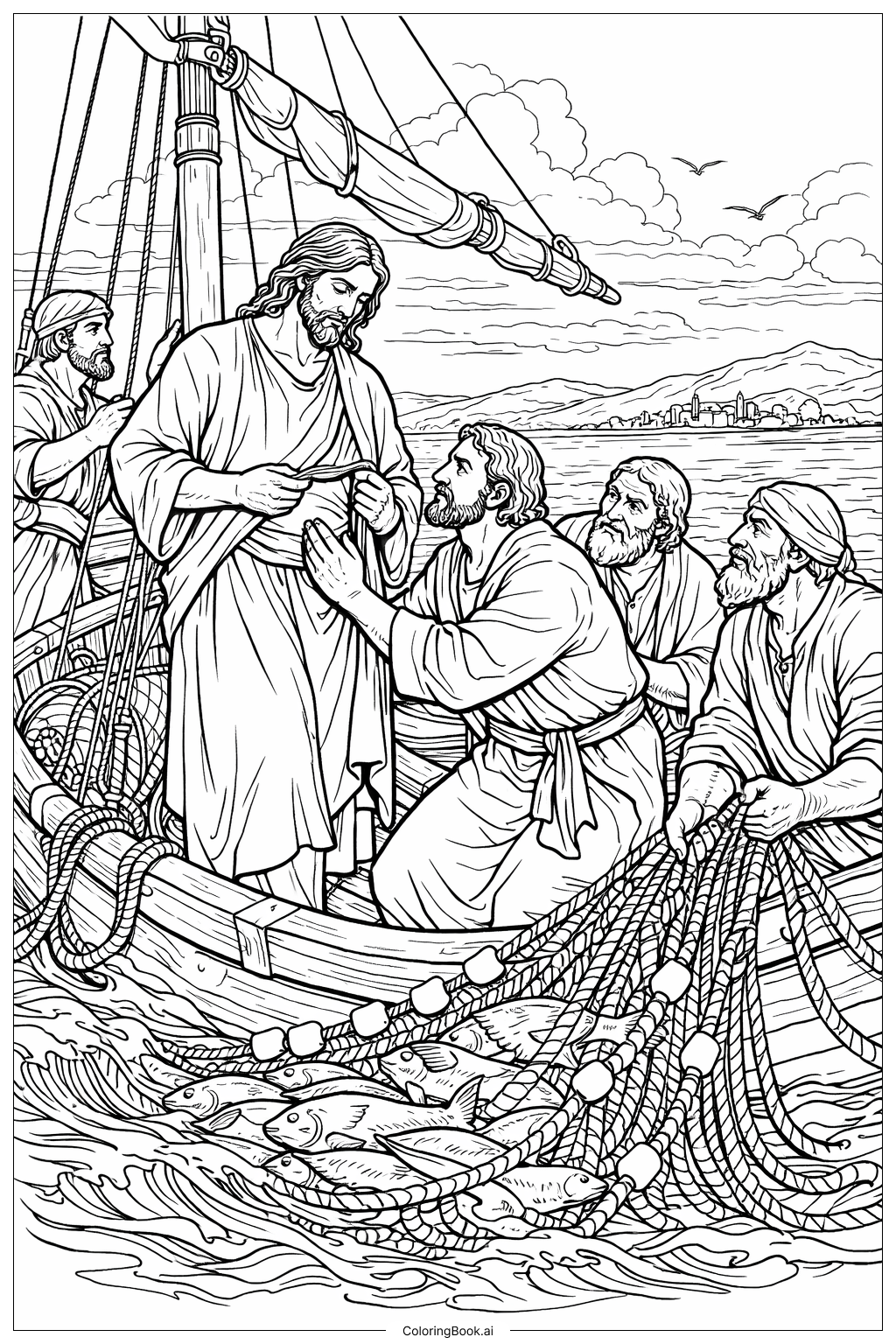
Coloring tips: How to color Doubting Thomas with Candle coloring page well?
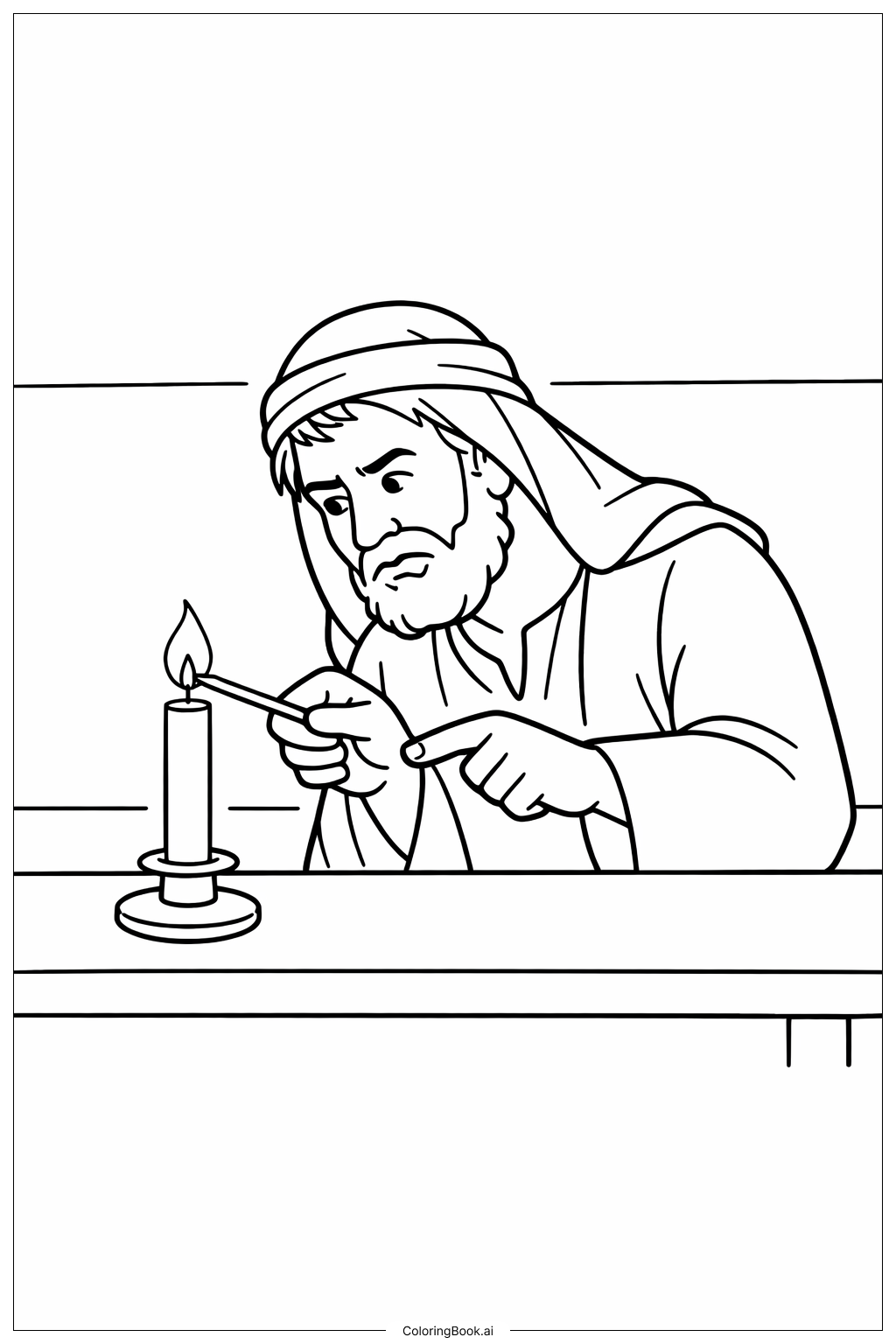
For coloring this image, use warm colors for the candle’s flame like yellow, orange, and light red to show its soft light. Thomas’ clothes can be colored in earthy tones such as browns or deep greens to give a natural feel. Jesus’ robe may be white or cream to emphasize His purity and calmness. Use lighter shades on their faces to highlight the candlelight’s glow and shadows to create depth. The background can be kept simple with light blues or soft grays to keep the focus on the two figures. Try layering colors gently to show the warmth of the candle and the quiet moment they share.
Coloring challenges: Which parts are difficult to color and need attention for Doubting Thomas with Candle coloring page?
• Candle Flame and Light: Coloring the candle flame and its glow is challenging because it requires blending of bright yellow and orange shades to create a realistic light effect.
• Facial Expressions: Capturing the thoughtful expression on Thomas’ face and the calmness of Jesus needs careful coloring around the eyes and mouth using soft tones.
• Clothing Details: The folds and textures in the robes need subtle shading to show depth without overpowering the main elements.
• Hands and Wound Area: Coloring the small details on the hands, especially around the wound, requires steady precision to make this important part clear.
• Contrast Balance: Balancing light and shadow is tricky here; the candlelight creates highlights and shadows that must be carefully placed to maintain the intimate feel of the scene.
Benefits of coloring books: Advantages of drawing Doubting Thomas with Candle coloring page
Coloring this image helps children develop their attention to detail through the delicate faces and clothing folds. It encourages patience as they blend colors to create the soft glow from the candle. This picture also inspires reflection on trust and belief, making coloring a meaningful moment. The scene’s calm and friendly mood promotes relaxation and concentration. Working on the contrasts between light and shadow enhances their understanding of how color affects mood and storytelling in art.