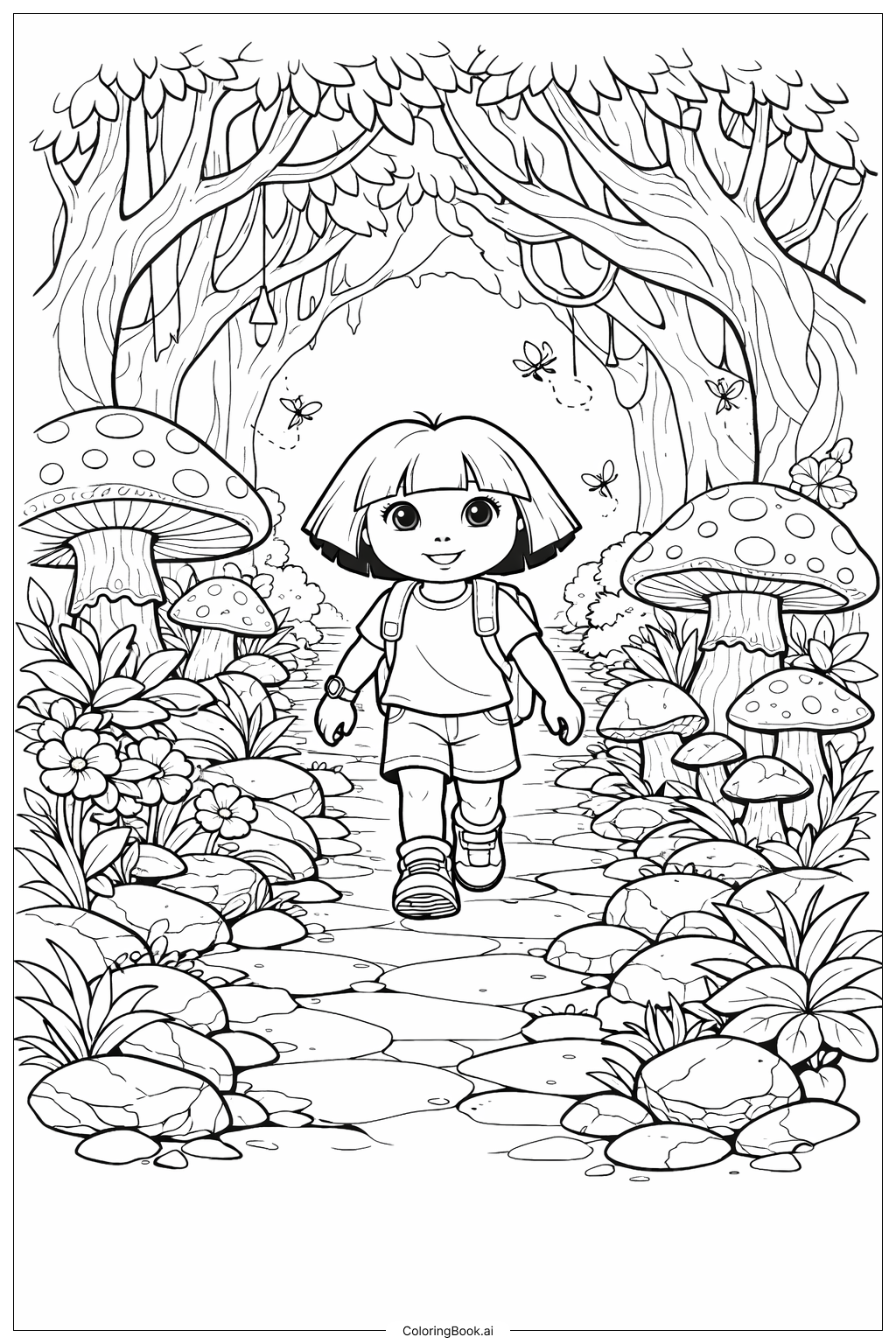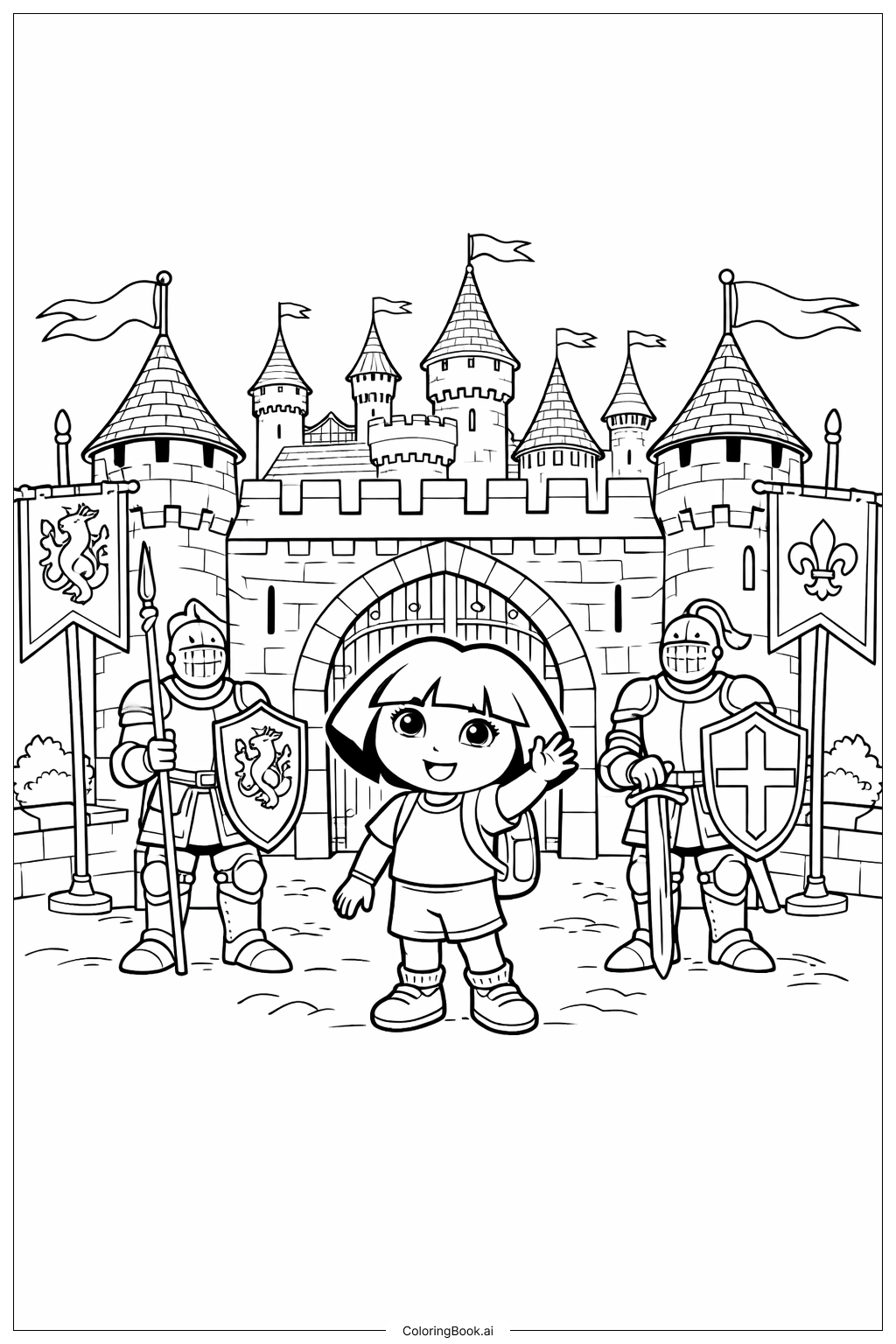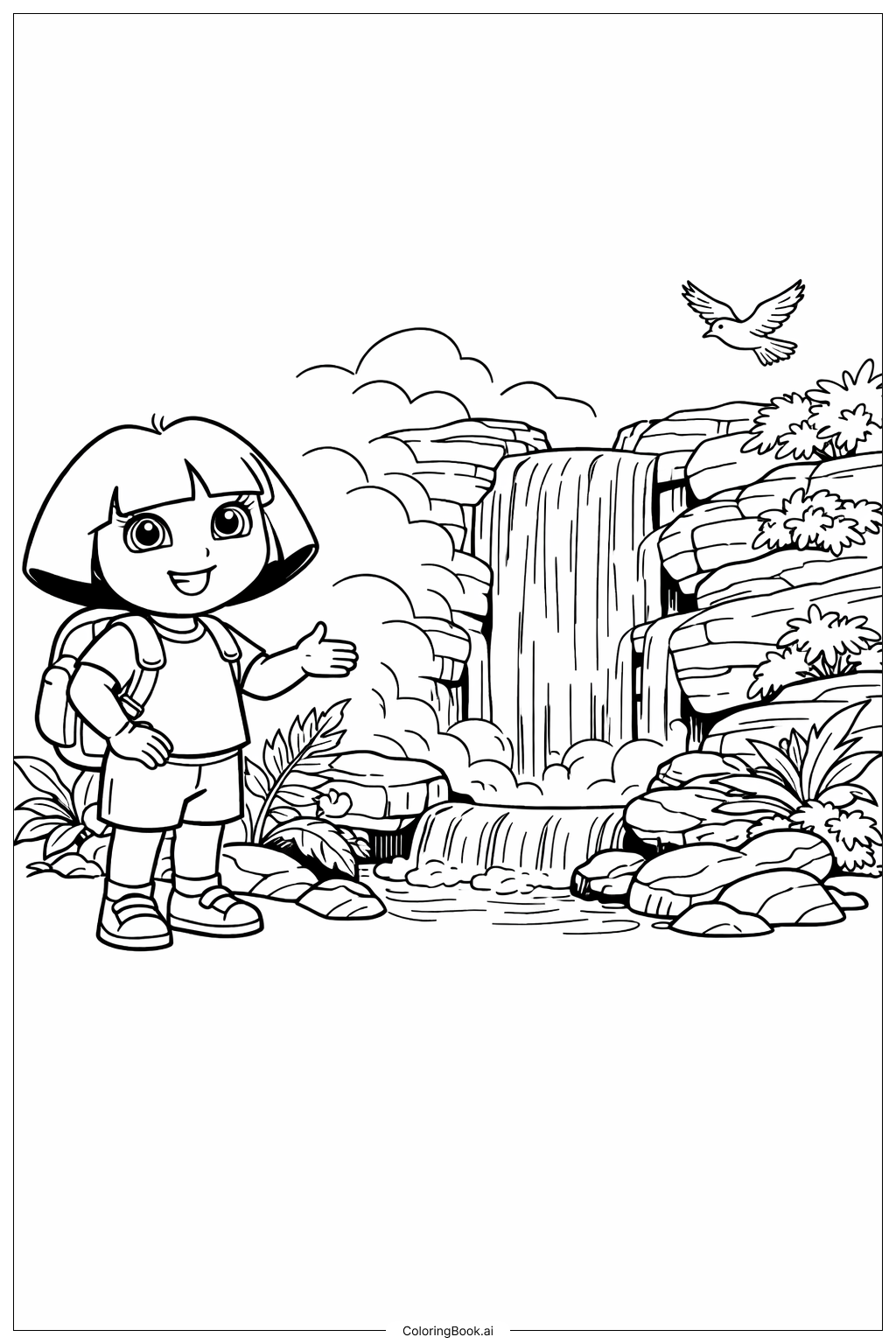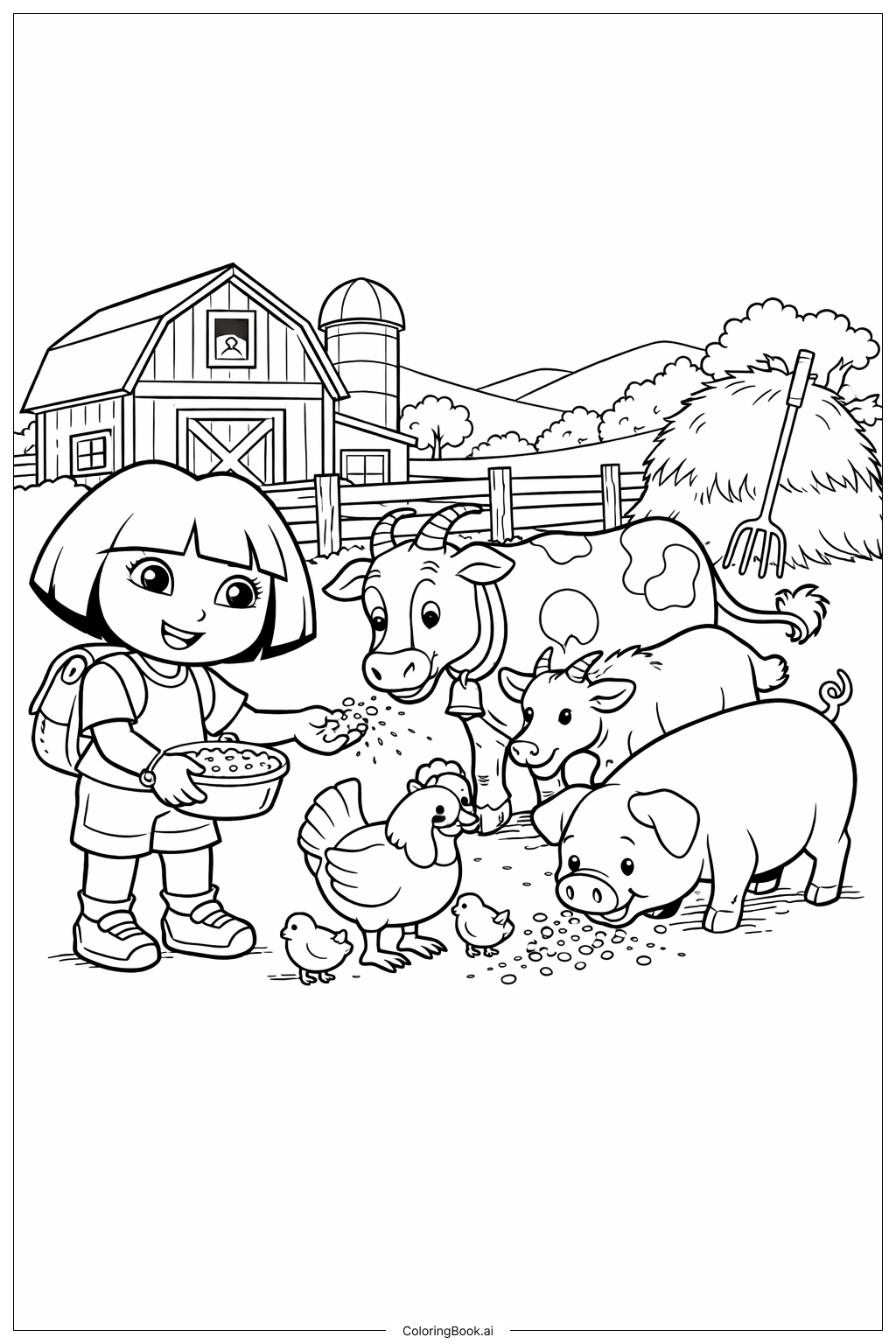
Coloring tips: How to color Dora The Explorer Smiling Portrait coloring page well?
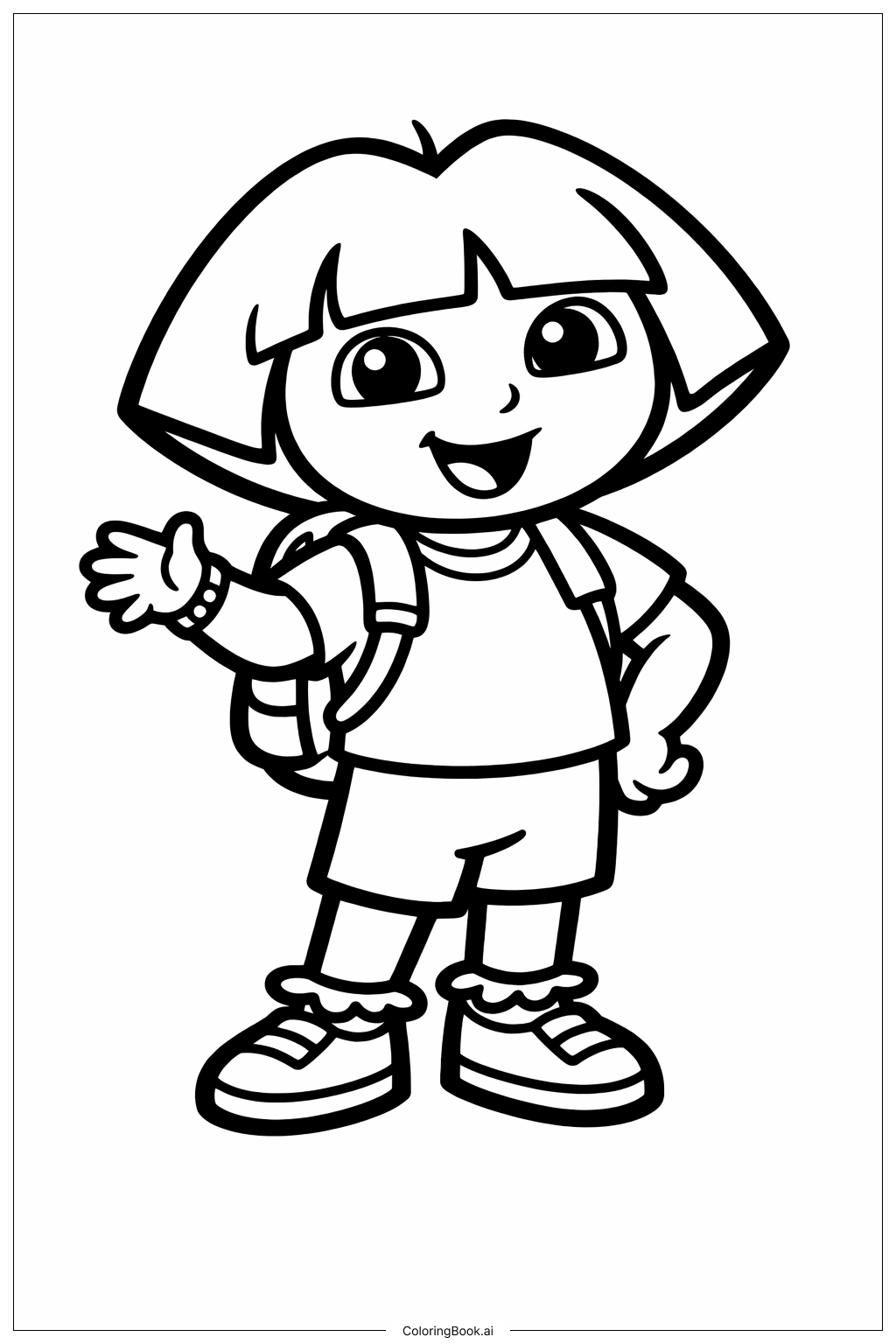
Start with Dora's skin tone using a warm peach or light tan color. Her hair is a deep, rich brown — fill it in using a dark brown crayon or marker. For her iconic pink t-shirt, use a bright bubblegum pink to keep her look true to the show. Her eyes are dark brown with small white highlights — leave those tiny spots white to make her eyes look lively and fun. Use a soft rosy pink for her cheeks to give her that healthy, happy glow. Her lips can be colored in a light pink or peachy red. Keep the background simple — try a light sky blue or soft yellow to make Dora pop and stand out. This image is great for beginners and young colorists since the shapes are bold and the areas are easy to fill in. Use your favorite bright colors and enjoy bringing Dora to life!
Coloring challenges: Which parts are difficult to color and need attention for Dora The Explorer Smiling Portrait coloring page?
• Skin Tone Consistency: Getting Dora's skin tone right can be tricky. Her complexion is a warm, medium tan. If you use a color that is too light or too dark, she may not look like herself. Try blending a peach and a light brown together gently to get that just-right shade. Take your time and apply the color in smooth, even strokes.
• Hair Details: Dora has thick, dark brown hair with a clean, blunt cut. The challenge here is keeping the color deep and even without going outside the lines. Dark colors can be hard to control, especially near the edges of her face. Use a fine-tipped marker or a sharpened colored pencil for the borders, then fill in the rest with broader strokes.
• Facial Expression Accuracy: Dora's smile is her most defining feature. The curves of her mouth and the small lines around her eyes need to be colored carefully. Pressing too hard near these delicate areas can smudge or blur the expression. Work slowly and use lighter pressure around her mouth and eye corners.
• Eye Detailing: Her eyes are small but expressive, with dark pupils and tiny white reflective spots. These are very small areas that require a steady hand. Coloring too heavily here can accidentally fill in those highlight dots, making her eyes look flat. Use the tip of your pencil and go slowly.
• Clean Outline Preservation: The bold outlines that define Dora's face and features are important for keeping the portrait recognizable. Staying inside those lines, especially around her rounded cheeks and chin, requires focus and careful coloring technique.
Benefits of coloring books: Advantages of drawing Dora The Explorer Smiling Portrait coloring page
Coloring this portrait of Dora The Explorer brings a wonderful range of benefits for kids of all ages. First, it helps build fine motor skills. Carefully filling in the small details of Dora's face — her eyes, smile, and hair — trains little hands to move with precision and control, which supports writing skills too. Second, it encourages color recognition and creativity. Choosing the right shades for Dora's skin, hair, and clothes helps children think about color relationships and express their own artistic choices. Third, it supports emotional connection and storytelling. Dora is a character many kids feel close to. Coloring her portrait can spark imaginative play, conversations, and even storytelling about adventures. Fourth, it promotes focus and patience. Completing a detailed portrait requires sitting still and concentrating, which gently trains attention span in a fun and stress-free way. Finally, coloring is calming. It gives children a quiet, peaceful activity that reduces anxiety and helps them feel proud of what they create. Finishing Dora's smiling face gives a great sense of accomplishment that boosts confidence and encourages kids to keep exploring their creativity.