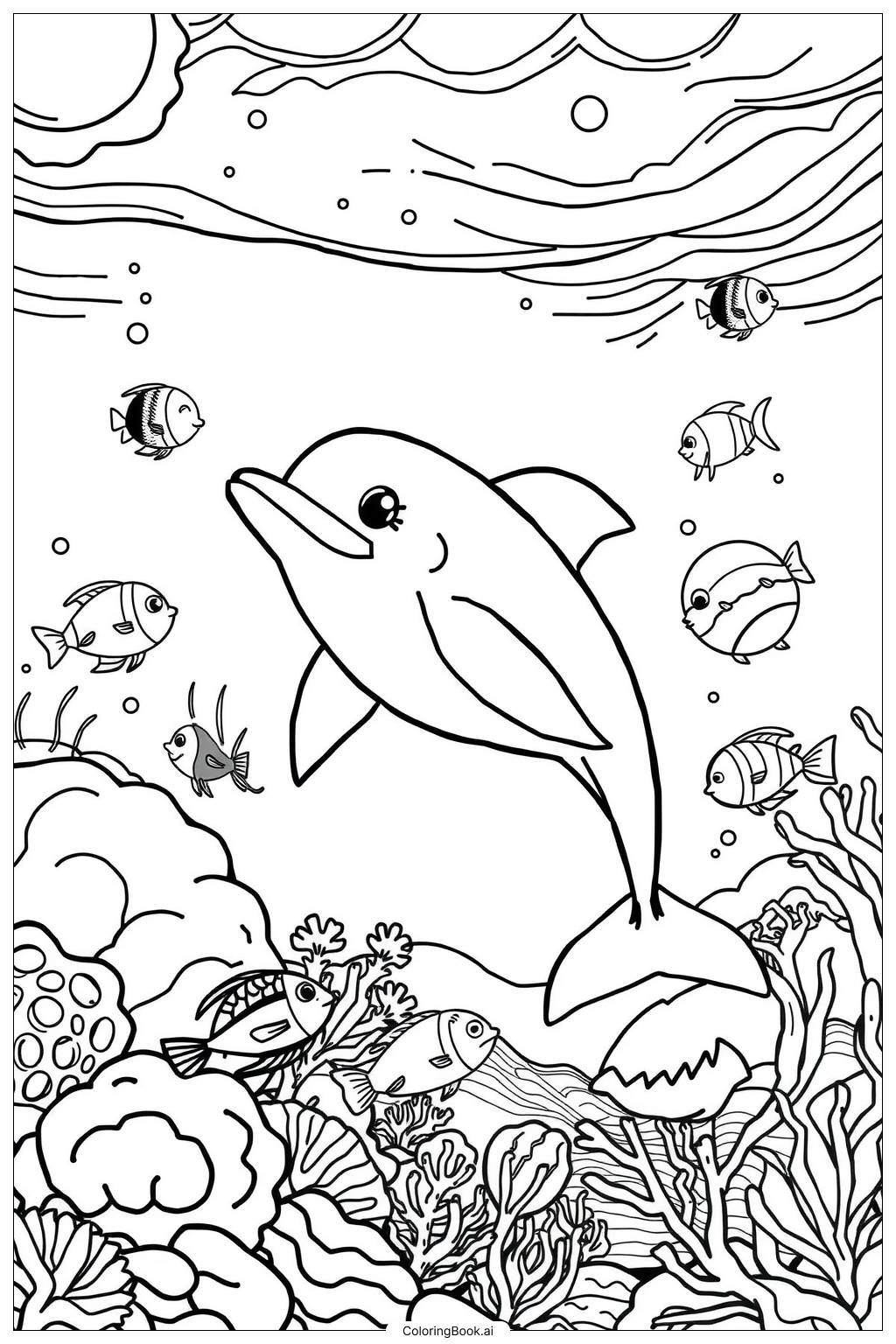
Coloring tips: How to color Dolphin Underwater Scene coloring page well?
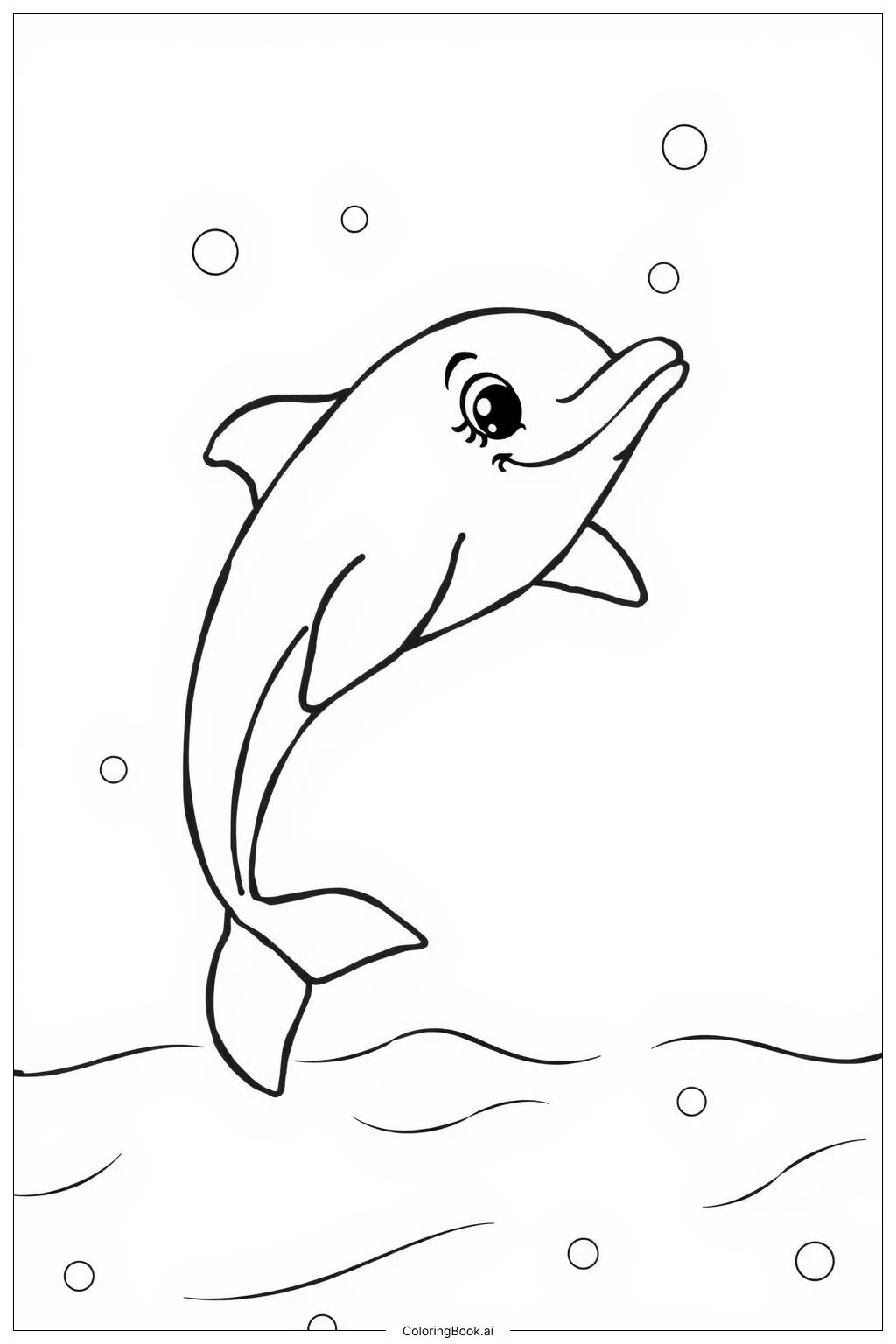
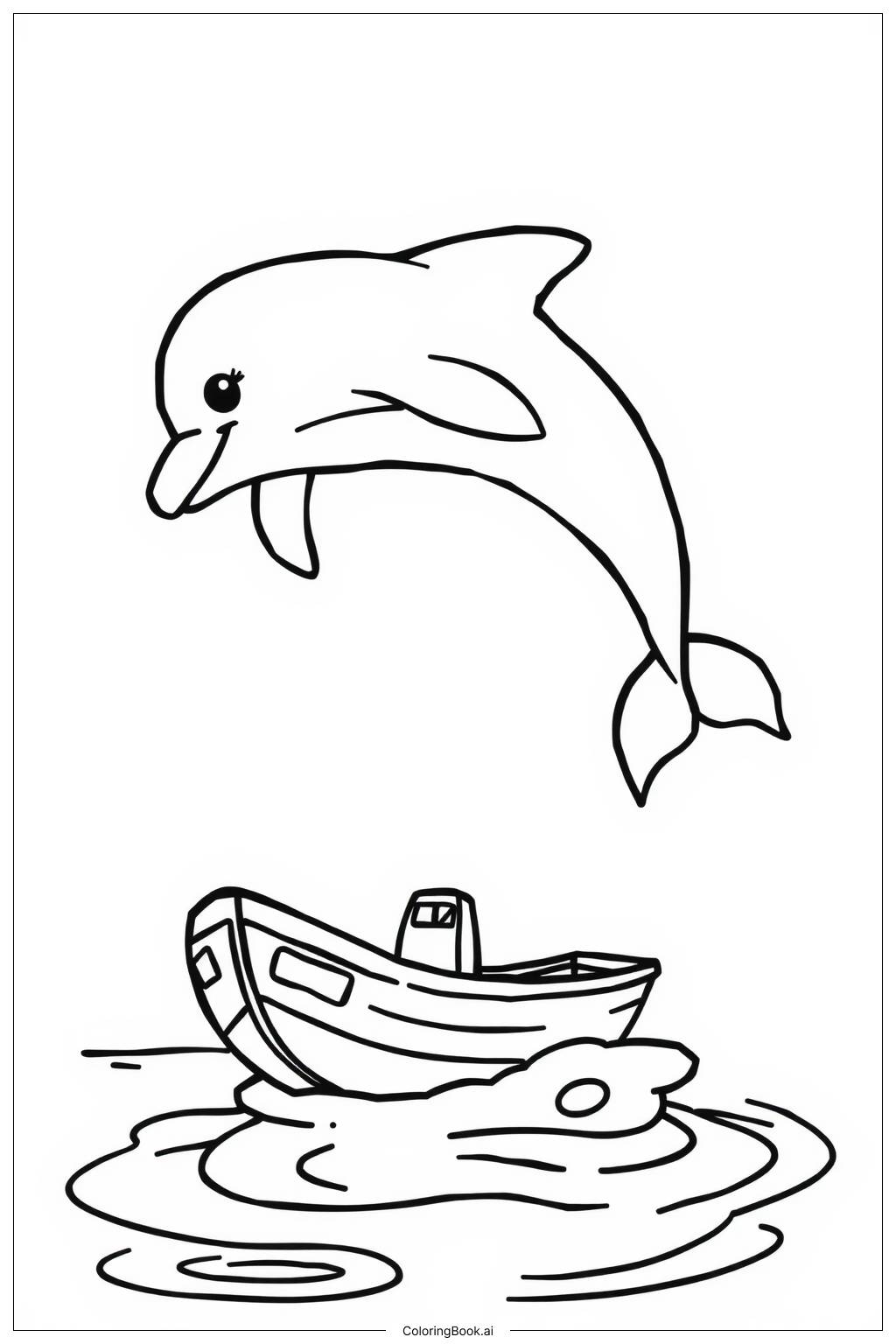
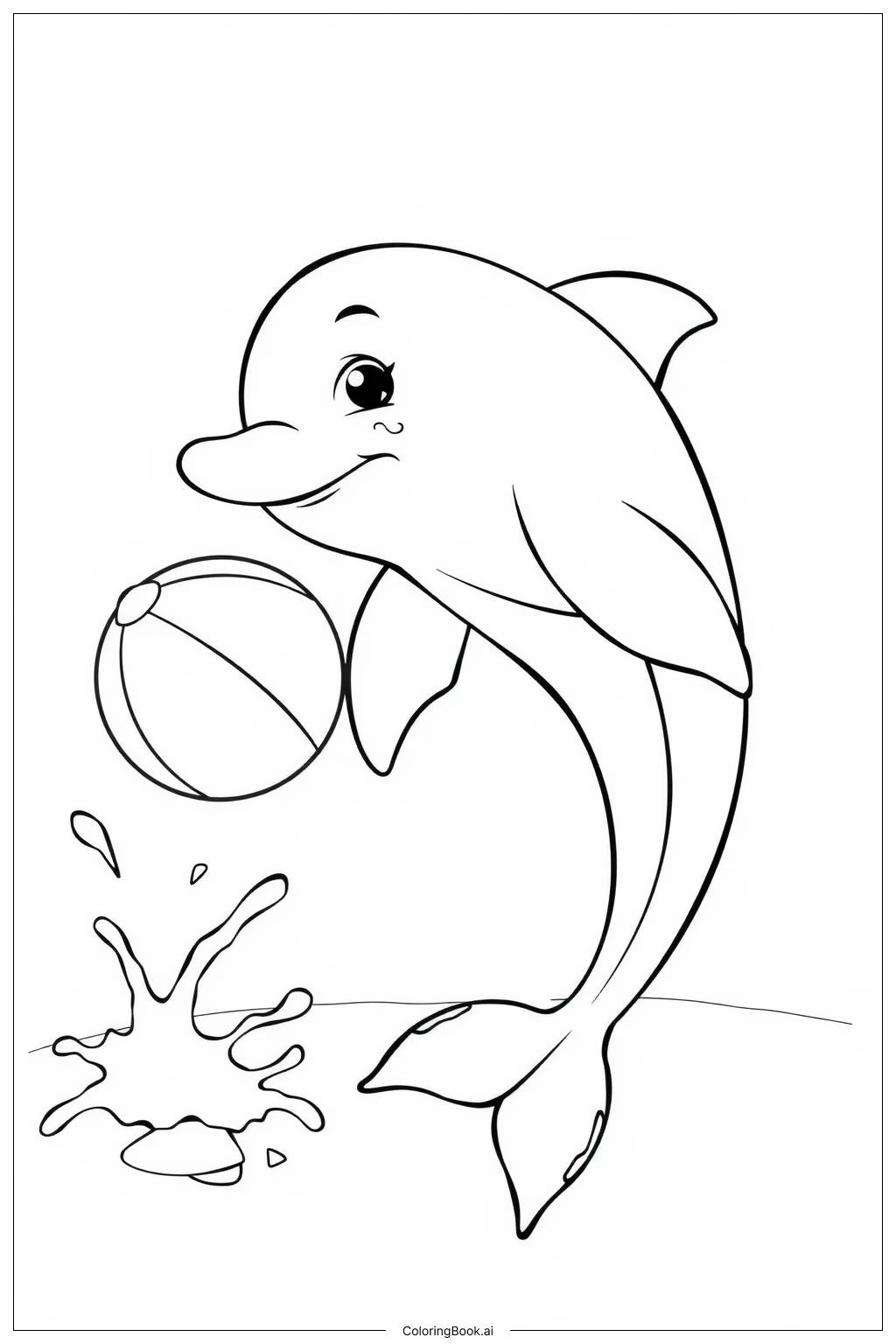
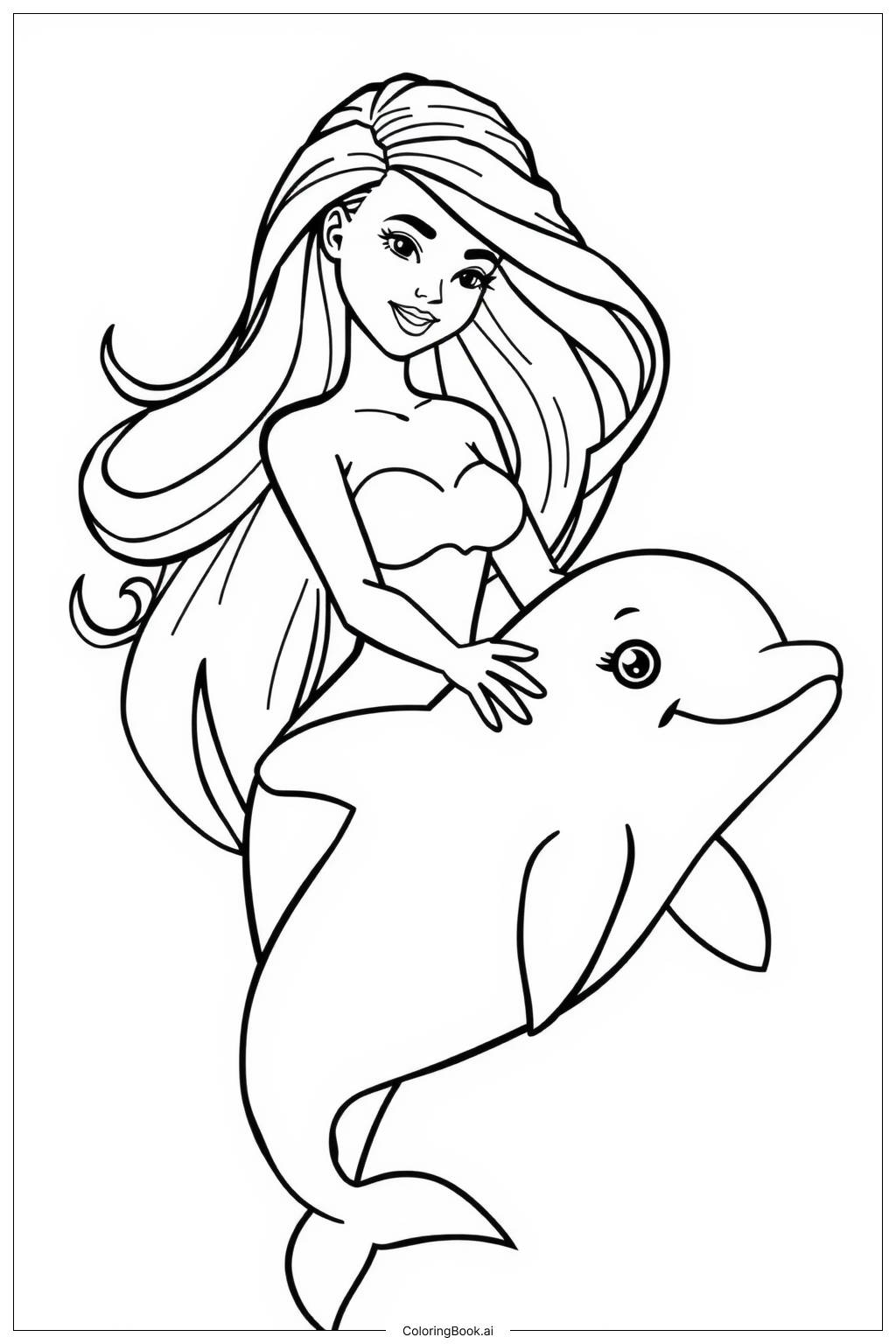
Start with the dolphin's body using shades of gray and blue-gray for a realistic look, or try turquoise and purple for a fun, fantasy style. Leave the dolphin's belly lighter to show its natural coloring. For the water background, use soft blues and teals, blending them gently to create depth. Add darker blue in the corners to suggest deep ocean. Color the seaweed in greens and olive tones. Use bright corals in orange, pink, and red to make them pop. The small fish can be colored in yellow, orange, or striped patterns for variety. Paint the bubbles light blue or leave them mostly white with just a light outline. Try layering colors with light pressure first, then build up darker shades to add dimension and make the scene feel alive.
Coloring challenges: Which parts are difficult to color and need attention for Dolphin Underwater Scene coloring page?
• Dolphin Body Shading: The dolphin's smooth, curved body requires careful shading to look three-dimensional. Blending light and dark tones from the darker back to the lighter belly is tricky, especially for younger colorists. Using two or three shades of the same color family works best to achieve a natural, rounded look without harsh lines.
• Water Background Depth: Creating the feeling of deep ocean water is one of the biggest challenges in this scene. The background needs gradual color transitions from lighter blue near the surface to deeper, darker blue toward the bottom. Achieving a smooth gradient without visible streaks takes patience and a light hand.
• Small Details Like Bubbles and Fish: The tiny bubbles and small fish scattered throughout the scene require a steady hand and a fine-tipped coloring tool. Coloring inside these small shapes without going outside the lines can be difficult, especially for younger children. Using colored pencils rather than markers gives more control in tight areas.
• Coral and Seaweed Variety: The coral and seaweed elements have intricate, overlapping shapes that sit close together. Choosing colors that are different enough from each other so each element stands out takes planning. If all the plant life is colored in similar shades, the scene can look flat and hard to read.
• Balancing the Overall Color Palette: Pulling the whole scene together with a balanced, harmonious palette is a creative challenge. Too many bright colors can feel chaotic, while too many cool tones can make the image look dull. Finding the right mix of vivid accent colors against calmer background tones takes thought and practice.
Benefits of coloring books: Advantages of drawing Dolphin Underwater Scene coloring page
Coloring this dolphin underwater scene offers a wonderful range of benefits for kids and adults alike. For children, it builds fine motor skills as they carefully color within the lines of the dolphin's body, small fish, and detailed coral. It also encourages focus and patience, especially when working through the many small elements in the scene.
The ocean theme sparks curiosity about marine life. Kids may want to learn more about dolphins, coral reefs, and sea creatures after spending time with this page. This makes coloring a natural bridge to education and storytelling.
Choosing colors for the water, plants, and sea life boosts creative thinking and decision-making. There is no single right answer, so colorists feel free to experiment and express themselves. This builds confidence and a sense of ownership over their artwork.
For older colorists and adults, this scene offers a calming, meditative experience. The flowing lines of the water and the graceful shape of the dolphin make it a relaxing page to work on. Focusing on color choices and technique helps reduce stress and quiet a busy mind.
Overall, this page combines creativity, learning, and relaxation into one enjoyable activity suitable for a wide range of ages and skill levels.