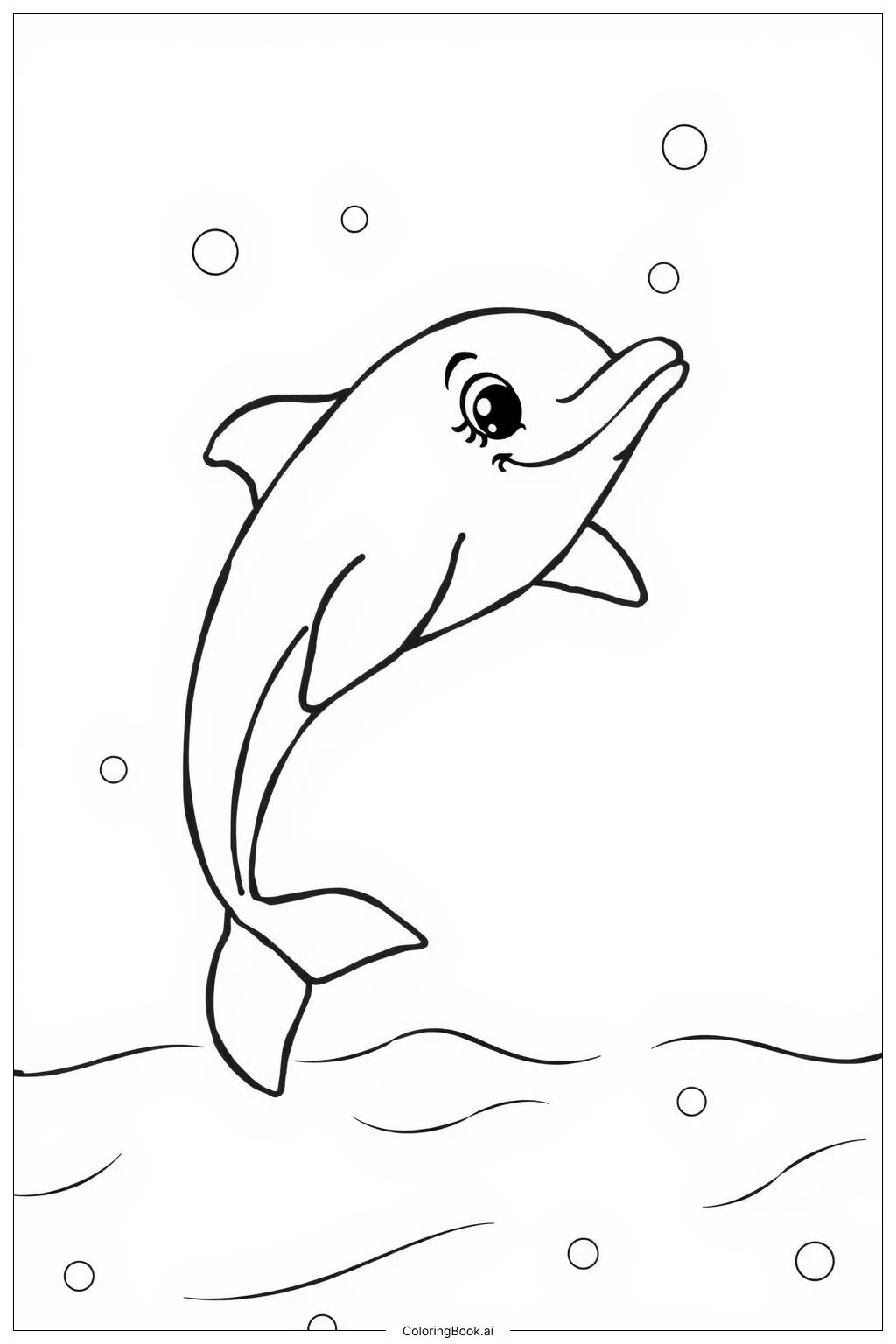
Coloring tips: How to color A Dolphin's Journey Through the Ocean coloring page well?
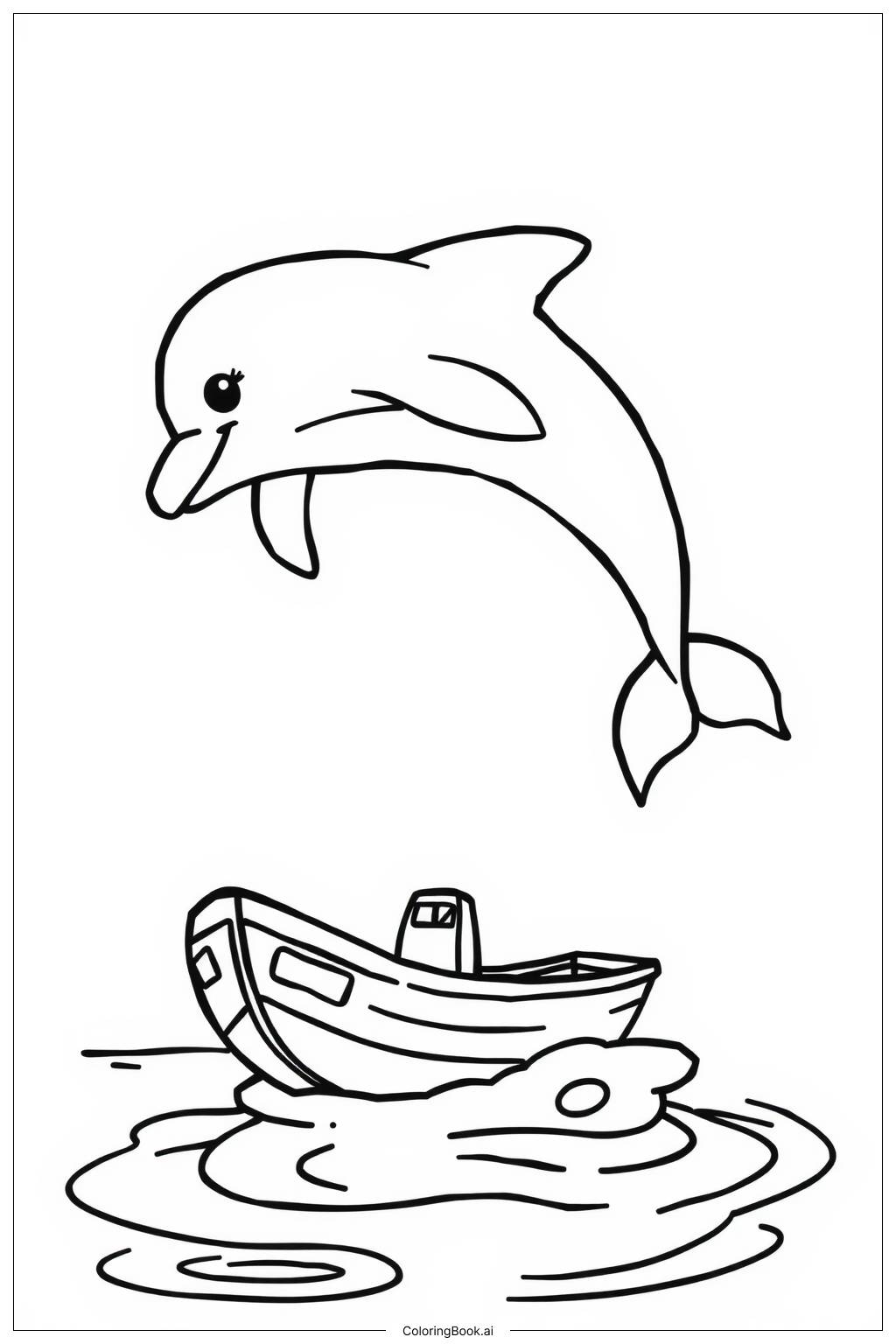
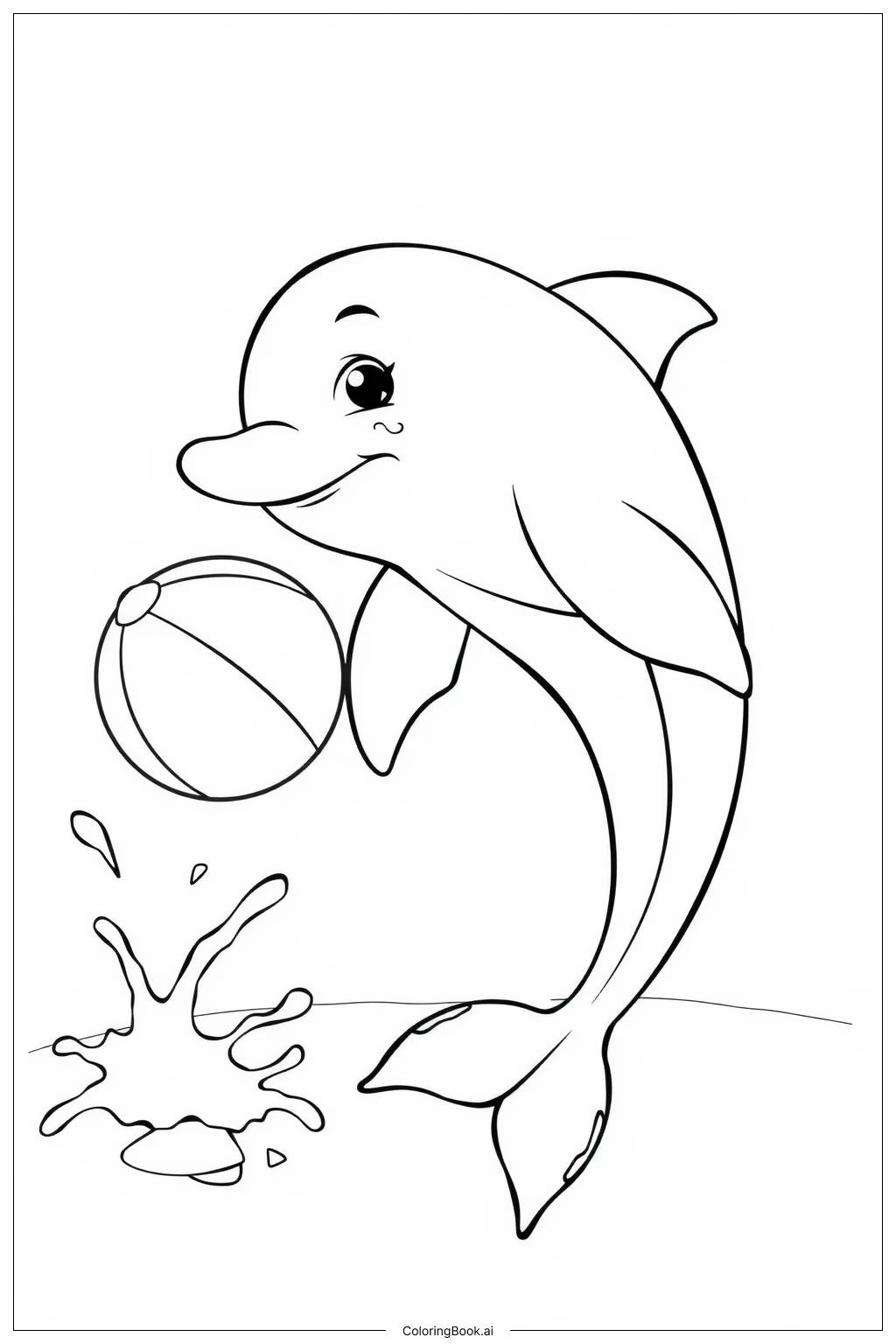
Start with the dolphin's body. Dolphins are usually gray, but feel free to use light blue or silver for a magical look. Use a darker gray or blue along the dolphin's back and a lighter shade on the belly to show a natural shadow effect. For the ocean, use different shades of blue and teal. Lighter blues work well near the surface, while deeper blues add depth below. Add a touch of white or pale yellow to the foam and bubbles around the dolphin to make them pop. Sea plants can be colored green or dark teal. If you want a sunrise or sunset feel, try warm orange and pink tones in the background. Kids can have fun mixing colors to make the ocean feel alive and full of movement. There are no wrong choices here, so be creative and enjoy the journey!
Coloring challenges: Which parts are difficult to color and need attention for A Dolphin's Journey Through the Ocean coloring page?
• Dolphin Body Shading: The dolphin's smooth, curved body needs gradual color transitions from dark on top to light on the bottom. Blending two or more shades of gray or blue without harsh lines can be tricky, especially for younger colorists. Take your time and use light strokes to build up the color slowly.
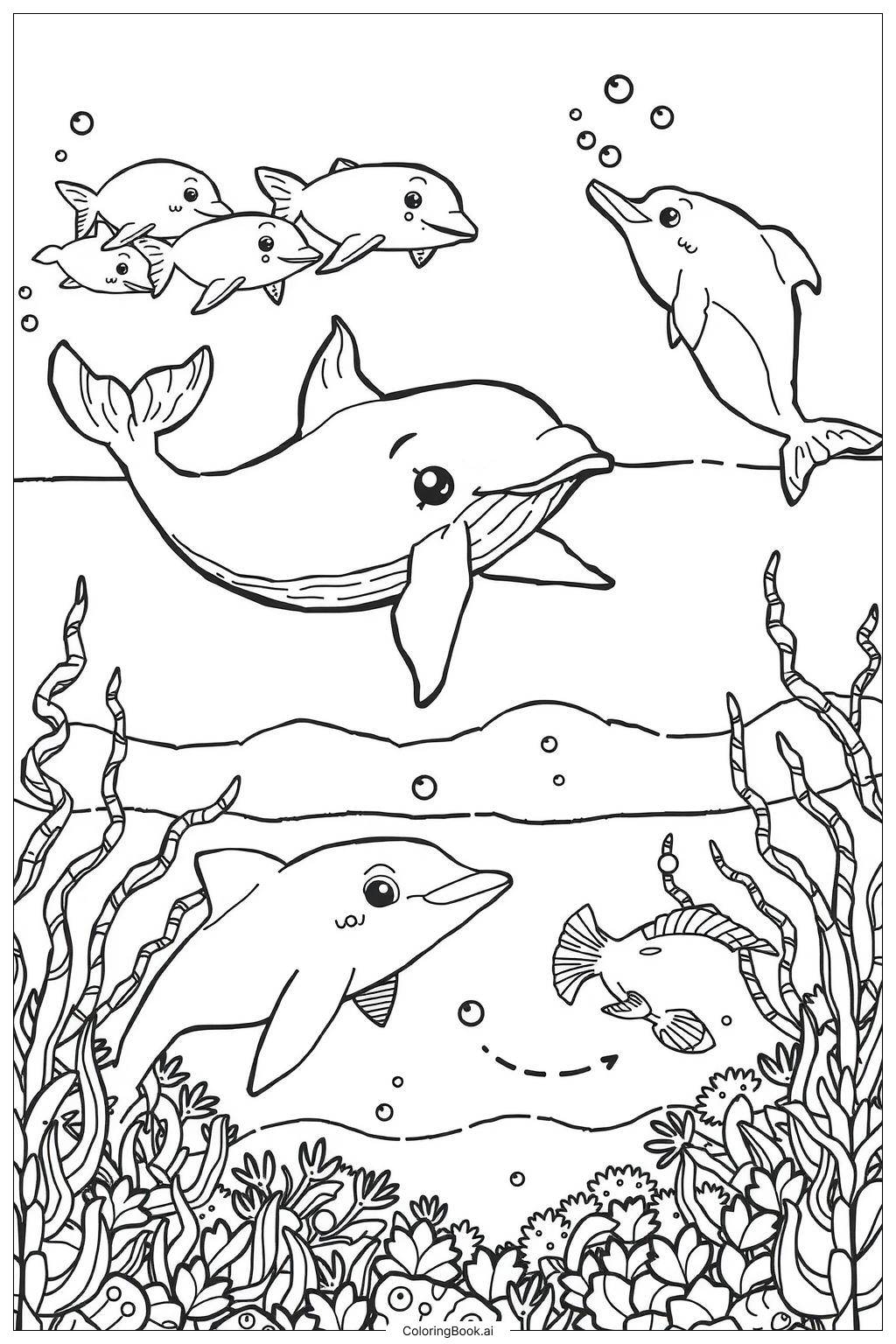
• Water and Wave Details: The ocean background contains many overlapping wave lines and ripples. Keeping these sections neat while using multiple shades of blue requires patience and a steady hand. It is easy to color outside the lines in areas where the waves are small and closely spaced.
• Bubbles and Foam: The small bubbles trailing behind the dolphin are some of the tiniest details in the image. Coloring them without accidentally filling them in solid takes careful control. Using a fine-tip colored pencil or marker works best for these areas.
• Background Depth Effect: Creating a sense of deep ocean versus shallow surface water requires using light and dark tones in a way that feels natural. Knowing where to place lighter blues and where to go darker can be a challenge for beginners, but experimenting with color placement makes the scene feel more realistic.
• Sea Plants and Small Accents: Any seaweed, coral, or accent details in the background require color choices that stand out from the blue ocean without clashing. Using greens, teals, or even purples helps these elements feel part of the underwater world without overpowering the dolphin as the main focus.
Benefits of coloring books: Advantages of drawing A Dolphin's Journey Through the Ocean coloring page
Coloring this dolphin scene offers a wide range of benefits for kids and adults alike. For younger children, tracing the smooth curves of the dolphin and the flowing waves helps build fine motor skills and hand-eye coordination. It also teaches color awareness as they explore different shades of blue, gray, and green to bring the ocean to life.
For older kids and teens, the image encourages creative thinking. Choosing how to shade the dolphin's body or deciding on the mood of the ocean sky pushes artistic decision-making in a low-pressure, fun way.
Spending time coloring is also a great way to relax. The gentle, flowing lines of this ocean scene have a naturally calming effect. Focusing on the page helps quiet busy thoughts and brings a sense of peace, similar to how people feel near the actual sea.
This page can also spark curiosity about marine life. As children color, they may start asking questions about dolphins, oceans, and the creatures that live there, turning a fun activity into a learning moment. It is a simple, screen-free way to stay engaged, creative, and calm all at once.