Coloring tips: How to color Basic dolphin outline coloring page well?
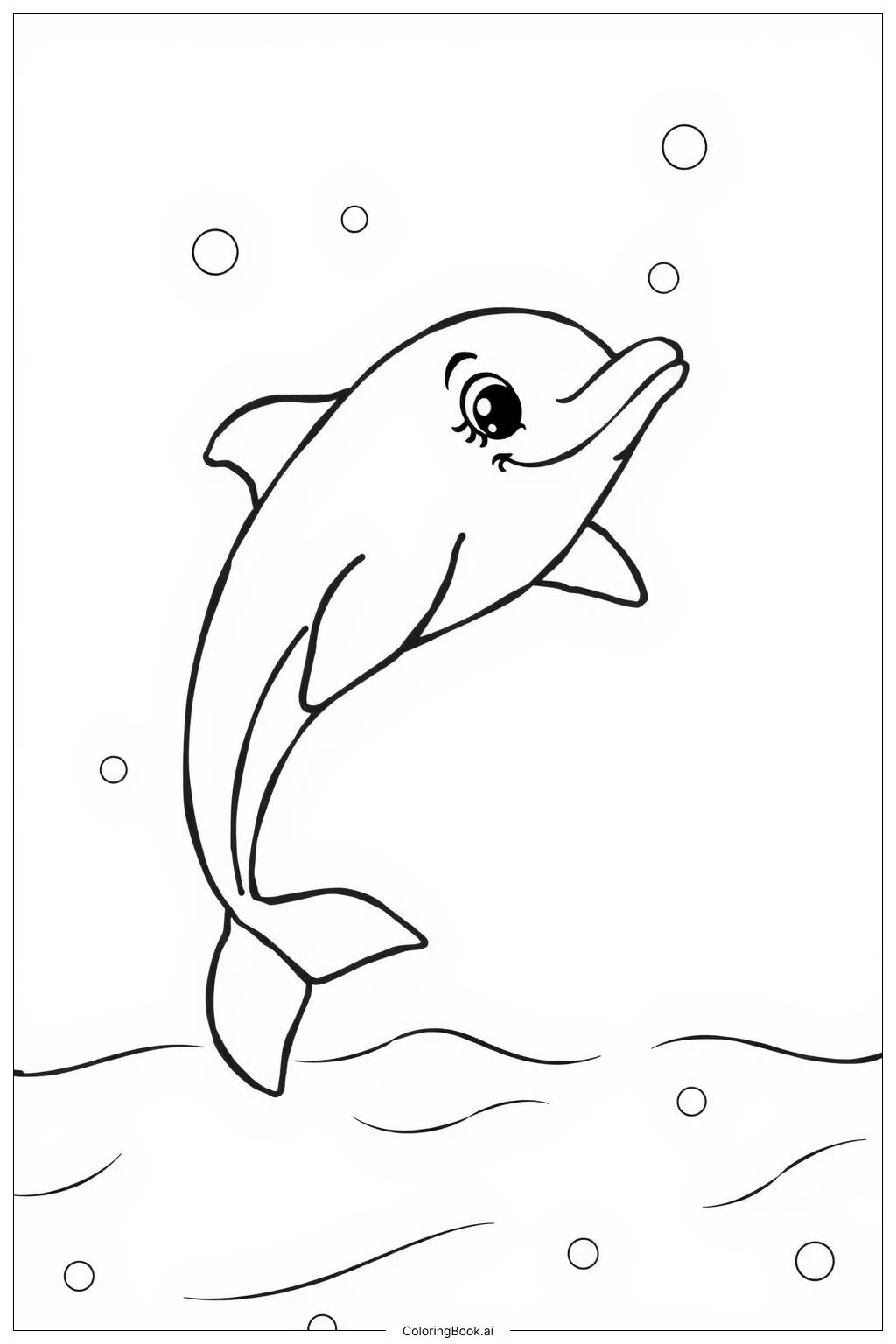
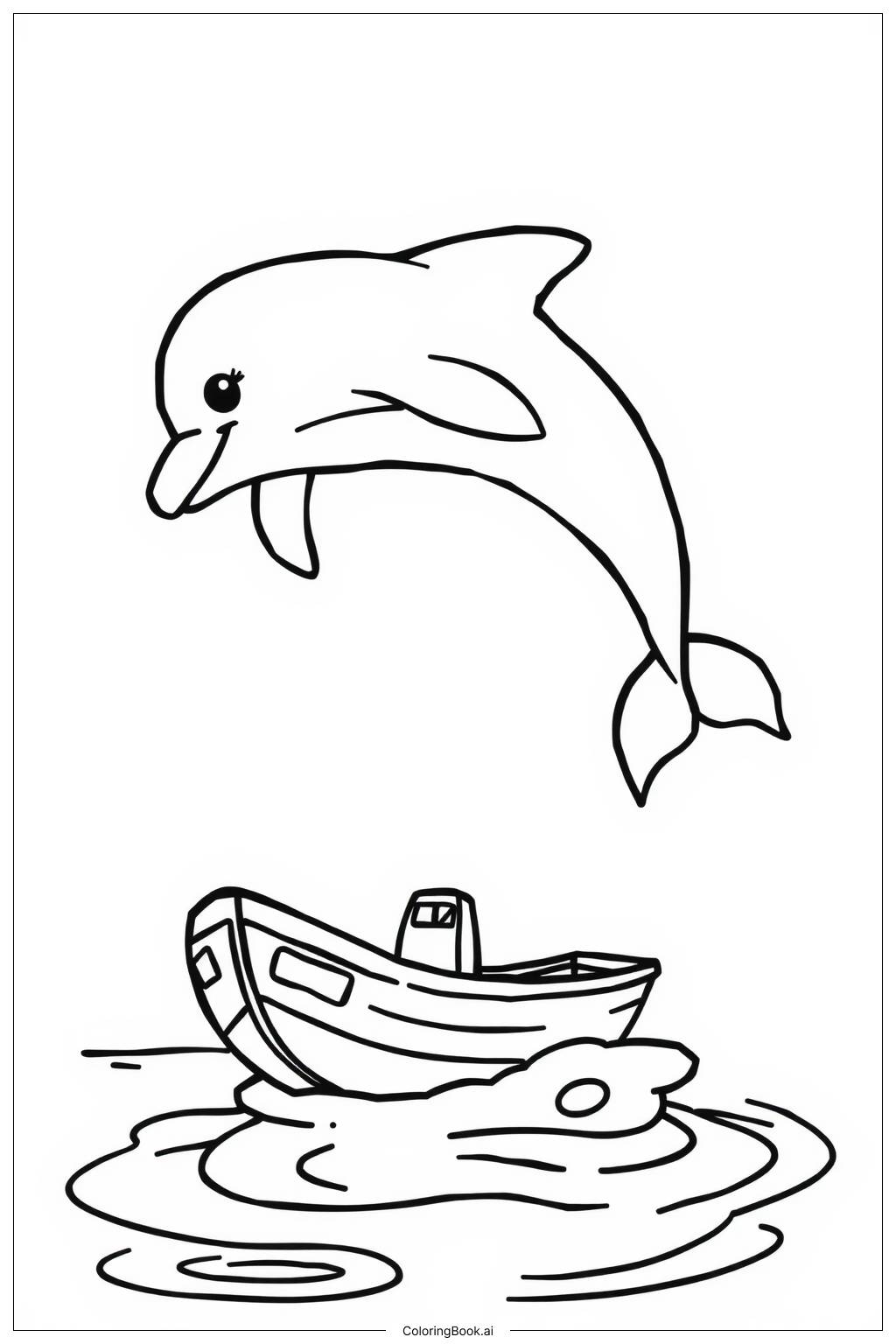
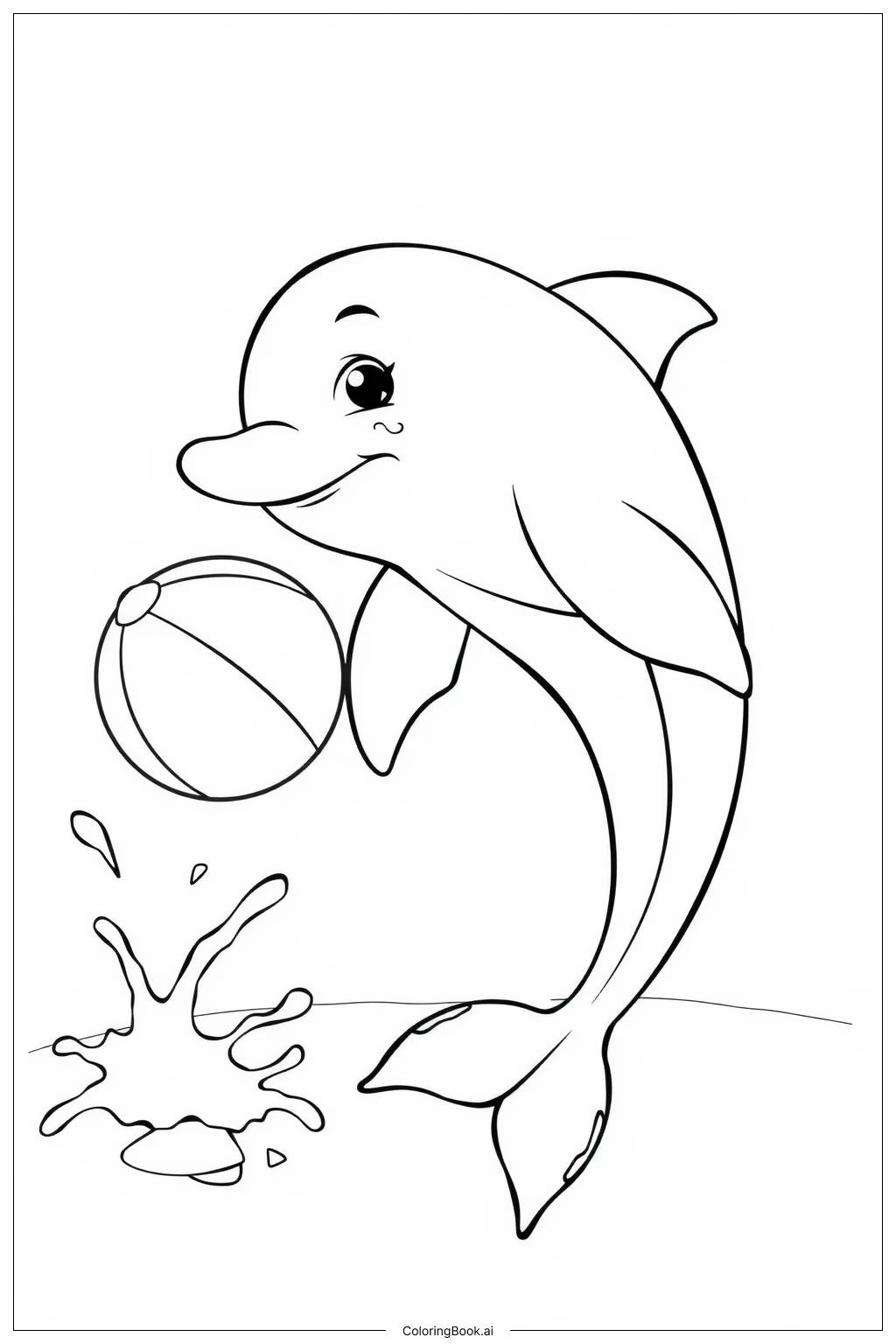
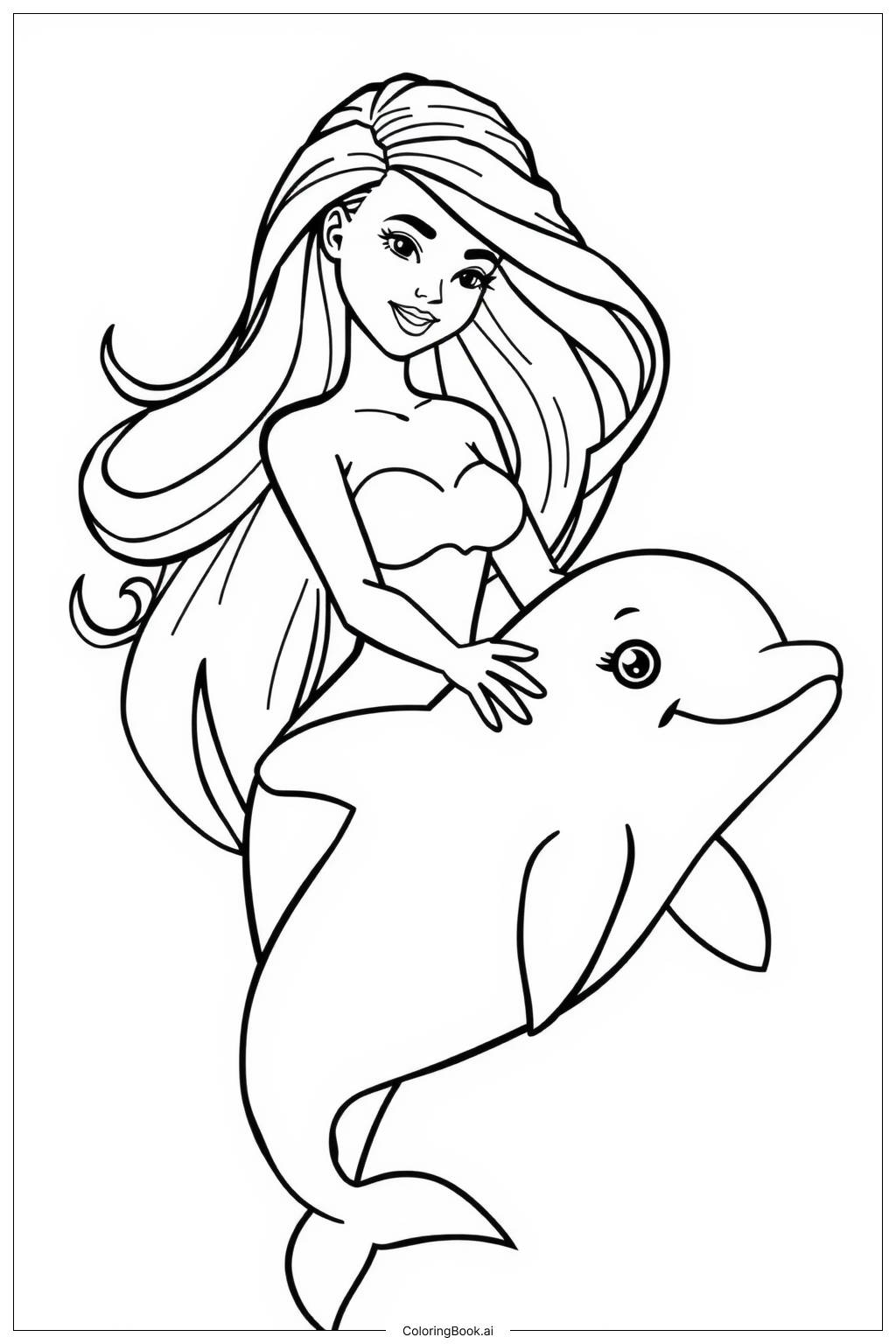
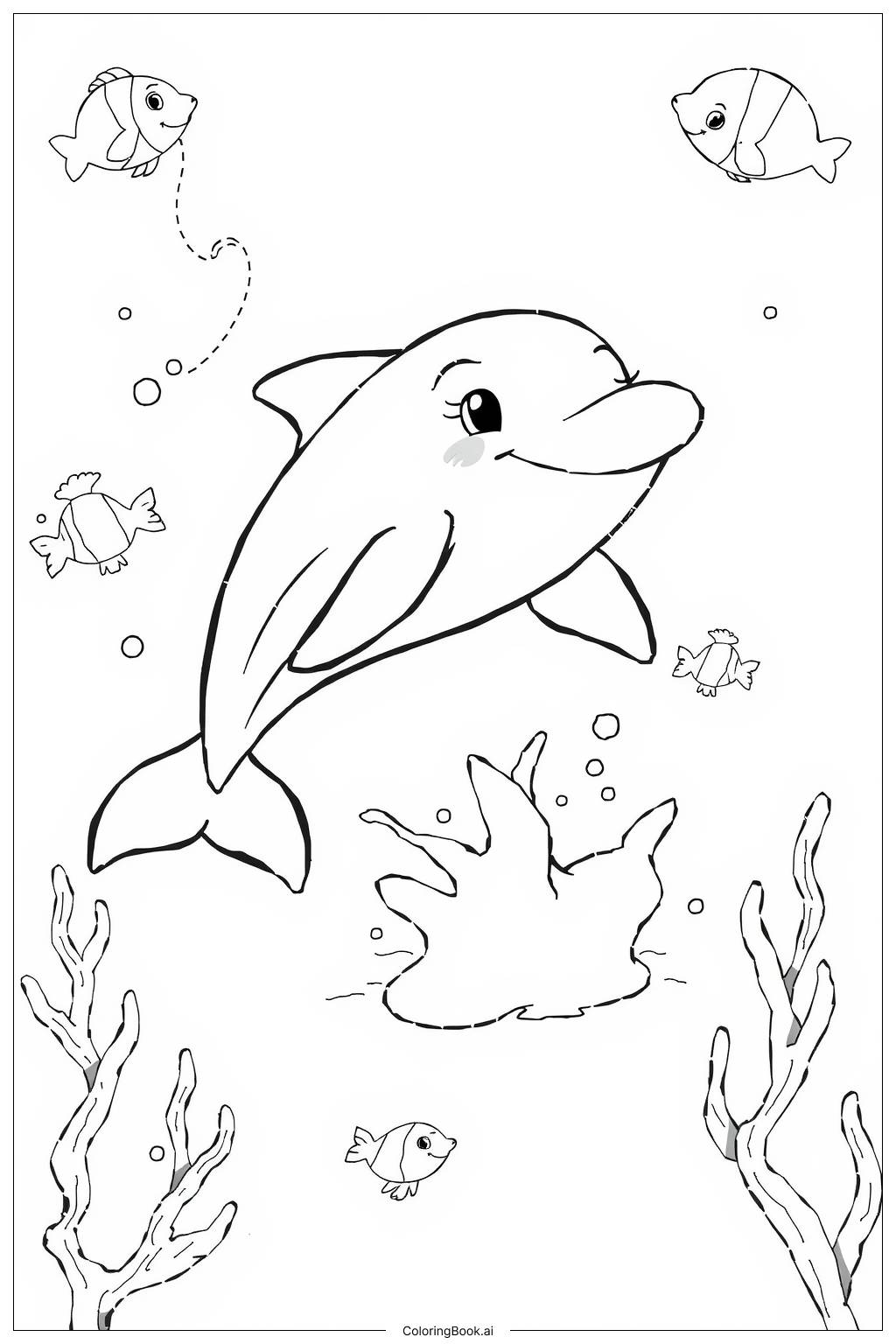
You can use different shades of gray for the dolphin’s body, mixing light and dark tones to create a realistic look. Add some blue or turquoise in the water area if you want to draw a background. Use soft colors like pale blue or green for the ocean to give it a calm feel. Bright colors such as pink or purple can make your dolphin look fun and imaginative if you want a more creative style. Don’t forget to color the dolphin’s eyes black or dark brown for a lively effect. The clean lines make it easy to stay inside the shapes, so younger kids can enjoy coloring this picture.
Coloring challenges: Which parts are difficult to color and need attention for Basic dolphin outline coloring page?
• Curve Precision: The dolphin’s body has smooth curves and rounded shapes which might be tricky to color neatly along the curved lines without going outside the edges.
• Small Details: The fins and tail have smaller areas that require careful coloring, which can be challenging for very young children who are still developing fine motor skills.
• Shading Challenge: Adding different shades to the dolphin to create a three-dimensional effect might be tricky for beginners since it requires blending colors smoothly.
• Limited Background: Since the image lacks a detailed background, users need to imagine and add their own environment, which might be overwhelming for some kids.
• Line Thickness Variation: Though the outline is bold overall, some finer details might require more careful coloring to avoid filling outside the lines.
Benefits of coloring books: Advantages of drawing Basic dolphin outline coloring page
Coloring this basic dolphin outline helps children develop fine motor skills by practicing steady hand movements within curved and small shapes. It encourages creativity as kids decide whether to color the dolphin realistically or use their imagination with vibrant colors. This activity also teaches children about marine animals and their forms in a simple, approachable way. Coloring gently curved lines builds hand-eye coordination, which is important for writing and drawing. Overall, it’s a calming and enjoyable exercise that boosts concentration, inspires artistic expression, and makes learning about wildlife fun for children of all ages.