Coloring tips: How to color A Dolphin's Journey Through the Ocean-2 coloring page well?
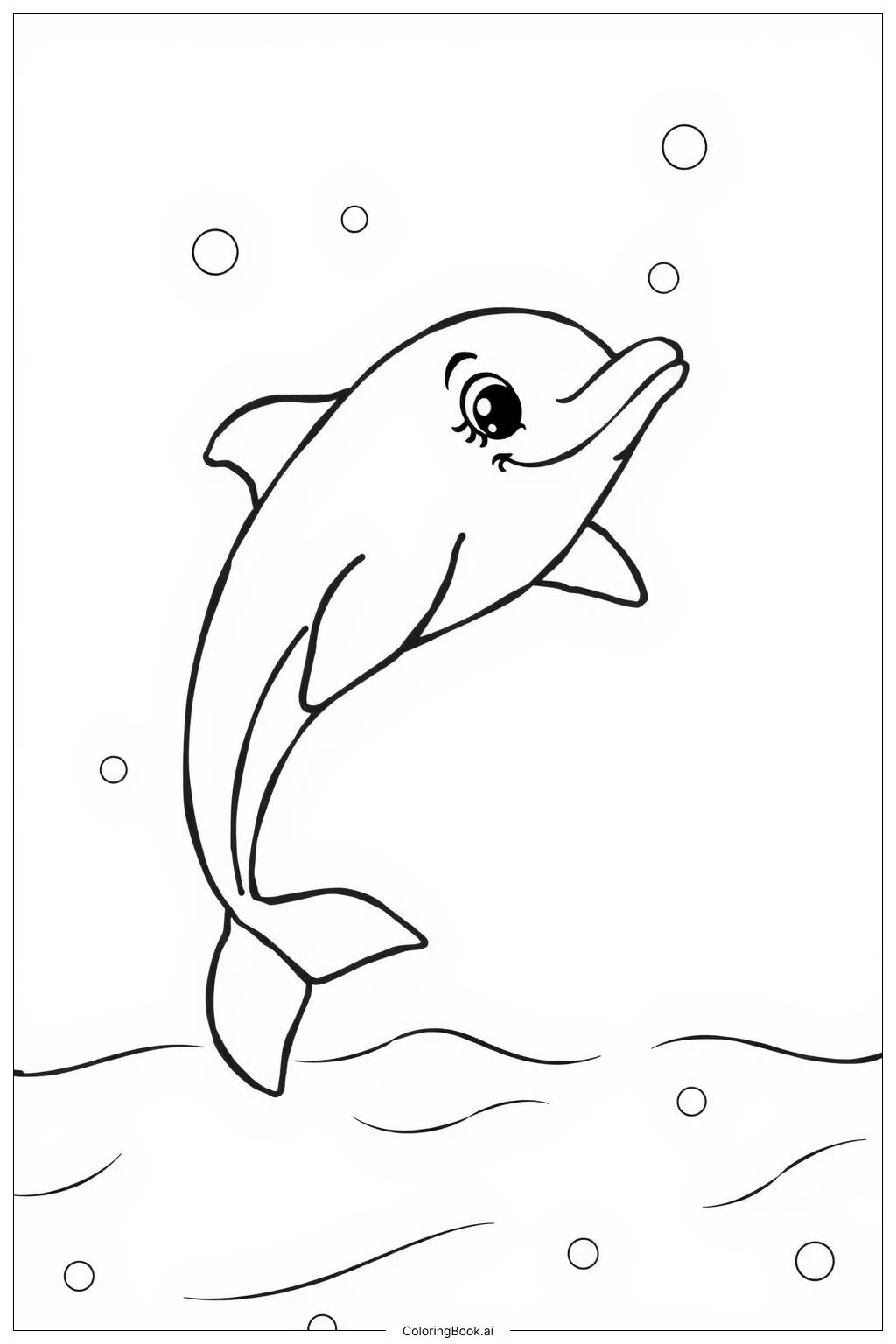
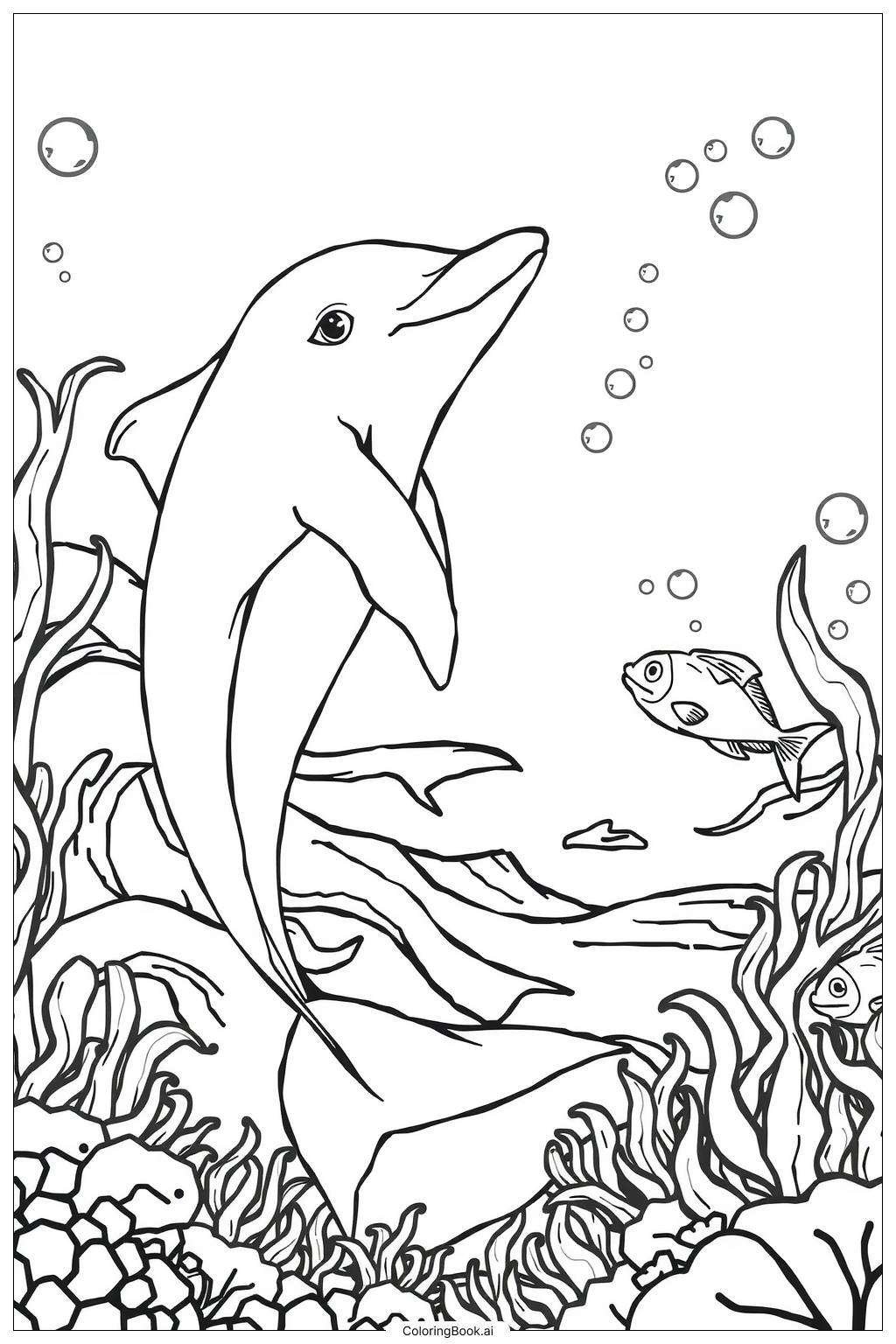
To bring this image to life, consider coloring the dolphin in shades of gray or blue to capture its natural look. You can add lighter shades on its belly and darker tones on its back for depth. Use different blues and greens to color the ocean, blending darker blues for the deeper parts and lighter blues or turquoise near the surface. The fish can be bright and colorful—think yellows, oranges, and reds—to make them stand out. The seaweed can be various shades of green to add variety. Don’t forget to color the bubbles in soft blues or white to give a sparkling effect. You might also add some light shading around the waves to show movement in the water.
Coloring challenges: Which parts are difficult to color and need attention for A Dolphin's Journey Through the Ocean-2 coloring page?
• Fine Details: The dolphin’s fins and tail have curved edges and small lines that require careful coloring to stay inside the lines and maintain smooth shapes.
• Multiple Elements: The image includes different sea creatures and underwater plants, so balancing colors so that each element stands out but also blends well can be challenging.
• Shading Water Effects: Capturing the look of water with wave patterns and bubbles might be tricky because it requires blending and light shading to create depth.
• Color Transitions: Creating smooth color gradients on the dolphin’s body or the ocean background to make the scene look natural takes practice and control over coloring tools.
• Small Areas: Tiny fish and bubbles require precision, which can be difficult for younger colorers who are still developing fine motor skills.
Benefits of coloring books: Advantages of drawing A Dolphin's Journey Through the Ocean-2 coloring page
Coloring this image helps improve hand-eye coordination and fine motor skills as children practice staying within detailed shapes. It encourages creativity through the use of different color choices and blending techniques for water and animals. The ocean scene invites learning about marine life, sparking curiosity about dolphins and sea habitats. Coloring the dolphin’s dynamic pose builds focus and patience, important skills for children’s development. Overall, this activity offers a fun and calming way to express imagination while strengthening artistic abilities.