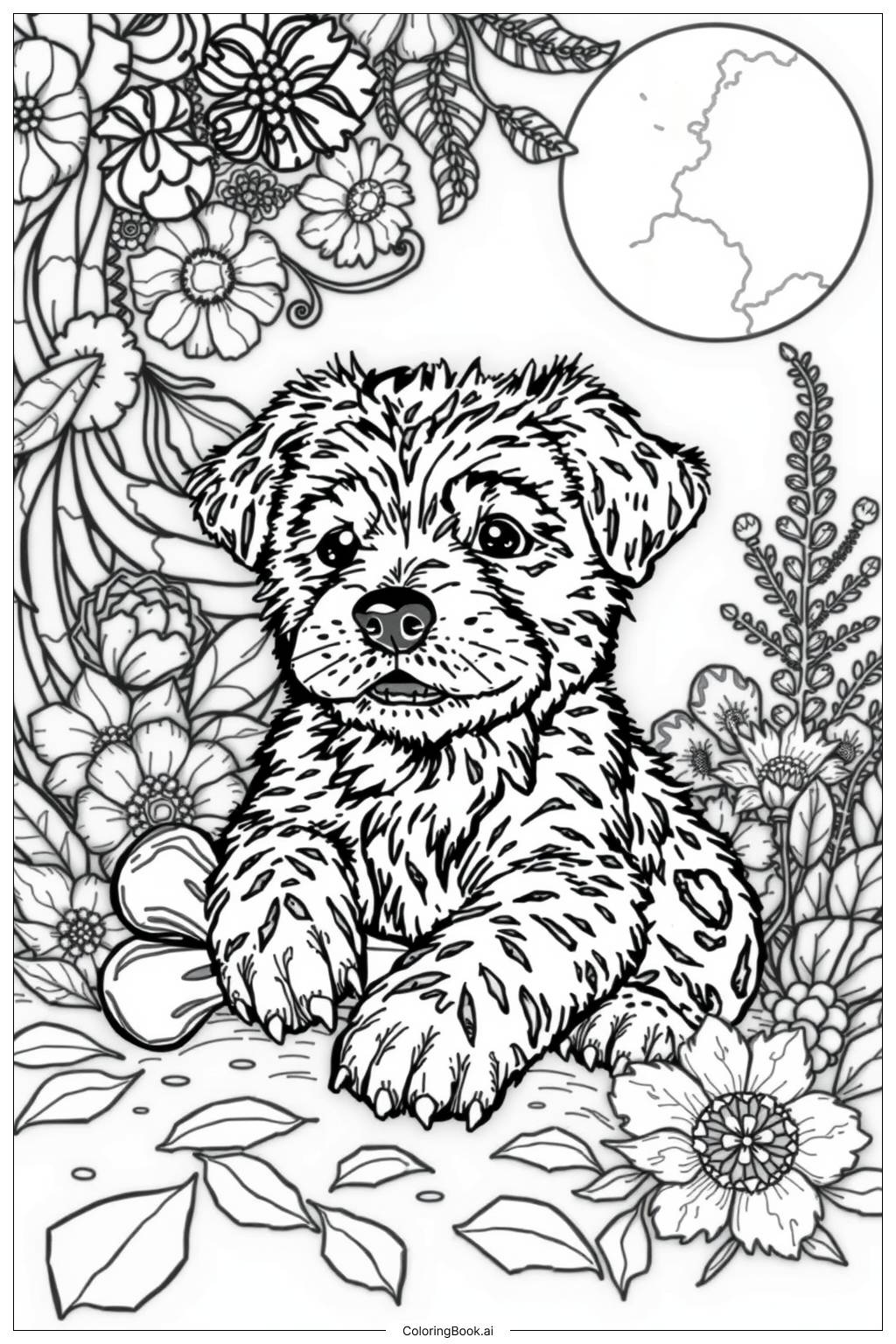
Coloring tips: How to color Puppy Bone Play coloring page well?
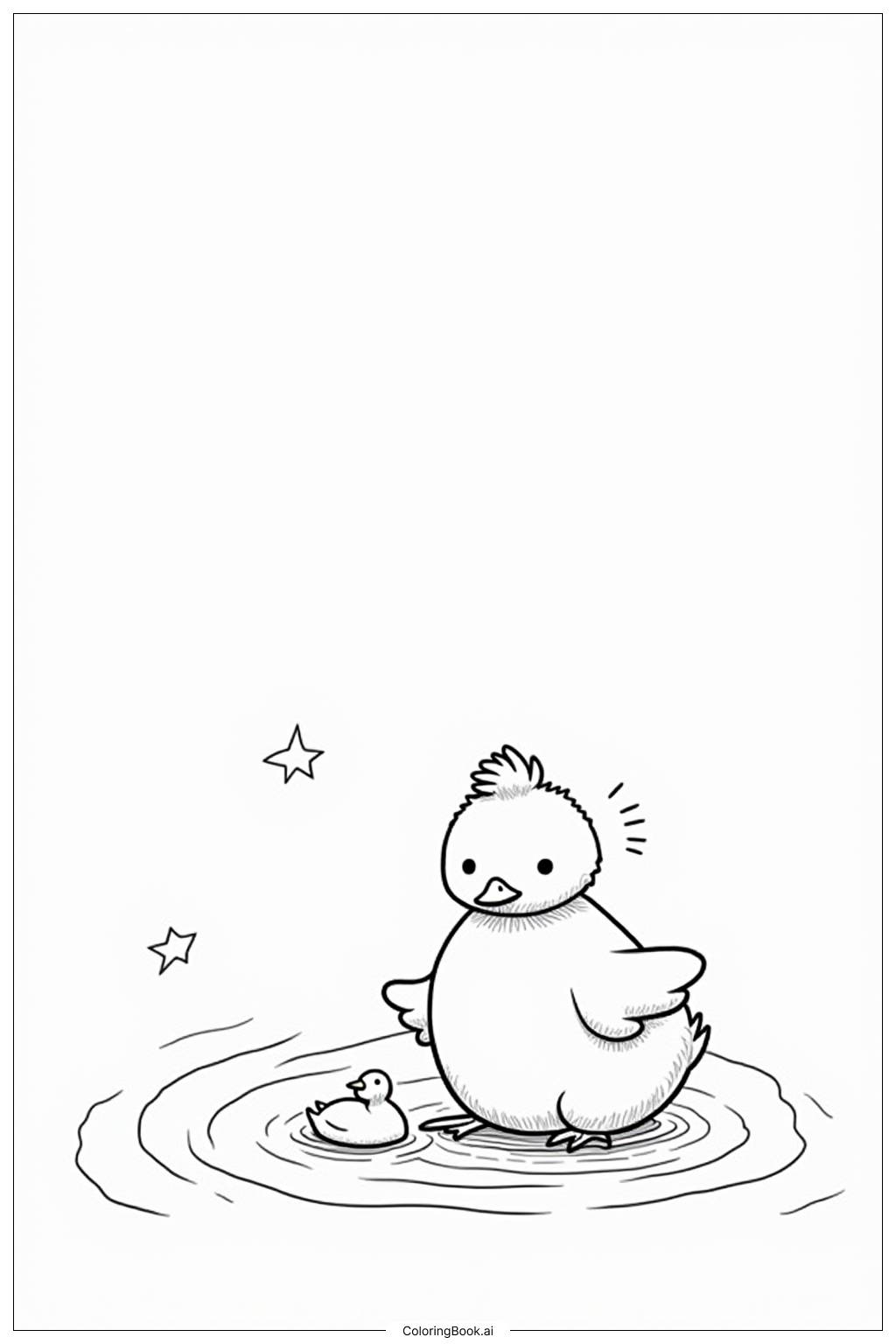
Start with the puppy's body. Use a warm tan, golden yellow, or light brown for the fur. You can add darker brown shading on the ears, paws, and tail to give the fur more depth. Leave a small white patch on the belly or chest for a cute contrast. For the bone, use an off-white or light cream color. Add a little gray or beige shading on the rounded ends to make it look solid and three-dimensional. Color the puppy's nose black or dark brown, and use pink for the tongue if it is showing. The eyes can be dark brown or black with a small white highlight dot to make them look shiny and alive. For the background and decorative stars or motion lines, try light blue, yellow, or soft purple to keep the mood playful and bright. Boys and Girls of all ages can have fun experimenting with their favorite colors to make the puppy their very own.
Coloring challenges: Which parts are difficult to color and need attention for Puppy Bone Play coloring page?
• Puppy Fur Texture: The puppy's fluffy fur has many short, overlapping lines and curves. Coloring inside these small areas neatly can be tricky, especially for younger children. Try using colored pencils with a sharp tip to carefully fill in each tuft of fur without going over the outlines.
• Shading and Depth on the Body: To make the puppy look round and three-dimensional rather than flat, you need to add lighter and darker tones to the fur. Deciding where to place shadows, such as under the chin, behind the ears, and around the legs, requires some planning before you start.
• The Bone Details: The bone has rounded knobs at each end and a smooth center section. Keeping the shading consistent across both ends while leaving the middle slightly lighter takes patience. Getting the two ends to look balanced and even is a common challenge.
• Small Facial Features: The puppy's eyes, nose, and mouth are small and close together. Filling them in with the right colors without accidentally coloring outside the lines requires a steady hand and a fine-tipped tool. The tiny highlight dot in the eye is especially small and easy to miss.
• Motion Lines and Background Elements: The small stars and motion lines around the puppy are thin and closely spaced. Coloring these without smudging nearby areas or losing the fine detail calls for careful, controlled strokes. Choosing colors that stand out from the puppy without clashing also takes a bit of thought.
Benefits of coloring books: Advantages of drawing Puppy Bone Play coloring page
Coloring this fun Puppy Bone Play image offers many great benefits for children and anyone who loves creative activities. Here are some of the top reasons to pick up your colors and get started.
It builds focus and concentration. Staying inside the lines and choosing colors for each part of the image helps train the brain to pay attention to details. This is a skill that helps in school and in everyday life.
It develops fine motor skills. Holding a crayon or colored pencil and making controlled strokes strengthens the small muscles in the hands and fingers. This is especially helpful for younger children who are still developing their grip and hand coordination.
It sparks creativity and imagination. There is no single right way to color this puppy. Children are free to choose any colors they like, which encourages creative thinking and self-expression.
It is a calming and relaxing activity. The quiet, repetitive motion of coloring helps reduce stress and anxiety. It gives kids a chance to slow down and enjoy a peaceful moment.
It builds confidence. Finishing a coloring page gives children a real sense of achievement. Seeing their completed artwork makes them feel proud and motivated to try more.