Coloring tips: How to color Divine Mercy Angel coloring page well?
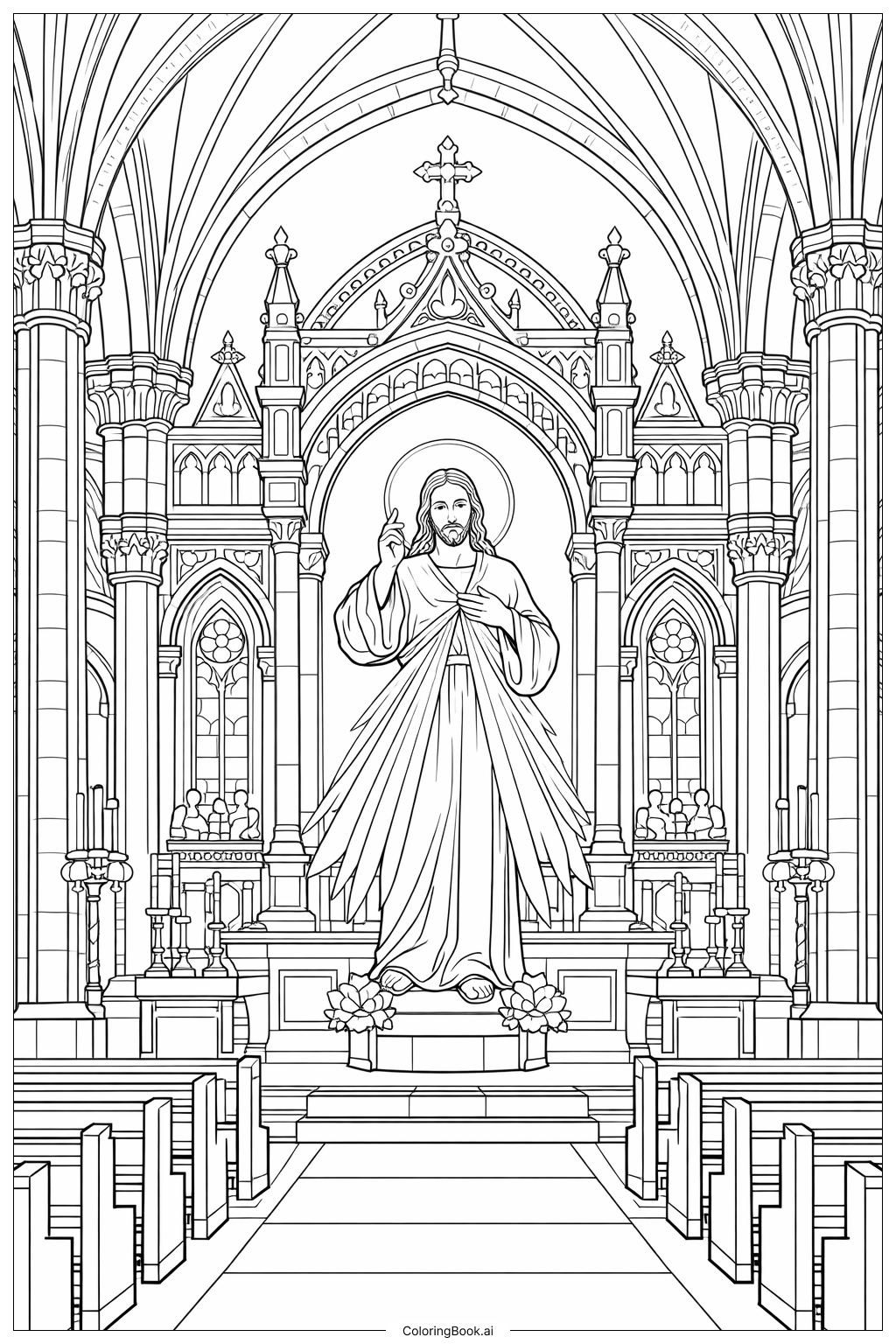
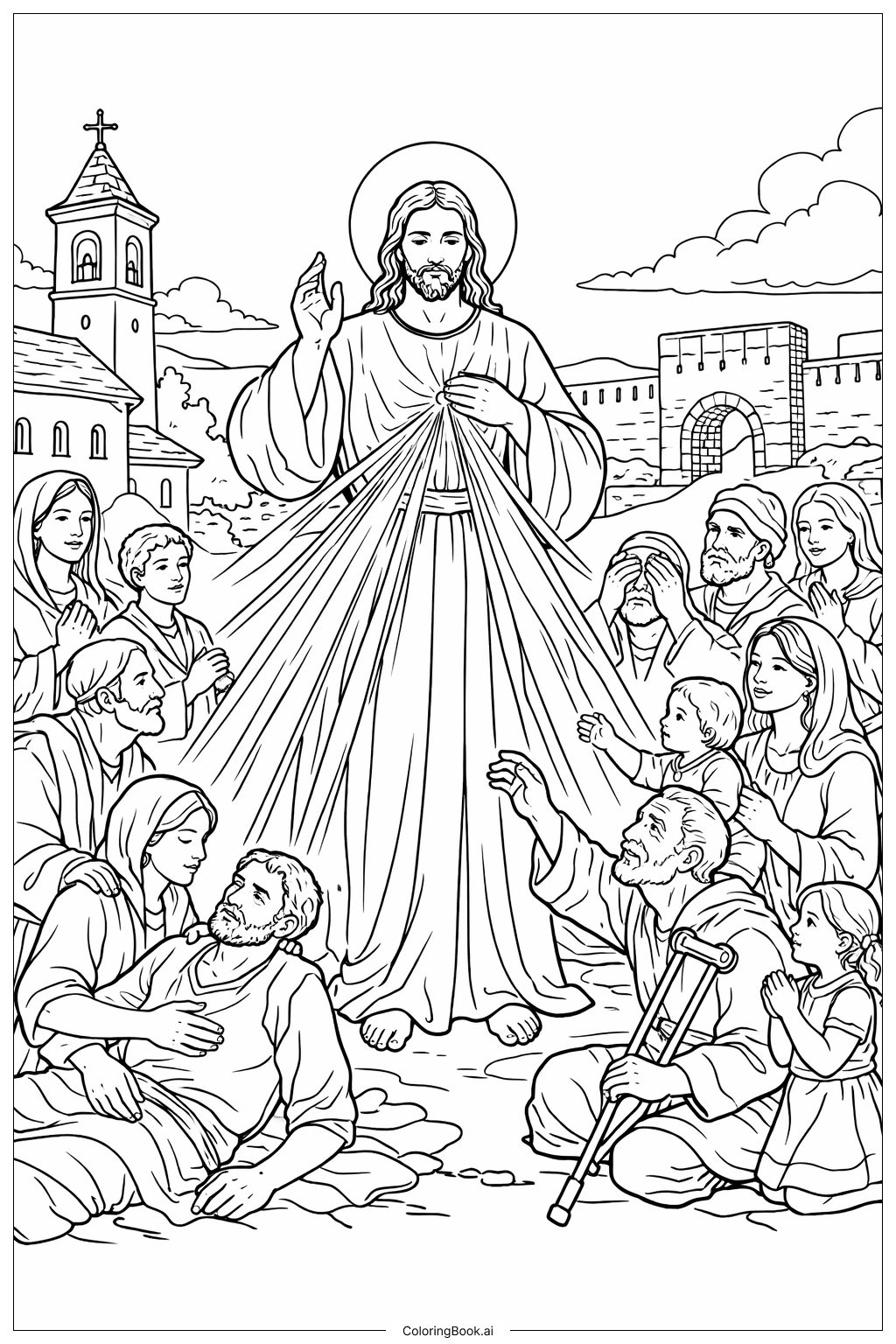
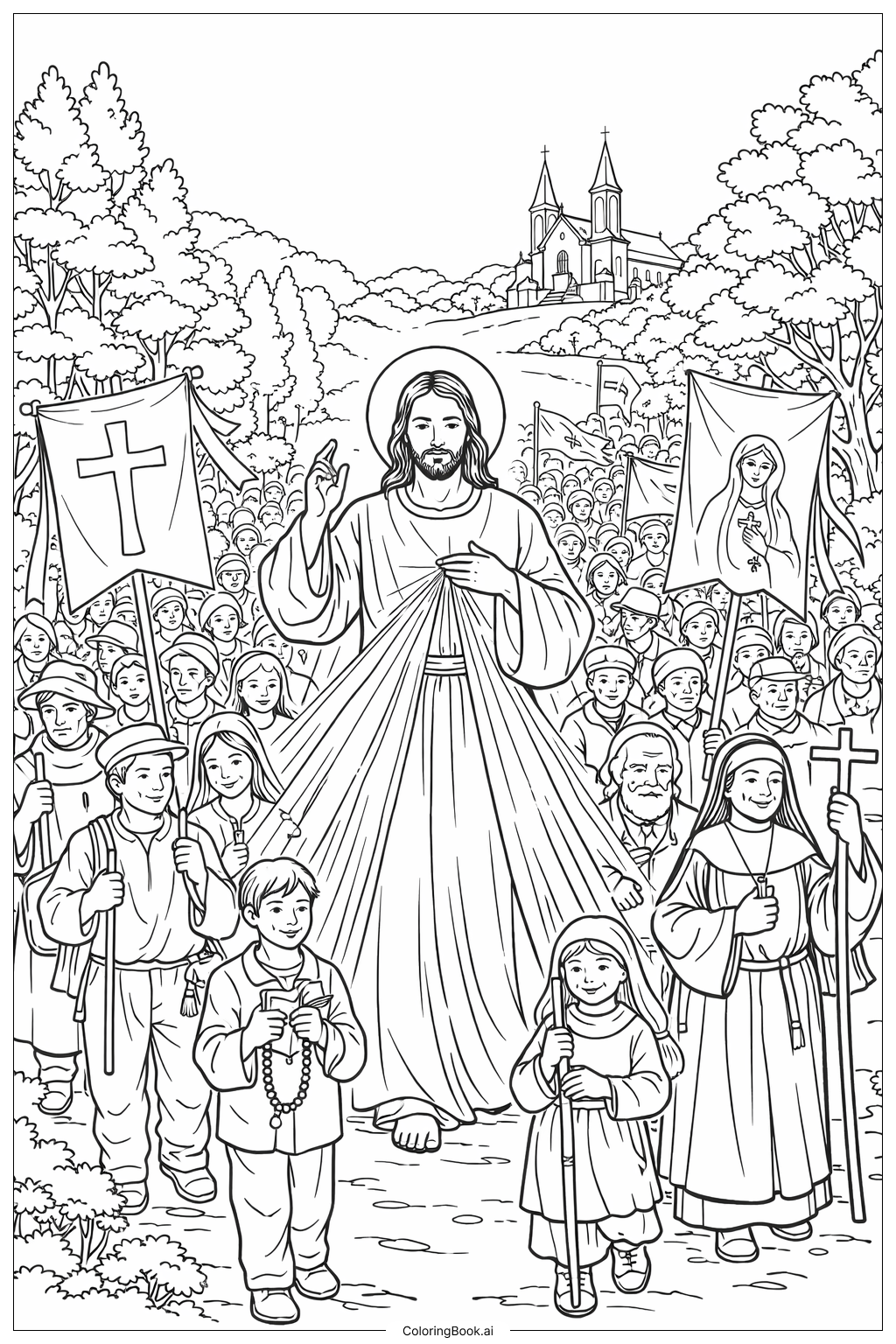
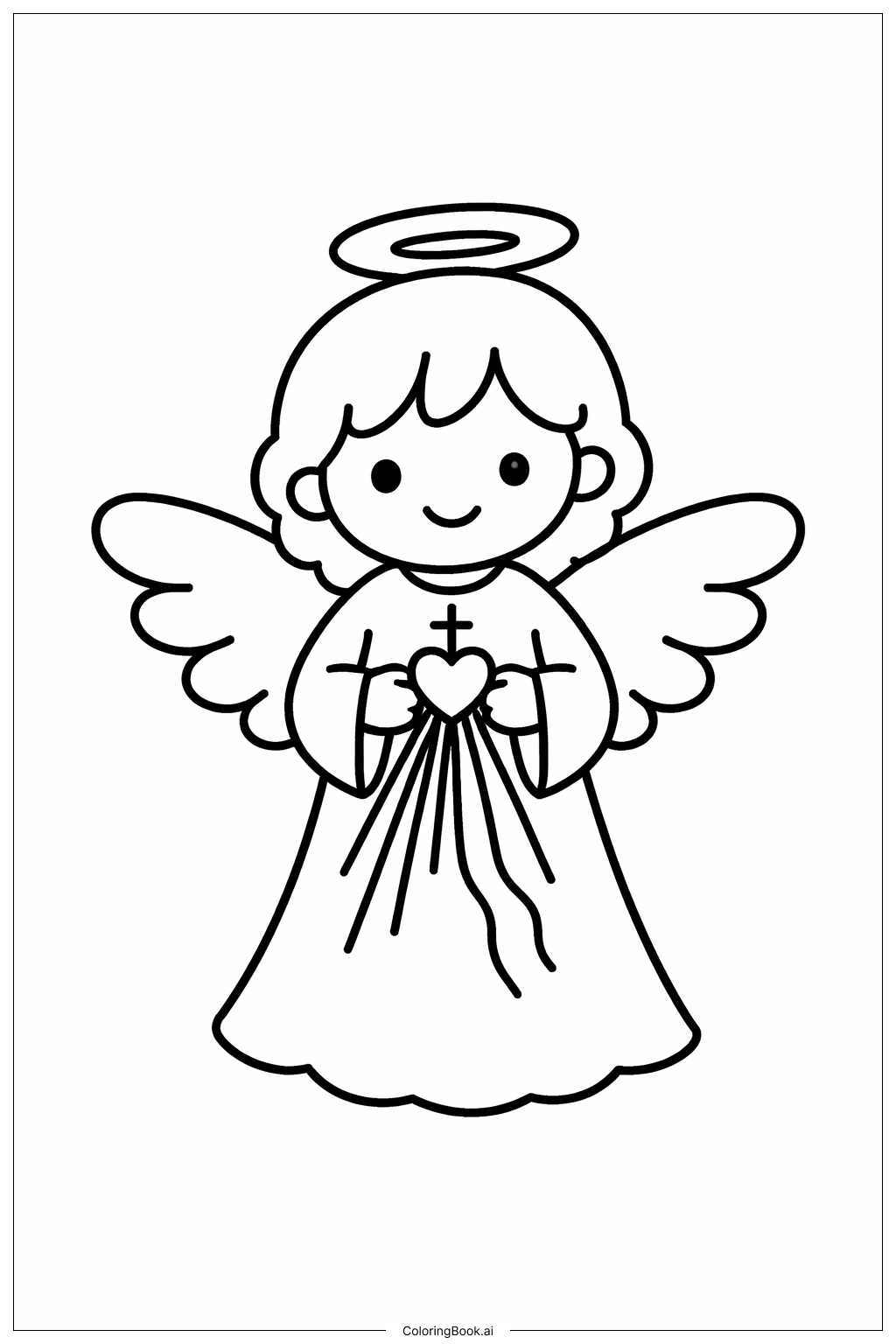
For the Divine Mercy Angel, try using soft and light colors to reflect its peaceful and holy presence. Light blues and whites work well for the wings to show purity. The robes can be colored with gentle shades such as pale pink, cream, or soft gold to give a warm and kind feeling. Use yellow or light gold for the rays of light around the angel to represent divine mercy shining outward. The small cross can be colored brown or gold to stand out simply. Use gentle blending on the clouds to create a soft, heavenly background. Keep the colors calm and soothing to match the angel’s gentle expression and the peaceful scene. Experiment with pastel tones and smooth shading to bring out the divine and tender spirit in the image.
Coloring challenges: Which parts are difficult to color and need attention for Divine Mercy Angel coloring page?
• Fine Details on Wings: The wings have many small feathers that need careful coloring to keep the delicate look without losing the feather pattern.
• Light Rays Gradation: The rays of divine light require smooth blending of yellows and whites to create a glowing effect, which can be tricky for beginners.
• Robes’ Fold Shadows: The flowing robes have folds that need shading with subtle color changes to show depth and softness, which demands patience and control.
• Facial Features: The angel’s calm and gentle face has fine lines and delicate expressions, requiring precise and careful coloring to maintain the serene mood.
• Background Clouds: Coloring the clouds softly while keeping them distinct from the angel and rays needs gentle and gradual color transitions that can challenge younger colorists.
Benefits of coloring books: Advantages of drawing Divine Mercy Angel coloring page
Coloring this Divine Mercy Angel allows children and adults to practice attention to detail and gentle hand control. It encourages creativity in choosing calming, spiritual colors that convey peace and kindness. Focusing on shading the robes and wings helps develop skills in blending and layering colors. Working with the light rays offers a chance to experiment with creating glowing effects, enhancing artistic confidence. The image also promotes mindfulness and relaxation by inviting colorists to connect with themes of mercy, compassion, and serenity. Overall, it supports both artistic growth and emotional well-being through a meaningful and beautiful subject.