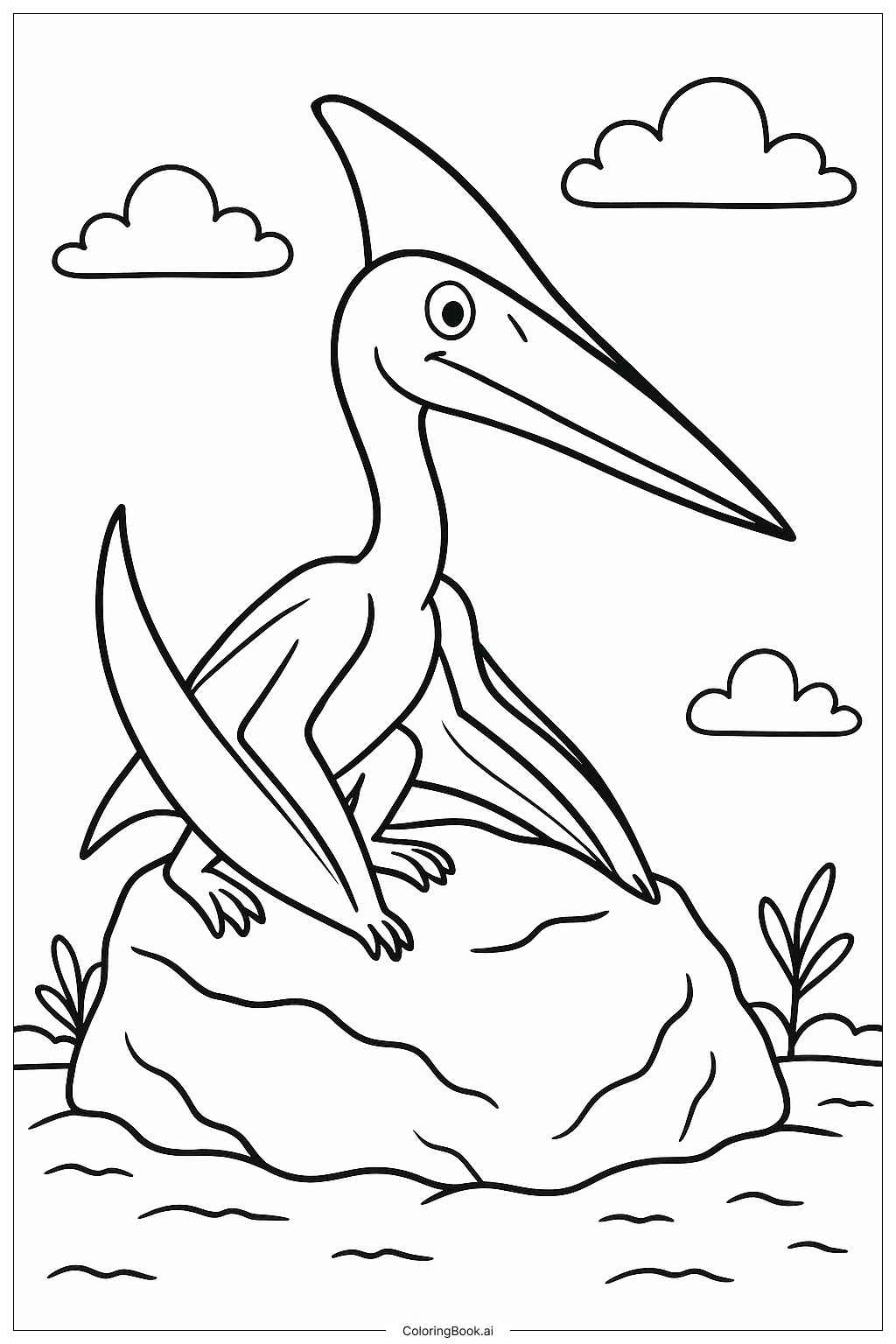
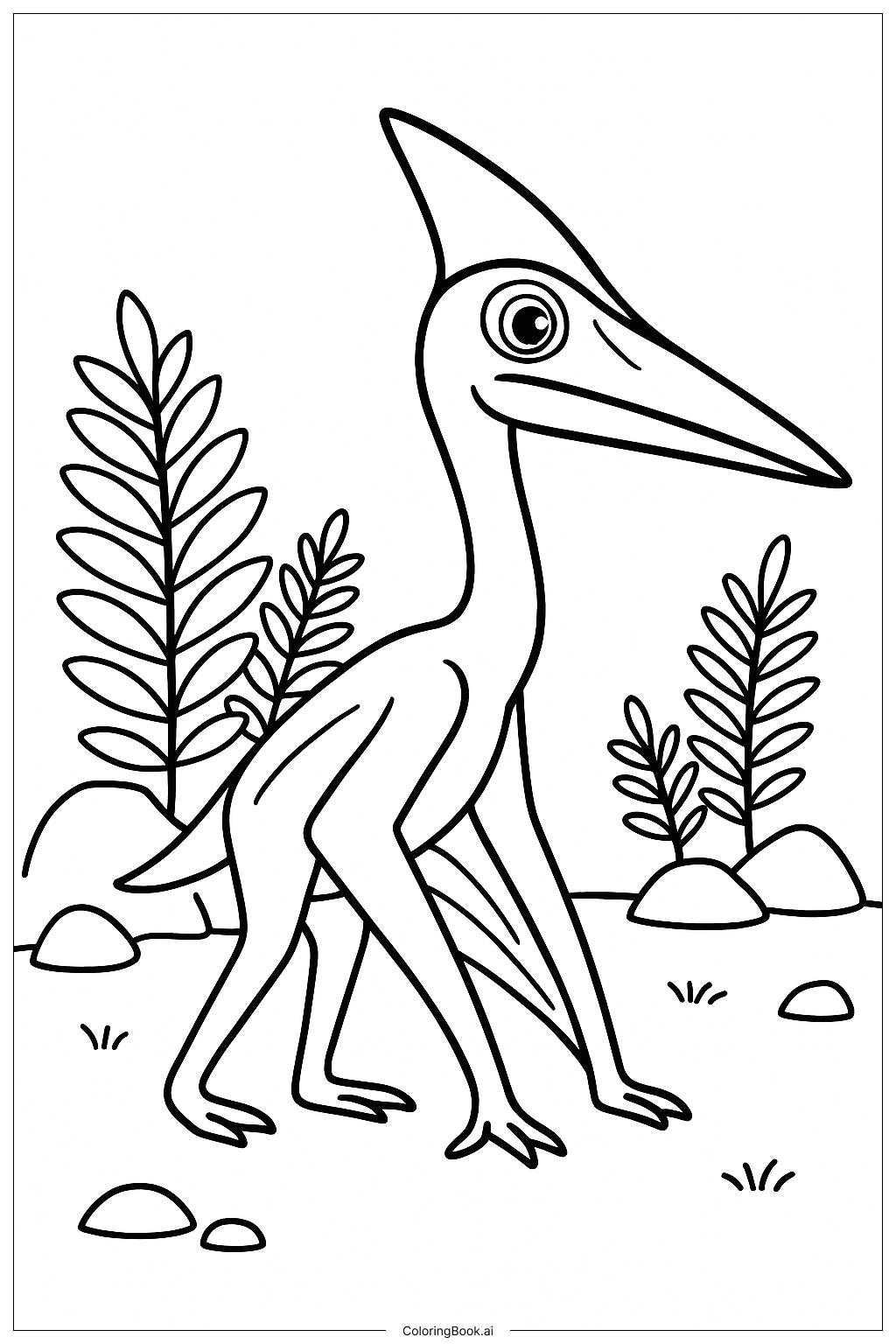
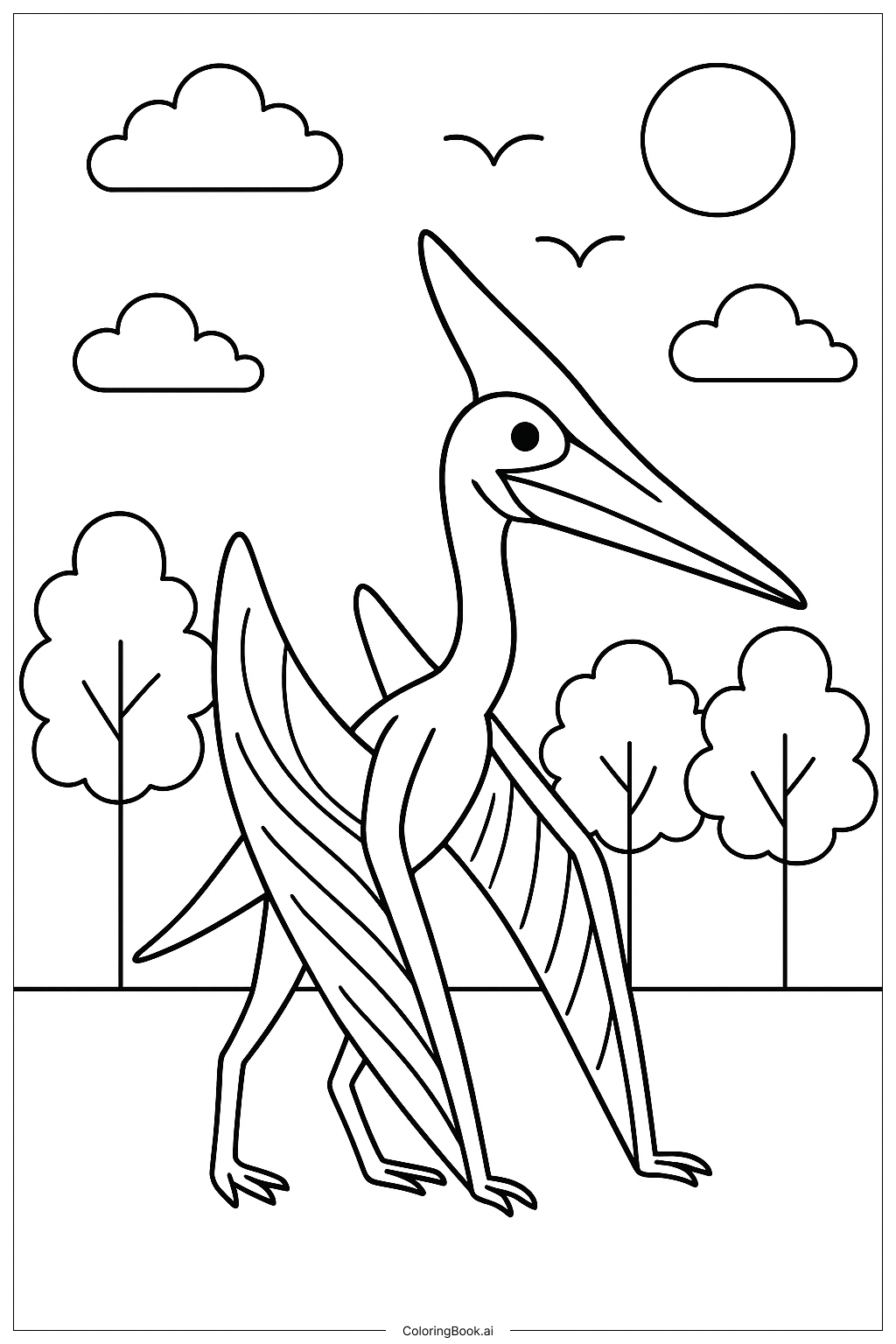
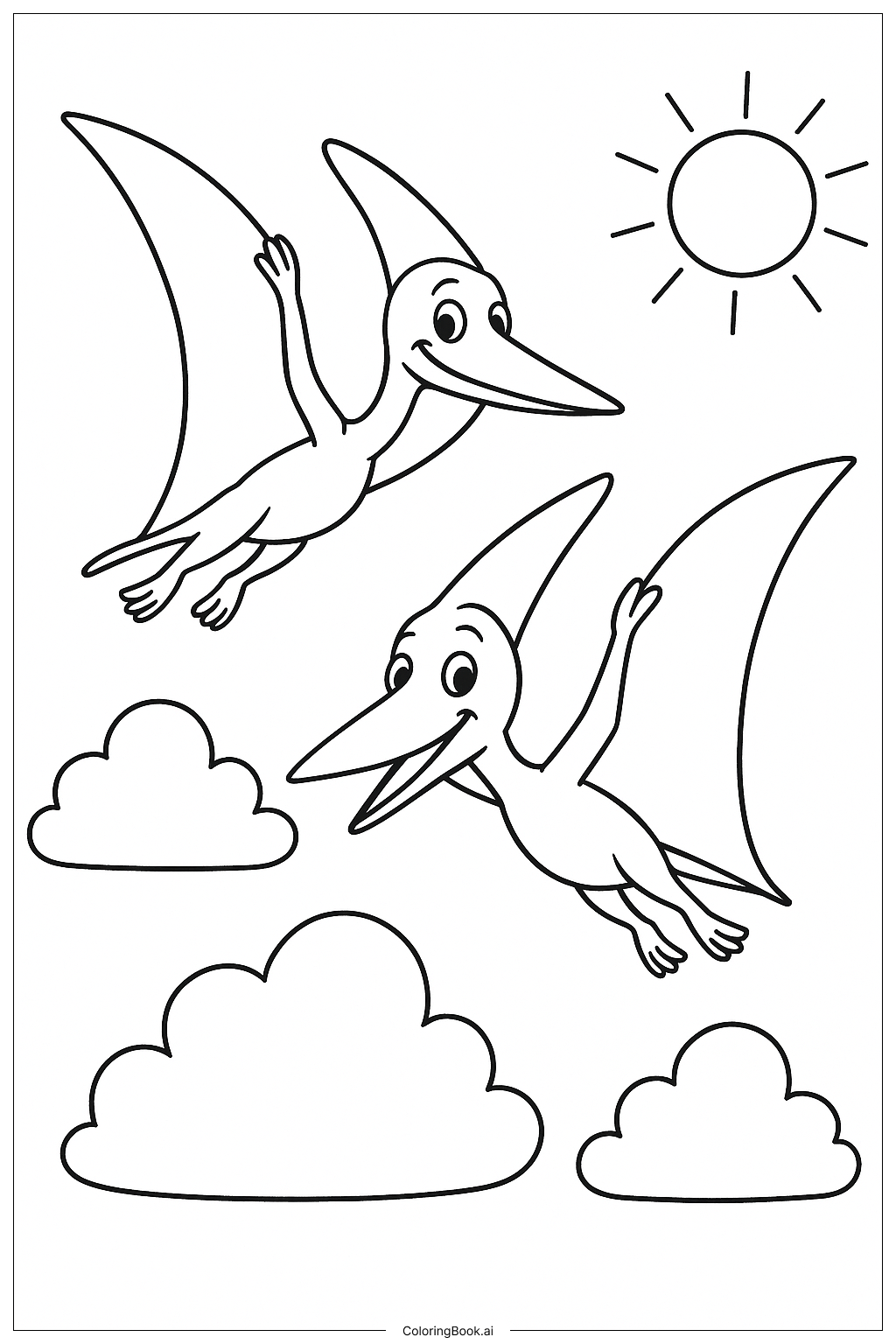
Coloring tips: How to color Smiling Dinosaur coloring page well?
Start by choosing a fun base color for the dinosaur's body. You can go classic green, or try something bold like purple, blue, or orange — there are no rules! Use a lighter shade of your base color for the belly area to give the dinosaur a soft, rounded look. Color the spikes along the back in a contrasting color, like yellow or red, to make them pop. Add darker tones to the sides and under the arms to create a sense of depth. For the eyes, use bright colors like golden yellow or light brown for the iris, with a small white dot to make them sparkle. The smile and teeth can be colored white or left uncolored for a clean look. Use textured strokes on the skin to suggest scales. Feel free to add a colorful background — a jungle, volcano, or sunny sky all make great settings for your dino friend!
Coloring challenges: Which parts are difficult to color and need attention for Smiling Dinosaur coloring page?
• Body Shading and Depth: The dinosaur's round, chunky body requires careful shading to avoid a flat look. Applying two or three tones of the same color — light, medium, and dark — helps give the body a three-dimensional feel. This can be tricky for younger colorists who are still learning how light and shadow work.
• Spike Details Along the Back: The row of triangular spikes running down the dinosaur's back are small and closely spaced. Staying within the lines while using a contrasting color takes steady hands and a fine-tipped tool. Rushing through this section can result in the spikes blending into the body color.
• Facial Expression Accuracy: The dinosaur's big smile and expressive eyes are the heart of this image. Getting the colors right — especially around the mouth, teeth, and eyes — requires patience. Using too dark a color around the eyes can make the dinosaur look scary instead of friendly.
• Skin Texture Patterns: The subtle scale or texture patterns on the dinosaur's skin add realism and visual interest. Carefully following these small patterns with a slightly darker shade without going outside the lines demands focus and control, especially for beginners.
• Color Consistency Across Large Areas: The body takes up a large portion of the page. Maintaining an even, consistent color tone across the entire body without streaks or uneven patches can be challenging, particularly when using colored pencils or crayons over a wide surface area.
Benefits of coloring books: Advantages of drawing Smiling Dinosaur coloring page
Coloring this smiling dinosaur page offers a wide range of fun and developmental benefits for kids. The large, clearly outlined shapes are perfect for younger children who are just learning to color within the lines, helping them build fine motor skills and hand-eye coordination. As they carefully fill in the spikes, eyes, and body, children practice focus and attention to detail. Choosing colors for the dinosaur encourages creative thinking and self-expression — there is no wrong answer, and that freedom boosts confidence. The friendly, happy character of the dinosaur also creates a positive emotional experience, making the activity relaxing and enjoyable. For older kids, the shading and texture challenges offer a chance to explore artistic techniques like blending and layering colors. Completing the page gives a satisfying sense of accomplishment. Coloring also supports early learning by sparking curiosity about dinosaurs, leading to fun conversations about prehistoric life. Overall, this page is a wonderful mix of creativity, learning, and pure fun.