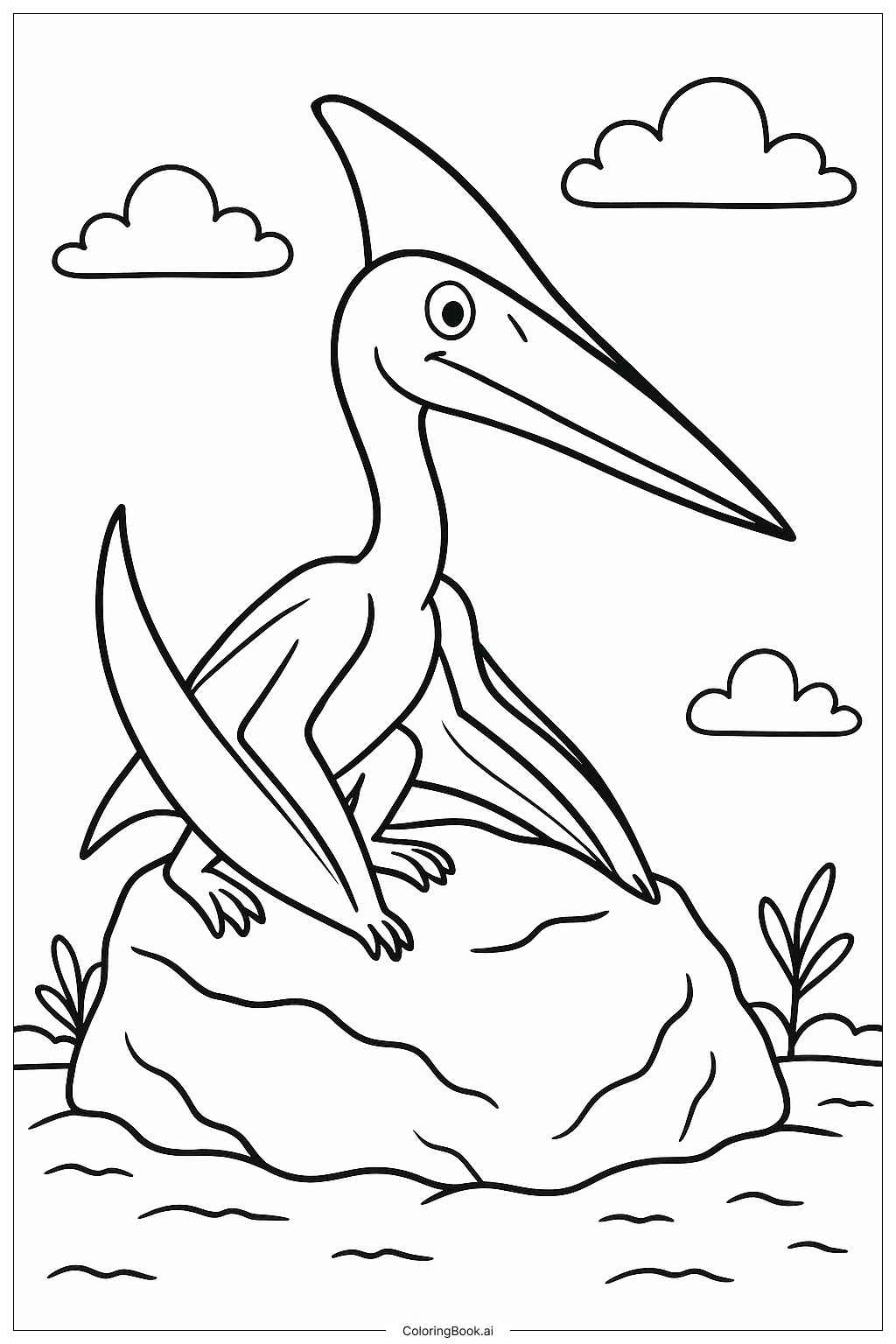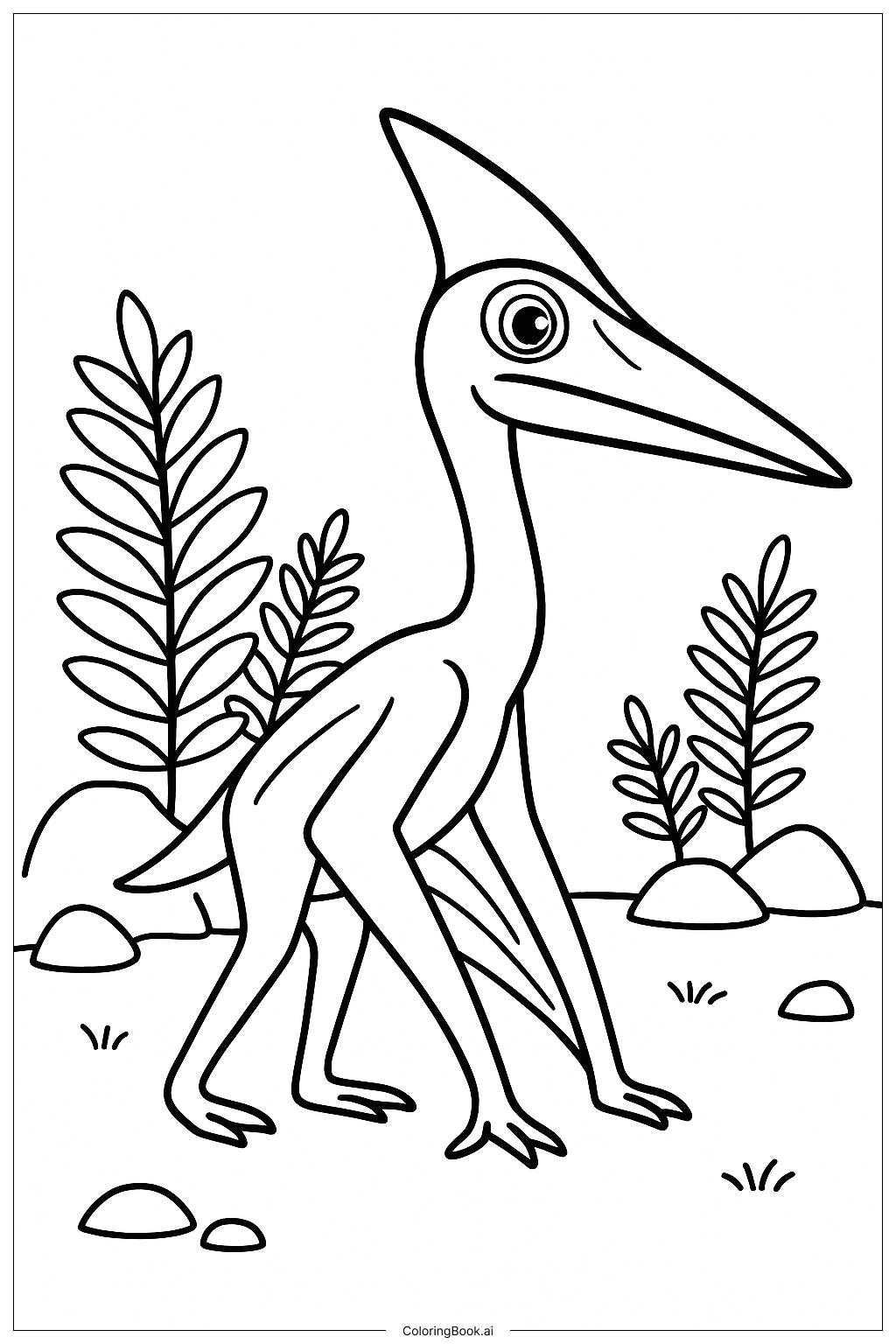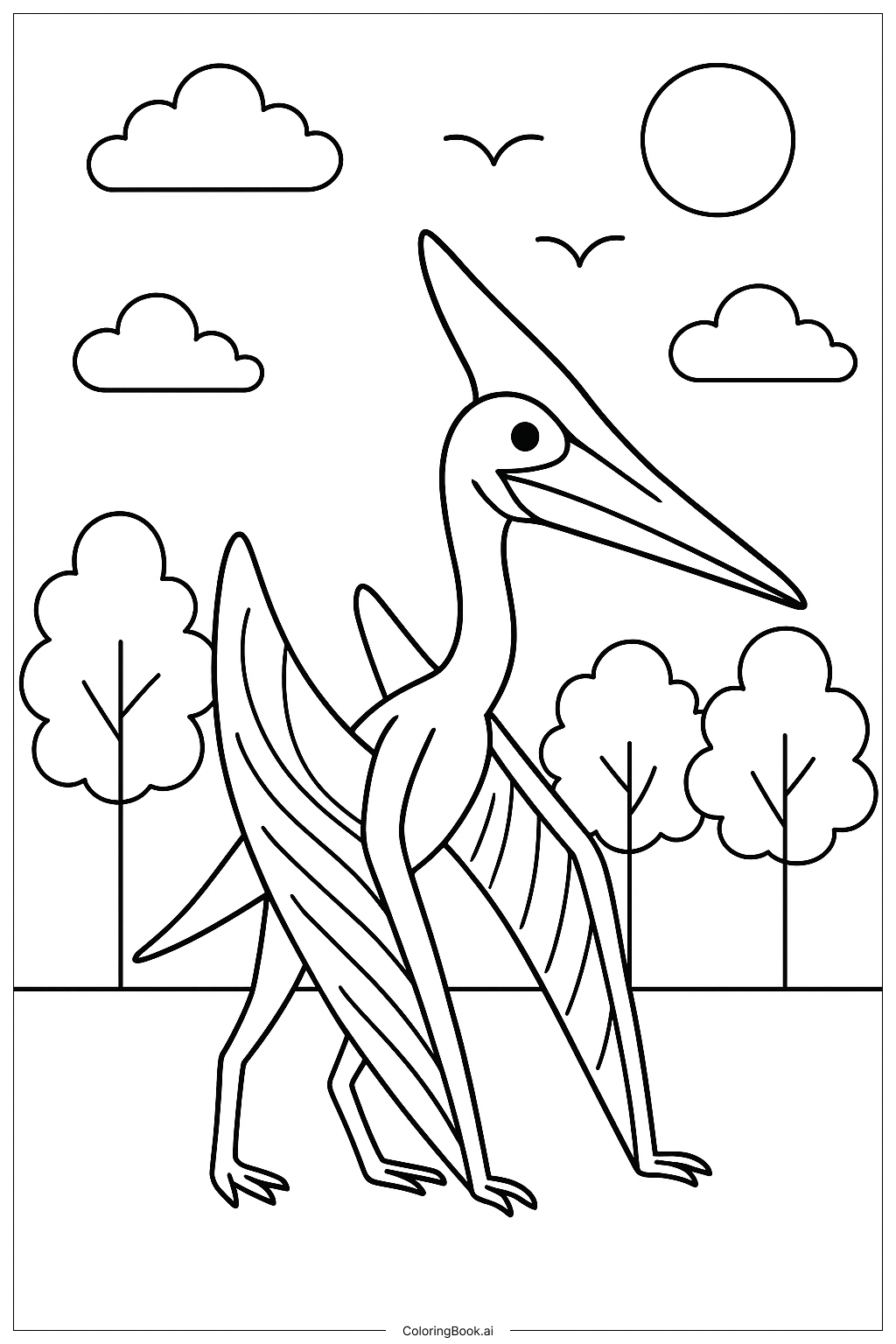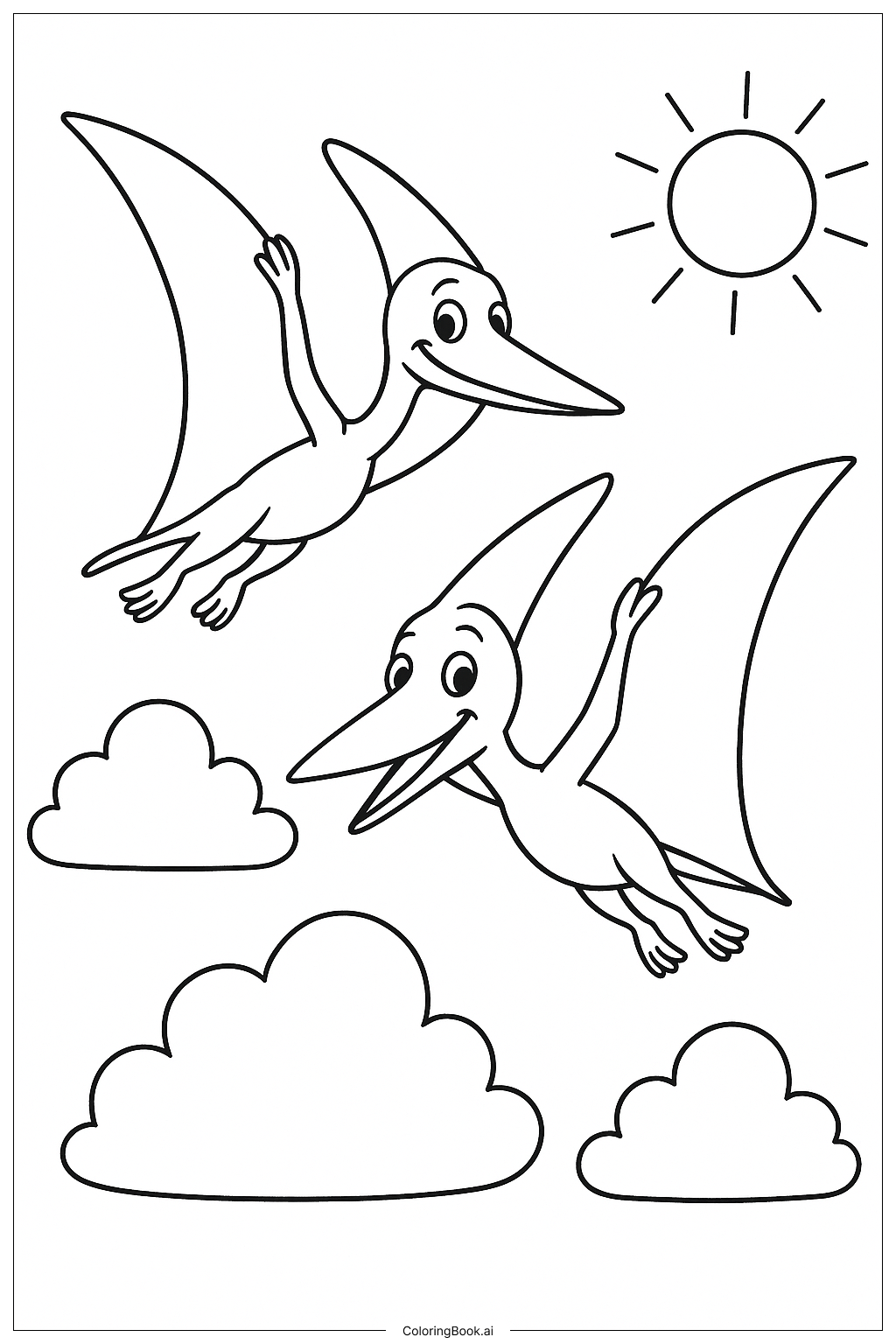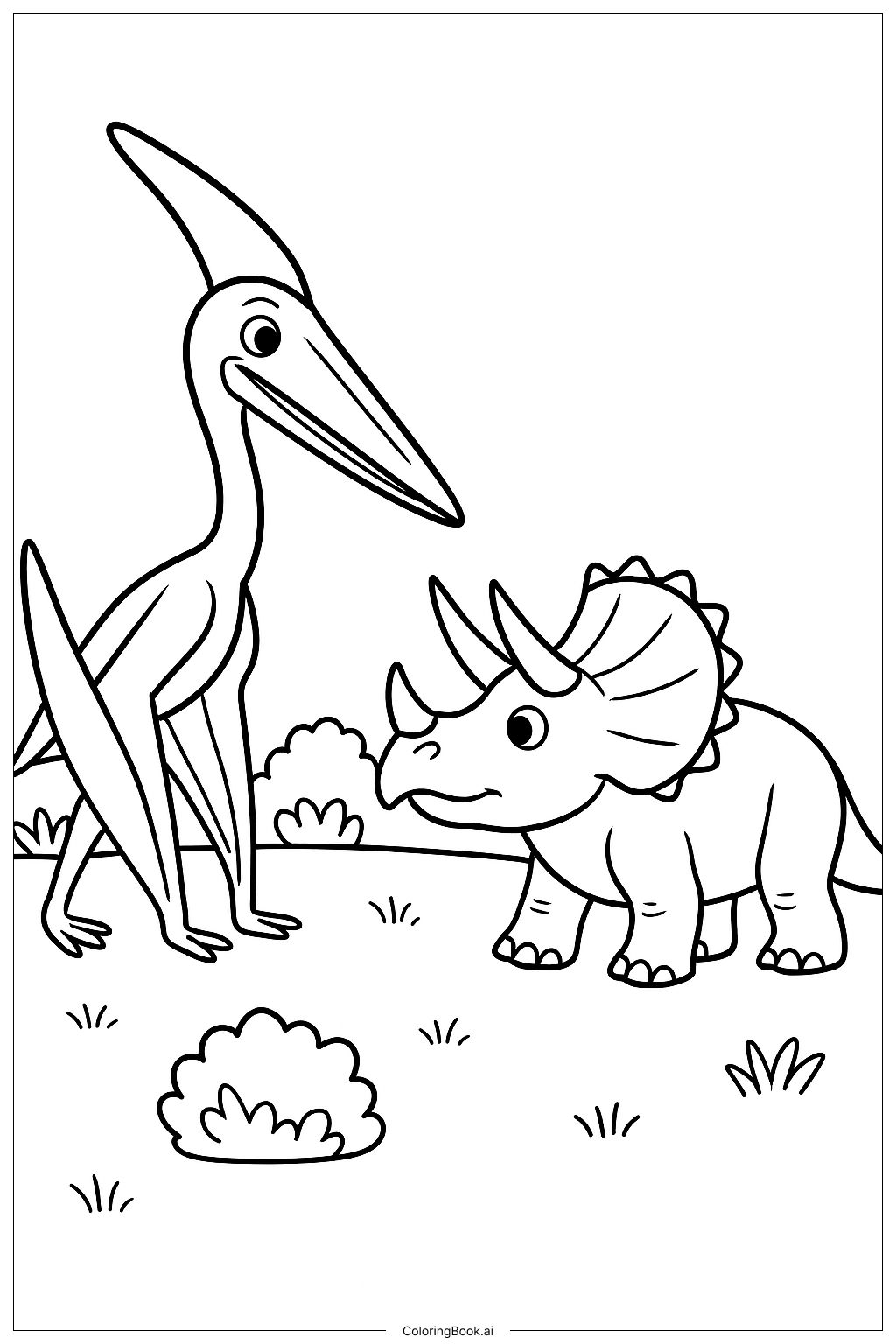
Coloring tips: How to color Quetzalcoatlus Meets A Triceratops coloring page well?
Start with the Quetzalcoatlus. Its skin is often imagined with earthy tones like tan, brown, or sandy yellow. You can add patches of orange or red on its crest to make it eye-catching. Use a bold color like rusty red or deep orange for the long beak. For the Triceratops, try a mix of green and gray for the body. The three horns look great in dark brown or ivory. The frill is a fun area to get creative — try bright reds, oranges, or even purple with spotted patterns to make it pop. Use darker shades to add shadow under the belly and along the legs of both animals. This gives them a rounder, more three-dimensional look. For the background, soft greens and browns work well for the ground plants, while a warm yellow or pale blue sky adds atmosphere. Feel free to mix colors and experiment. There are no wrong choices when it comes to coloring dinosaurs!
Coloring challenges: Which parts are difficult to color and need attention for Quetzalcoatlus Meets A Triceratops coloring page?
• Quetzalcoatlus Wing Detail: The wings of the Quetzalcoatlus span a large area of the page and contain subtle lines suggesting membrane texture and bone structure. Staying within these lines while blending multiple shades of brown or tan takes patience. Using a fine-tipped colored pencil or marker for the inner details before filling larger sections helps maintain control.
• Triceratops Frill Patterns: The broad, fan-shaped frill of the Triceratops has a complex network of lines and bumpy textures along its edge. Coloring this area neatly without smudging nearby sections requires careful attention. Consider coloring the frill last so that the surrounding areas are fully dry before you begin.
• Overlapping Figures: The two creatures occupy a shared space, and where their bodies overlap, it can be tricky to keep colors separate and clean. Using lighter pressure near the boundary lines and switching to a thinner tool helps prevent colors from bleeding into one another.
• Small Facial Features: Both animals have small eyes, nostrils, and detailed mouth lines that are easy to accidentally cover up. Use a very fine pencil or pen to gently trace these features first, then fill carefully around them with your chosen skin tones.
• Background Depth: The background plants and ground details sit behind the main figures. Choosing colors that are noticeably lighter or cooler than the foreground dinosaurs helps push the background back visually and makes the main characters stand out more effectively.
Benefits of coloring books: Advantages of drawing Quetzalcoatlus Meets A Triceratops coloring page
Coloring this scene of two ancient giants is a wonderful activity for kids and dinosaur fans of all ages. It sparks curiosity about prehistoric life and encourages children to learn more about real creatures like the Quetzalcoatlus and Triceratops. Researching what colors these animals might have had teaches young artists that science and creativity go hand in hand.
Working on the large, detailed figures helps build fine motor skills and steady hand control. Staying within lines, blending colors, and switching between different tools all strengthen the small muscle movements that children use in writing and everyday tasks.
The scene also encourages imagination. Since no one truly knows what color dinosaurs were, every choice is valid. This freedom builds confidence and allows kids to express themselves without fear of making mistakes.
Focusing on a detailed image like this also promotes concentration and patience. Completing a complex coloring page gives children a real sense of achievement. Hanging the finished artwork on a wall or sharing it with friends and family adds pride and motivation to keep creating. It is a screen-free activity that is both relaxing and mentally engaging for children and adults alike.