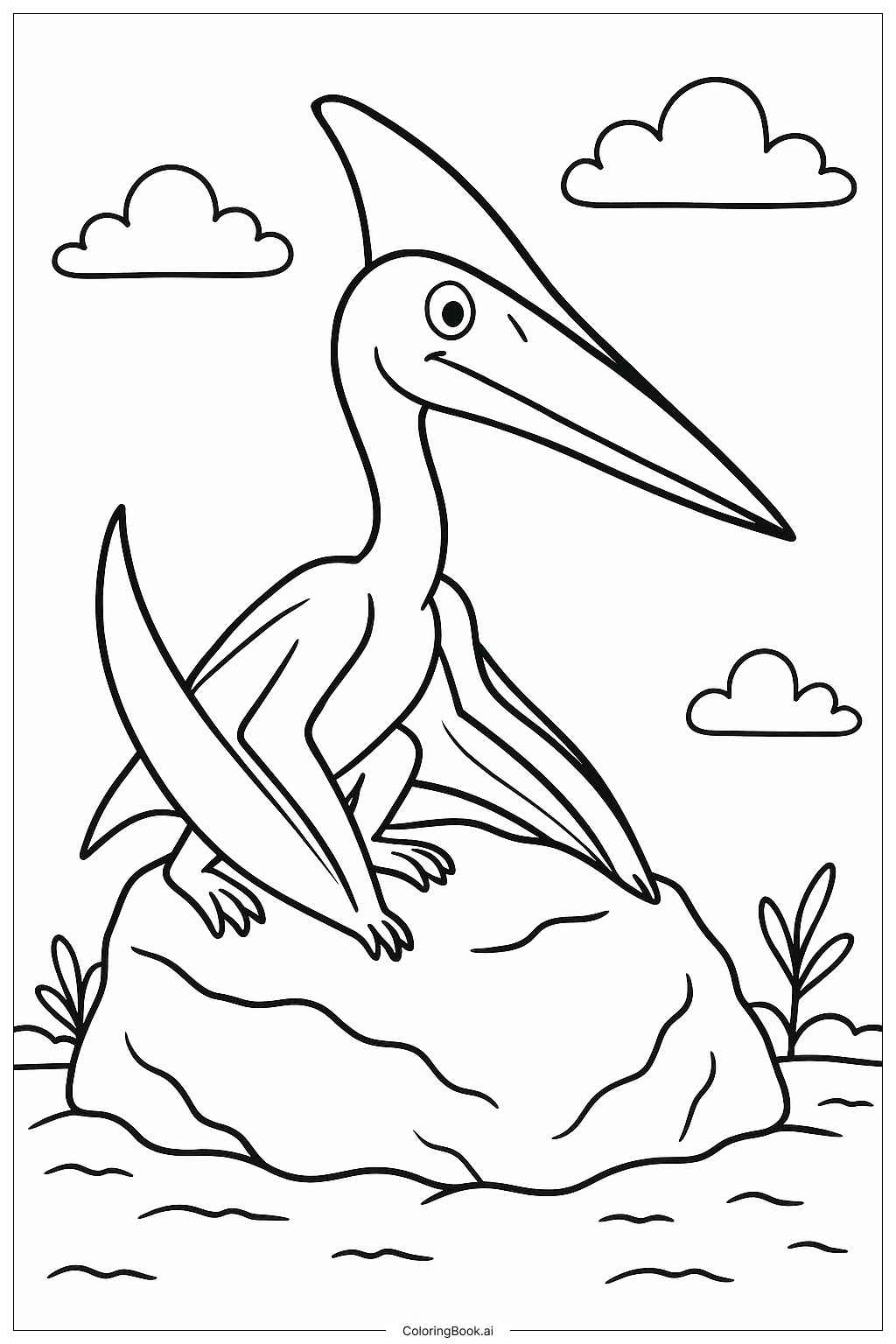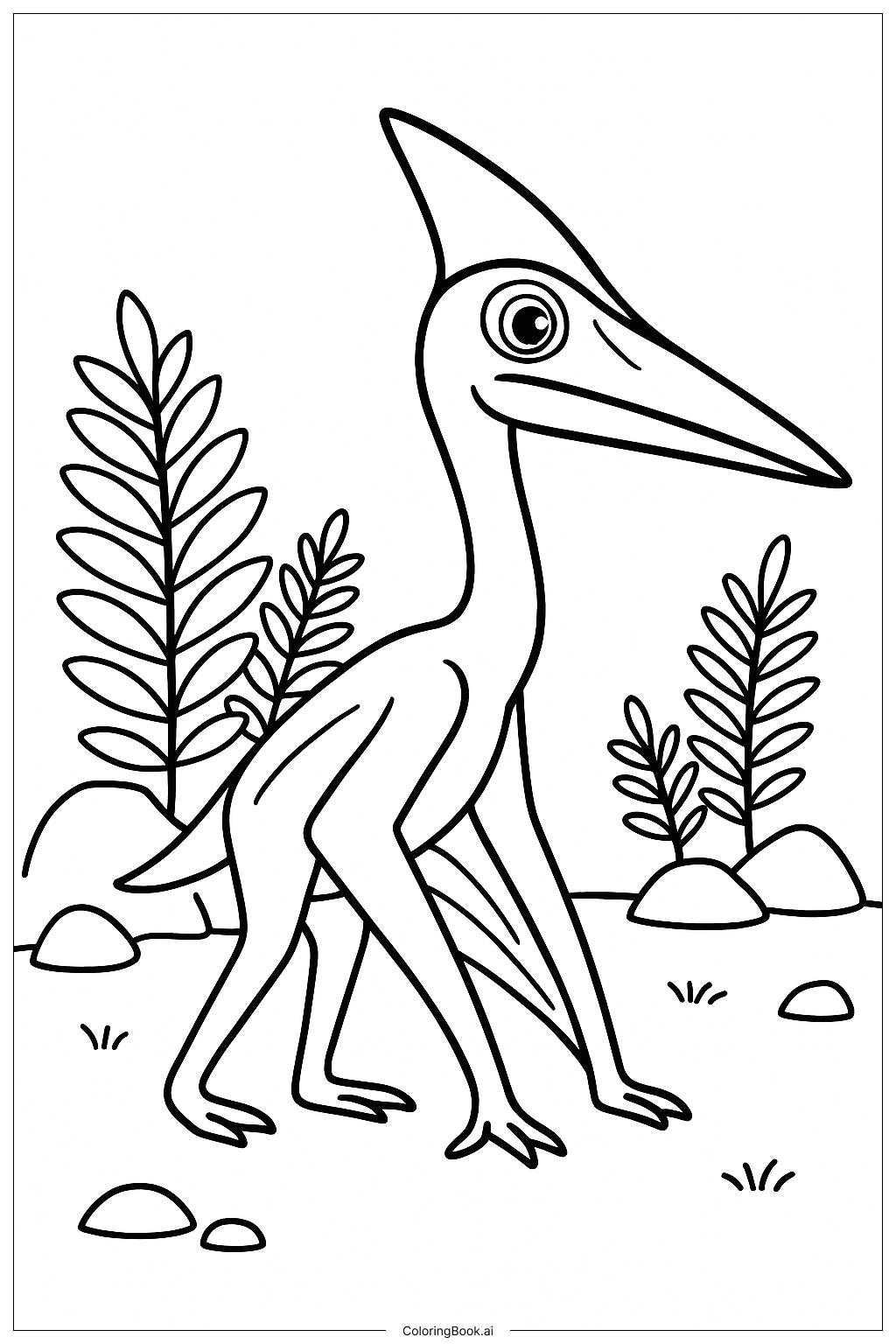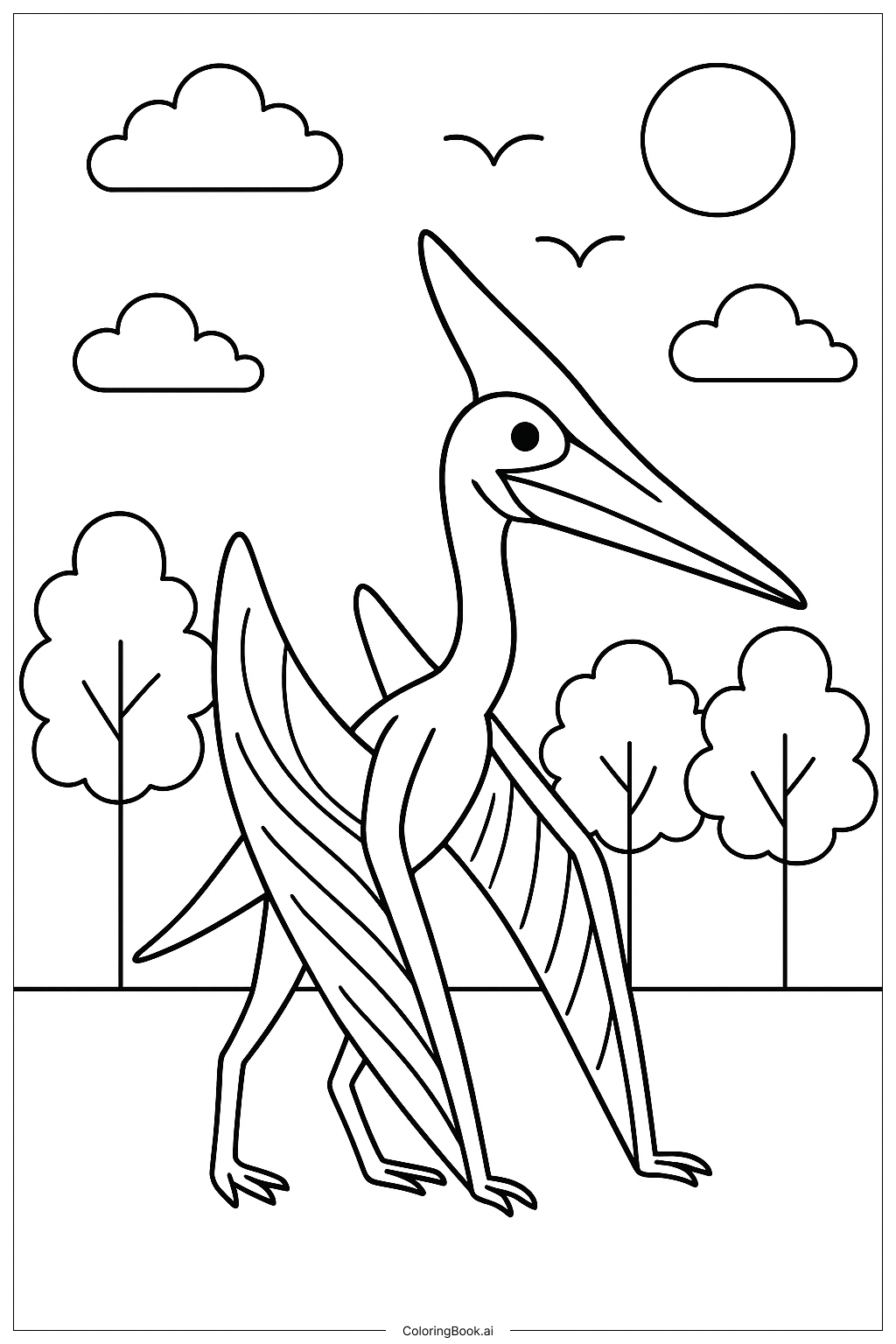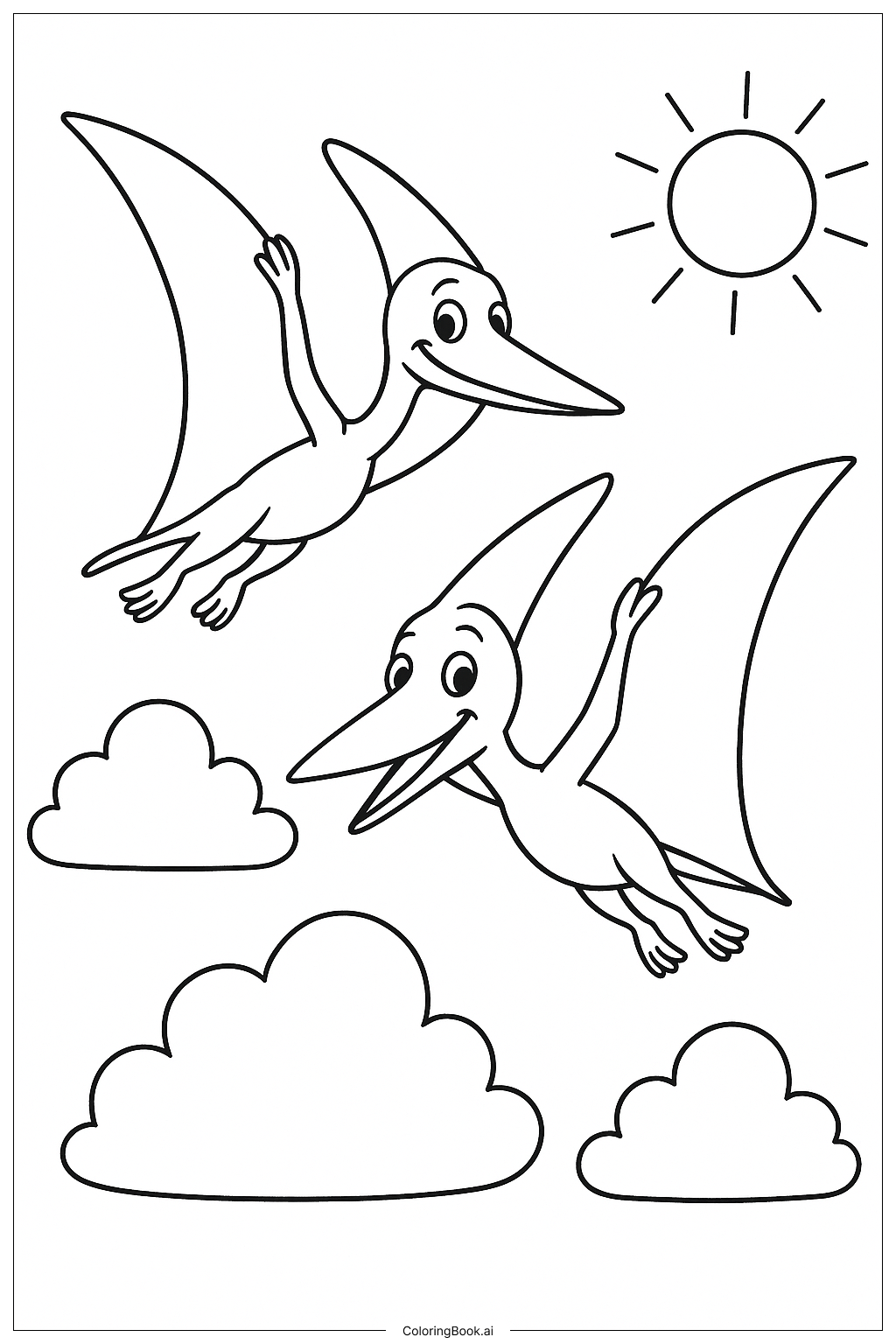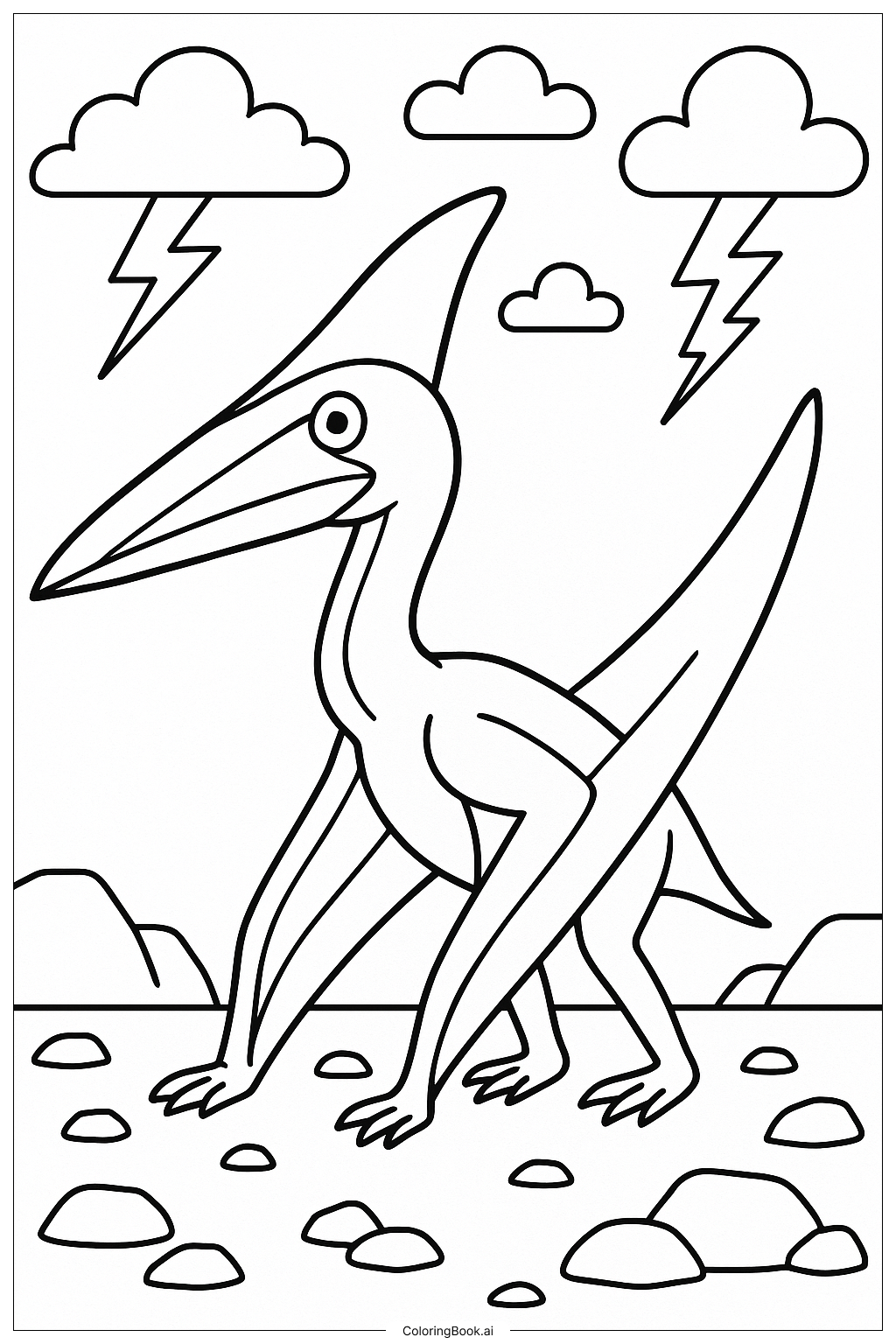
Coloring tips: How to color Quetzalcoatlus In A Dramatic Storm coloring page well?
Start with the sky and storm background. Use dark blues, deep purples, and charcoal grays for the heavy storm clouds. Add swirls of white and light gray to show movement in the wind. For the lightning bolts, use bright yellow or electric white to make them pop against the dark sky. Color the rain streaks with thin lines of light blue or silver.
For the Quetzalcoatlus itself, try earthy tones like tan, rust brown, and dark green to give it a realistic prehistoric look. You can also get creative and use purples or deep reds for a more dramatic feel. Shade the underside of the wings with darker tones to show depth. Use a bright or contrasting color for the crest on its head to make it stand out.
For the rocky terrain below, use browns, grays, and muted greens. Layering light and dark shades throughout the image will make the whole scene feel alive and powerful.
Coloring challenges: Which parts are difficult to color and need attention for Quetzalcoatlus In A Dramatic Storm coloring page?
• Complex Wing Texture: The Quetzalcoatlus has enormous, membrane-like wings that stretch across much of the image. Coloring them evenly while adding realistic shading and depth can be tricky. The wings need smooth gradients from lighter tones near the center to darker edges, which requires careful blending to avoid harsh lines or uneven patches.
• Stormy Sky Gradients: The background storm clouds are layered and swirling, making it difficult to blend multiple shades of gray, blue, and purple seamlessly. Keeping the background dynamic without making it look muddy or flat takes patience and control, especially where clouds overlap or where lightning breaks through.
• Lightning Bolt Placement: Lightning bolts need to feel bright and electric against the dark storm sky. Leaving them uncolored or using very light yellow requires planning ahead before filling in the surrounding dark areas. Coloring around thin, jagged lightning shapes without going outside the lines is a challenge that demands a fine-tipped tool.
• Fine Anatomical Details: The creature's head crest, long beak, clawed wing joints, and scaled body surface all contain small, intricate lines. These areas require a sharp pencil or fine marker to fill in accurately without smudging or covering up important outlines.
• Rain Streaks and Motion Lines: The diagonal rain lines and motion streaks throughout the image add energy but also complexity. Coloring between these fine lines while maintaining consistent tone and direction across the whole scene requires steady hands and careful attention to avoid breaking the visual flow.
Benefits of coloring books: Advantages of drawing Quetzalcoatlus In A Dramatic Storm coloring page
Coloring this dramatic scene offers a wide range of benefits for kids and adults alike.
For younger children, filling in the giant Quetzalcoatlus and stormy sky helps build fine motor skills and hand-eye coordination. Choosing colors for the creature and the wild weather encourages creative thinking and sparks curiosity about prehistoric life.
For older kids and teens, the complex background and detailed anatomy of the pterosaur make this a satisfying artistic challenge. Practicing shading and blending across the wings and storm clouds develops real art skills that carry over into other creative projects.
For adults, focusing on the intricate details of this image is a great way to unwind and reduce stress. The act of coloring promotes mindfulness, helping the mind slow down and focus on the present moment.
Learning about Quetzalcoatlus while coloring also makes this an educational experience. Children can discover how large this flying reptile truly was and feel a sense of awe for the ancient world. The stormy setting adds a sense of adventure and storytelling, making the activity even more engaging and enjoyable for all ages.