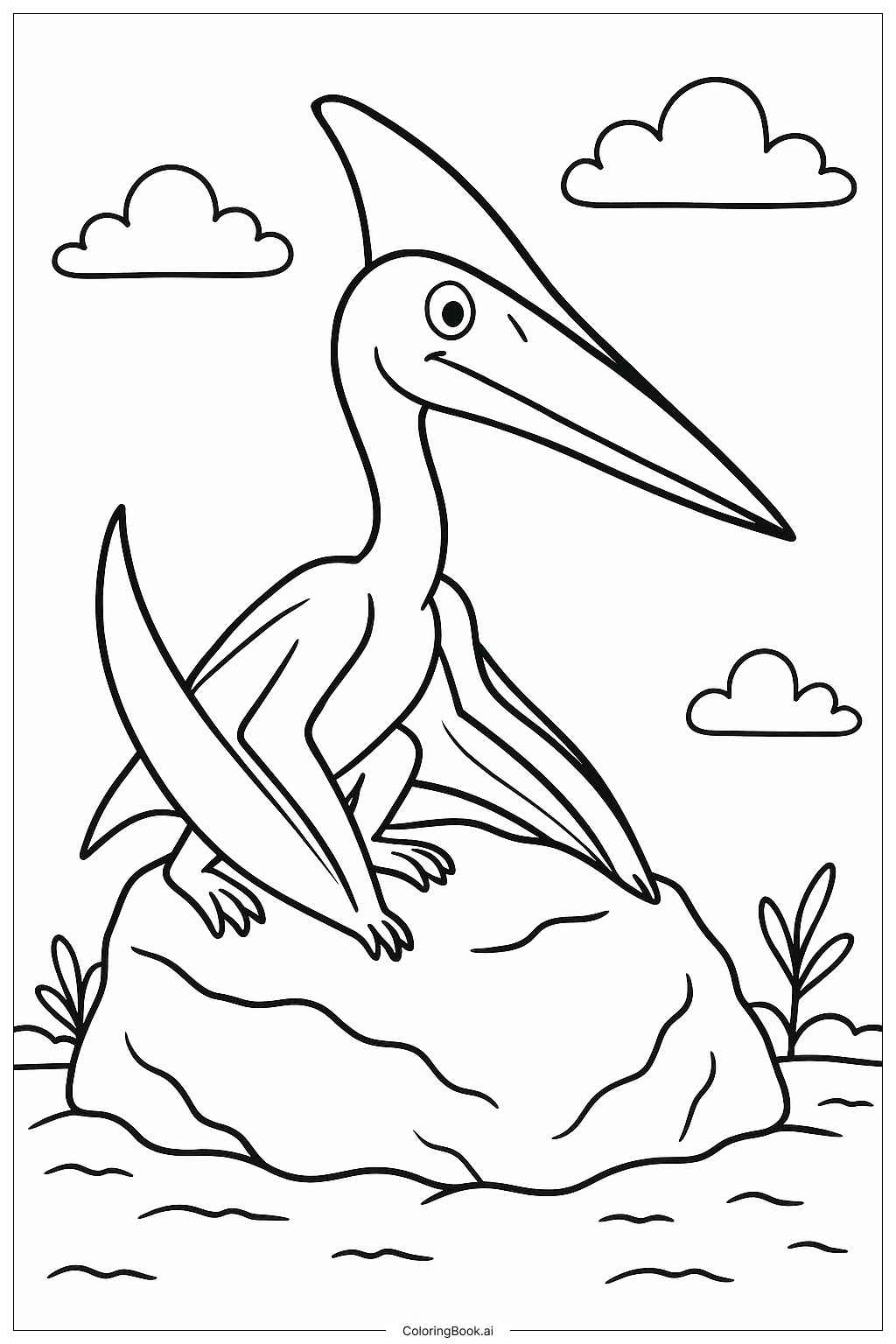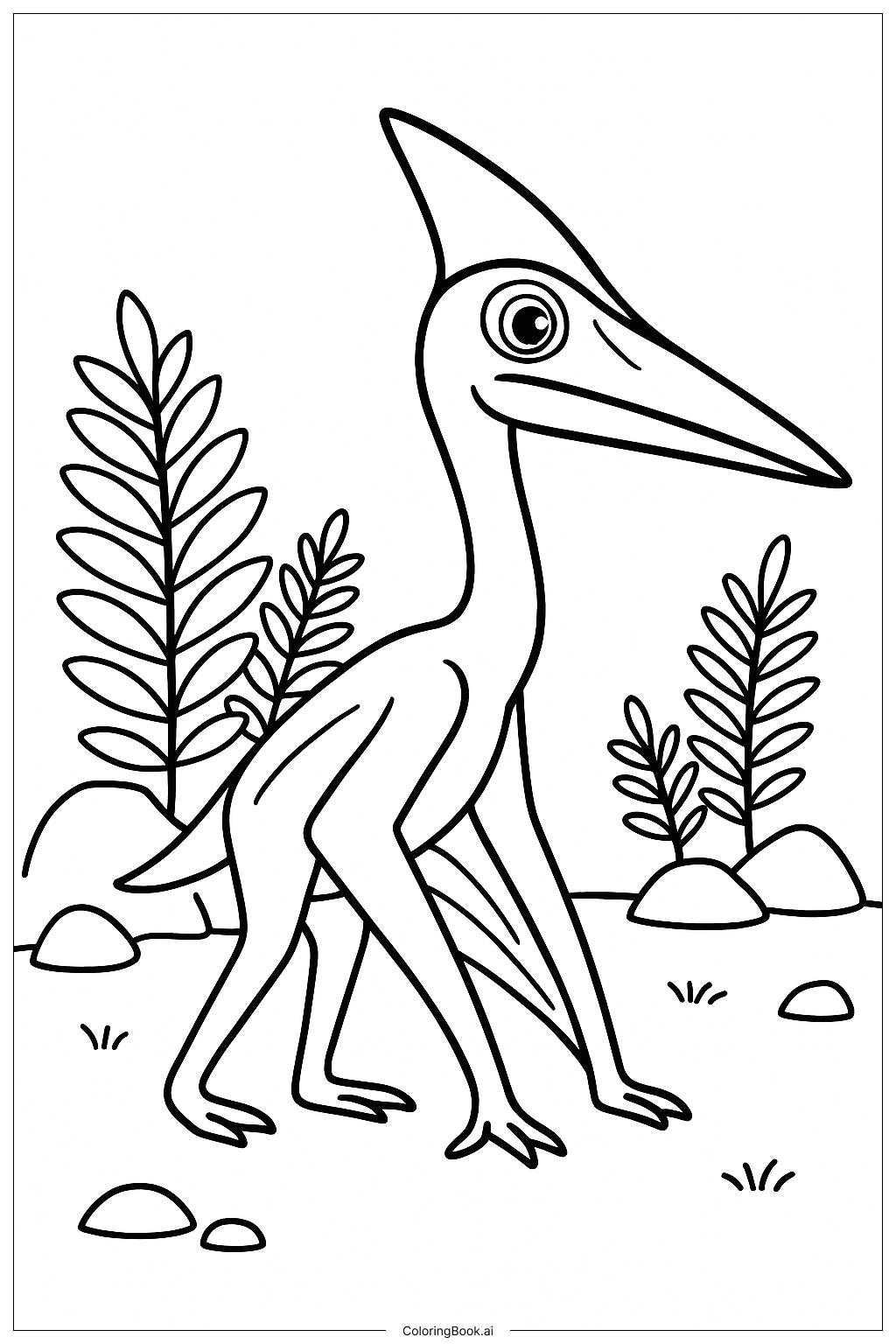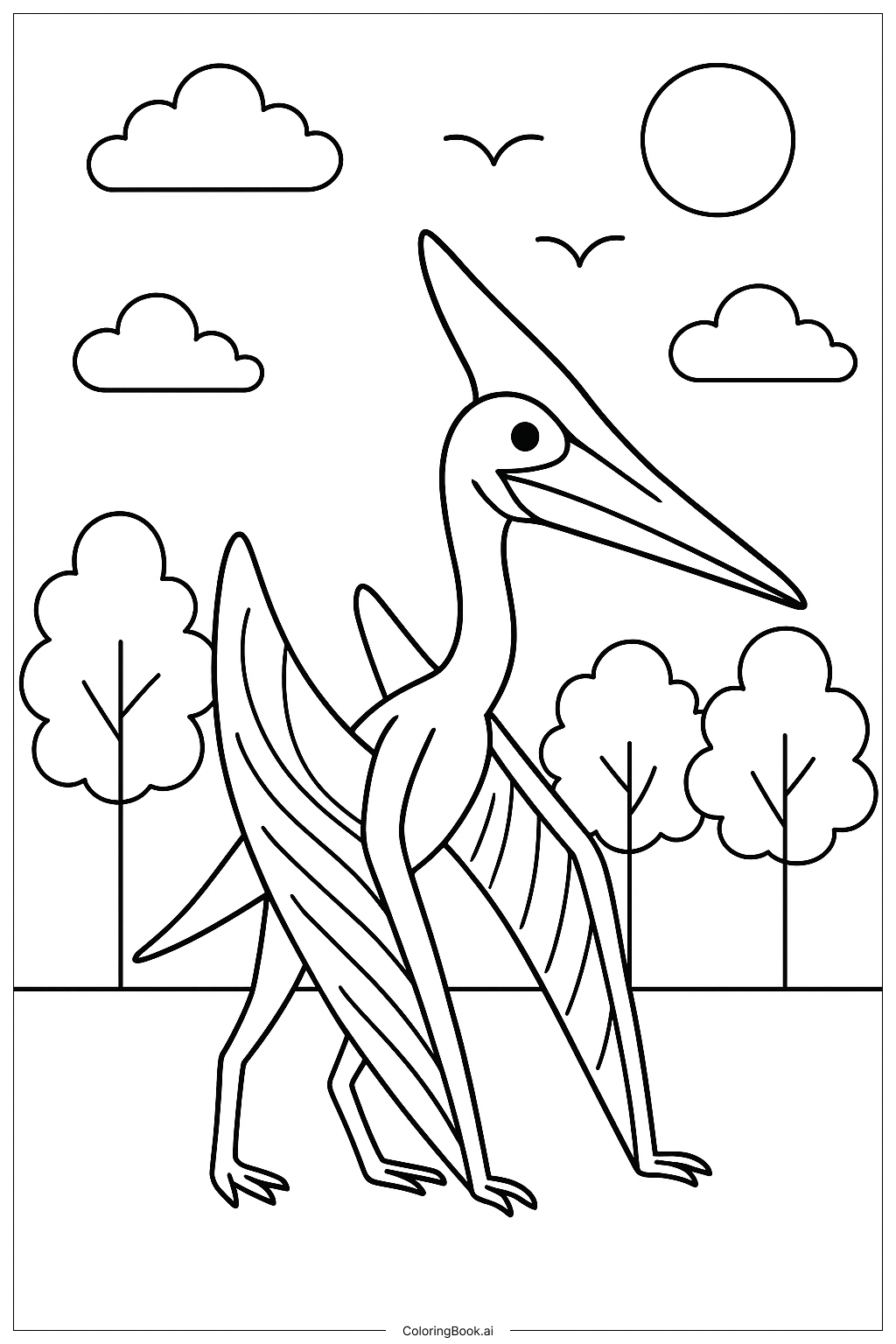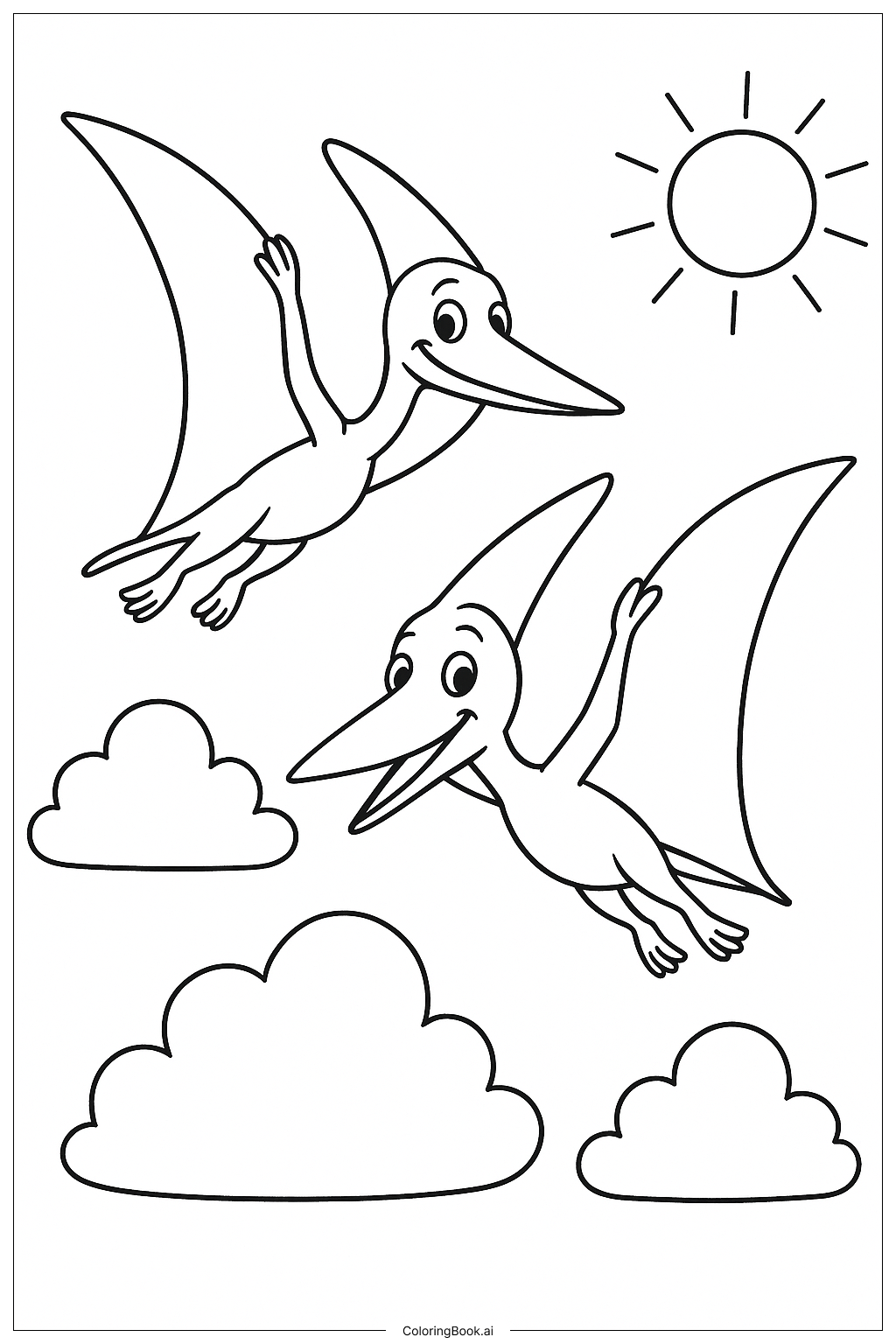
Coloring tips: How to color Quetzalcoatlus Head Portrait coloring page well?
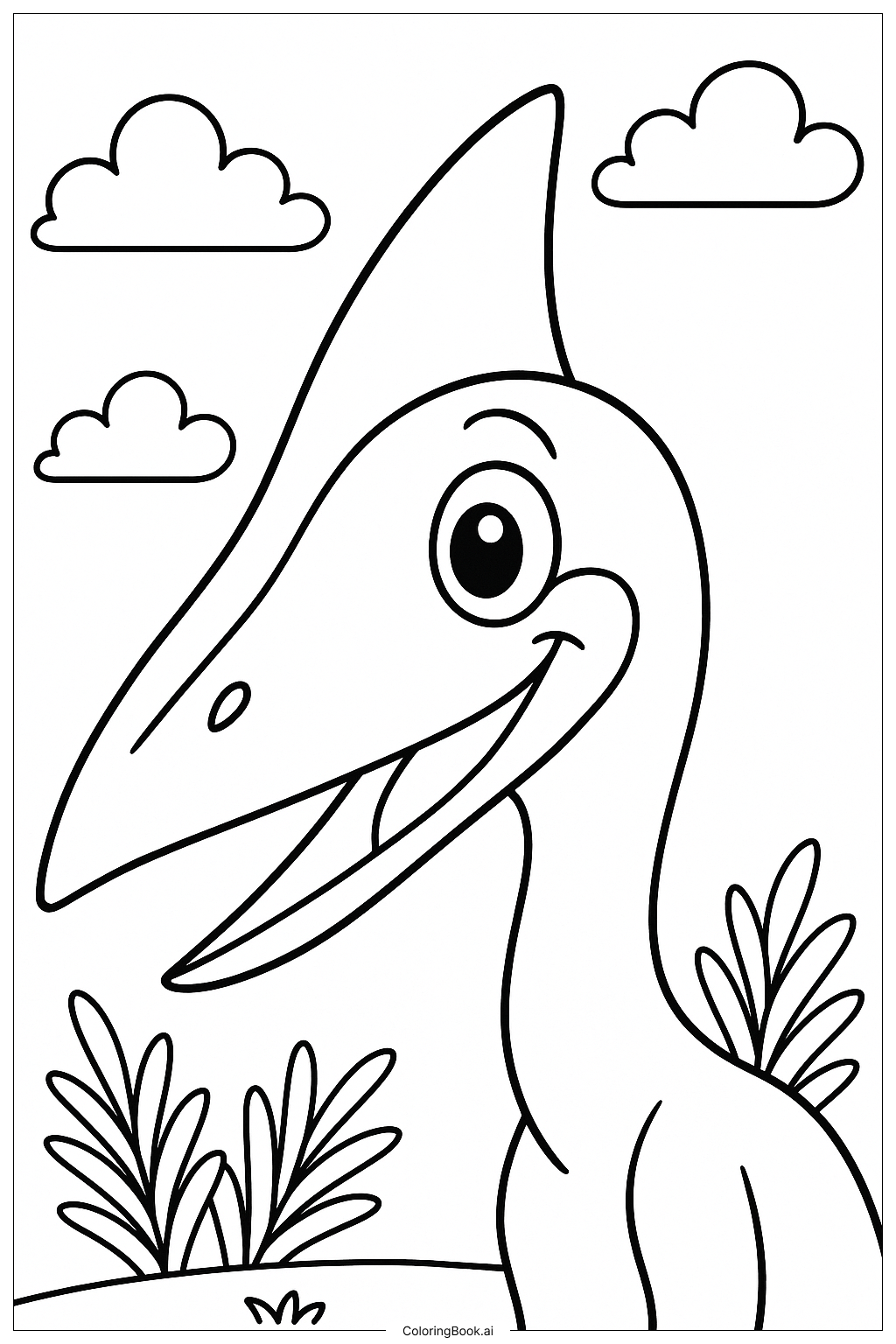
Start with the large, flat areas first. Use earthy tones like tan, brown, or sandy yellow for the skin to give it a realistic prehistoric look. You can also experiment with more vivid colors like deep green or rust orange if you want a fantasy feel. The long beak looks great in a lighter shade, such as cream or pale yellow, with darker shading along the edges to show depth. Try a bold color like red, orange, or bright blue for the head crest to make it stand out. Use a dark gray or deep brown for the eye to make it look sharp and intense. Add shading along the neck and under the jaw with a slightly darker version of your base color. This helps the head look three-dimensional. Younger kids can keep things simple with just a few colors, while older kids and Adults can layer colors for a more realistic or dramatic effect. Most importantly, have fun and make it your own.
Coloring challenges: Which parts are difficult to color and need attention for Quetzalcoatlus Head Portrait coloring page?
• Long Beak Shading: The Quetzalcoatlus has an extremely long and narrow beak that stretches across much of the page. Keeping the coloring smooth and consistent along its entire length is tricky. You need to apply color evenly without streaks, and add gradual shading along the top and bottom edges to show the beak's rounded shape without making it look flat.
• Head Crest Detailing: The tall, bony crest on top of the skull has a complex curved surface. Capturing the light and shadow on this structure requires careful blending. Using two or three tones of the same color family helps show where the crest catches light versus where it falls into shadow, but getting that transition smooth takes patience and a steady hand.
• Skin Texture Complexity: The head and neck are covered in detailed scale or wrinkle patterns. Coloring each tiny texture element individually takes a lot of time and precision. Rushing through this section often results in a muddy or uneven look. Using a fine-tipped tool and working in small sections helps maintain clarity.
• Eye Area Depth: The large eye socket needs careful attention. The eye itself should appear dark and glossy, while the surrounding bone structure needs to be shaded to look recessed and three-dimensional. Balancing the highlight on the eye with the darker tones around it is a subtle but important challenge.
• Neck Contour and Muscle Definition: The thick neck curves downward at the base of the portrait. Giving it a sense of volume and muscle tone requires layering darker shades along the sides and under the chin. Without this shading, the neck can appear flat and disconnected from the head.
Benefits of coloring books: Advantages of drawing Quetzalcoatlus Head Portrait coloring page
Coloring this Quetzalcoatlus Head Portrait offers a wide range of benefits for kids and Adults alike. First, it sparks curiosity about prehistoric life. As you color, you naturally start thinking about what this giant flying reptile actually looked like, which can lead to exciting learning about dinosaurs and the Mesozoic era. Second, the detailed textures and complex shapes in this image are excellent for developing fine motor skills. Carefully filling in the scales, the long beak, and the head crest all require precise hand movements that strengthen control and coordination. Third, choosing colors and deciding how to shade the different parts of the head encourages creative thinking and artistic decision-making. There is no single right answer, which builds confidence and self-expression. Fourth, focusing on a detailed image like this promotes concentration and mindfulness. It draws your full attention into the present moment, helping to reduce stress and quiet a busy mind. Fifth, completing the portrait gives a real sense of accomplishment, which is especially rewarding for younger children. Overall, this coloring page is a fun and educational activity that combines art, science, and imagination in one engaging experience.