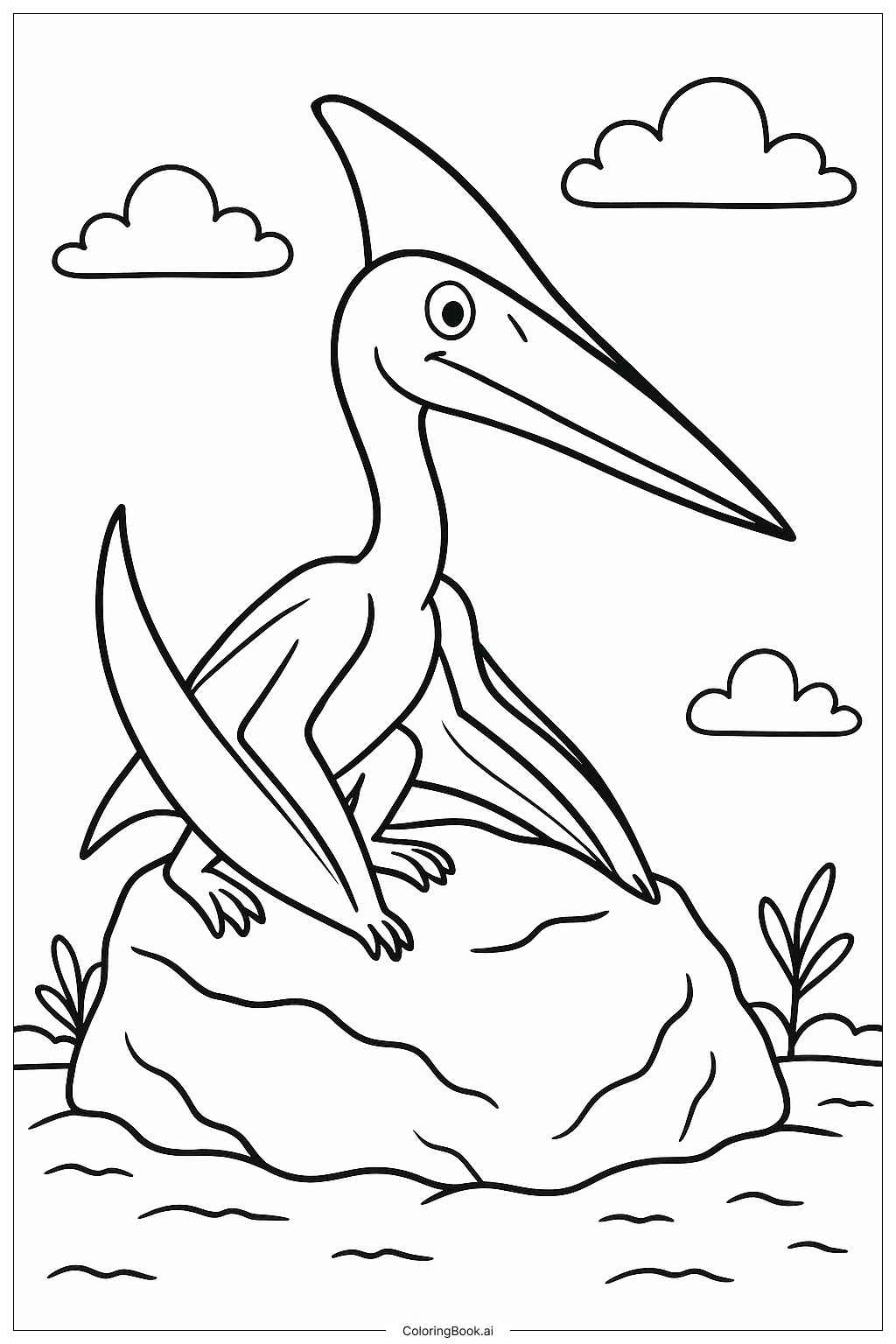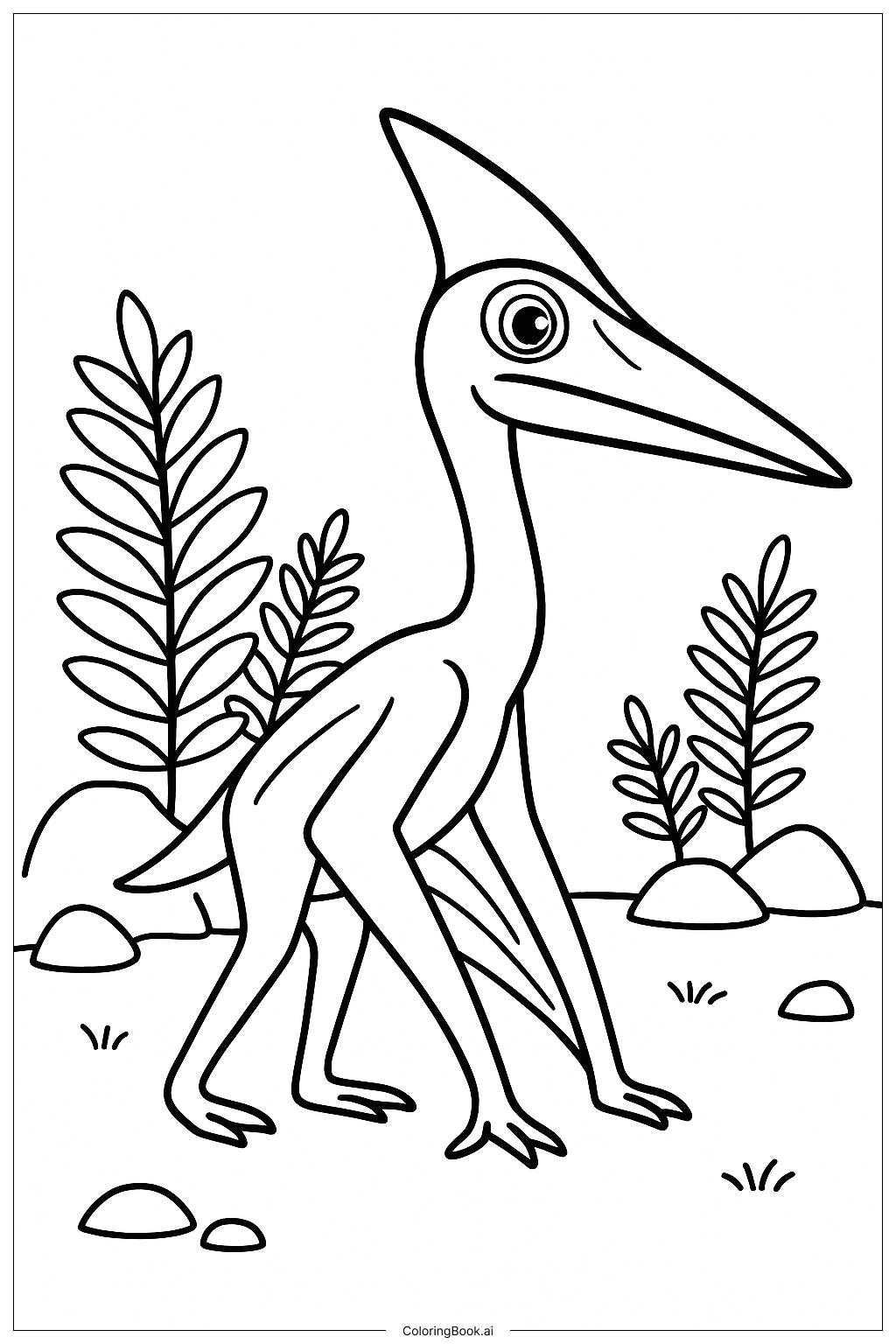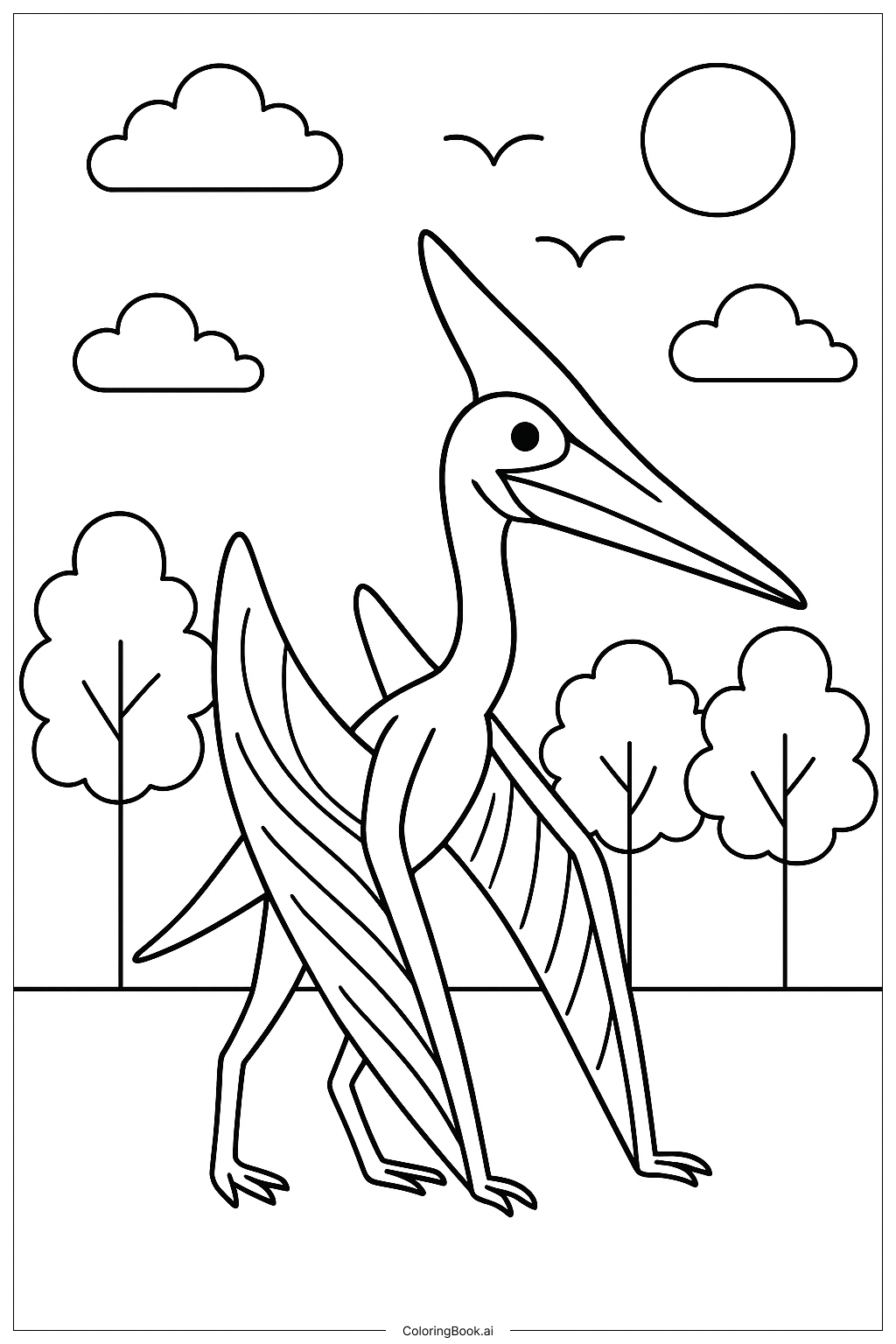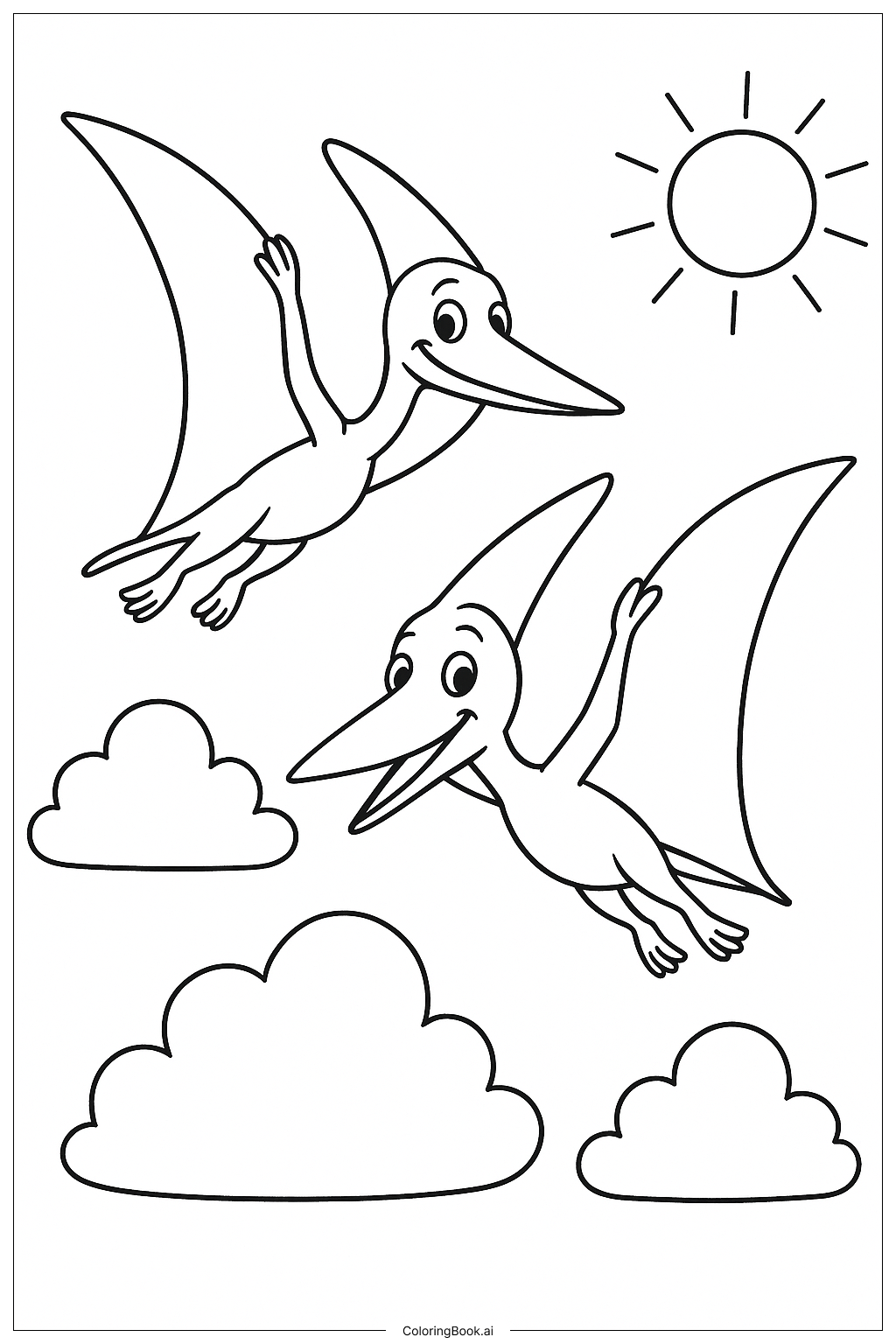
Coloring tips: How to color Quetzalcoatlus Guarding Its Eggs coloring page well?
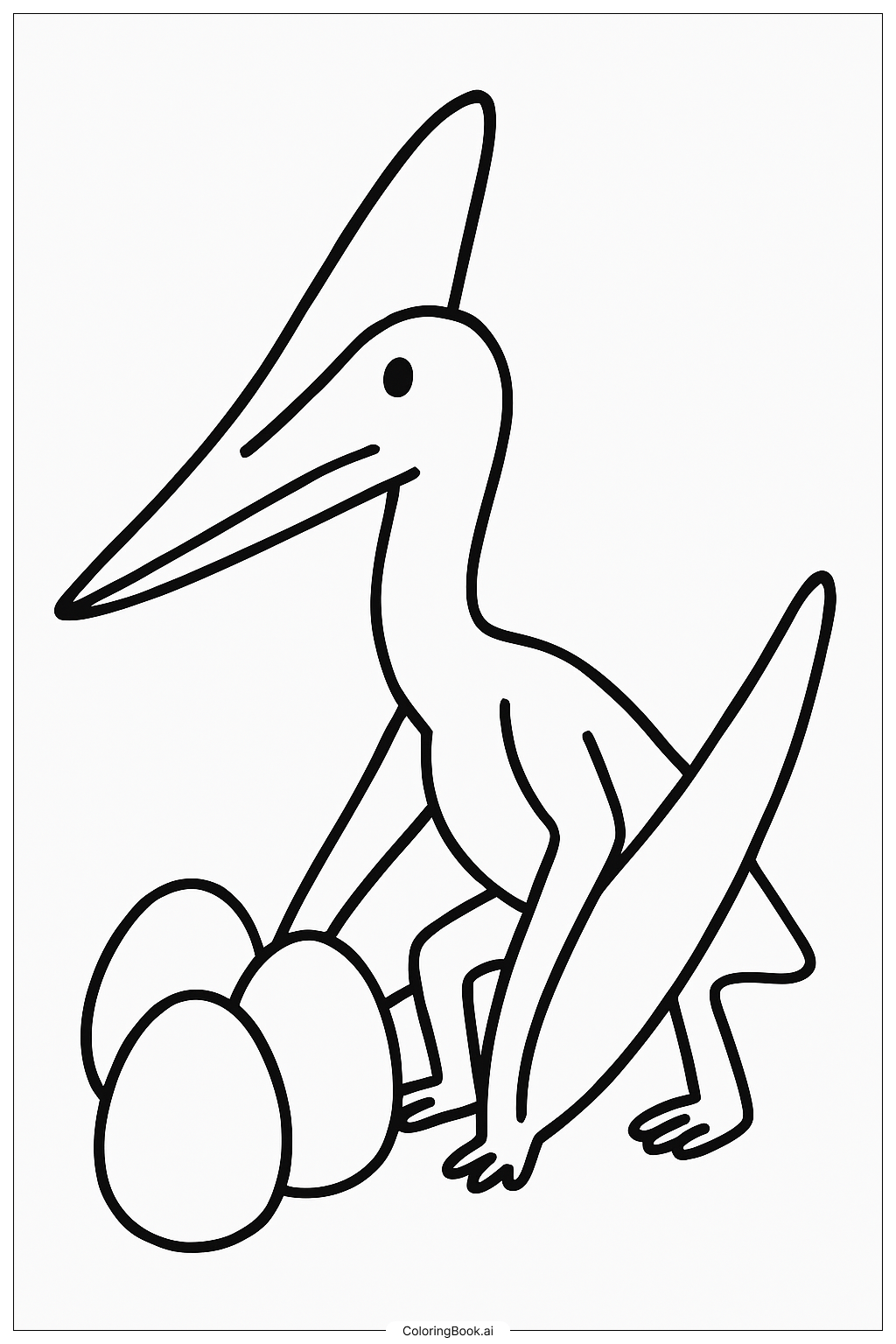
Start with the Quetzalcoatlus body. Use earthy tones like tan, brown, or reddish-orange for the skin. The wing membranes can be a darker shade, such as deep brown or burnt sienna, to show the leathery texture. Add a lighter color to the belly area to create contrast. For the beak and claws, try a pale yellow or ivory. The eggs can be sandy beige or cream with faint brown speckles for a realistic look. Use warm gray or dusty brown for the rocky ground. Add touches of muted green for any small plants around the nest. For a creative twist, Boys and Girls can try bold purples or blues on the wings to give the creature a fantastical look. Adults may enjoy blending warm and cool tones across the body to add depth and dimension. Keep the background simple so the Quetzalcoatlus remains the clear focus of the scene.
Coloring challenges: Which parts are difficult to color and need attention for Quetzalcoatlus Guarding Its Eggs coloring page?
• Wing Membrane Texture: The large wing membranes are a key challenge. They span a wide area and require smooth, even coloring to avoid streaks or uneven patches. Blending two or three close shades of brown or gray across the membrane can help suggest its leathery, thin quality without losing the flat coloring page look.\n\n• Body Skin Details: The Quetzalcoatlus has textured, wrinkled skin with subtle folds and ridges. Coloring these small details requires a steady hand and fine-tipped tools. Using a slightly darker shade in the creases and a lighter tone on raised surfaces will bring the skin to life.\n\n• Egg Shading and Grouping: The cluster of eggs in the nest can be tricky because each egg overlaps the next. Each egg needs its own light source and shadow to look round and three-dimensional. Leaving a small highlight spot on each one and adding shadow where eggs touch each other will help them look realistic.\n\n• Foreground and Background Separation: The rocky ground and background plants need to look distinct from the main figure. If similar earth tones are used throughout, everything can blend together. Choosing slightly cooler or more muted colors for the background rocks and ground will push them back visually and keep the Quetzalcoatlus as the focal point.\n\n• Proportional Color Balance: Because the wingspan is so large, the wings will dominate the page. If the wing color is too bold or dark, it can overpower the rest of the image. Balancing the wing color intensity with the body and ground tones ensures the whole scene feels cohesive and well-composed.
Benefits of coloring books: Advantages of drawing Quetzalcoatlus Guarding Its Eggs coloring page
Coloring this Quetzalcoatlus scene offers a wonderful mix of fun and learning for all ages. For younger children, filling in the large wing membranes builds fine motor skills and helps develop a steady hand. Choosing colors for the eggs and rocky ground encourages creative thinking and color awareness from an early age.\n\nFor older kids and Adults, the detailed textures of the skin, wings, and eggs provide a satisfying challenge. Working through each section carefully builds patience and focus, skills that carry over into everyday life.\n\nThis image also sparks curiosity about prehistoric life. While coloring, children naturally begin to wonder about what Quetzalcoatlus looked like, how it lived, and why it cared for its eggs. That curiosity can open the door to reading, research, and a love of natural history.\n\nThe nurturing scene of a parent guarding its nest also gives children a gentle way to explore themes of protection and family bonds. It can lead to meaningful conversations between parents and kids about care and responsibility.\n\nFinally, the act of coloring itself is calming and meditative. For Boys, Girls, and Adults alike, spending focused time on a creative activity reduces stress and promotes a sense of accomplishment when the finished page comes to life with color.