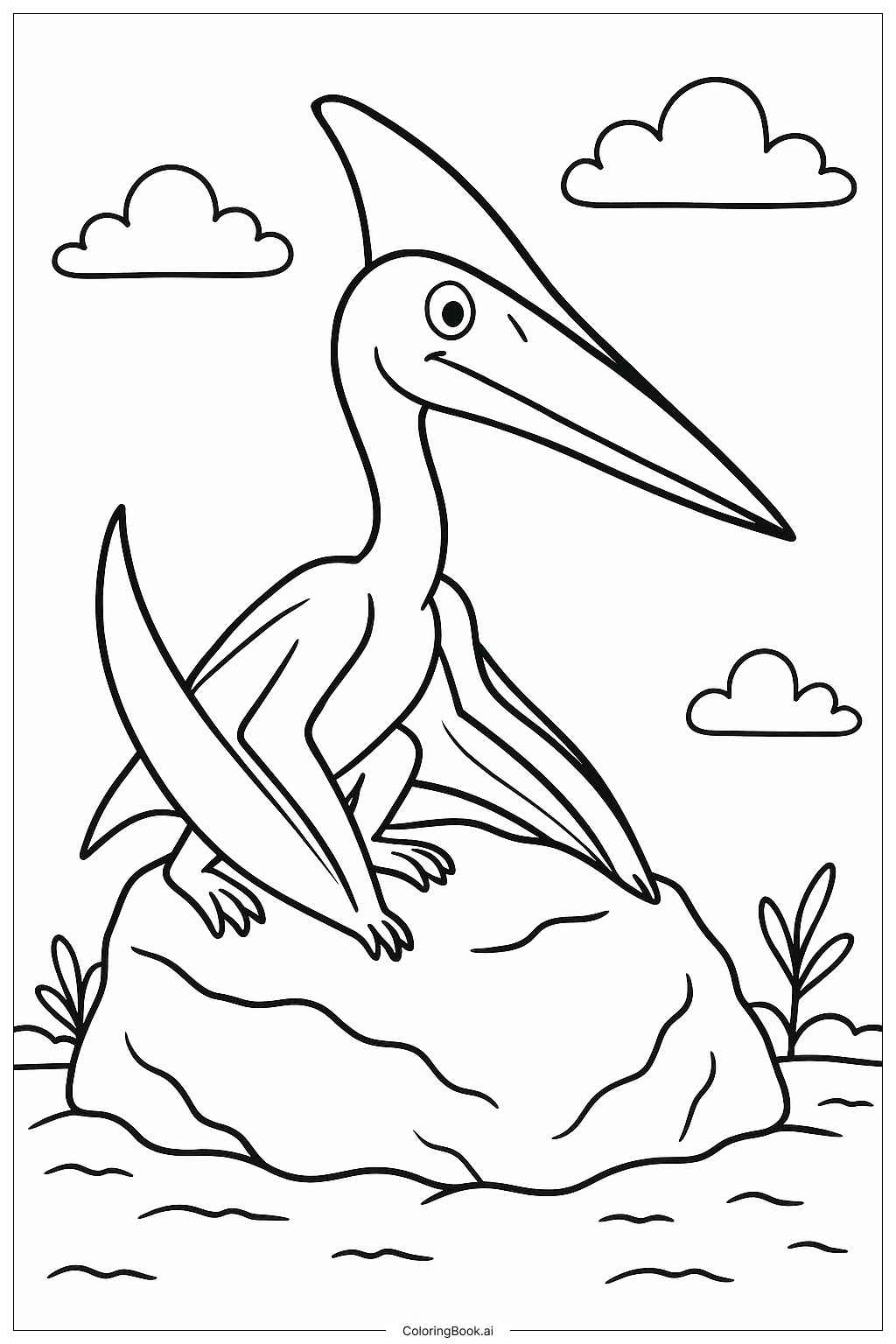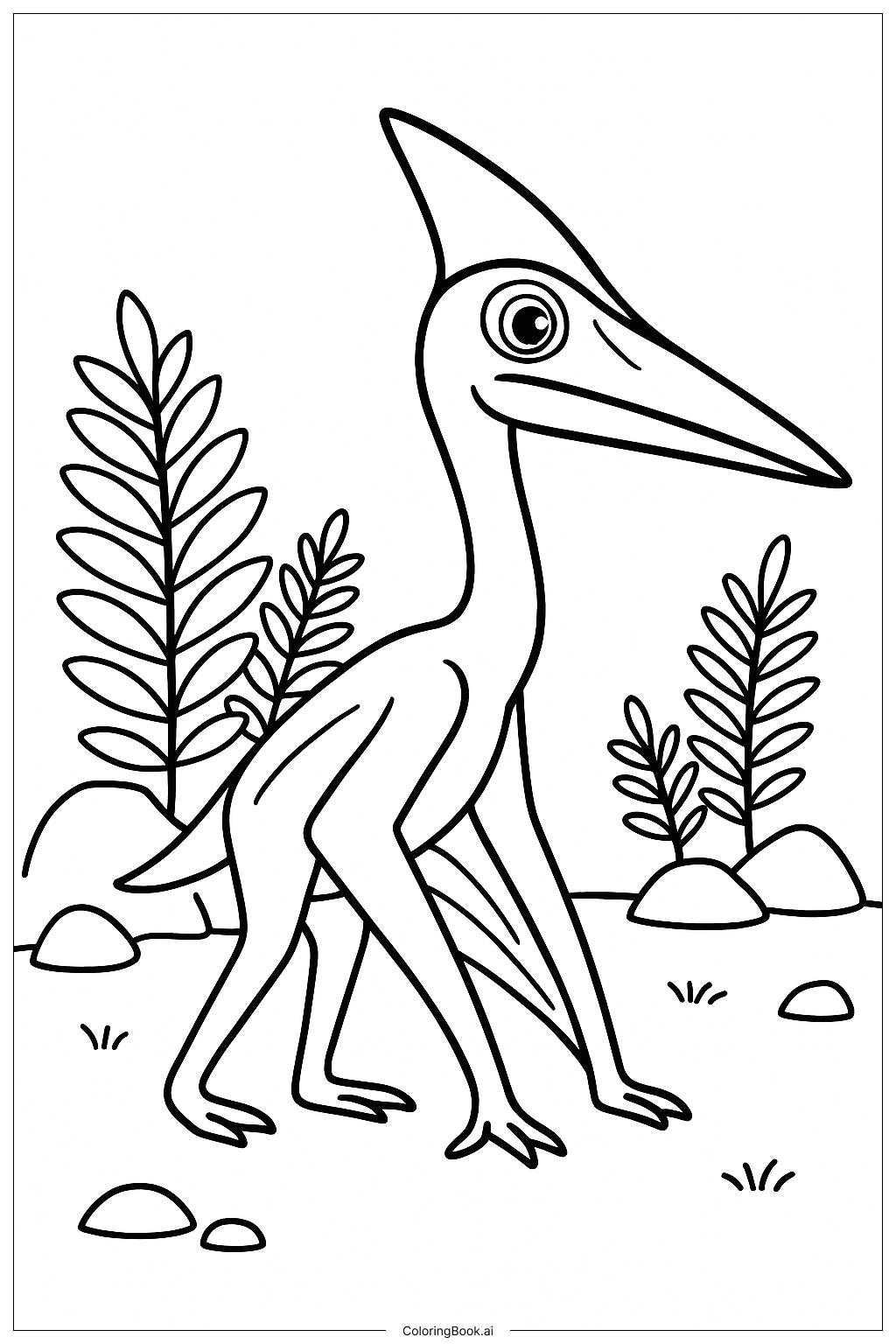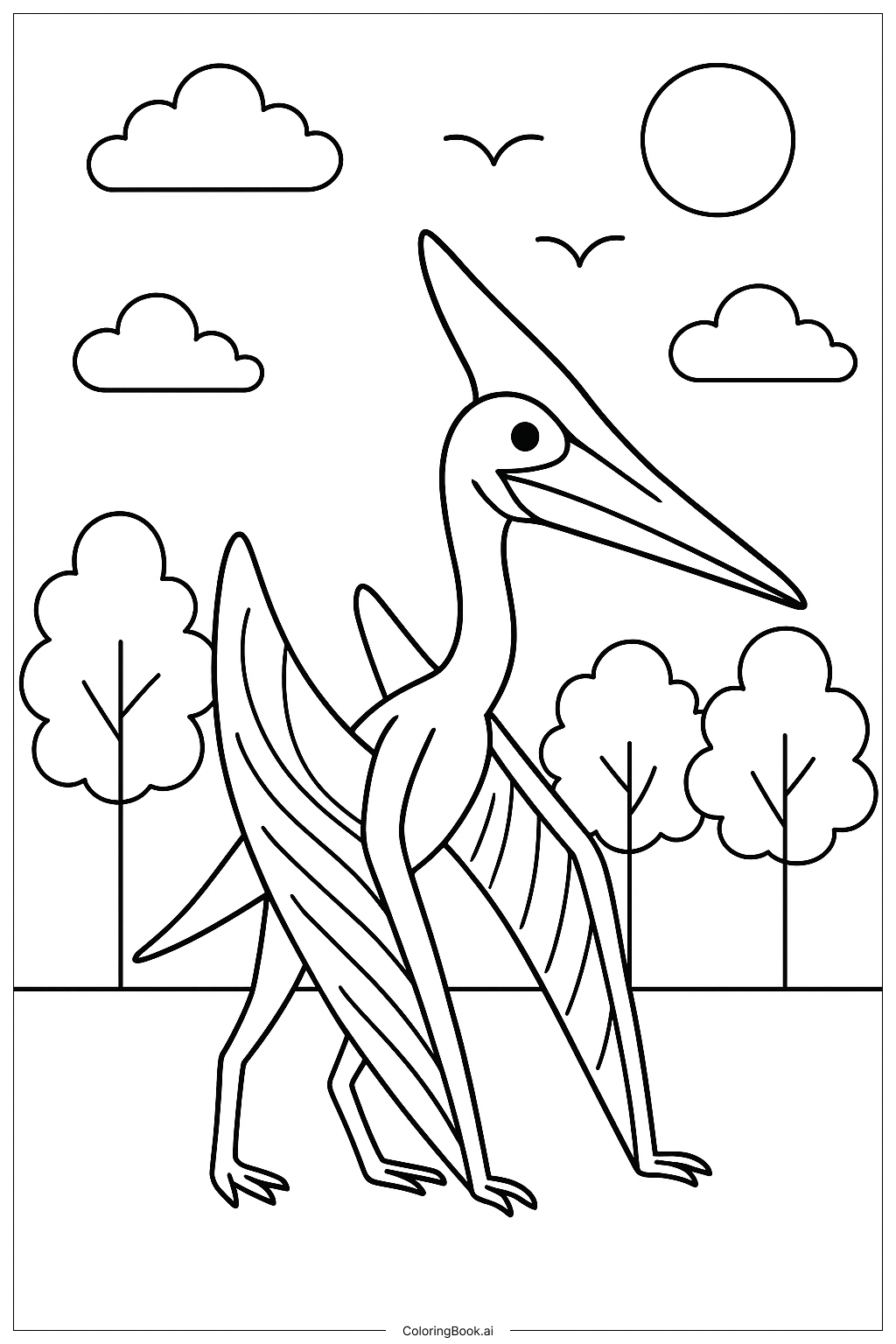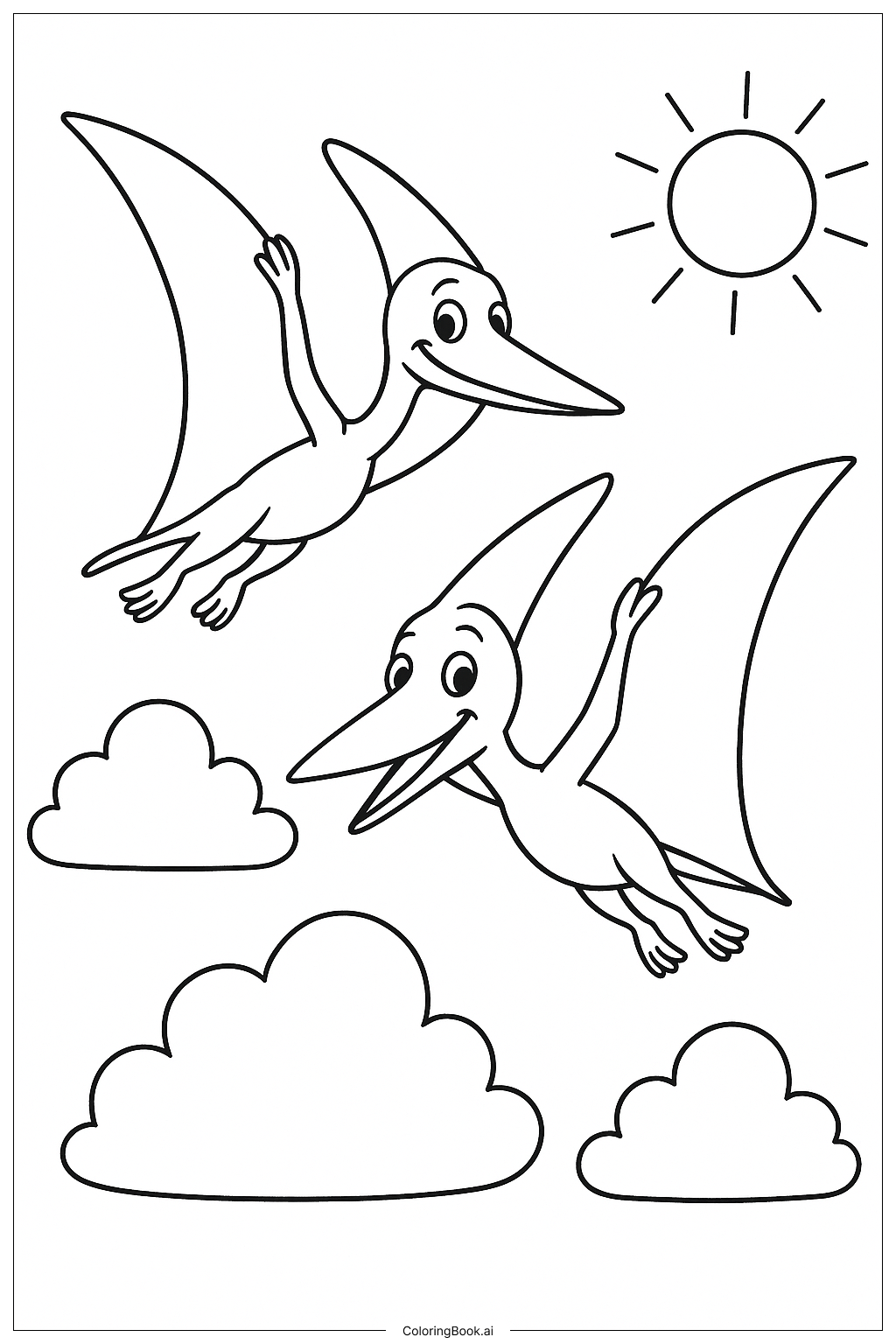
Coloring tips: How to color Quetzalcoatlus Flying Over A River coloring page well?
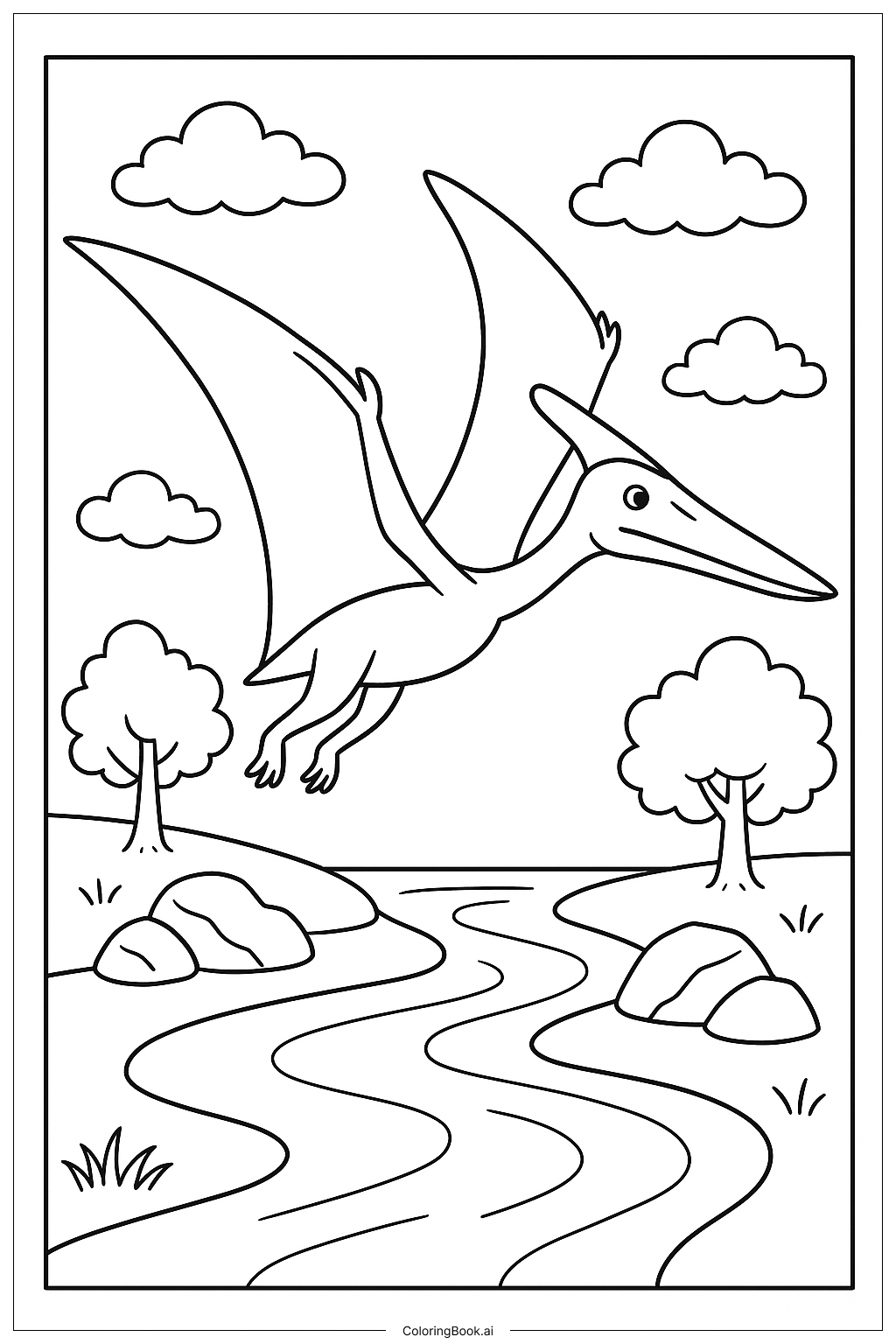
Start with the Quetzalcoatlus itself. Use warm tones like sandy tan, rust orange, or golden brown for the body and wings. You can add darker brown along the wing edges and lighter cream or white on the belly. The long beak can be a bright yellow or orange. The head crest looks great in a bold color like deep red or purple to make it stand out. For the river, use shades of blue and turquoise, with white lines for ripples and reflections. The riverbanks can be filled with earthy greens and browns. Use dark green and olive tones for the ferns and trees. Add lighter yellow-green highlights on leaves to give them depth. Rocky areas along the bank look great in gray, beige, and brown. Try blending colors softly on the wings to show how the light hits the membrane. Feel free to make the sky behind the creature a warm sunset orange or a calm sky blue. There are no wrong choices — have fun and let your imagination fly!
Coloring challenges: Which parts are difficult to color and need attention for Quetzalcoatlus Flying Over A River coloring page?
• Wing Membrane Shading: The Quetzalcoatlus has very large, broad wings that stretch across much of the image. Coloring these evenly without streaks or blotches can be tricky, especially for younger artists. The membranes need smooth, gradual color transitions to look realistic. Try using long, gentle strokes from the body outward toward the wing tips, and layer lighter and darker shades to show depth and texture.
• Fine Body Details: The head crest, beak, and body of the Quetzalcoatlus contain small ridges and subtle lines that define its unique shape. Staying within these fine lines requires a sharpened pencil or a thin marker. Rushing through these areas may cause colors to bleed outside the lines, making the details harder to read.
• River Reflections and Water Texture: The river surface includes ripples and reflective highlights that need careful color choices. Using only one flat shade of blue will make the water look dull. Mixing light blue, turquoise, and white in overlapping strokes will help create a convincing sense of flowing water and shimmering reflection.
• Overlapping Foreground Elements: Plants, rocks, and tree branches along the riverbank overlap one another in the lower portion of the image. Keeping neighboring elements visually separate without using dark outlines requires choosing colors that contrast well. This is a good opportunity to practice using warm and cool tones side by side.
• Background and Depth: Creating a sense of distance behind the flying creature is one of the harder challenges in this image. Areas farther away, such as distant trees or the far riverbank, should be colored lighter and less detailed than the foreground. This technique, called atmospheric perspective, gives the scene a believable sense of depth and scale.
Benefits of coloring books: Advantages of drawing Quetzalcoatlus Flying Over A River coloring page
Coloring this image of a Quetzalcoatlus flying over a river offers a wide range of fun and meaningful benefits for kids and beginners alike. First, it sparks curiosity about prehistoric life. Kids who color this page often become interested in learning more about dinosaurs and ancient flying reptiles, turning a creative activity into a stepping stone for science exploration. Second, it builds fine motor skills. Carefully coloring the wings, beak, and river details requires steady hand control, which helps strengthen the small muscles used in writing and drawing. Third, it encourages creative thinking. Choosing colors for a creature that no longer exists gives kids total freedom to be imaginative — there are no wrong answers! Fourth, it teaches the basics of shading and depth. The large wings and flowing river are perfect canvases for experimenting with light and shadow, helping young artists develop an eye for dimension. Fifth, it promotes focus and patience. Completing a detailed scene like this takes time and concentration, which builds the ability to sit with a task and see it through. Finally, finishing the page gives a real sense of accomplishment that boosts confidence and makes coloring even more rewarding.