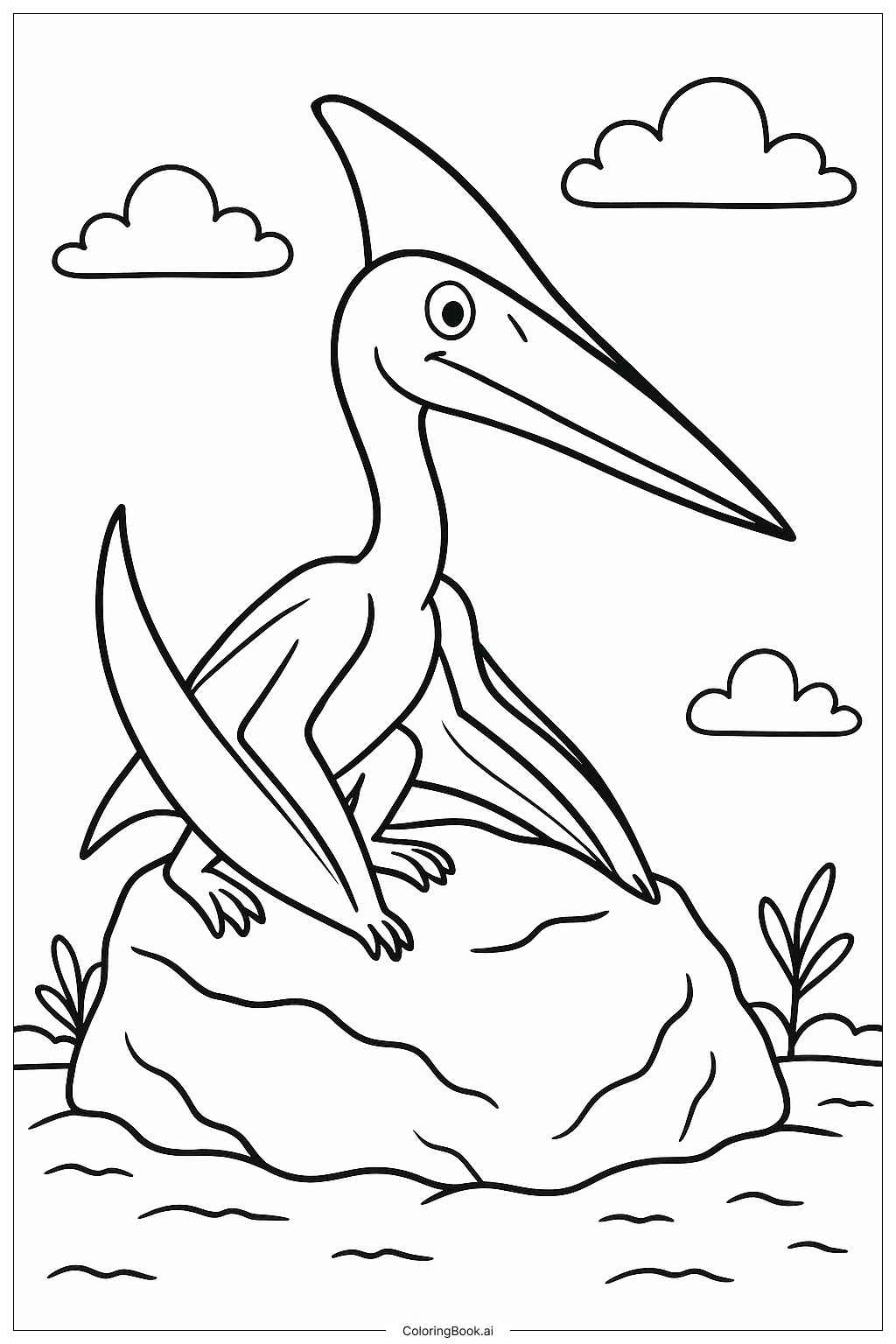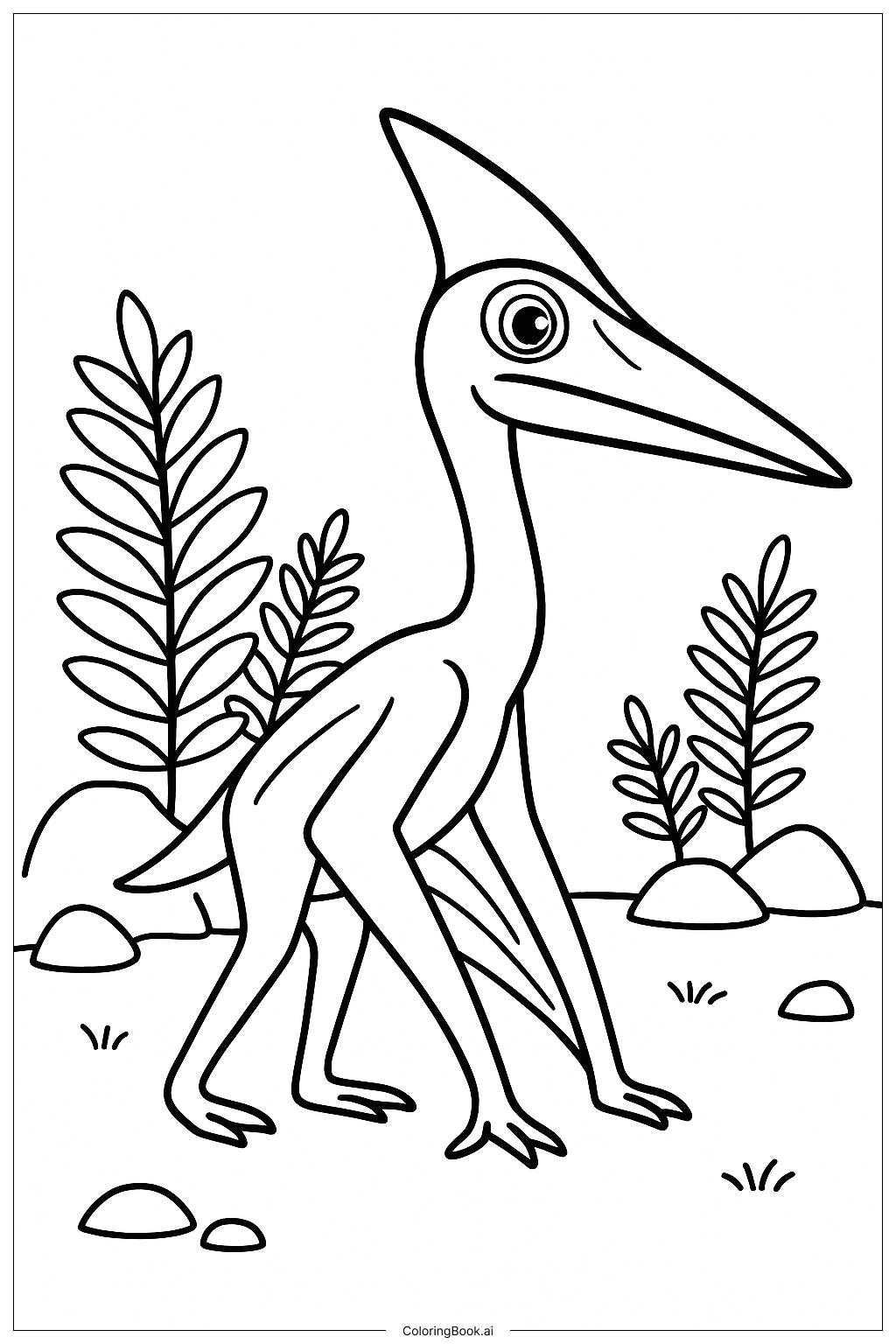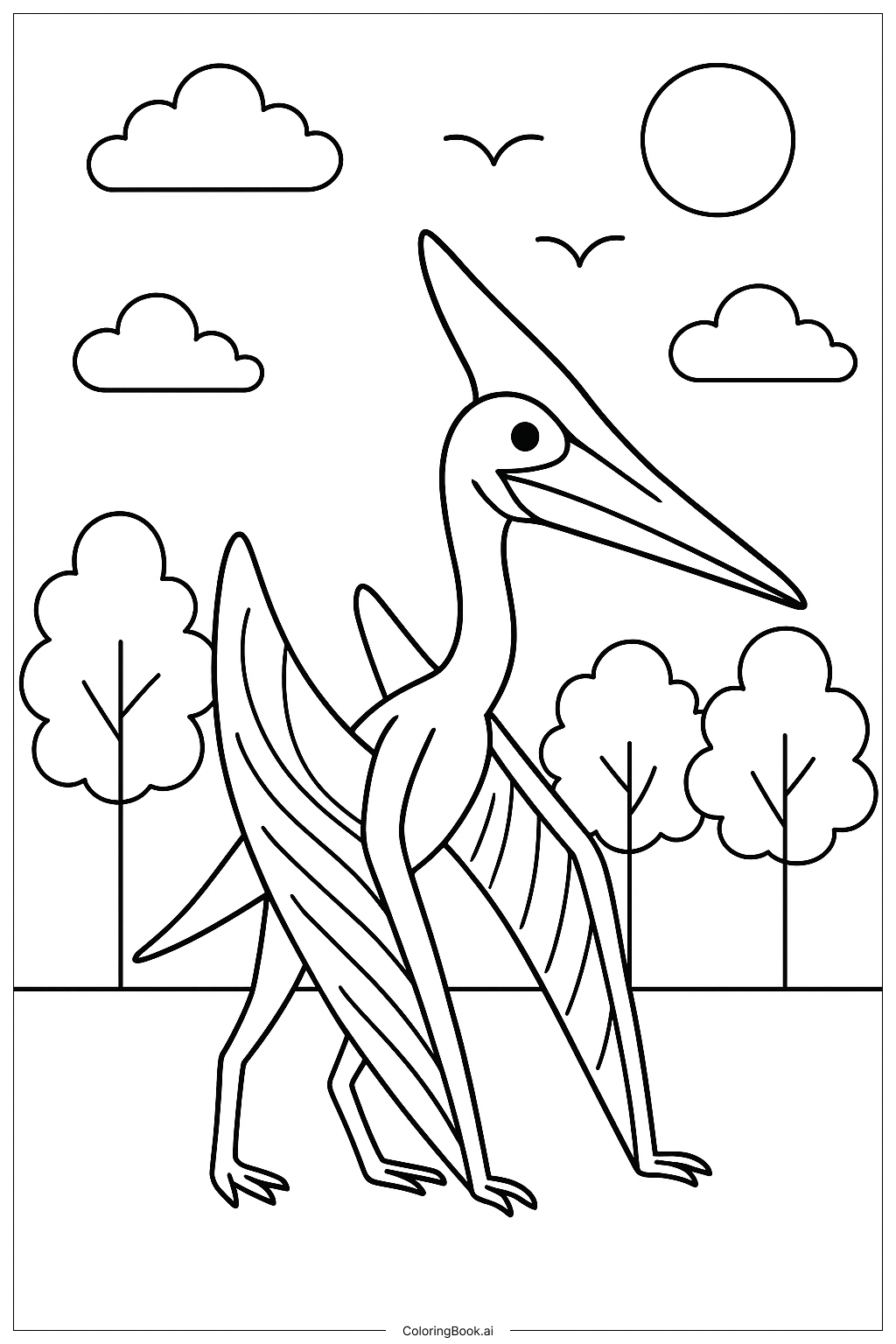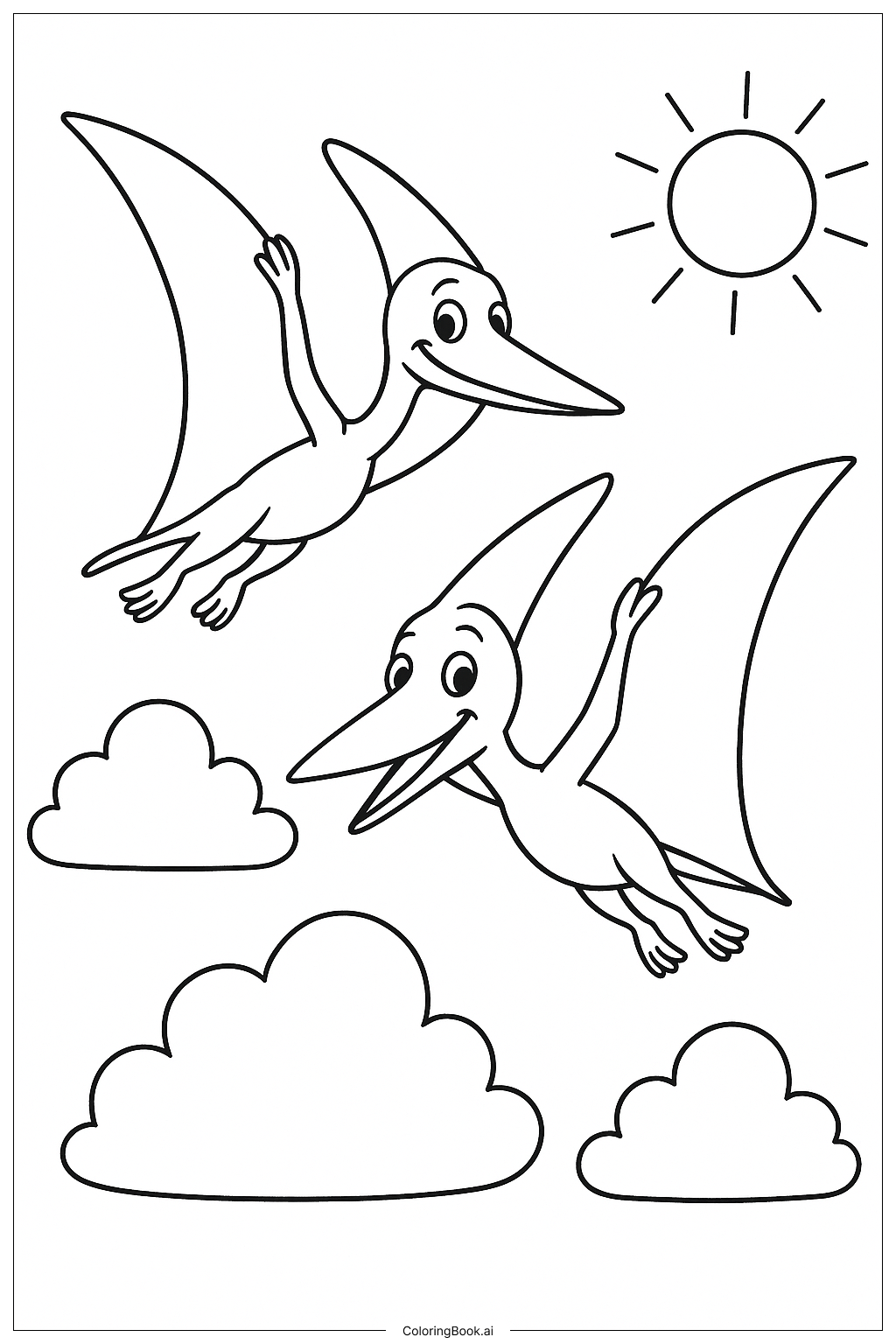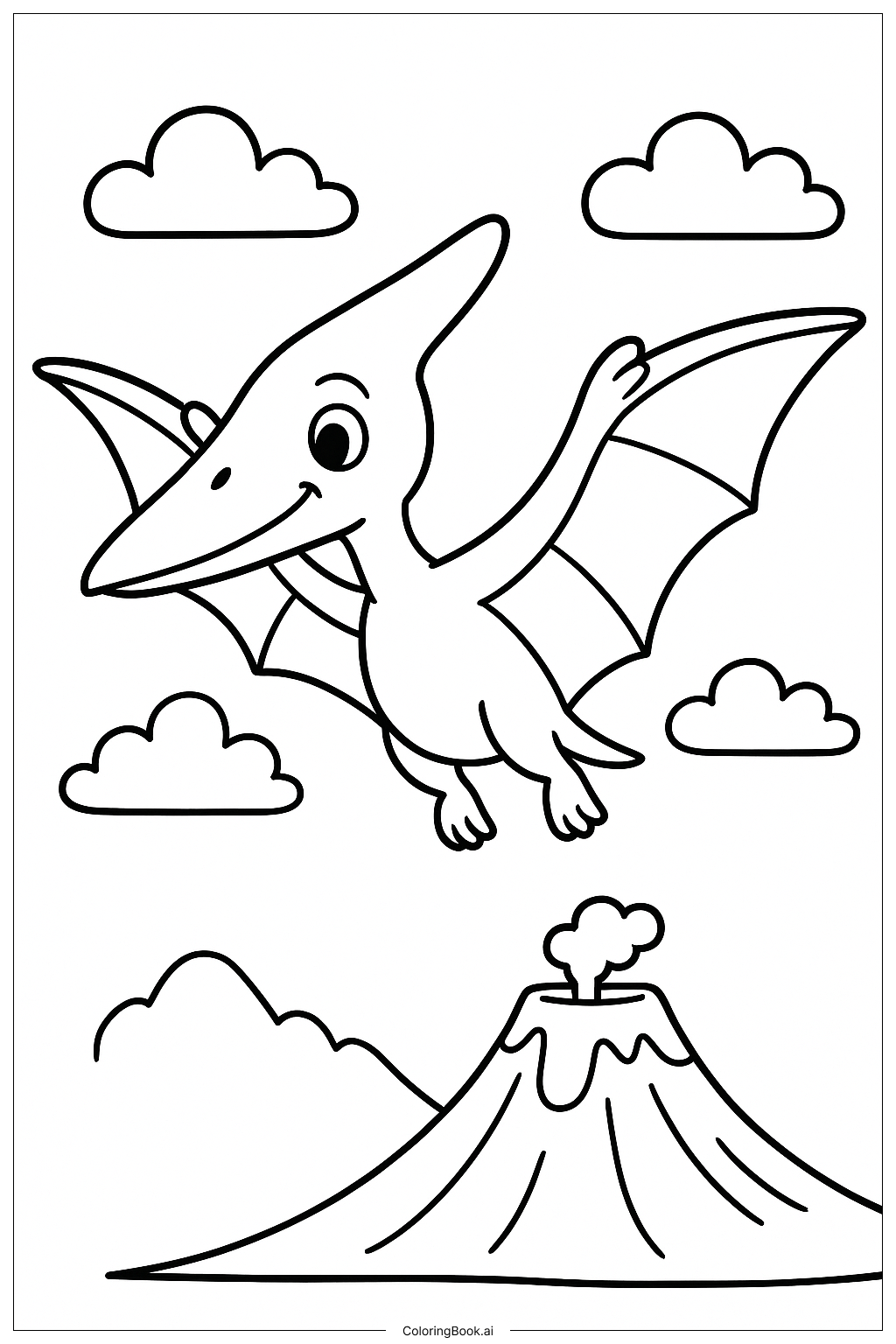
Coloring tips: How to color Quetzalcoatlus Flying Near A Volcano coloring page well?
Start with the Quetzalcoatlus itself. Use warm earthy tones like tan, brown, or dark orange for its body and wings. Add a pop of color to its long head crest — bright red, yellow, or blue can make it stand out. Use light gray or beige for the underside of the wings to show depth. For the volcano, use dark gray and brown for the rocky surface. Color the lava with bright red, orange, and yellow — blend the colors together to make it look hot and glowing. Use dark gray and light purple for the smoke clouds rising from the top. The sky can be colored in deep orange or red to match the fiery mood of the scene. Add some dark green or brown to the trees and rocks at the base for contrast. Take your time with each section and enjoy bringing this prehistoric world to life!
Coloring challenges: Which parts are difficult to color and need attention for Quetzalcoatlus Flying Near A Volcano coloring page?
• Wing Surface Shading: The Quetzalcoatlus has very large wings with stretched skin and visible bone ridges. Coloring these evenly while showing the texture of the wing membrane can be tricky. Try using light, smooth strokes in one direction to keep the surface looking natural and consistent across both wings.
• Head Crest Detail: The tall head crest is a narrow but important feature. It sits right next to the beak and head, so staying inside the lines takes care and a sharp pencil or thin marker. Using a slightly different color for the crest than the rest of the head helps it pop without making it look out of place.
• Lava Flow Gradients: The flowing lava on the volcano's slopes needs a smooth color transition from bright yellow at the hottest points to deep red and orange as it cools. Blending these warm tones smoothly is one of the hardest parts of this image, especially for younger colorists who may not be used to gradient techniques.
• Volcanic Smoke and Sky: The smoke rising from the volcano blends into the sky, making it hard to know where one ends and the other begins. Using slightly different shades of gray for the smoke and a warm tone like deep orange or red for the sky can help separate the two areas clearly.
• Rocky Terrain at the Base: The jagged rocks and uneven ground around the volcano have many small sections close together. Coloring each rock a slightly different shade of gray or brown adds realism, but it requires patience and a fine-tipped tool to avoid accidentally mixing colors in the tight spaces.
Benefits of coloring books: Advantages of drawing Quetzalcoatlus Flying Near A Volcano coloring page
Coloring this Quetzalcoatlus and volcano scene offers many great benefits for kids and adults alike. Working on a detailed prehistoric image like this helps improve focus and concentration. Kids learn to stay inside the lines and plan which colors to use, building patience and attention to detail. Choosing colors for the dinosaur, the fiery lava, and the smoky sky encourages creative thinking and imagination. There are no wrong choices — every coloring is unique and personal. Blending warm colors for the lava and cool tones for the rocky volcano surface also helps develop an early understanding of color relationships and contrast. For younger children, gripping crayons or colored pencils and carefully filling in small areas helps build fine motor skills and hand-eye coordination. For older kids and adults, the challenge of shading the large wings and detailed terrain makes this a satisfying and rewarding activity. Completing the full scene gives a strong sense of accomplishment and pride. It is also a calming, screen-free activity that helps reduce stress and promotes mindfulness. Learning about the Quetzalcoatlus while coloring it makes the experience educational too, sparking curiosity about dinosaurs and the prehistoric world.