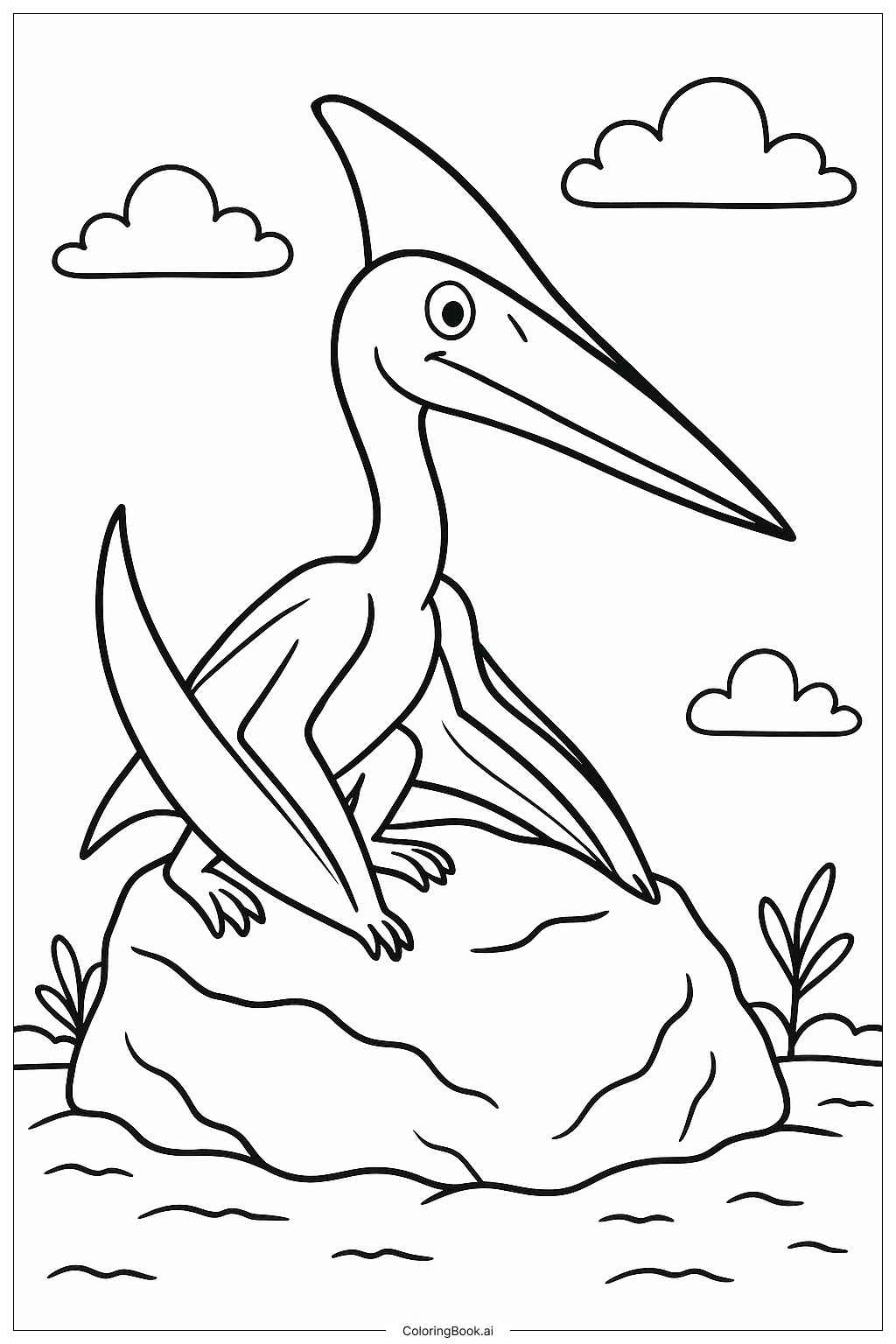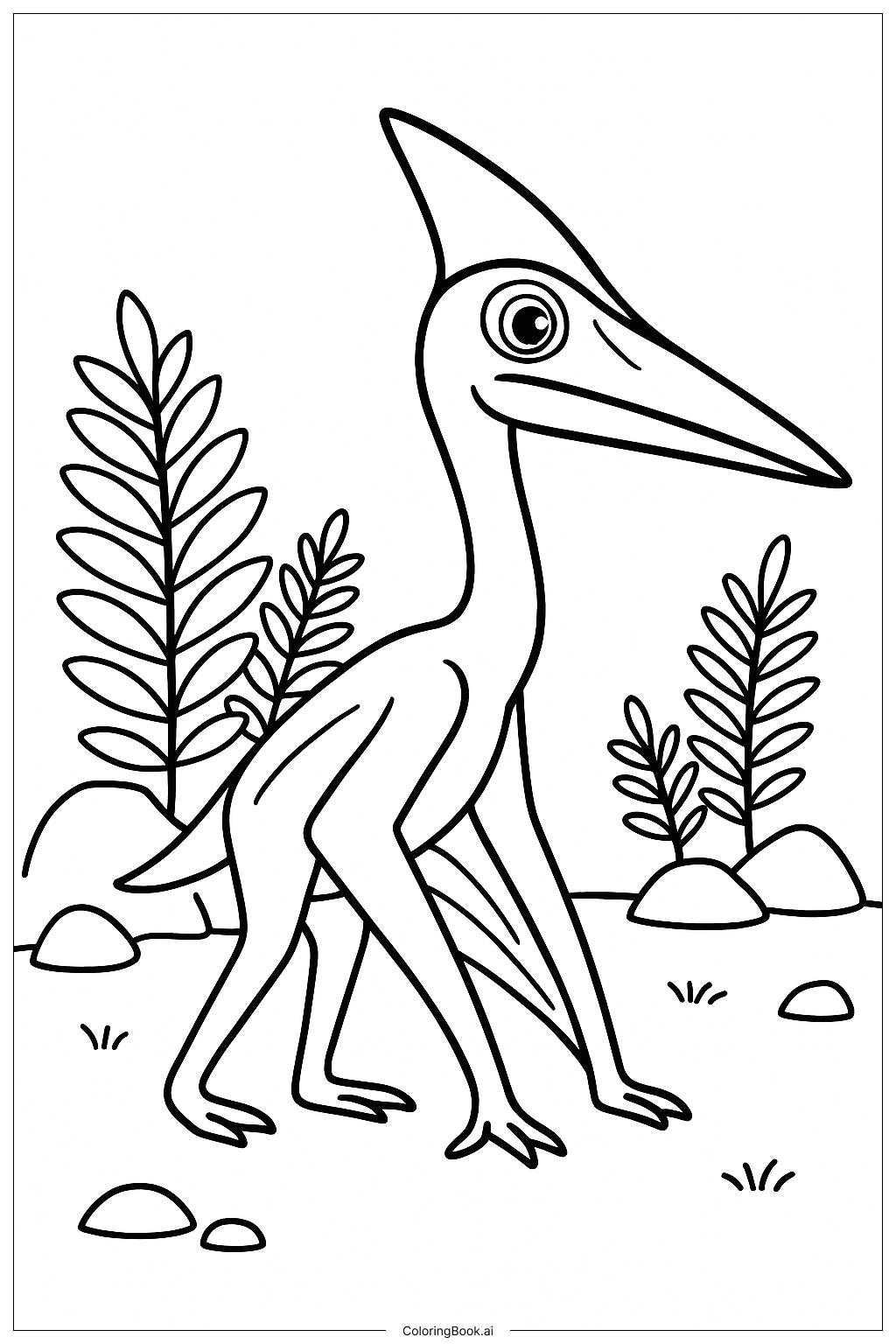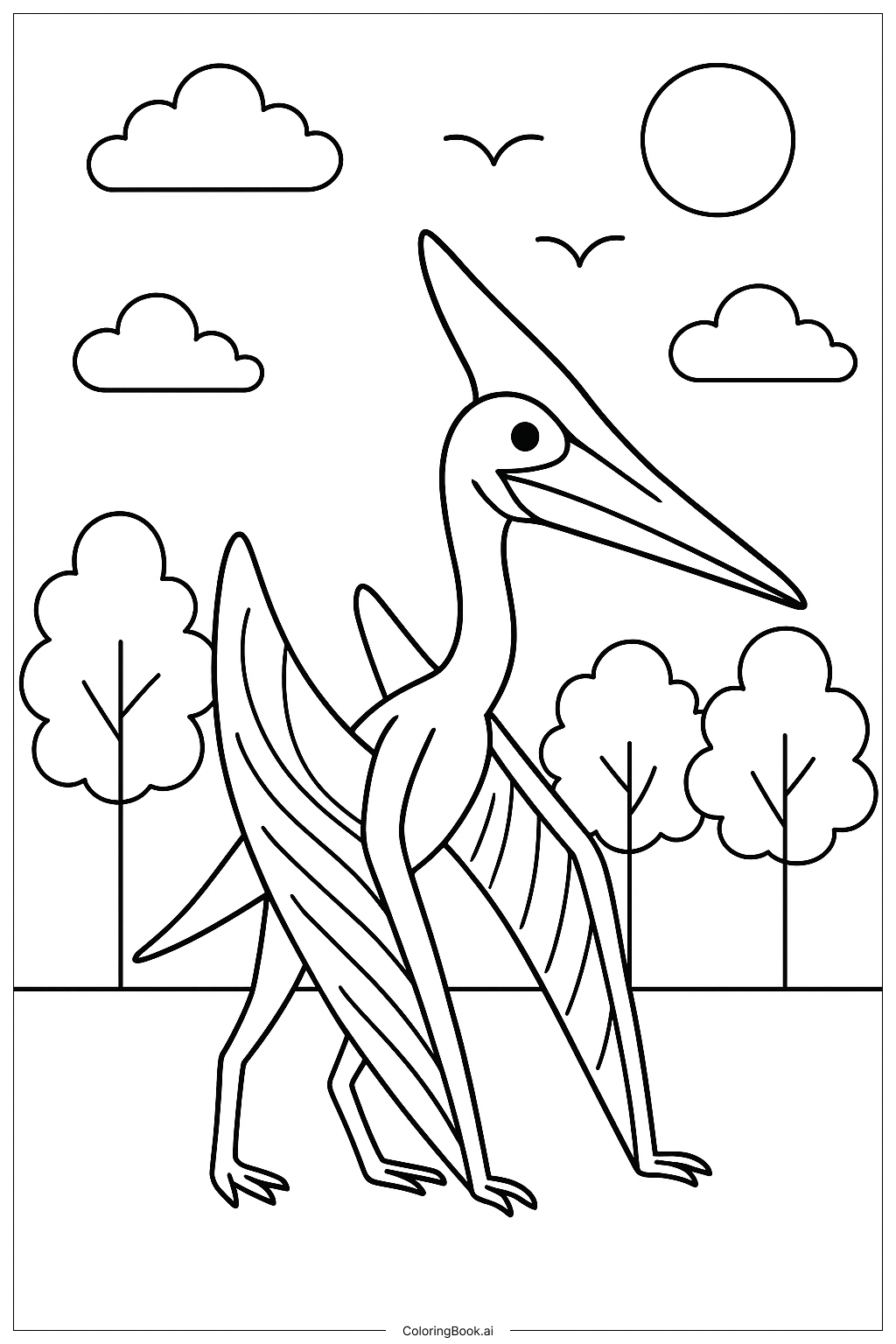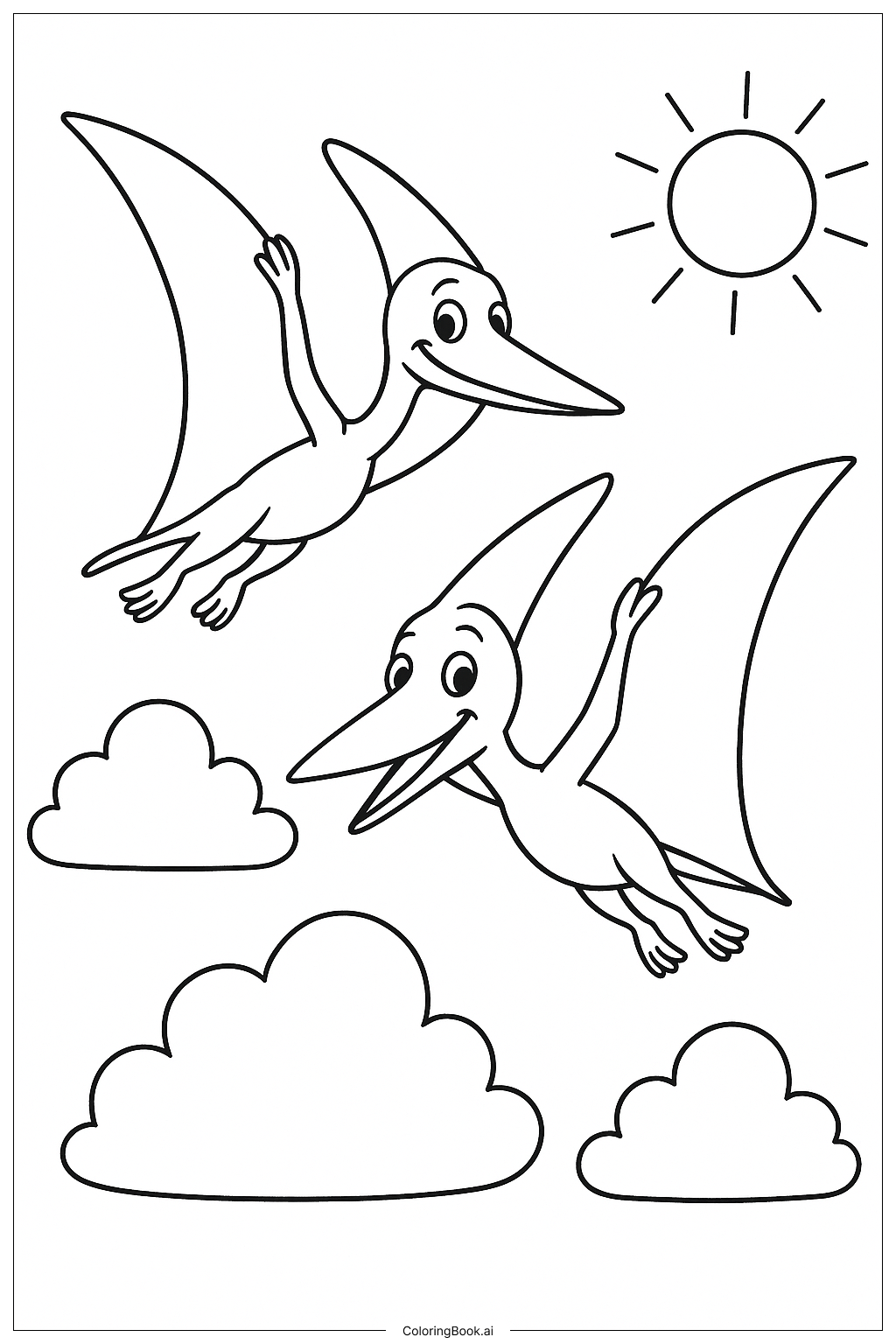
Coloring tips: How to color Quetzalcoatlus Face For Kids coloring page well?
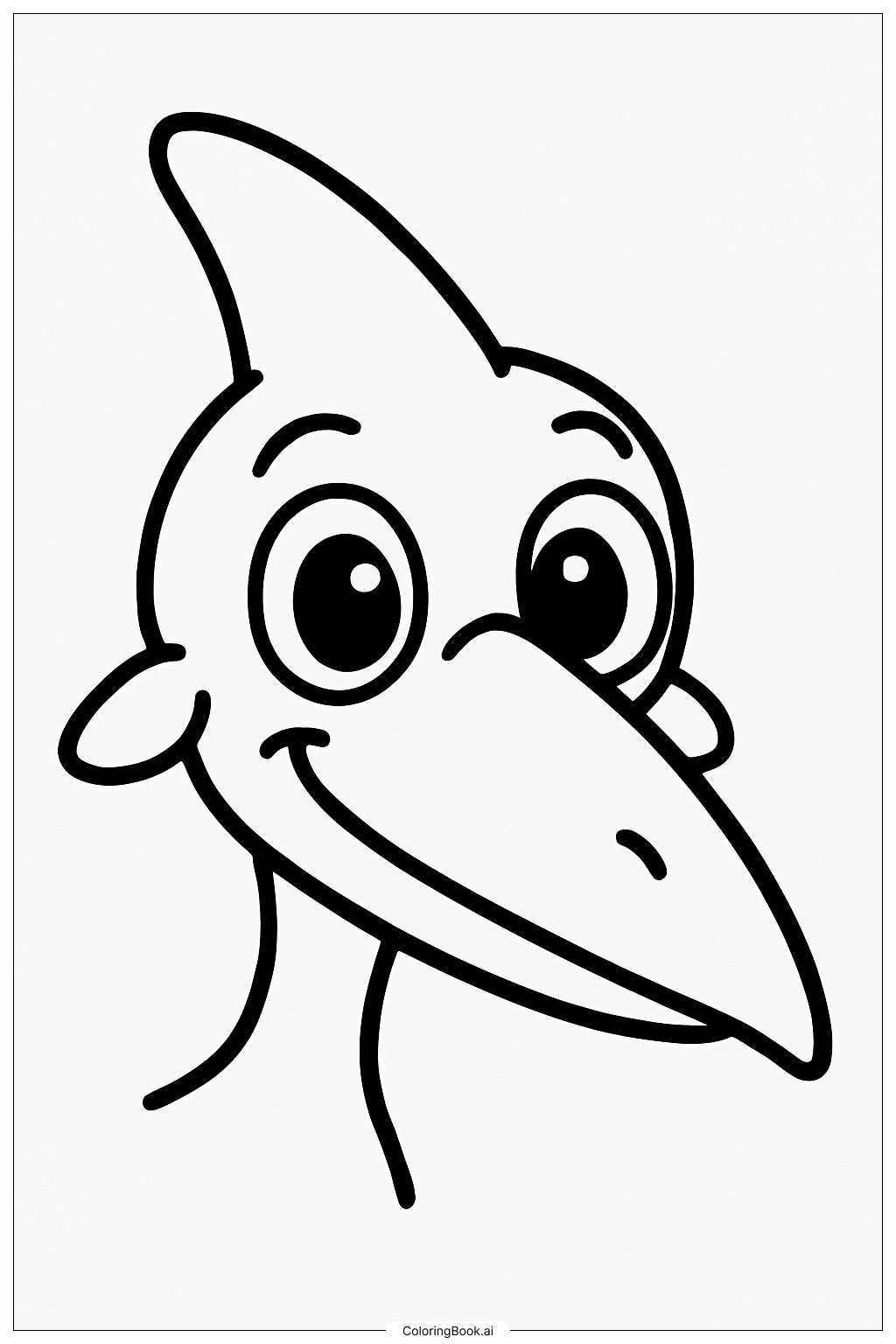
Start with the beak. Use a warm sandy yellow or pale orange for the long pointed snout. This gives the Quetzalcoatlus a realistic prehistoric look. For the skin, try a mix of earthy tones like tan, brown, or olive green. You can add darker shades along the wrinkles to create depth. The tall head crest is a great place to have fun. Use bright colors like red, orange, or deep blue to make it stand out. The eyes can be colored golden yellow with a dark pupil to look intense and alive. If you want to be more creative, use cool blues and purples for a fantasy look. Light strokes work best for large areas like the cheeks and forehead. Use the tip of your crayon or colored pencil for the fine lines around the eyes and beak. Do not worry about staying perfectly inside the lines. Let your imagination guide your colors and make this ancient giant your own!
Coloring challenges: Which parts are difficult to color and need attention for Quetzalcoatlus Face For Kids coloring page?
Coloring this Quetzalcoatlus face page is exciting, but there are a few tricky parts to watch out for. Here are the main challenges young artists may face:
• Long Beak Proportions: The beak of the Quetzalcoatlus is very long and narrow. Keeping a consistent color along its entire length without smearing or going outside the lines can be difficult. Work slowly from the tip to the base, using smooth, even strokes.
• Head Crest Shading: The tall crest on top of the head has curved surfaces that benefit from shading to look three-dimensional. Blending two close shades together, such as light orange fading into dark red, can be tricky for younger kids who are still learning gradient techniques.
• Skin Texture Details: The face is filled with small wrinkles, folds, and scale-like lines. Coloring inside these tiny areas without accidentally filling over the lines requires patience and a sharpened pencil or thin marker. Using the very tip of the coloring tool helps here.
• Eye Detailing: The eye area has several small sections, including the pupil, the iris, and the surrounding skin. Each part needs a different color. Keeping these sections neat and distinct from one another takes a steady hand and careful attention.
• Balancing Overall Color Harmony: Choosing colors that look good together across the whole face, from the beak to the crest to the skin, can be challenging. Kids should try to pick a simple color palette of two or three main colors before they start to keep the final result looking balanced and polished.
Benefits of coloring books: Advantages of drawing Quetzalcoatlus Face For Kids coloring page
Coloring this Quetzalcoatlus face page offers wonderful benefits for kids of all ages. First, it sparks curiosity about prehistoric life. As children color this ancient flying reptile, they naturally start asking questions about dinosaurs and the world millions of years ago. This turns a fun activity into a learning moment. Second, it builds fine motor skills. Carefully coloring the long beak, tiny scale details, and expressive eyes helps strengthen hand control and pencil grip, skills that are important for writing and drawing. Third, it encourages creativity and self-expression. Choosing colors for the crest, skin, and eyes lets each child create a unique version of this magnificent creature. There is no wrong answer, only personal style. Fourth, it supports focus and patience. Completing a detailed image like this teaches children to slow down, concentrate, and follow a task through to the end. This kind of calm, focused activity is great for reducing stress and building attention span. Finally, finishing the page gives kids a real sense of pride and accomplishment, boosting their confidence as young artists.