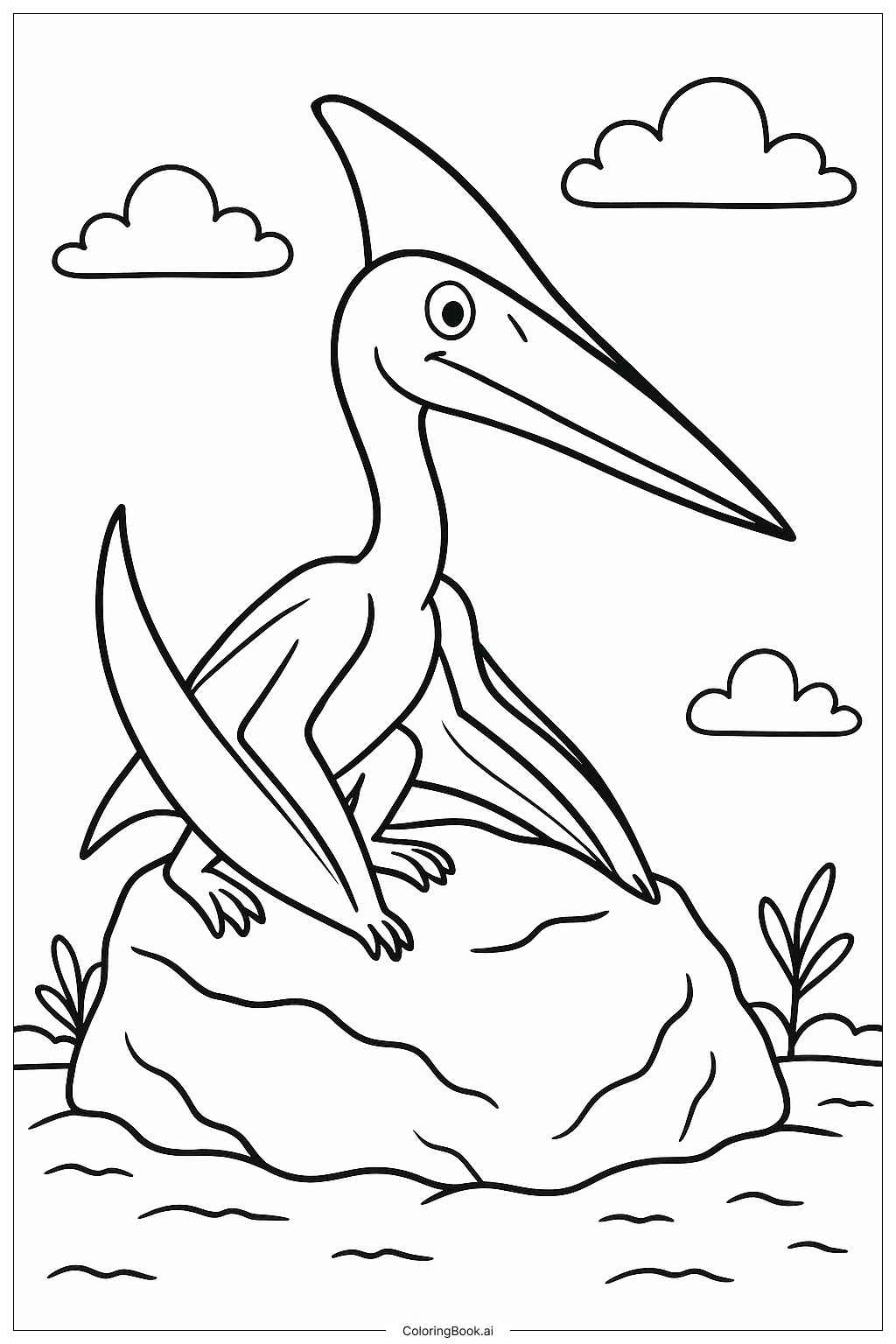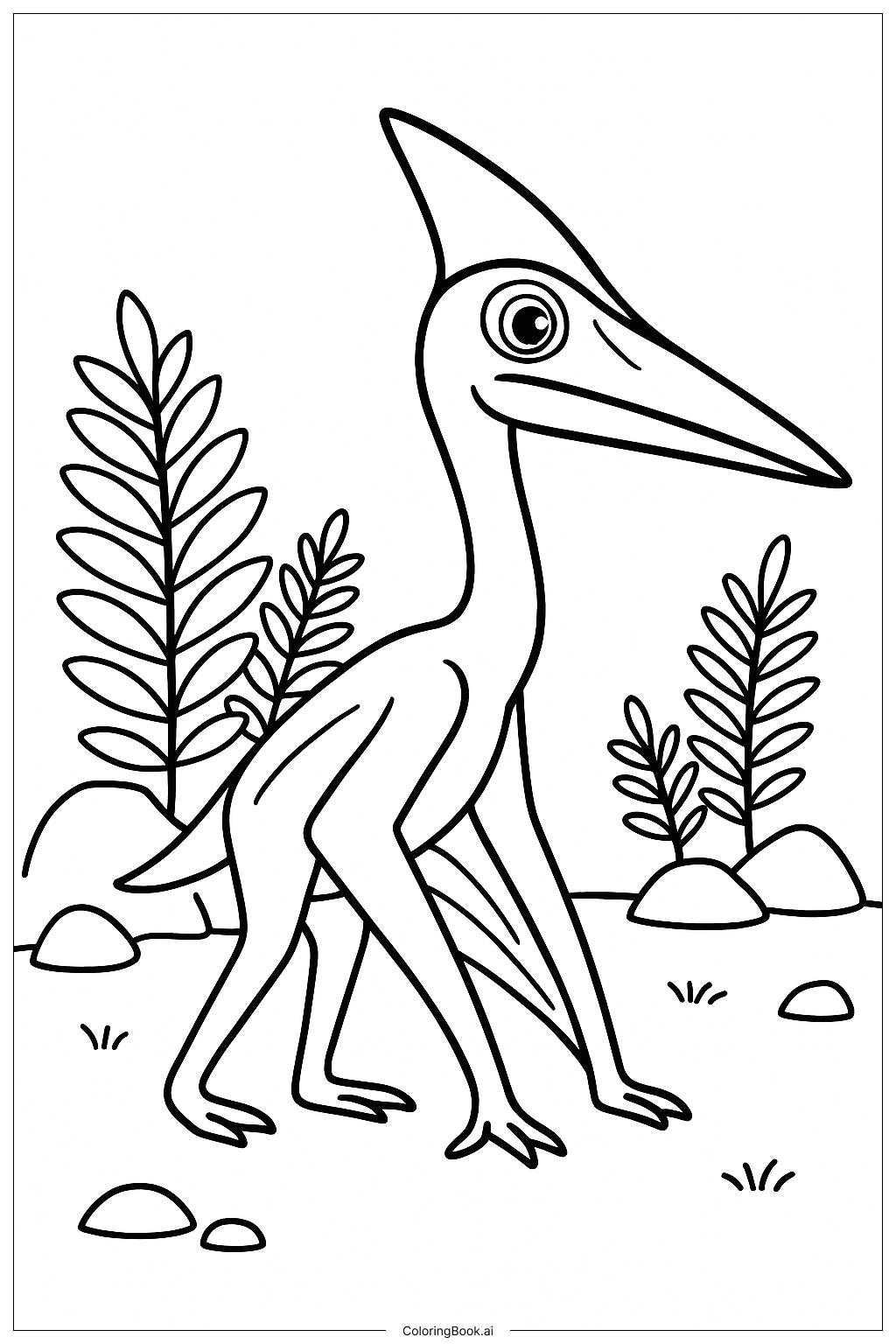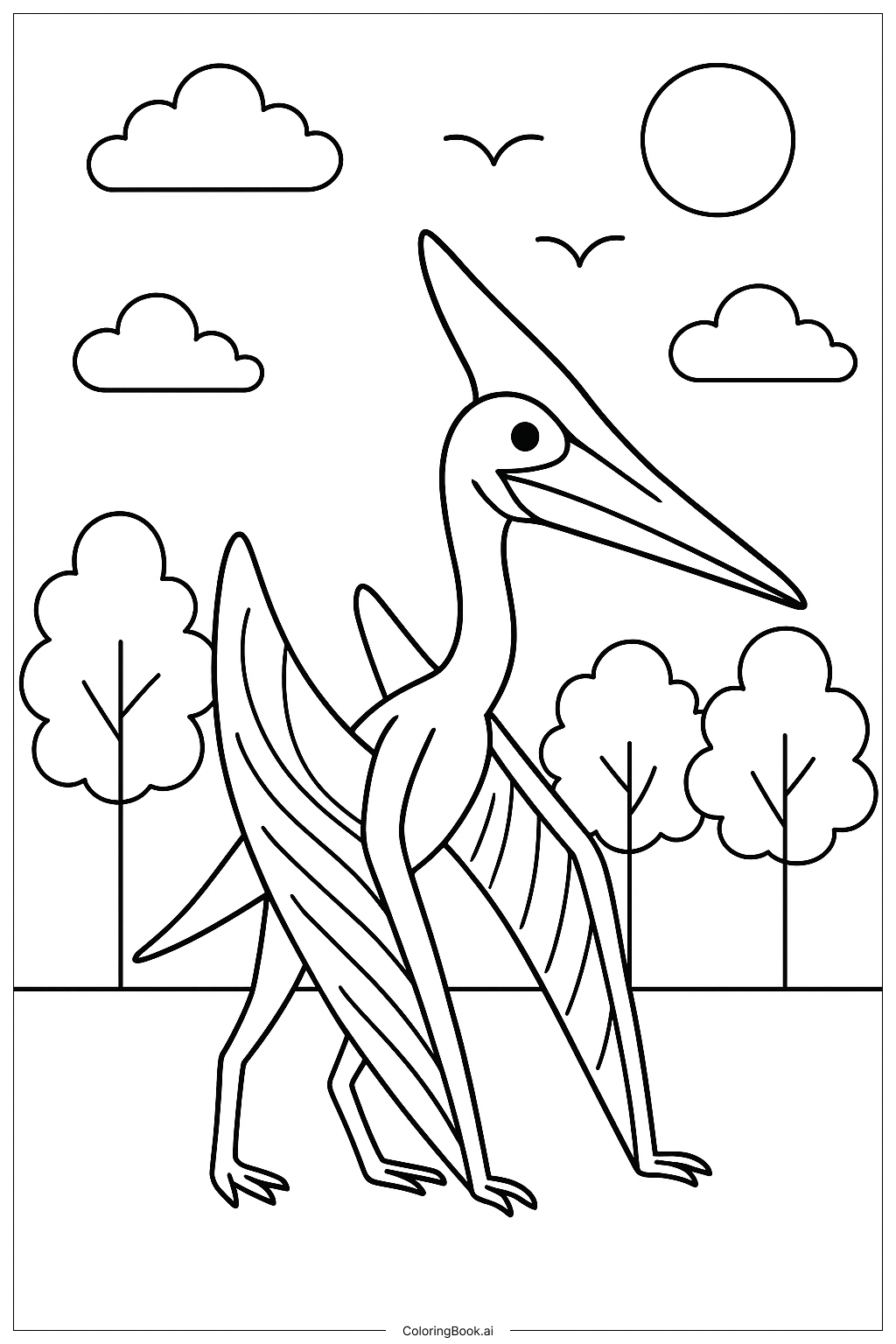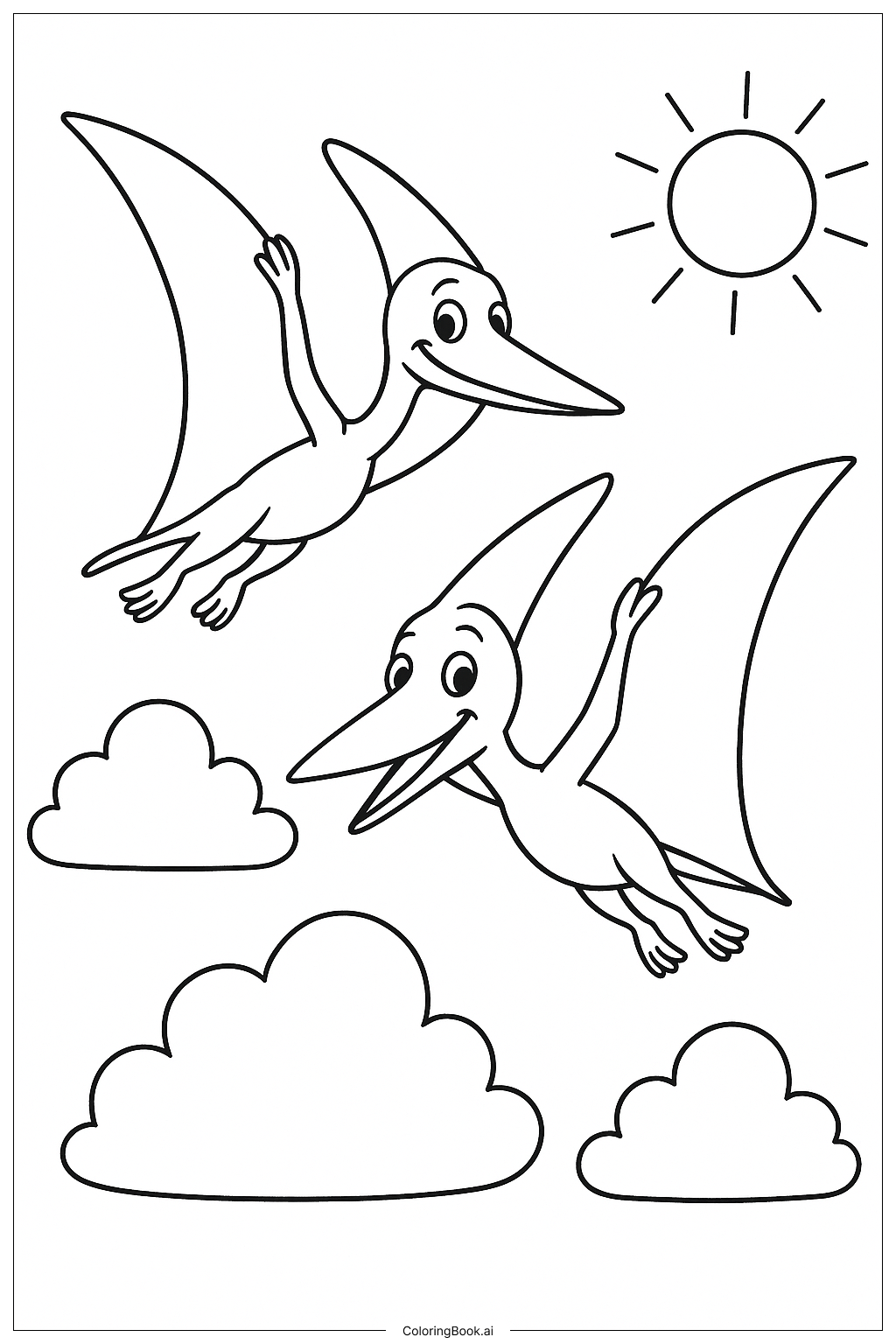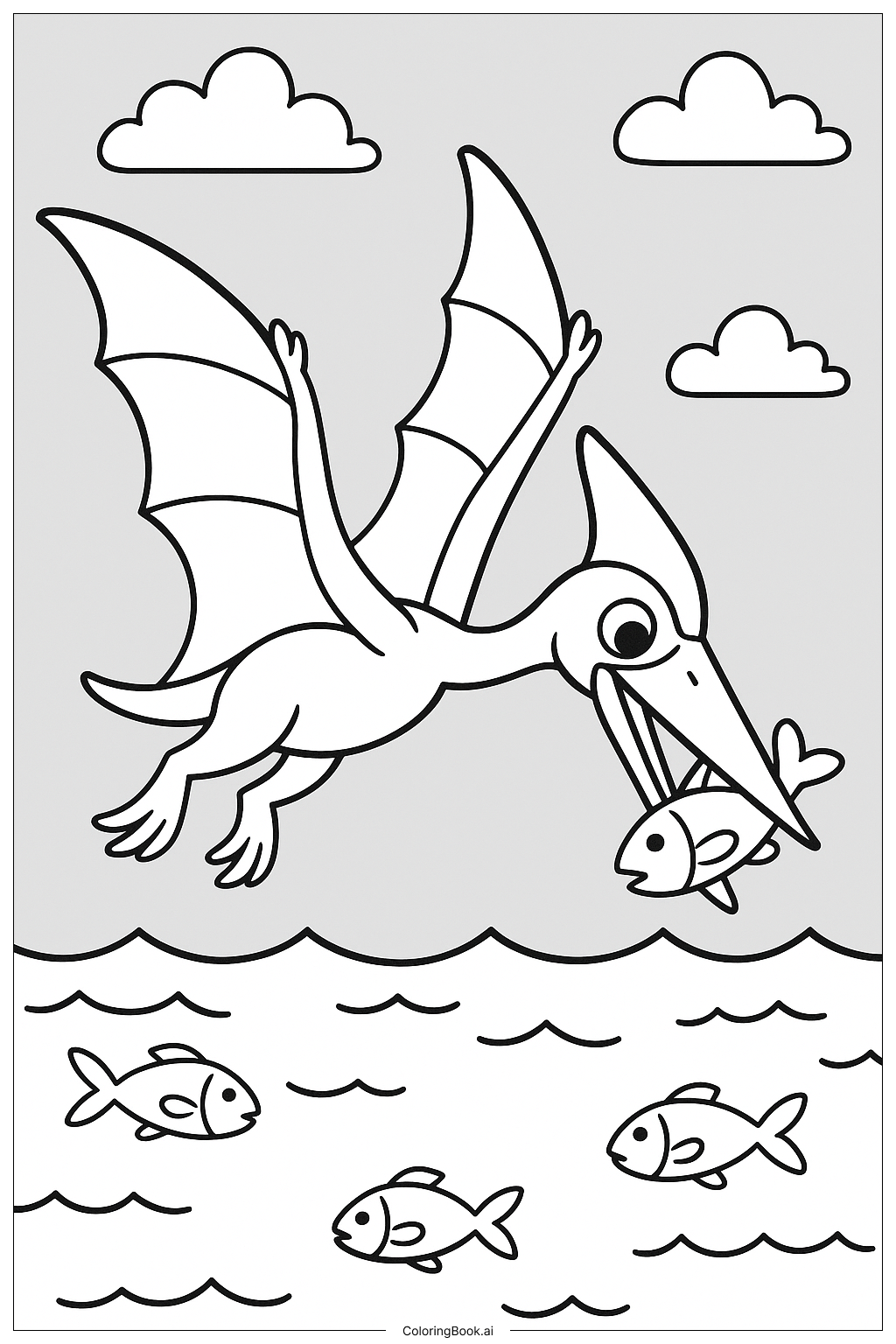
Coloring tips: How to color Quetzalcoatlus Catching A Fish From The Sea coloring page well?
Start with the Quetzalcoatlus body. Use warm earthy tones like tan, brown, or rust for its leathery skin. Add darker shading along the wing membranes to show their thin, stretched texture. The long beak and head crest can be colored in yellow, orange, or ivory. For the fish, try shiny silver or light blue with a hint of gold to make it look wet and slippery. Color the ocean in layers of deep blue and teal, adding white tips to the waves for movement. Use lighter blue or pale gray in the sky background. If the scene includes cliffs or rocks, earthy grays and browns work well. Kids can experiment with bold, bright colors to make the scene feel alive and exciting. There are no wrong color choices here, so feel free to be creative and have fun with every section of this prehistoric scene.
Coloring challenges: Which parts are difficult to color and need attention for Quetzalcoatlus Catching A Fish From The Sea coloring page?
• Wing Membrane Texture: The Quetzalcoatlus has enormous wings with a thin, leathery surface stretched between long finger bones and its body. Coloring this area evenly without streaks or blotches can be tricky. Try using light strokes that follow the direction of the wing to suggest natural folds and stretch marks.
• Gradual Shading on the Body: The body of a pterosaur is not one flat color. It has lighter areas on the belly and darker tones along the back and limbs. Blending two or three shades of the same color family helps create a realistic, three-dimensional look, but smooth transitions take patience and practice.
• The Fish and Water Interaction: The moment of catching a fish from moving water is full of splashing and overlapping shapes. It can be hard to separate the fish from the waves and the beak. Use contrasting colors for each element, such as silver for the fish, dark blue for the water, and a warm tone for the beak, so each part stands out clearly.
• Ocean Wave Movement: Waves have curved, layered shapes that require careful coloring to avoid looking flat. Using at least two or three shades of blue, and leaving some areas white or very pale to represent foam and light reflections, will help the water look dynamic and realistic.
• Head Crest and Fine Details: The elongated head crest and the narrow beak are small, pointed features that require a fine-tipped tool to color neatly. Trying to stay within these thin lines without smudging nearby areas is one of the most precise challenges in this image.
Benefits of coloring books: Advantages of drawing Quetzalcoatlus Catching A Fish From The Sea coloring page
Coloring this Quetzalcoatlus scene offers a wonderful mix of fun and learning. Children get to explore one of history's most fascinating flying creatures while building important skills at the same time. Here are some great benefits of coloring this page.
Improves focus and concentration: Staying within detailed lines and working through a complex scene trains the brain to focus for longer periods, which is helpful in school and daily life.
Builds fine motor skills: Holding and controlling coloring tools, especially around small details like the beak and crest, strengthens hand muscles and improves coordination in young children.
Sparks curiosity about prehistory: Coloring a real prehistoric animal like Quetzalcoatlus encourages kids to ask questions and learn more about dinosaurs, flying reptiles, and ancient ecosystems.
Encourages creativity: Choosing colors for a creature that no one has ever truly seen gives children the freedom to express their imagination without worrying about being wrong.
Promotes relaxation and emotional well-being: The rhythmic, focused activity of coloring is calming for both children and adults. It helps reduce stress and provides a satisfying sense of accomplishment when the page is complete.