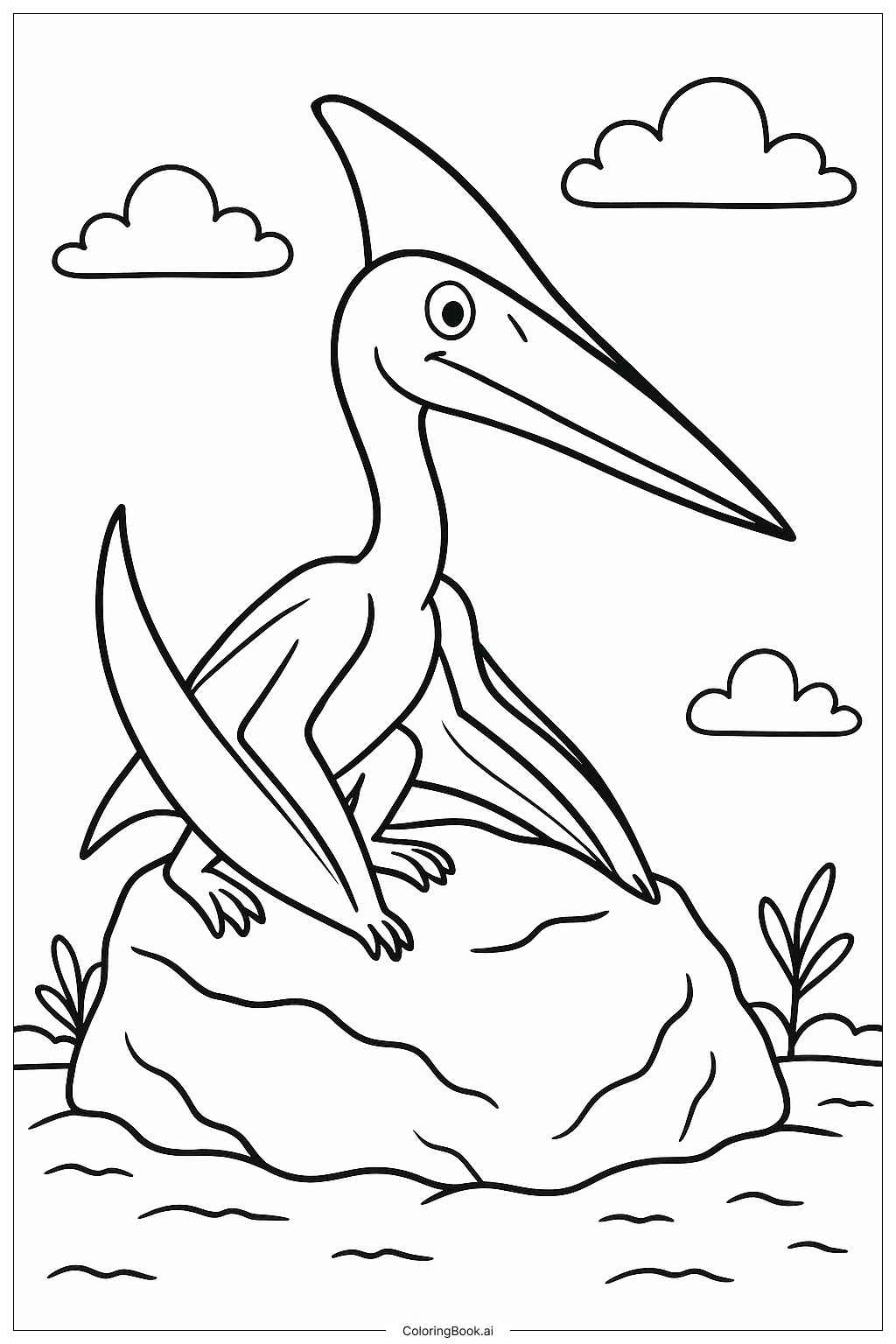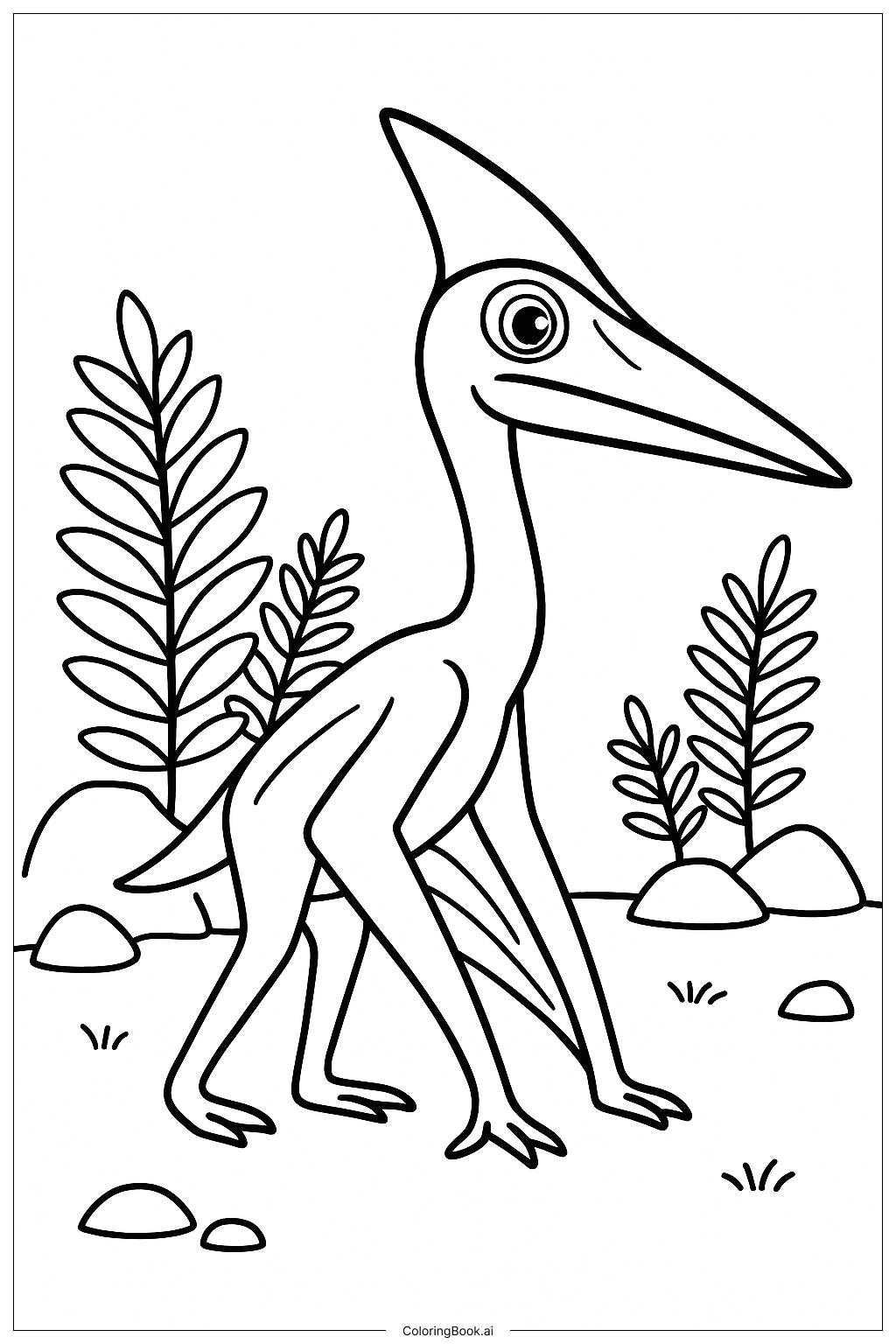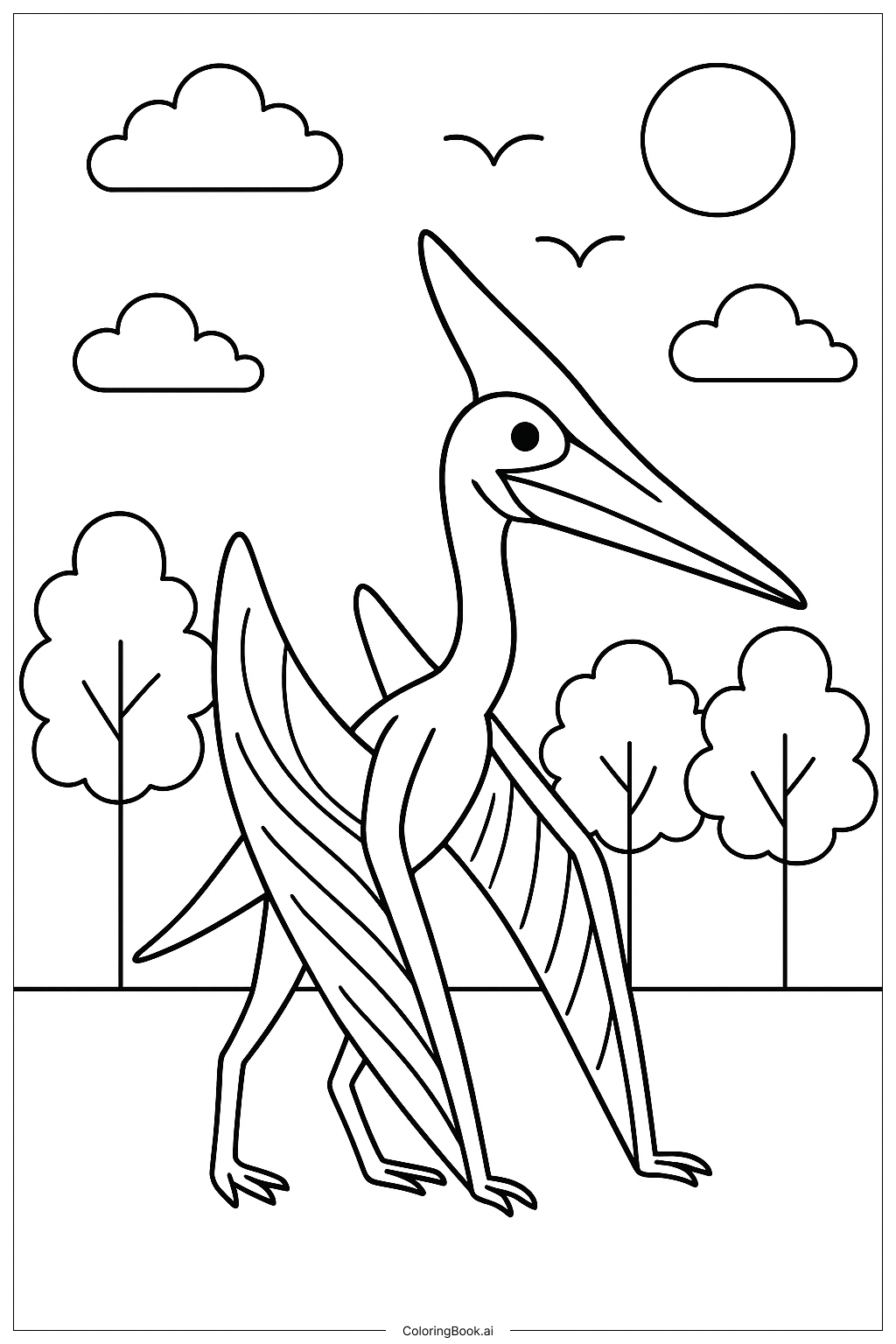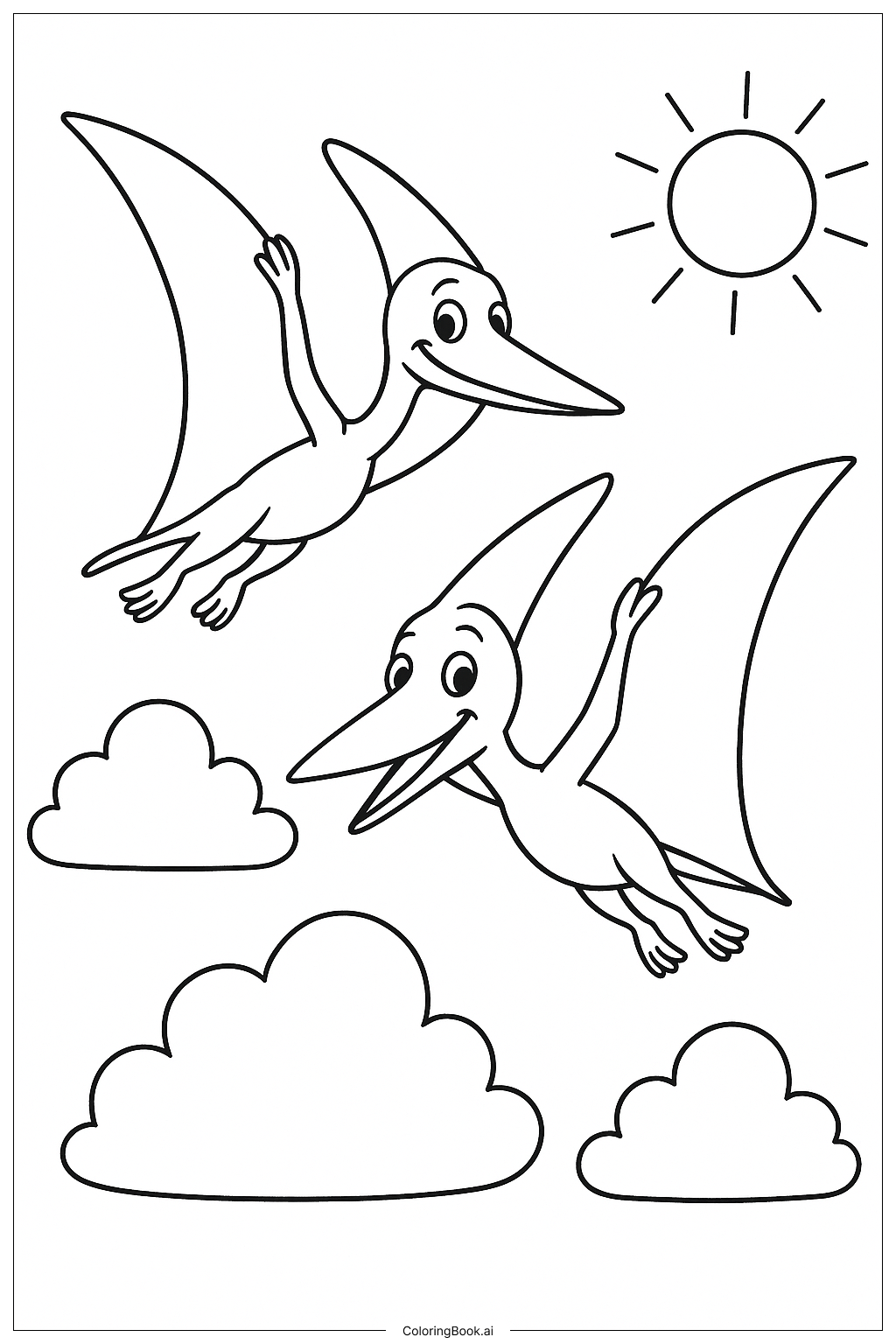
Coloring tips: How to color Quetzalcoatlus Among Ferns And Cycads coloring page well?
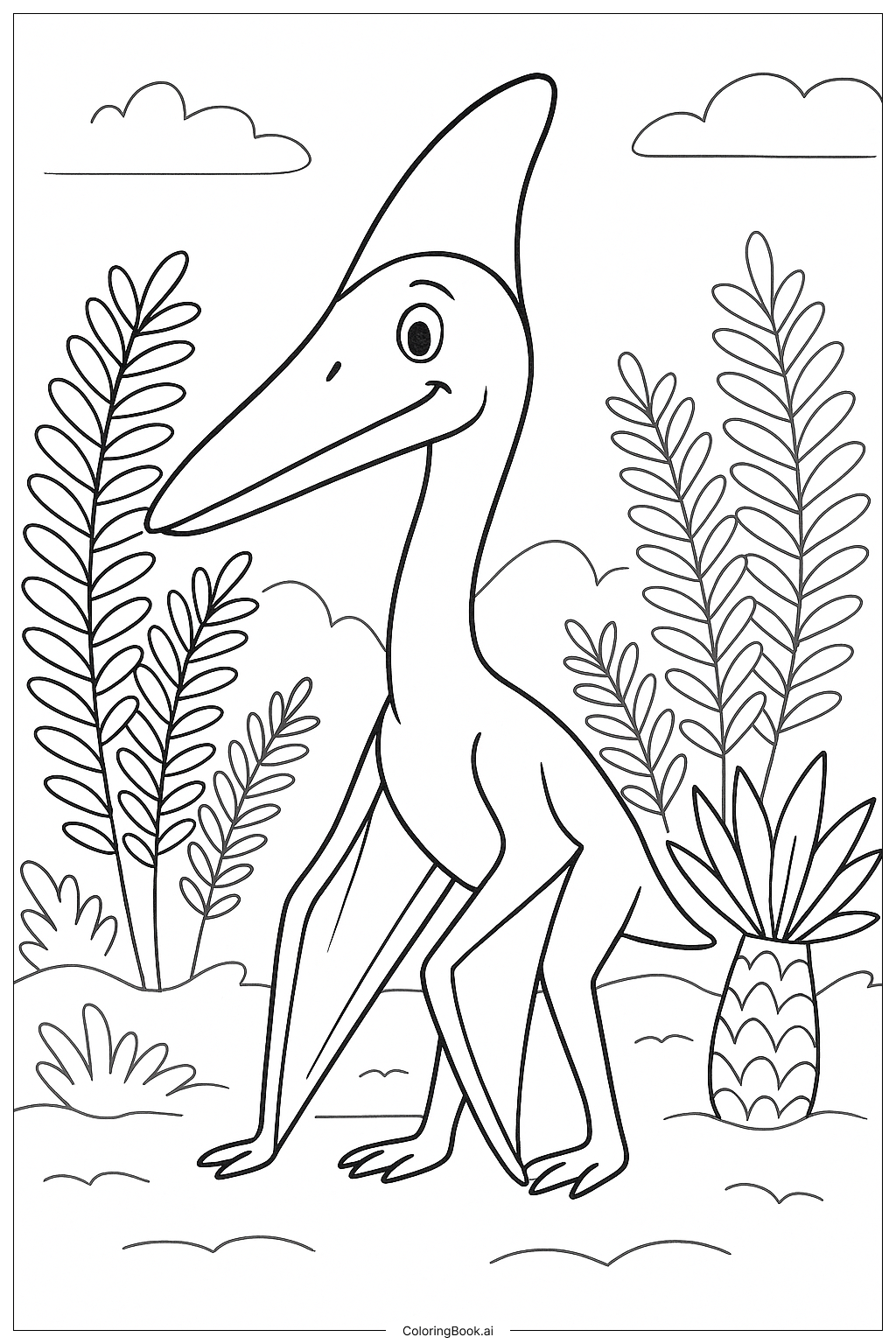
Start with the Quetzalcoatlus itself. Use warm tones like sandy brown, rust orange, or deep red for its body and wings. You can add darker shading along the wing edges to give it depth. The long beak looks great in golden yellow or pale ivory. For the head crest, try a bold color like bright orange or crimson to make it stand out.
Move on to the plants next. Use different shades of green for the ferns — light lime green for young fronds and darker forest green for older ones. Cycad trunks can be done in brown or gray, with their leaves in a deep olive green.
The ground can be colored in earthy tones like tan, brown, or soft moss green. If you want the scene to feel like a sunny day, add a pale blue or yellow sky peeking through the background. Mixing warm and cool colors throughout will make the whole image feel alive and exciting.
Coloring challenges: Which parts are difficult to color and need attention for Quetzalcoatlus Among Ferns And Cycads coloring page?
• Wing Texture and Shading: The Quetzalcoatlus has large, broad wings with stretched membrane skin. Coloring these evenly without streaks can be tricky. Try using long, smooth strokes going in one direction. Adding a slightly darker tone near the edges and a lighter tone toward the center helps create a natural look and gives the wings a sense of depth.
• Overlapping Fern Fronds: The ferns in this image have many layered fronds that overlap each other. It can be hard to tell where one frond ends and another begins. Look carefully at the lines before you color. Using two or three different shades of green for different fronds makes each one stand out clearly and keeps the scene from looking flat.
• Cycad Trunk Details: The cycad trunks have rough, bumpy textures made of small repeated shapes. Coloring all these tiny details takes patience. Use a sharp pencil or a fine-tipped marker for the texture. A base layer of light brown with darker brown added to the ridges works really well.
• The Head Crest and Beak: The Quetzalcoatlus has a narrow, pointed beak and a long head crest. These are small compared to the rest of the body, so coloring them neatly requires a steady hand. Use a thin tool and take your time. Choosing a contrasting color here helps the head pop out from the body.
• Background Depth: Making the background feel far away while the dinosaur looks close up is a real challenge. Use lighter, cooler colors for distant plants and save the brighter, warmer colors for the foreground details.
Benefits of coloring books: Advantages of drawing Quetzalcoatlus Among Ferns And Cycads coloring page
Coloring this Quetzalcoatlus scene offers a wonderful mix of fun and learning for kids and adults alike.
Learning about prehistoric life: Filling in a dinosaur-era scene sparks curiosity about ancient creatures and plants. Kids naturally start asking questions about what the world looked like millions of years ago.
Building focus and patience: This image has many detailed elements — wings, ferns, cycads, and ground textures. Working through each section carefully helps children develop concentration and the ability to stick with a task.
Developing color sense: Choosing colors for a fantastical prehistoric world encourages creative thinking. There are no wrong answers, which gives colorists the freedom to experiment with different palettes and discover what works.
Fine motor skill practice: Staying within the lines of detailed features like the head crest, fern fronds, and wing edges strengthens hand control and pencil grip, skills that are important for writing and drawing.
Stress relief and calm: The repetitive, focused nature of coloring is well known for helping people relax. Whether it is a child winding down after school or an adult taking a break, this peaceful prehistoric scene provides a calming creative outlet for all ages.