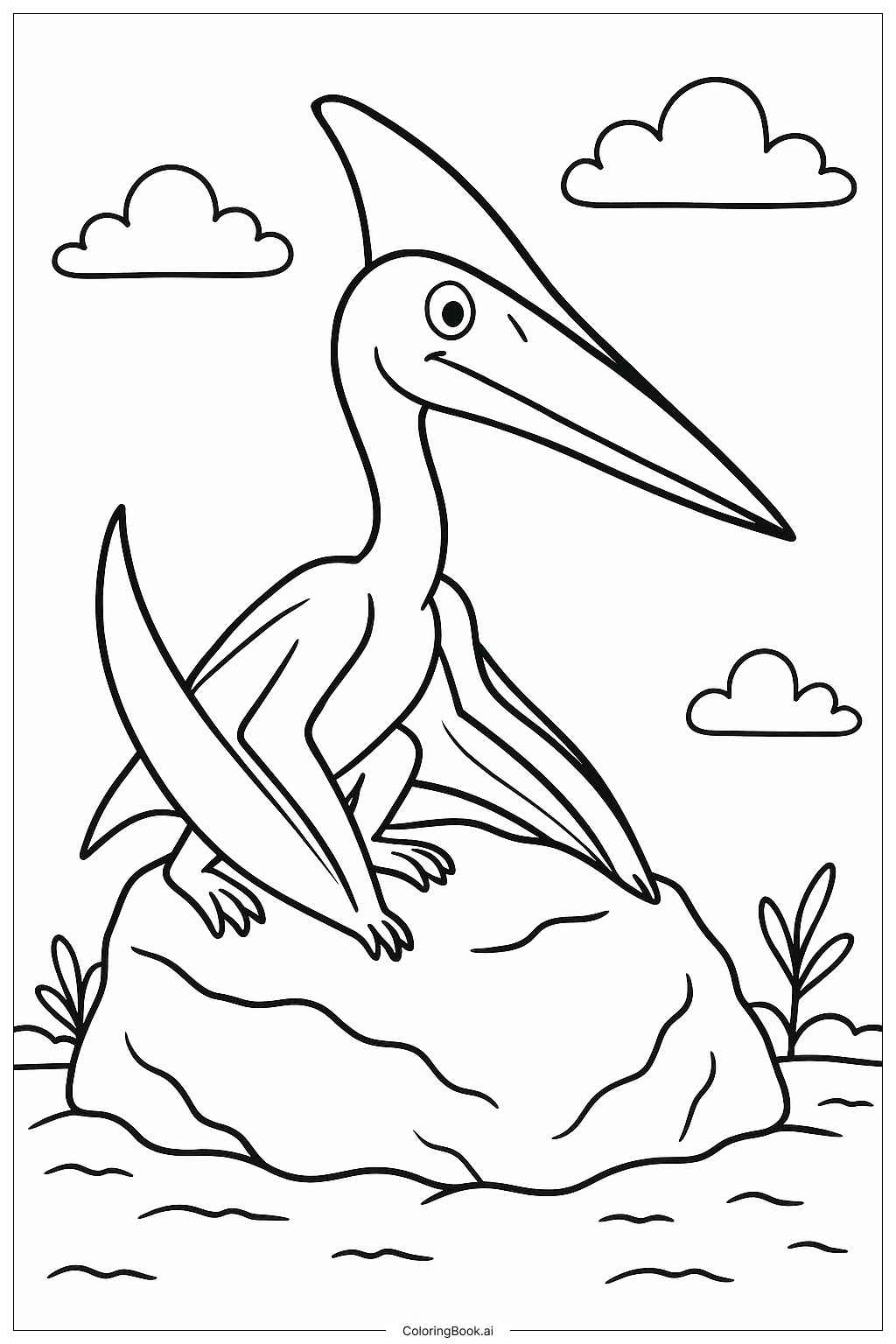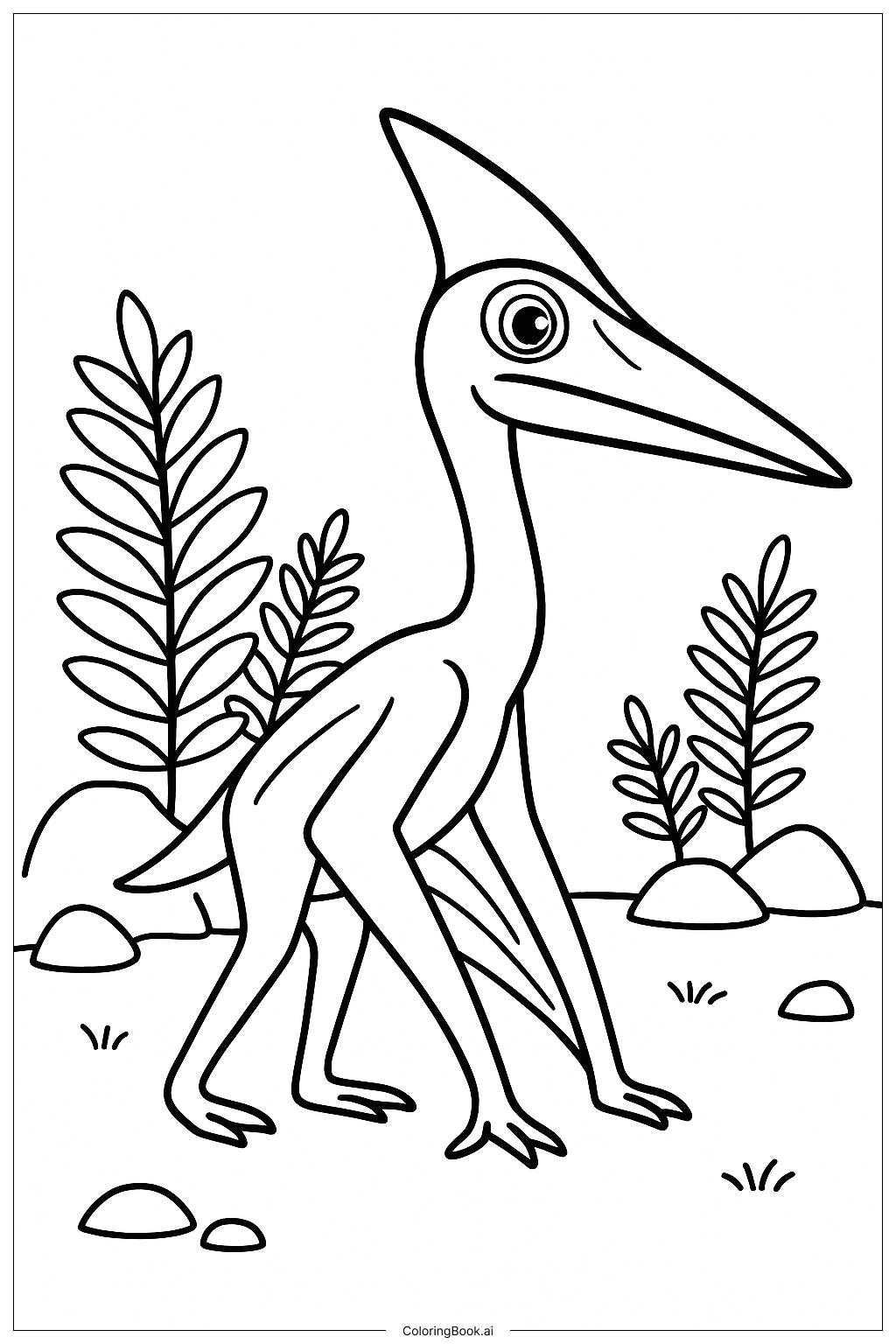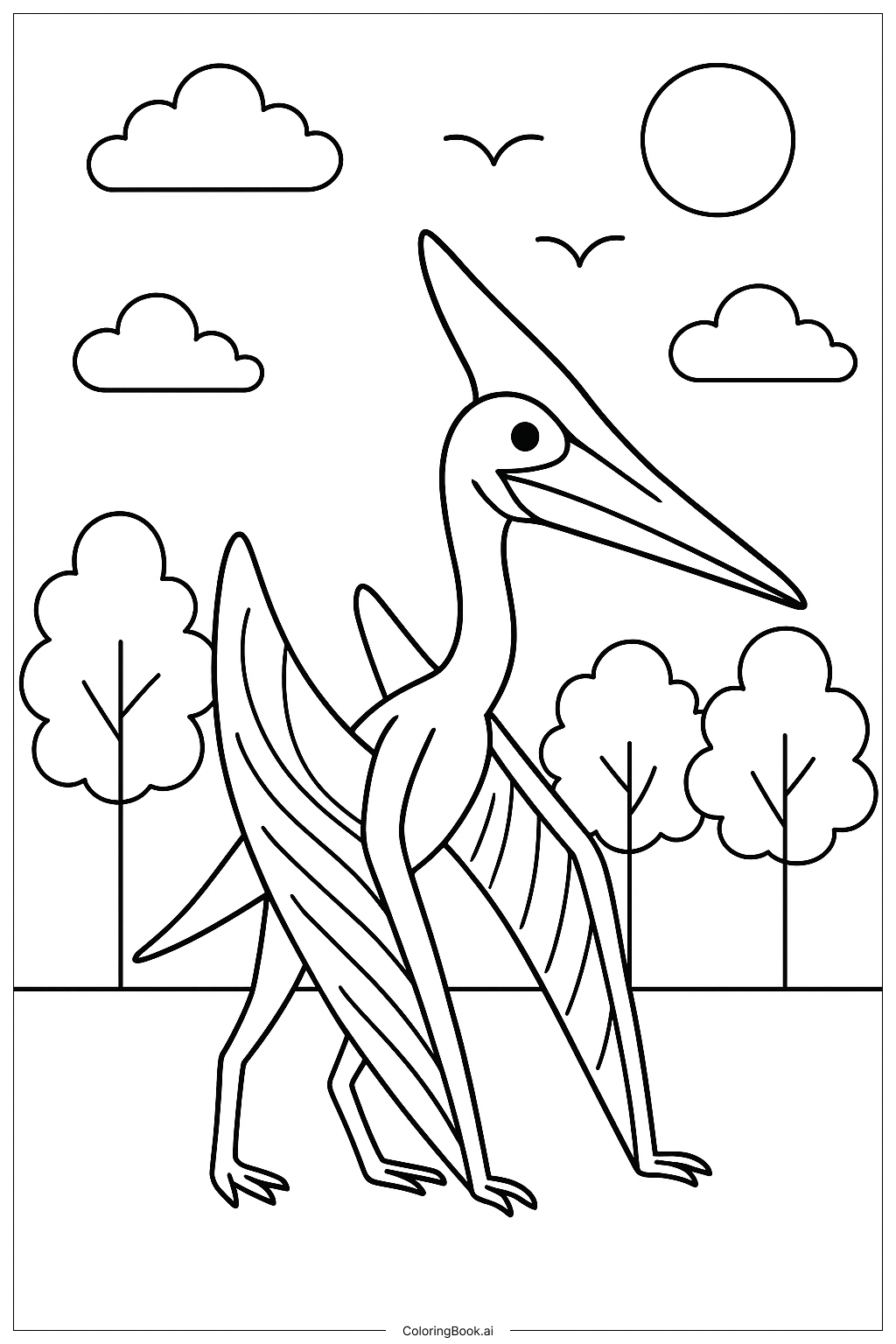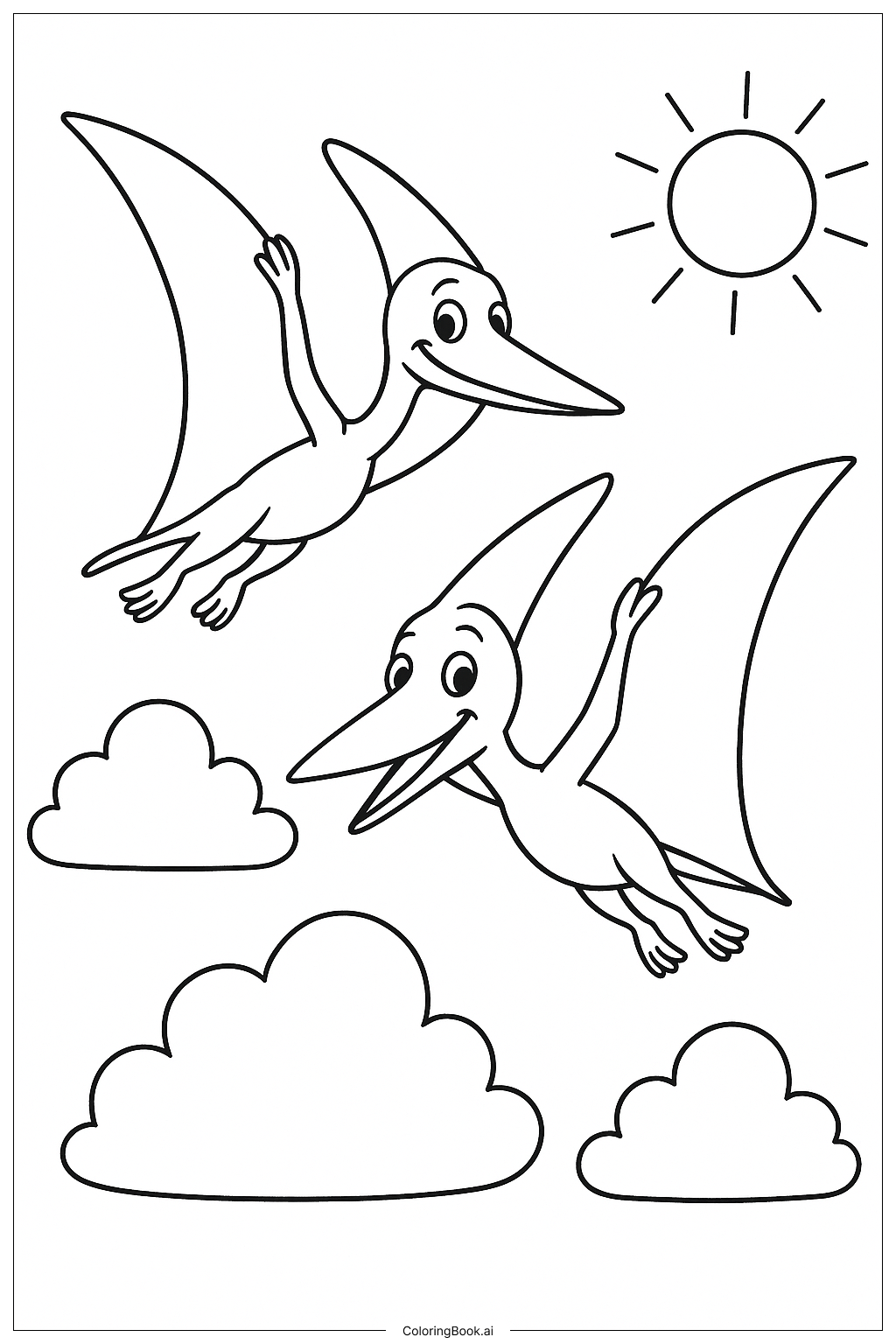
Coloring tips: How to color Happy Quetzalcoatlus With A Sun coloring page well?
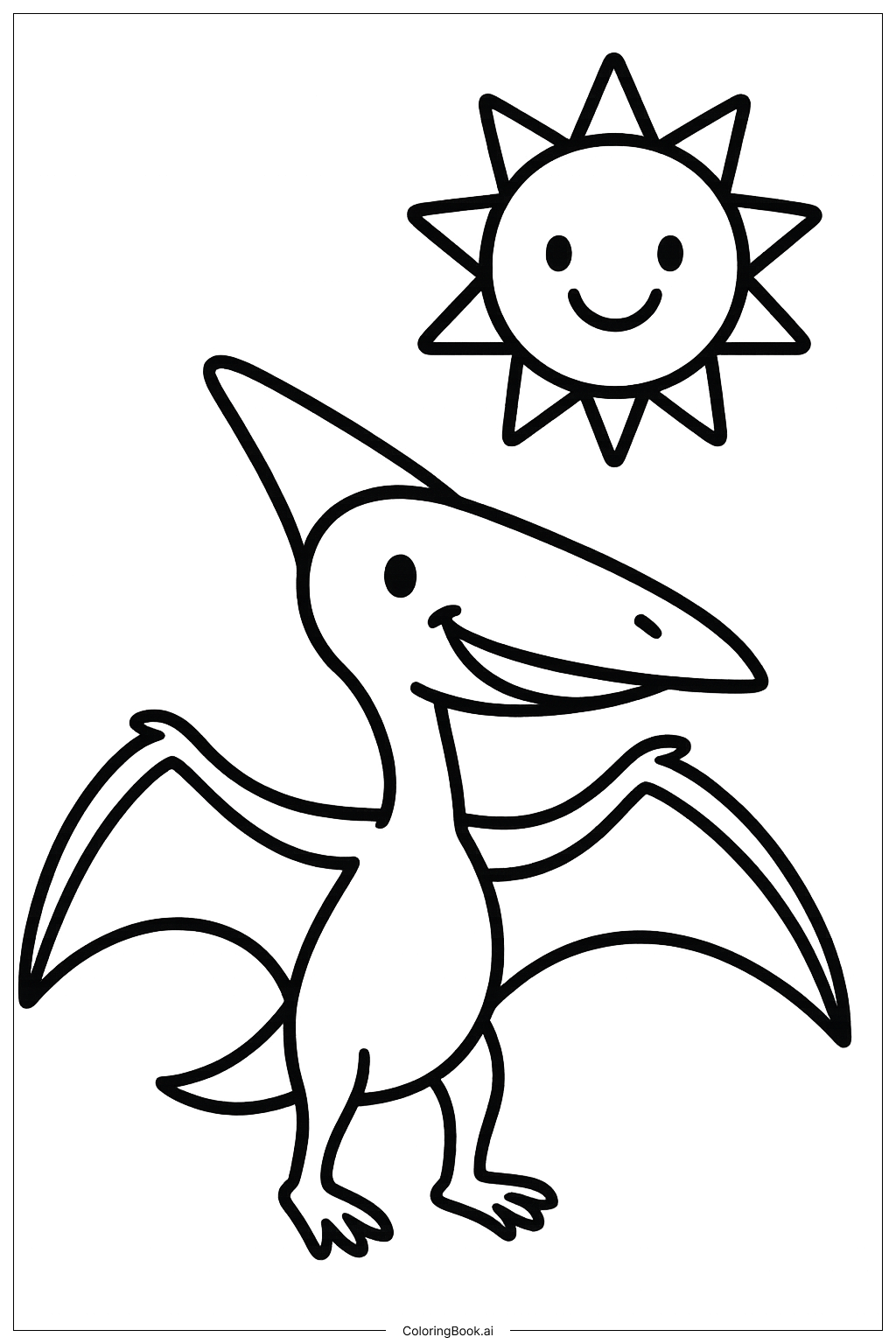
Start with the sun in the background. Use bright yellow or golden orange for the sun's center, and add a lighter yellow for the rays spreading outward. Next, move to the sky. A soft light blue works beautifully for the open sky, and white or pale gray can fill in any clouds.
For the Quetzalcoatlus itself, try a mix of warm earth tones like tan, brown, or olive green for the body. The wing membranes can be colored in a slightly darker shade, such as rust orange or deep brown, to create depth and texture. Add a pop of color to the head crest — bright red, orange, or even purple can make it stand out.
Use a darker shade along the edges of the wings to show folds and shadows. Keep the beak yellow or pale orange. For the smile and eyes, use black or dark brown to make the face expressive and lively. Feel free to mix bright, cheerful colors throughout to match the happy mood of the scene.
Coloring challenges: Which parts are difficult to color and need attention for Happy Quetzalcoatlus With A Sun coloring page?
• Wing Membrane Shading: The Quetzalcoatlus has large, wide wings with subtle folds and curves. Coloring these evenly without making them look flat is tricky. Young colorists need to be patient and use long, smooth strokes that follow the direction of the wing shape. Layering two similar shades, one lighter and one darker, can help show the natural curves of the membrane.
• Sun Ray Consistency: The sun features multiple rays spreading outward in curved lines. Keeping each ray the same color intensity while staying inside the lines can be challenging. It helps to color one ray at a time and work outward from the center circle. Use a sharp pencil or thin marker tip for the narrow ray tips.
• Head Crest Detail: The Quetzalcoatlus has a distinctive head crest that sits on top of its head. This area is relatively small compared to the wings, making precise coloring more difficult. Using a fine-tipped tool here will help avoid coloring outside the lines and keep the crest looking clean and bold.
• Background and Foreground Separation: Because the dinosaur overlaps with the sun and sky, it can be hard to clearly separate the background from the main figure. Choosing colors with enough contrast, for example a warm-colored dinosaur against a cool blue sky, will help the Quetzalcoatlus stand out and look three-dimensional.
• Facial Expression Details: The happy face includes small eyes and a curved smile. These tiny features require careful and precise work. A fine-point black pen or a very sharp colored pencil is the best tool for these details to keep the expression looking friendly and clear.
Benefits of coloring books: Advantages of drawing Happy Quetzalcoatlus With A Sun coloring page
Coloring this happy Quetzalcoatlus page offers a wonderful mix of fun and learning for kids of all ages.
First, it sparks curiosity about prehistoric life. As children color this giant flying reptile, they naturally become curious about what Quetzalcoatlus really looked like and how it lived millions of years ago. This curiosity can inspire further reading and exploration.
Second, it builds fine motor skills. Filling in the large wings, tiny facial features, and detailed sun rays all require different levels of hand control. Practicing these movements strengthens the small muscles in the hands and fingers, which is important for writing and other daily tasks.
Third, it encourages creative thinking. Choosing colors for a creature that no one has ever seen in real life gives children total creative freedom. There are no wrong answers, which builds confidence and imagination.
Fourth, it promotes focus and patience. Staying inside the lines and completing a detailed image takes concentration. This kind of quiet, focused activity helps children practice sitting still and working through a task from start to finish.
Finally, the joyful theme of the image, a smiling dinosaur flying near a bright sun, creates a positive emotional experience. Coloring something cheerful can lift a child's mood and make the activity feel rewarding and fun.