Coloring tips: How to color Dinosaur With Spotted Pattern coloring page well?
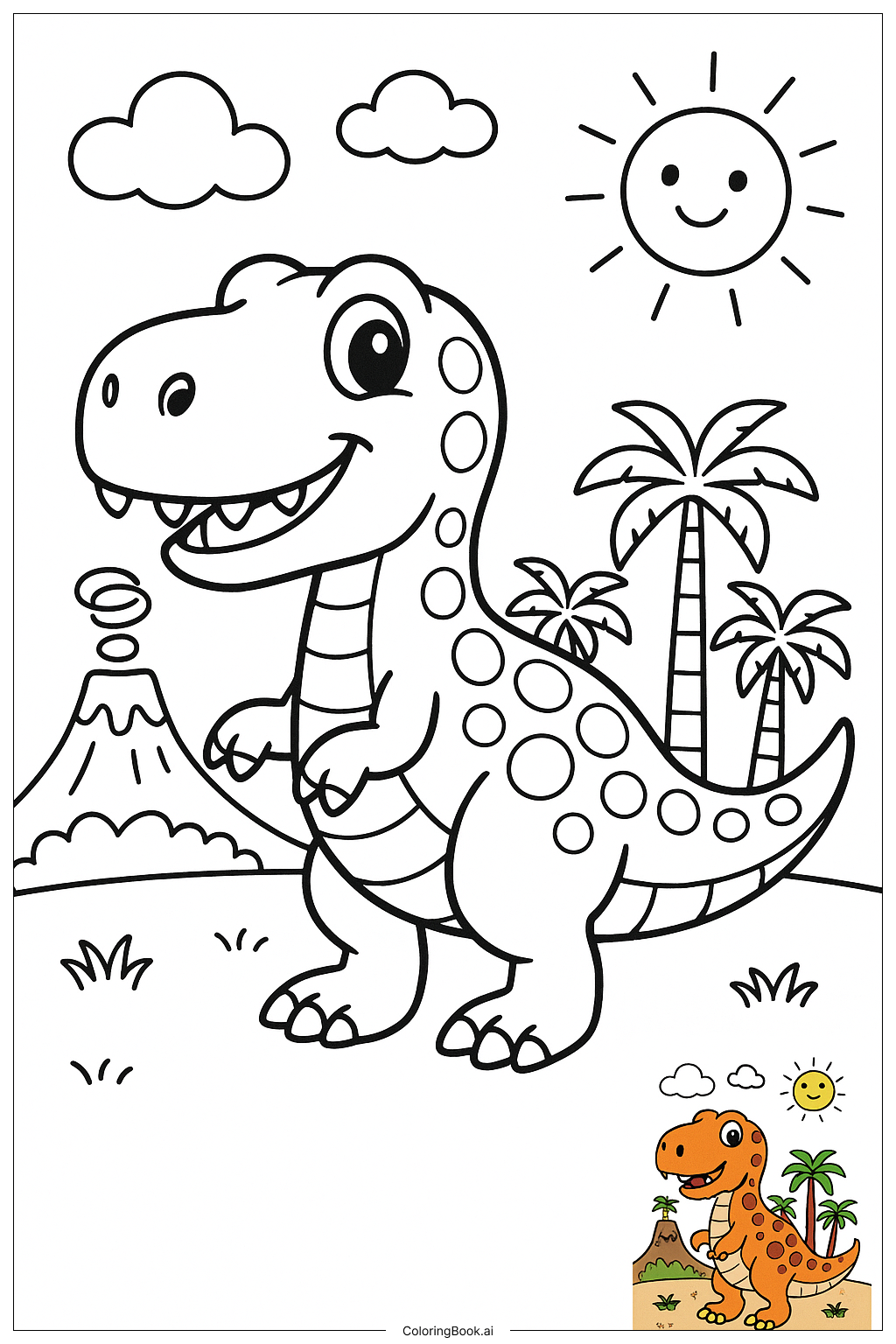
Start by choosing a base color for the dinosaur's body. Bright greens, warm browns, or bold blues all work great. Use a slightly darker shade of the same color to add shading along the belly and under the tail. For the spots, pick a contrasting color that stands out from the base — try orange, yellow, purple, or red. You can make all the spots the same color or use a mix of different colors to create a fun, rainbow effect. Color the claws and eye details in lighter tones like cream or white. For the background plants, use greens of different shades to make them look natural. Rocks can be colored in soft grays or tans. Take your time with each spot to keep the lines neat and clean. Colored pencils are great for blending, while markers give bright, bold results.
Coloring challenges: Which parts are difficult to color and need attention for Dinosaur With Spotted Pattern coloring page?
• Staying Inside the Spots: The dinosaur's body is covered with many spots of different sizes. Coloring each spot neatly without going over the outlines can be tricky, especially the smaller ones. Use a fine-tipped marker or a sharpened colored pencil to fill them in carefully and cleanly.
• Choosing Contrasting Colors: The spots need to stand out from the base body color. Picking colors that contrast well without clashing takes some thought. If the body is green, try orange or yellow spots. If the body is brown, red or white spots work nicely. Test your color combinations on a spare sheet of paper first.
• Blending Body Shading: Adding depth and dimension to the dinosaur's rounded body requires smooth color blending. Without shading, the dinosaur can look flat. Try pressing lightly near the edges and firming up pressure toward the center, or layer two shades of the same color gradually.
• Detailed Face Features: The dinosaur's face has small elements like eyes, nostrils, and a smile. These areas have little room to work in, making precise coloring a challenge. A very fine pencil tip or a thin marker works best here to avoid muddying these features.
• Balancing the Background: The plants and rocks behind the dinosaur should complement, not overpower, the main subject. Using softer, more muted tones for the background helps the colorful dinosaur remain the focus of the page.
Benefits of coloring books: Advantages of drawing Dinosaur With Spotted Pattern coloring page
Coloring this spotted dinosaur page offers a wonderful mix of fun and learning for kids of all ages. Working through the many spots helps children practice precision and fine motor control, which builds the hand strength needed for writing. Choosing colors for the body, spots, and background encourages creative thinking and helps kids explore color theory in a natural, playful way. Deciding which colors look good together builds confidence in making artistic decisions. The repetitive motion of coloring the spots is also calming and meditative, helping children relax and focus. This kind of quiet, engaged activity supports longer attention spans over time. For younger children, staying inside the lines of the spots is a great coordination challenge that improves with every session. Older kids can push themselves further by experimenting with shading and blending to make the dinosaur look three-dimensional. Learning about dinosaurs through art also sparks curiosity about prehistoric life and science. Overall, this page is a joyful and rewarding creative experience that builds skills while delivering a great sense of accomplishment when finished.