Coloring tips: How to color Dinosaur Weather Helper coloring page well?
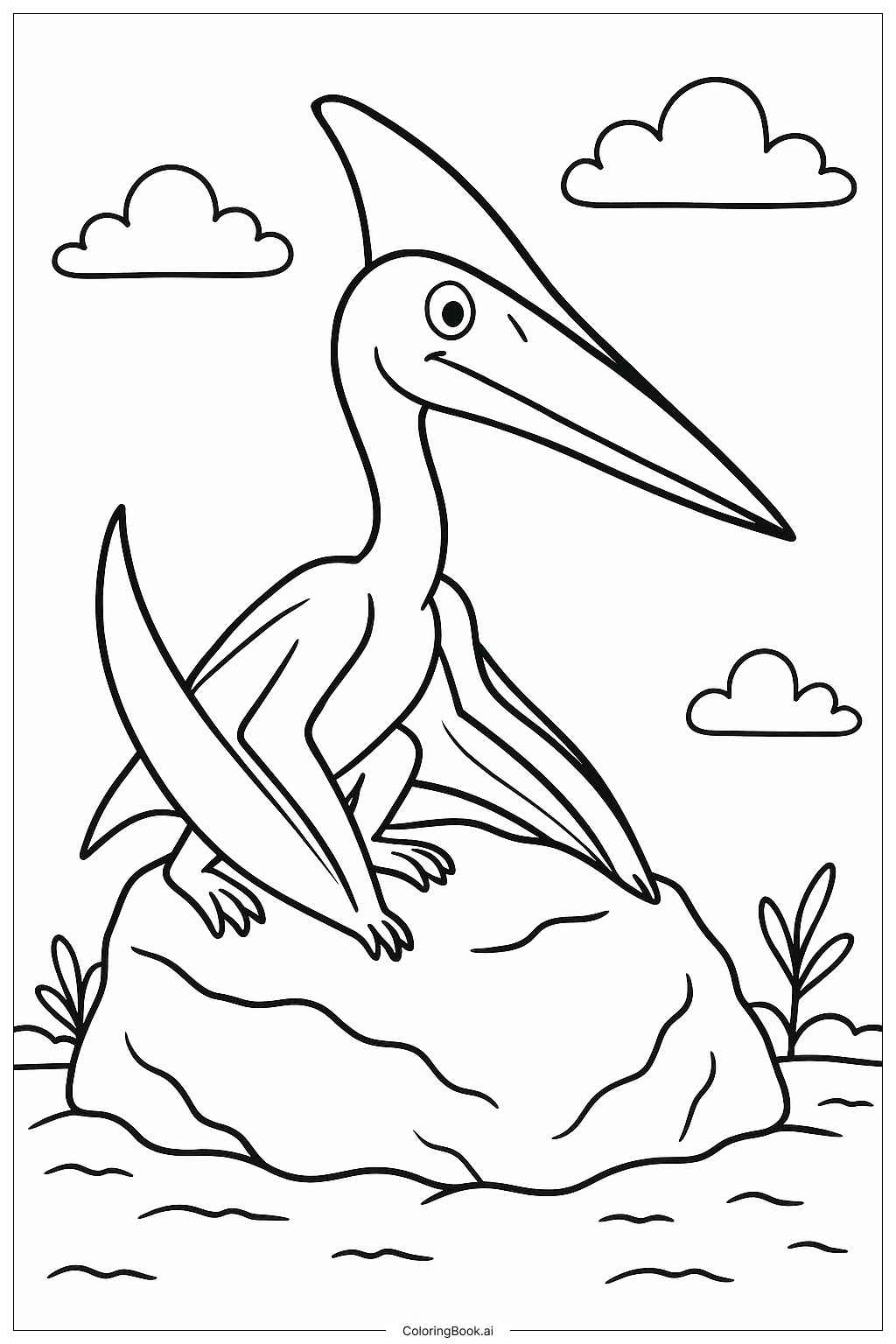
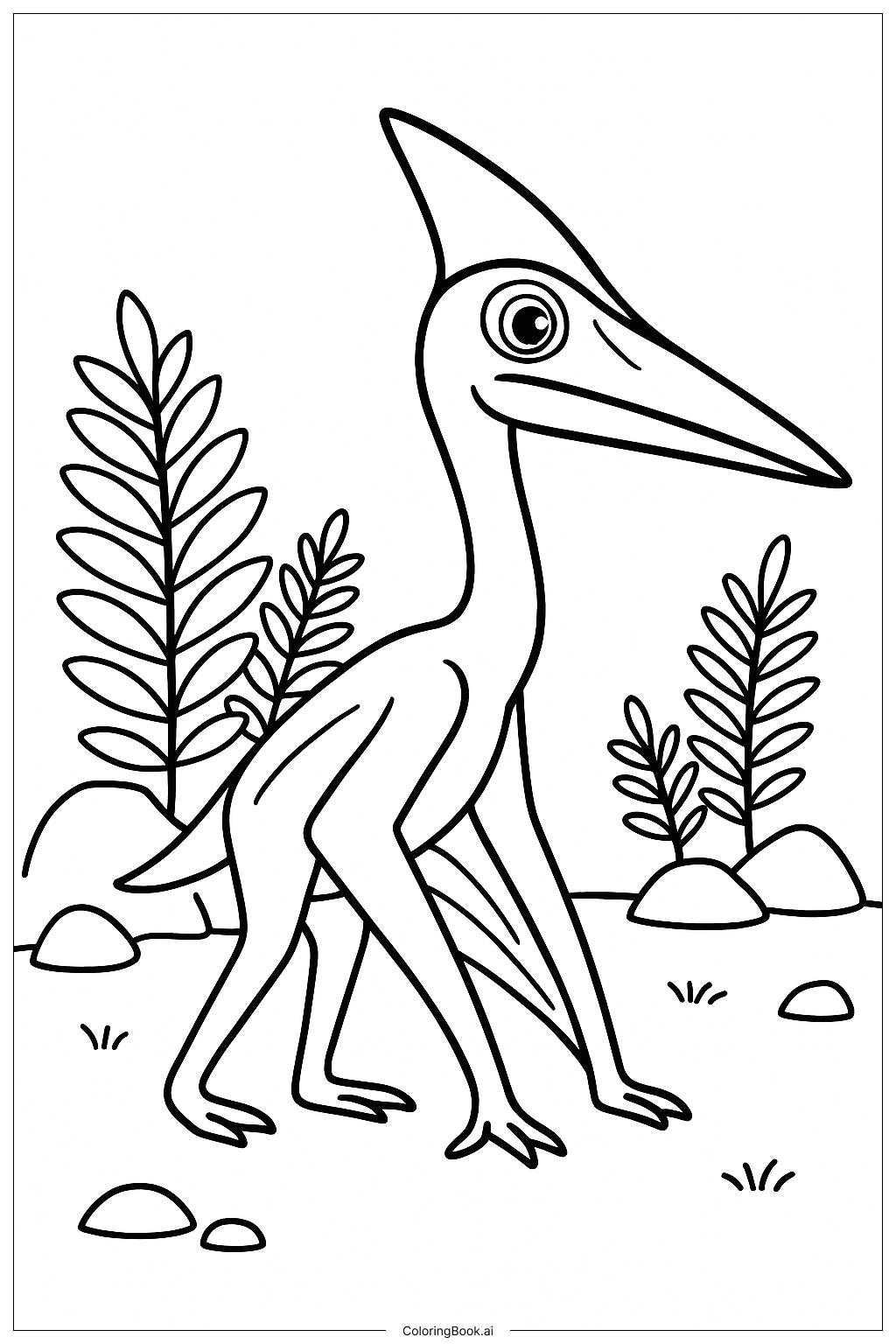
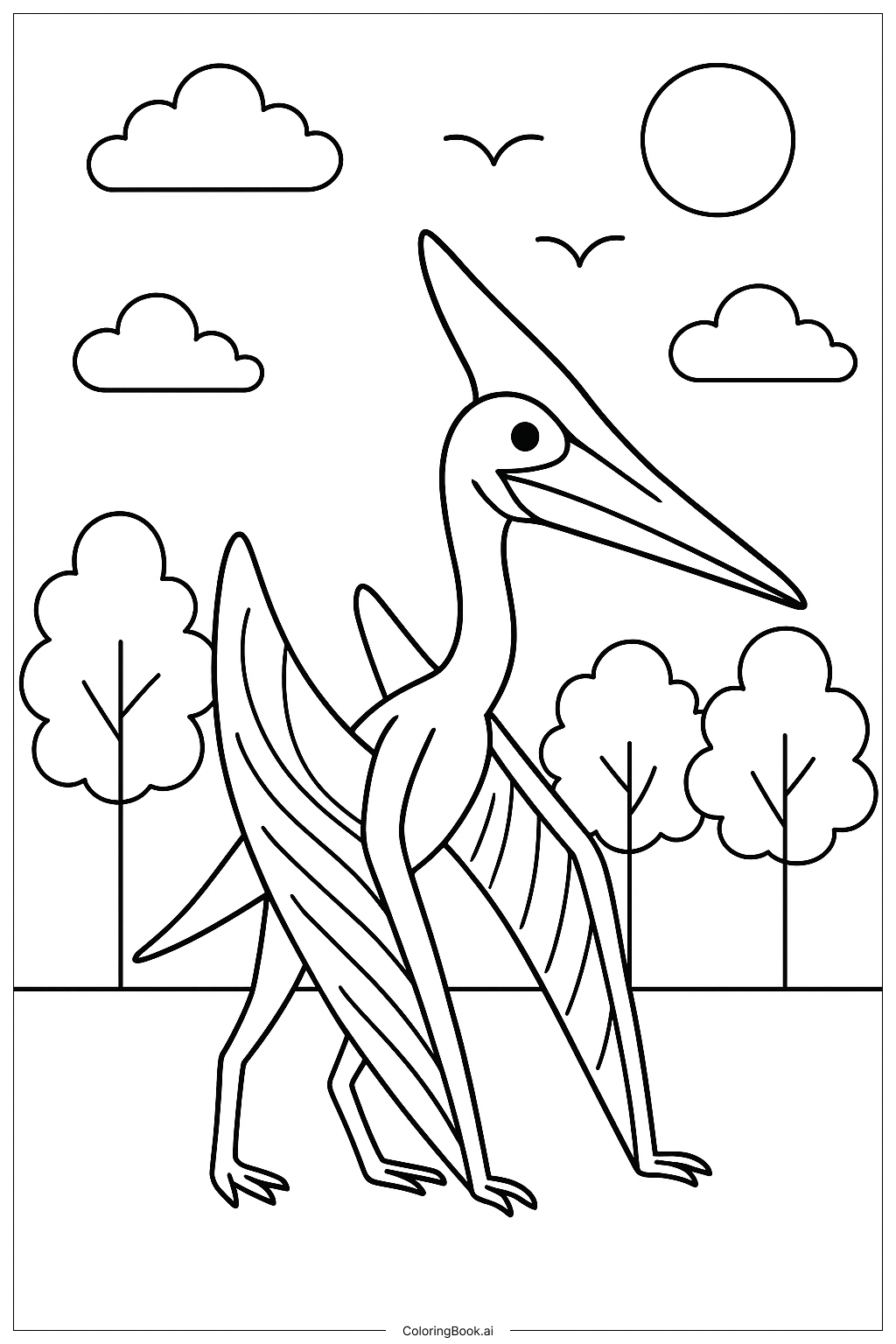
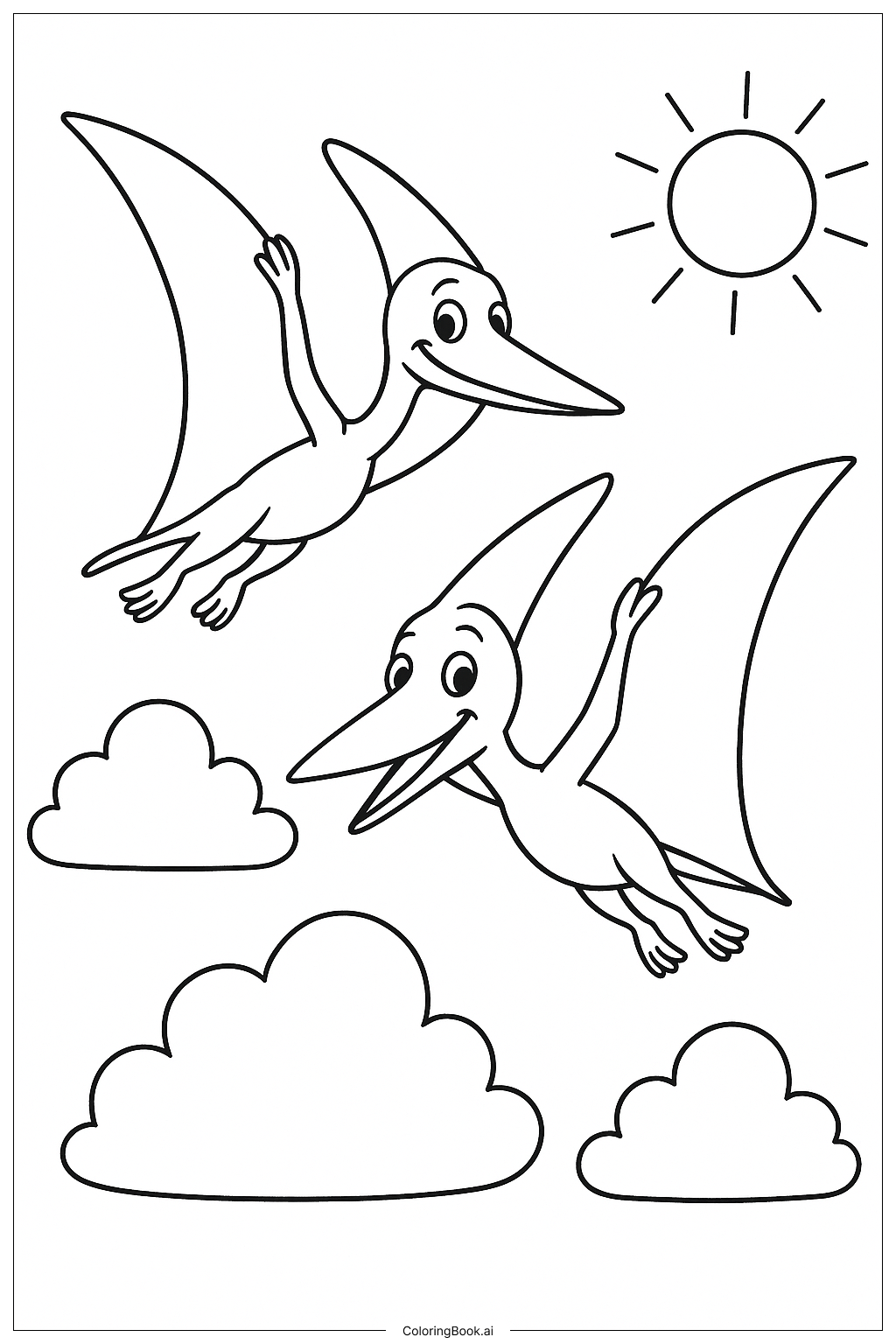
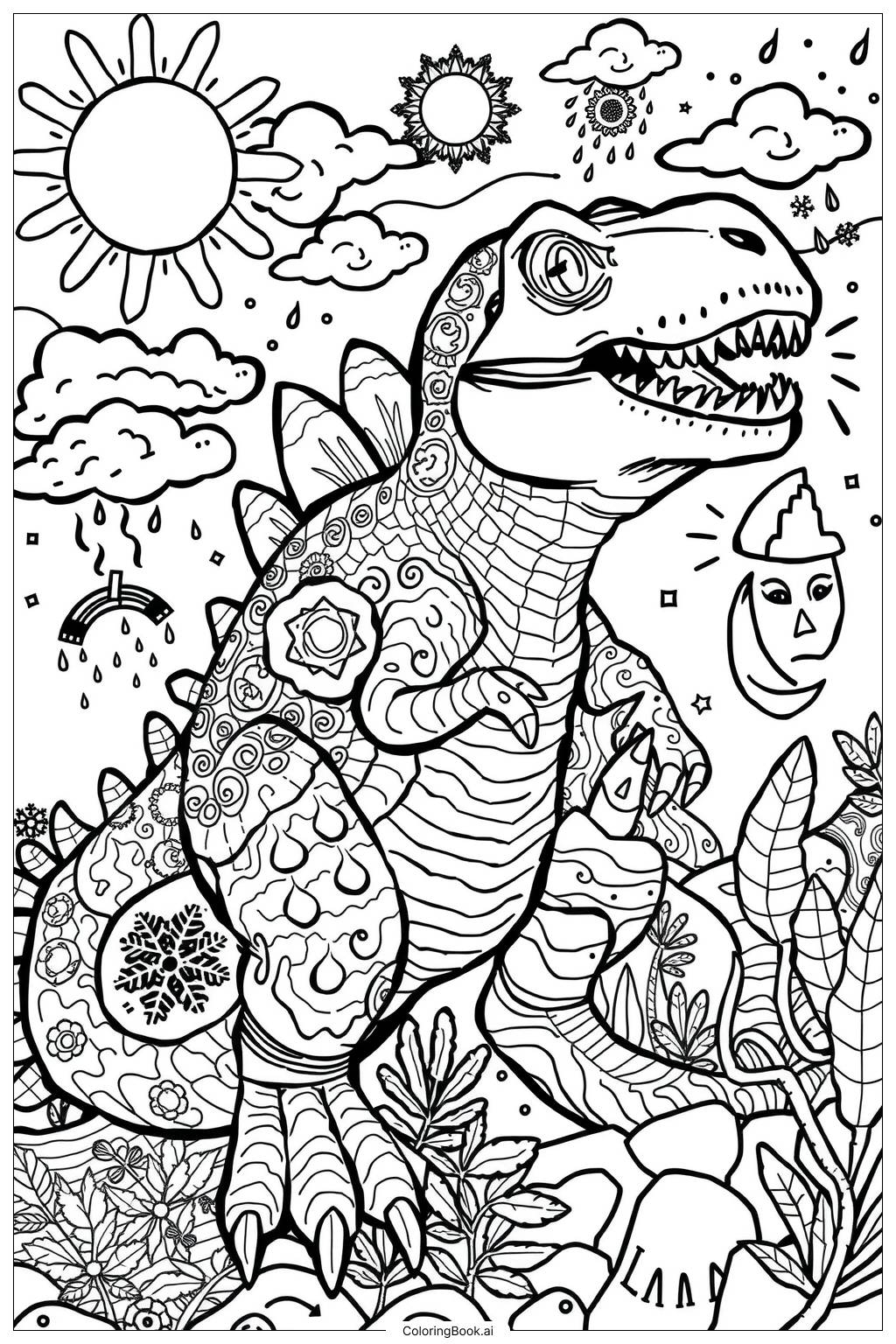
Start with the dinosaur's body before moving on to the weather symbols around it. Use a bright, fun color for the dinosaur — green, teal, or even purple work great. For the weather symbols, try yellow for the sun and its rays, light blue and white for clouds and snowflakes, and darker blue for raindrops. The dinosaur's outfit, like a hat or vest, can be colored in bold contrasting shades such as red, orange, or navy to make it pop. Use lighter shades first as a base, then add darker tones to create depth and shadows. Kids can also get creative and use rainbow colors to make the weather symbols extra magical. Have fun mixing warm and cool colors to bring this cheerful weather helper to life.
Coloring challenges: Which parts are difficult to color and need attention for Dinosaur Weather Helper coloring page?
• Dinosaur Body Texture: The dinosaur's skin may include small bumps, scales, or wrinkled areas that require careful coloring. Staying within these fine lines takes patience, especially for younger colorists. Using a sharp colored pencil or fine-tip marker helps keep the details neat and clean.
• Weather Symbol Details: The image features multiple weather icons like sunrays, raindrops, snowflakes, and clouds placed close together. Each symbol has its own shape and size, making it tricky to color each one separately without overlapping into neighboring areas. Taking your time with each section prevents colors from bleeding into each other.
• Outfit and Accessories: The dinosaur's clothing items, such as a hat, vest, or bow tie, are small and detailed. These pieces sit right against the dinosaur's body, so choosing contrasting colors is important to make each element stand out. Using two very different colors for the body and outfit will help define the separation clearly.
• Background Balance: If the scene includes a background with weather patterns or sky elements, balancing the overall color palette becomes a challenge. Too many bright colors at once can make the image feel overwhelming. A good tip is to keep the background in softer, lighter tones while using bolder colors for the main dinosaur character.
• Blending and Shading: Adding depth to rounded shapes like clouds or the dinosaur's belly requires gentle blending. This can be difficult for beginners. Practicing circular strokes or layering lighter colors first before adding darker shades will create a smooth and polished result.
Benefits of coloring books: Advantages of drawing Dinosaur Weather Helper coloring page
Coloring this Dinosaur Weather Helper page brings a wide range of fun and meaningful benefits for kids. First, it helps build fine motor skills. Carefully coloring within the lines of small weather symbols and detailed dinosaur features trains hand muscles and improves pencil control, which also supports handwriting development. Second, it sparks creativity. Kids get to choose their own color combinations — maybe a pink dinosaur with a rainbow sun — which encourages imaginative thinking and self-expression. Third, it introduces early learning concepts. As children color weather symbols like clouds, raindrops, and snowflakes, they naturally connect colors and shapes to real-world weather patterns, supporting early science and vocabulary growth. Fourth, it promotes focus and patience. Completing a detailed page requires concentration, helping children practice sitting still and working through a task from start to finish. Fifth, it is a calming activity. Coloring has a soothing, meditative quality that helps kids relax and reduce stress, making it a great quiet-time activity. Overall, this page is both educational and entertaining, making it a wonderful choice for young colorists.