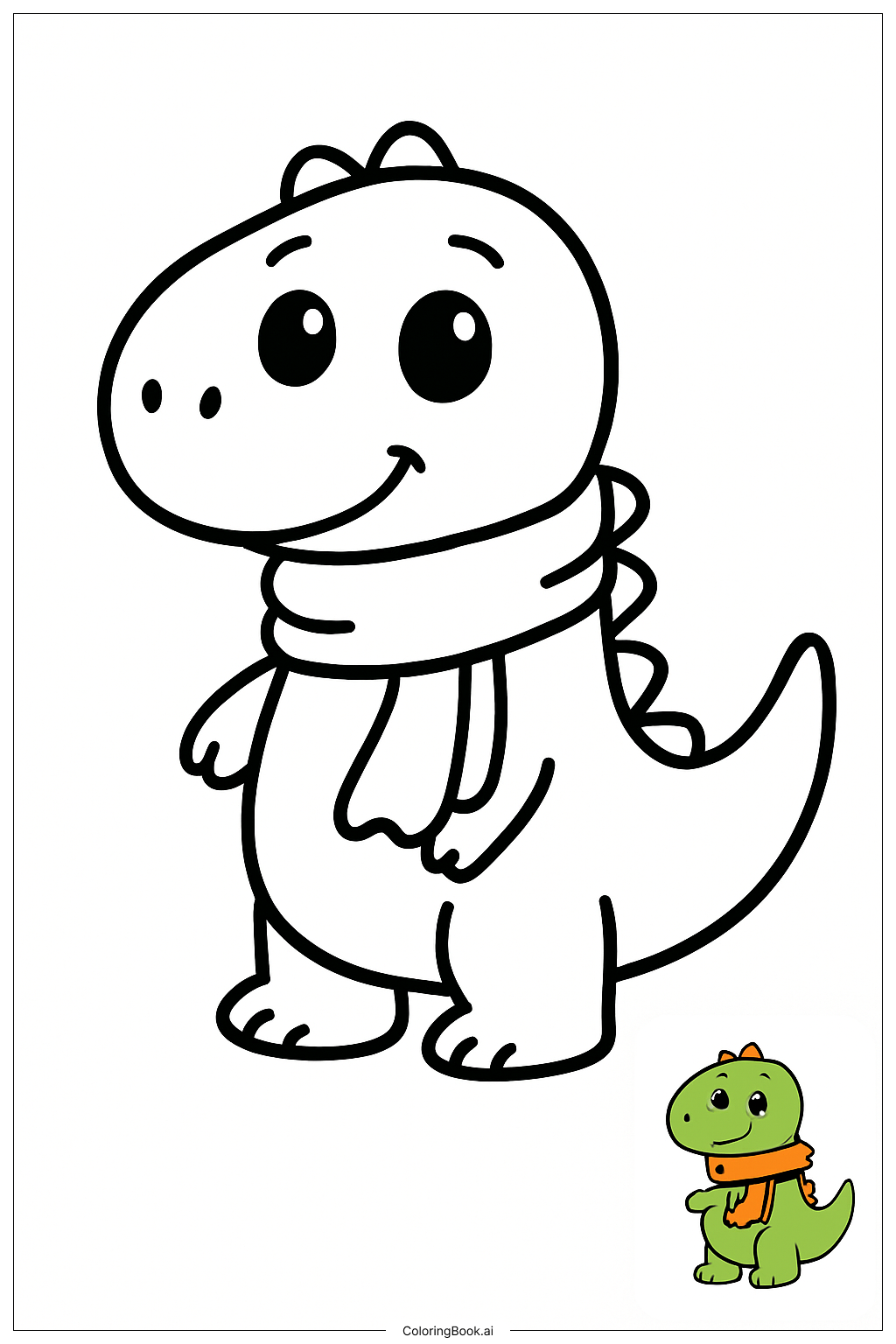
Coloring tips: How to color Dinosaur Wearing Scarf coloring page well?
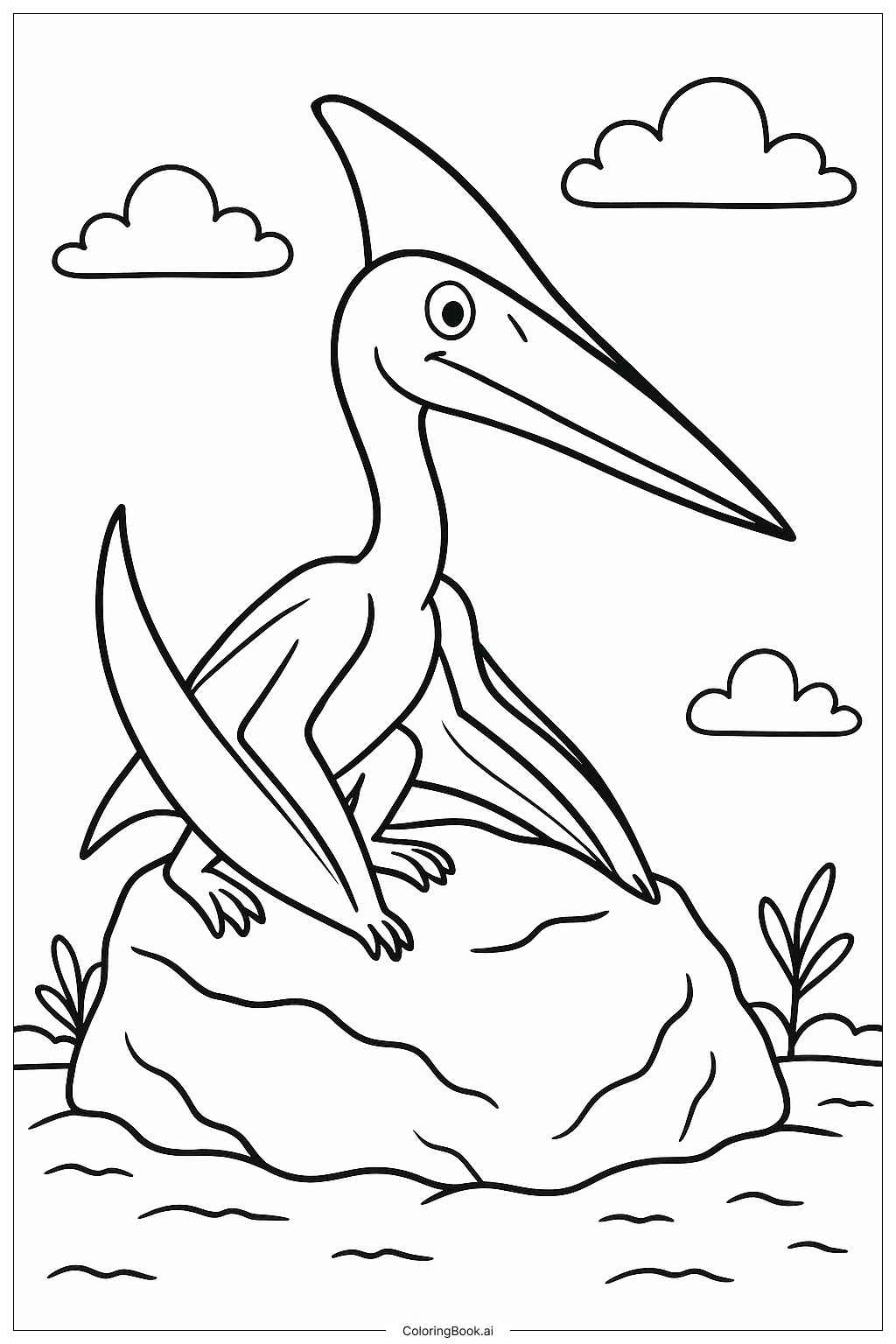
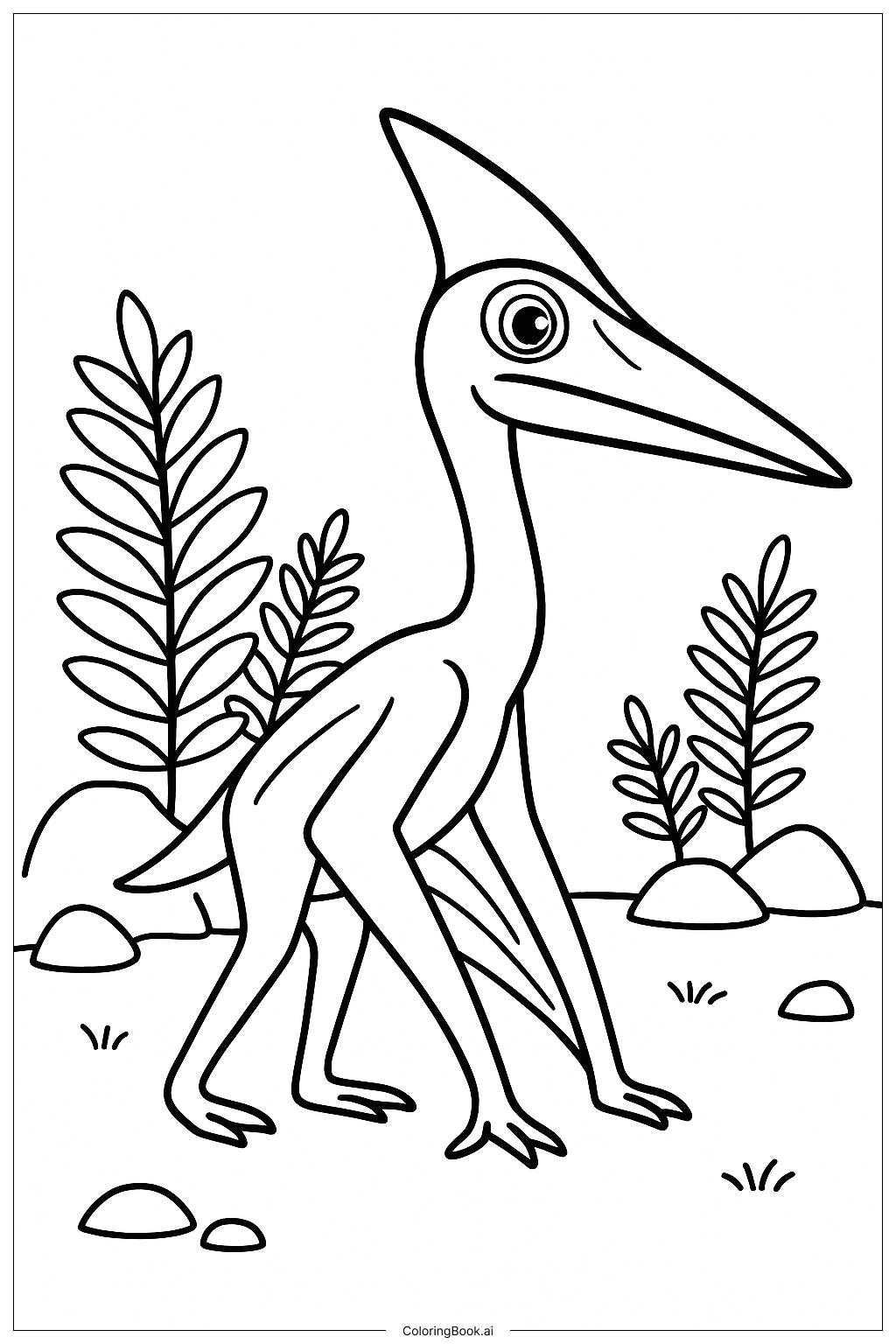
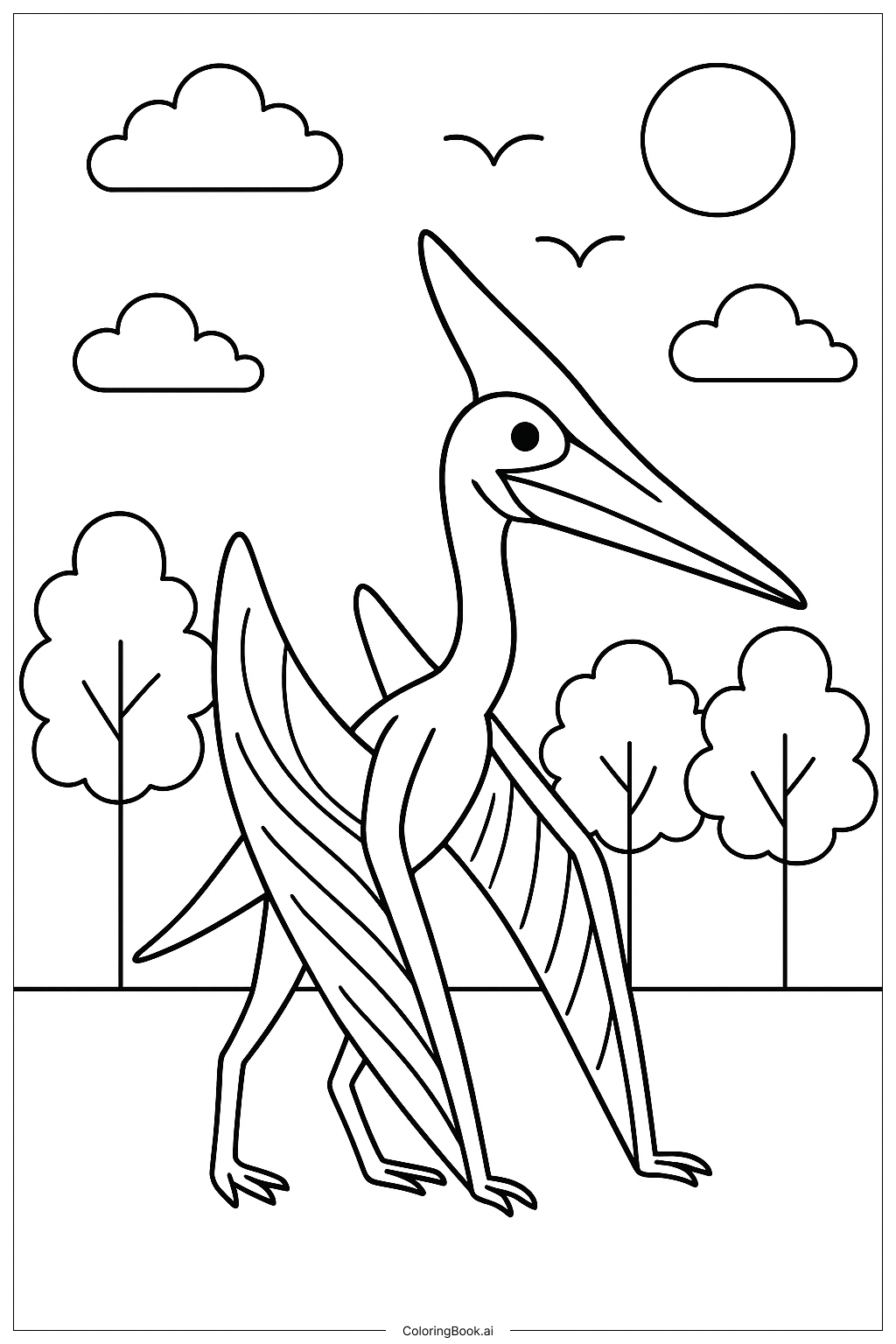
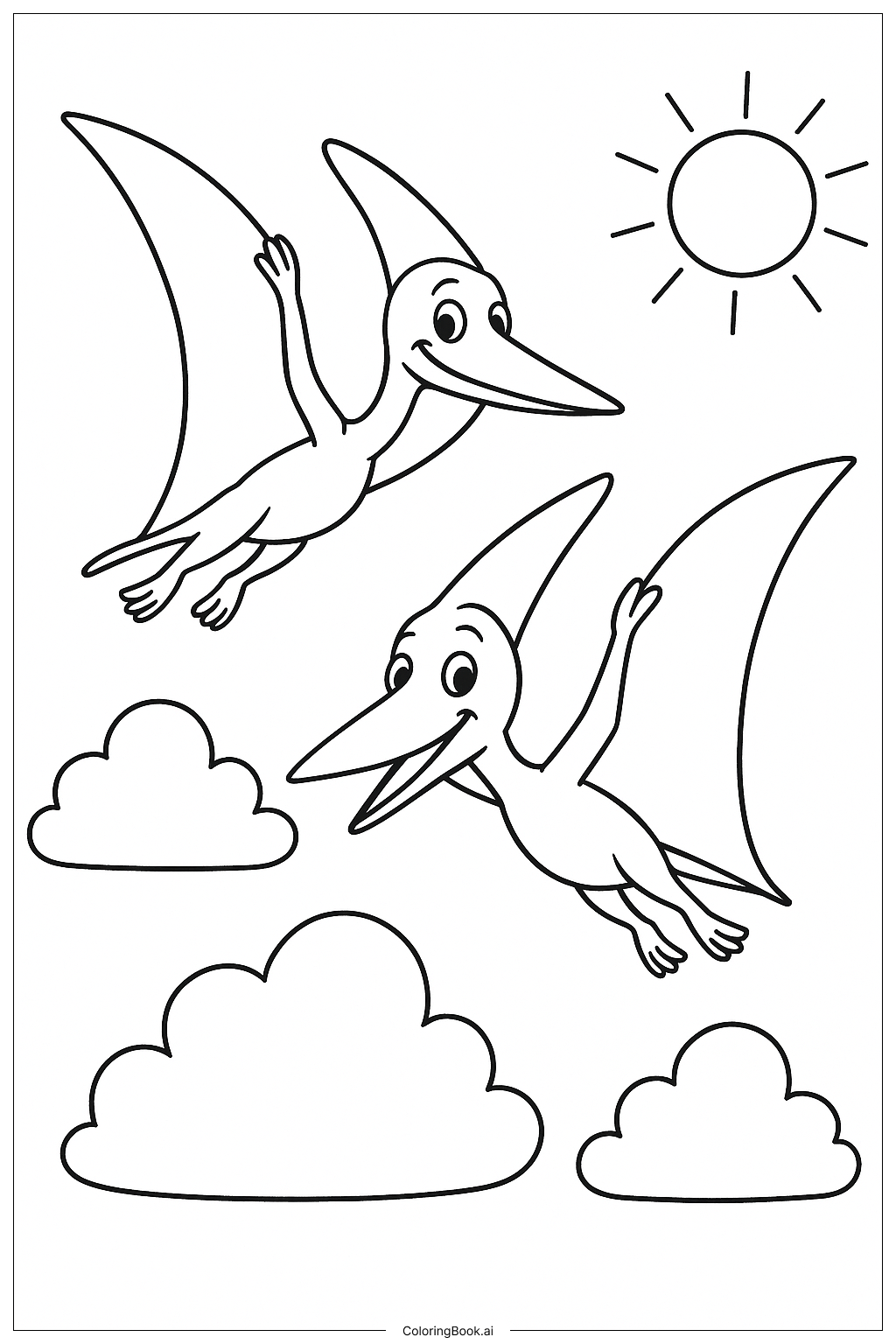
Start with the dinosaur's body using a bold base color. Green is a classic choice, but feel free to try purple, blue, or even orange for a creative twist. Use a slightly darker shade of the same color to add shadows along the belly, under the arms, and along the tail. This gives the dinosaur a rounder, more three-dimensional look. For the scarf, pick a warm and cheerful color like red, yellow, or bright blue. You can even add stripes or polka dots to make it more fun. Use a lighter shade in the center of each stripe to make the scarf look soft and fluffy. Color the eyes with a bright color like amber or green, and add a tiny white dot to make them sparkle. The claws can be colored in cream or light gray. Take your time with the scale textures on the back — using two shades of the same color there adds great detail.
Coloring challenges: Which parts are difficult to color and need attention for Dinosaur Wearing Scarf coloring page?
Coloring this image is a joyful experience, but there are a few areas that require extra care and attention. Here are the main challenges to watch out for:
• Scale Texture Details: The dinosaur's back and sides feature individual scales with small outlines. Coloring each scale neatly without going outside the lines takes patience. Using a fine-tipped colored pencil or a thin marker works best here. Try alternating between two similar shades to give the scales depth and a natural look.
• Scarf Folds and Layers: The scarf wraps around the neck and drapes in folds, creating overlapping sections. It can be tricky to color each fold separately to show depth. Use a lighter shade on the raised parts and a darker shade in the creases to make the fabric look realistic and soft.
• Small Facial Features: The dinosaur's eyes, nostrils, and mouth are small and close together. Coloring these areas without smudging neighboring sections requires a very fine tool. Take your time and let each area dry before moving on to avoid blending unwanted colors.
• Body-to-Scarf Boundary: Where the scarf meets the dinosaur's neck and chest, the lines are closely packed. Keeping the scarf color separate from the body color in this tight space is a common challenge. Use a light pencil outline first to plan your boundaries before applying full color.
• Tail and Leg Shading: The tail and legs are large flat areas. Simply filling them with one color can look flat. Adding a gradient from a darker tone at the base to a lighter tone at the tip will bring these areas to life and make the whole image look more polished.
Benefits of coloring books: Advantages of drawing Dinosaur Wearing Scarf coloring page
Coloring this fun dinosaur page offers a wonderful range of benefits for kids and young learners. First, it builds fine motor skills. Carefully coloring inside the lines of the scales, scarf folds, and facial features trains hand muscles and improves pencil control, which helps with writing too. Second, it sparks creativity. Choosing colors for the dinosaur and its scarf encourages children to think imaginatively. There is no wrong answer, and every choice teaches kids to express themselves with confidence. Third, it develops focus and patience. Working through the detailed scale textures and layered scarf sections teaches children to slow down, concentrate, and finish what they start — all valuable life skills. Fourth, it introduces color theory in a natural way. Experimenting with shading and blending helps young artists understand how colors work together to create depth and dimension. Fifth, it is simply fun and relaxing. Spending time with a cheerful dinosaur image reduces stress, lifts mood, and gives children a satisfying sense of accomplishment when the page is complete. It is a perfect activity for solo play or creative time with friends and family.