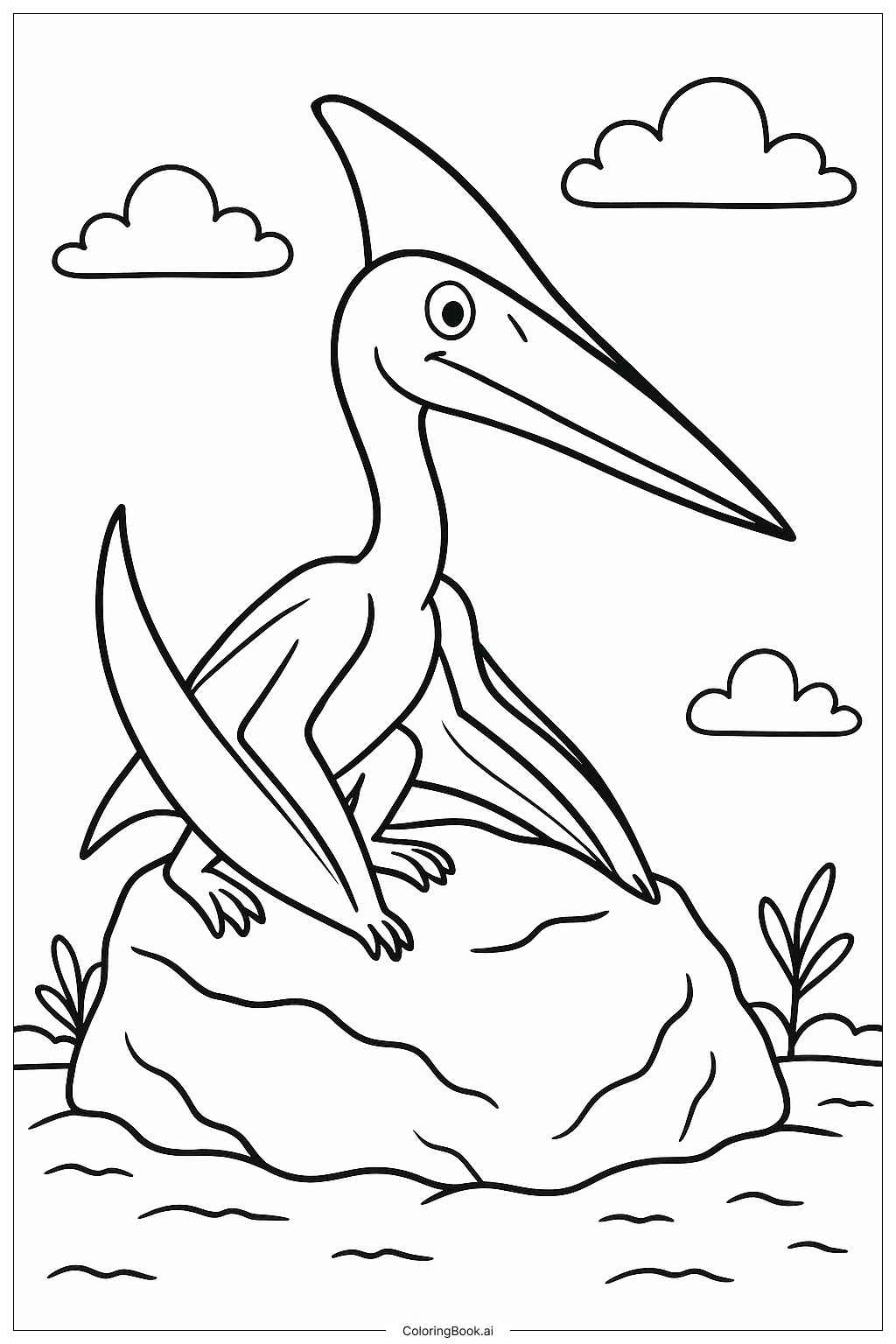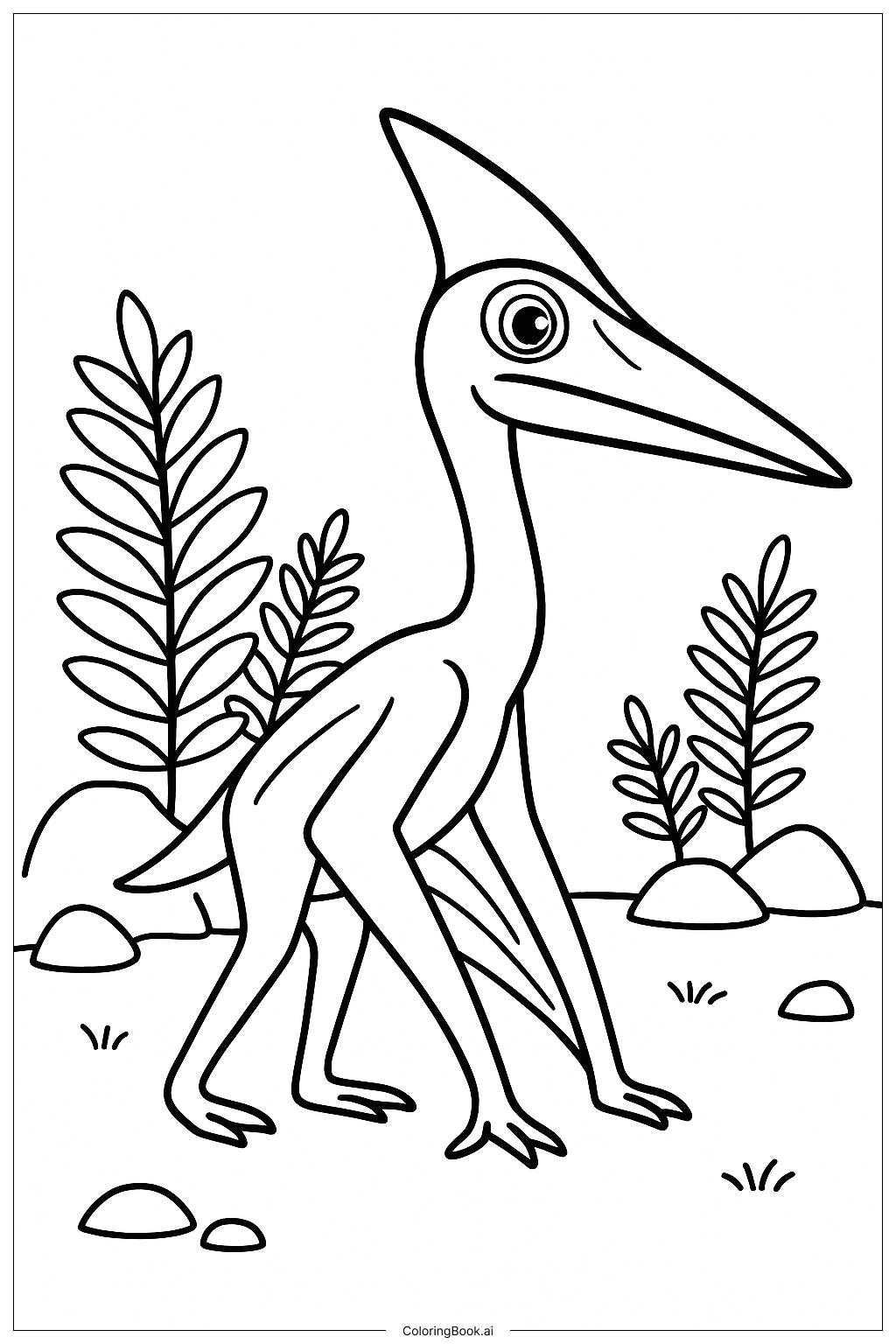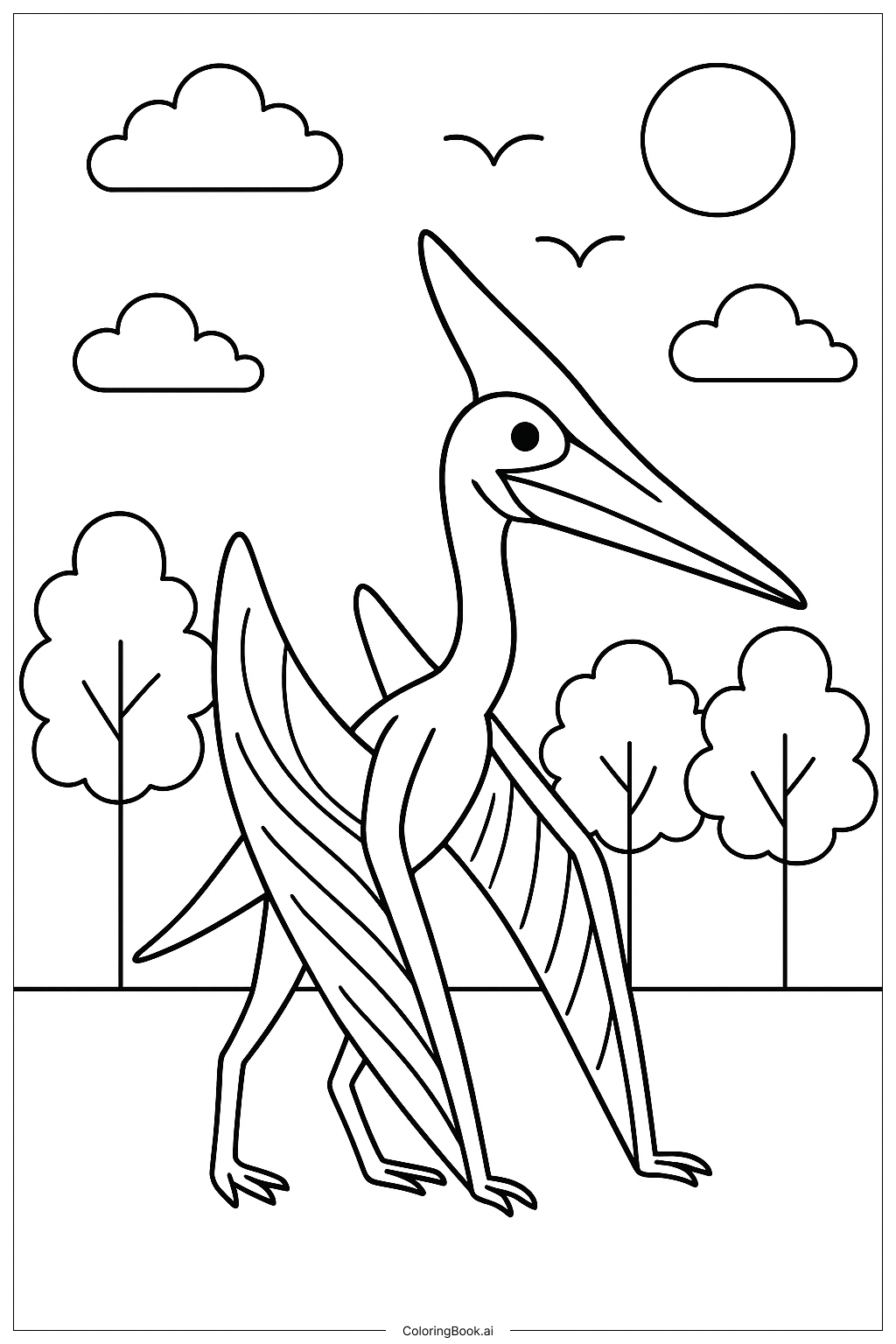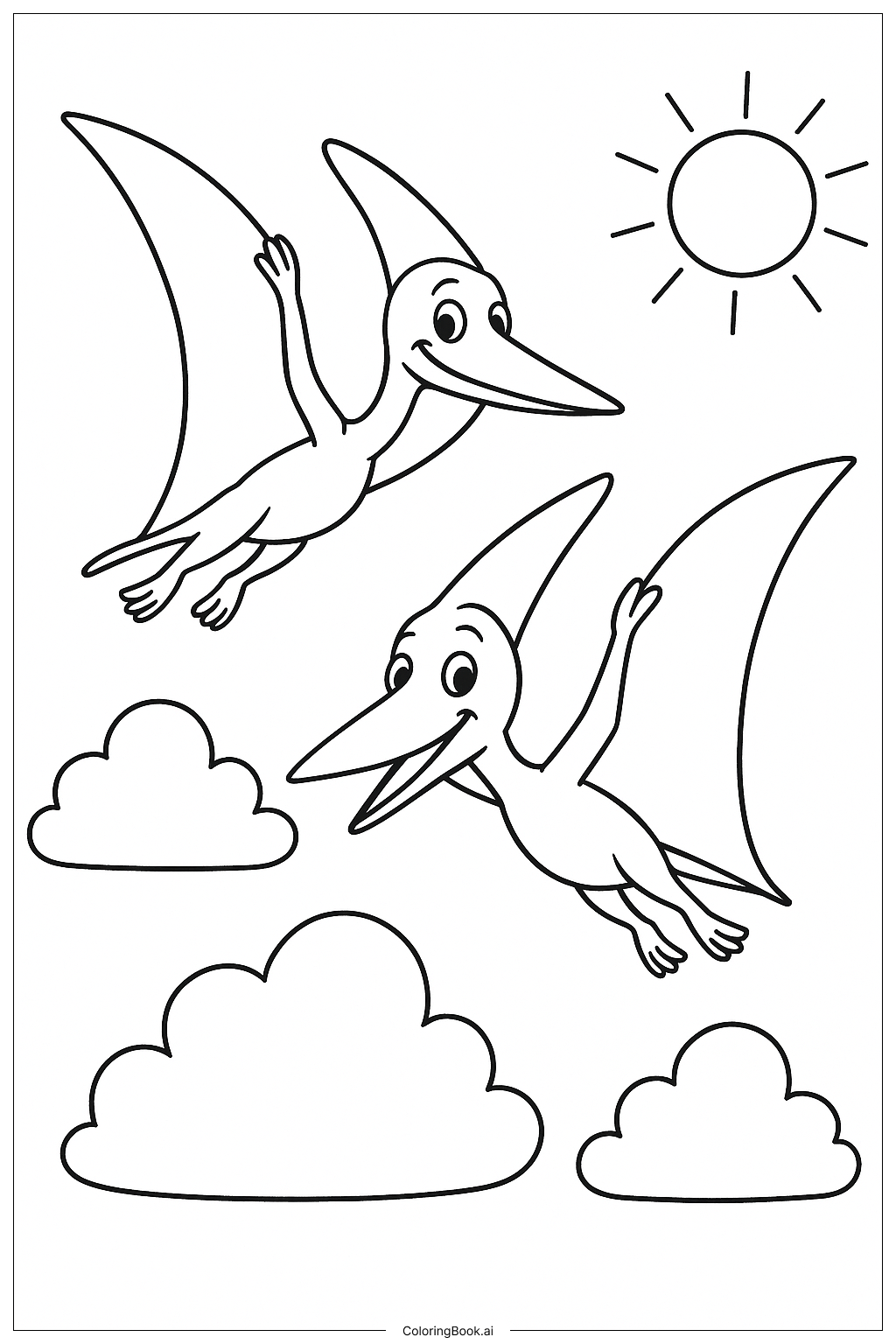
Coloring tips: How to color Dinosaur And Rainbow coloring page well?
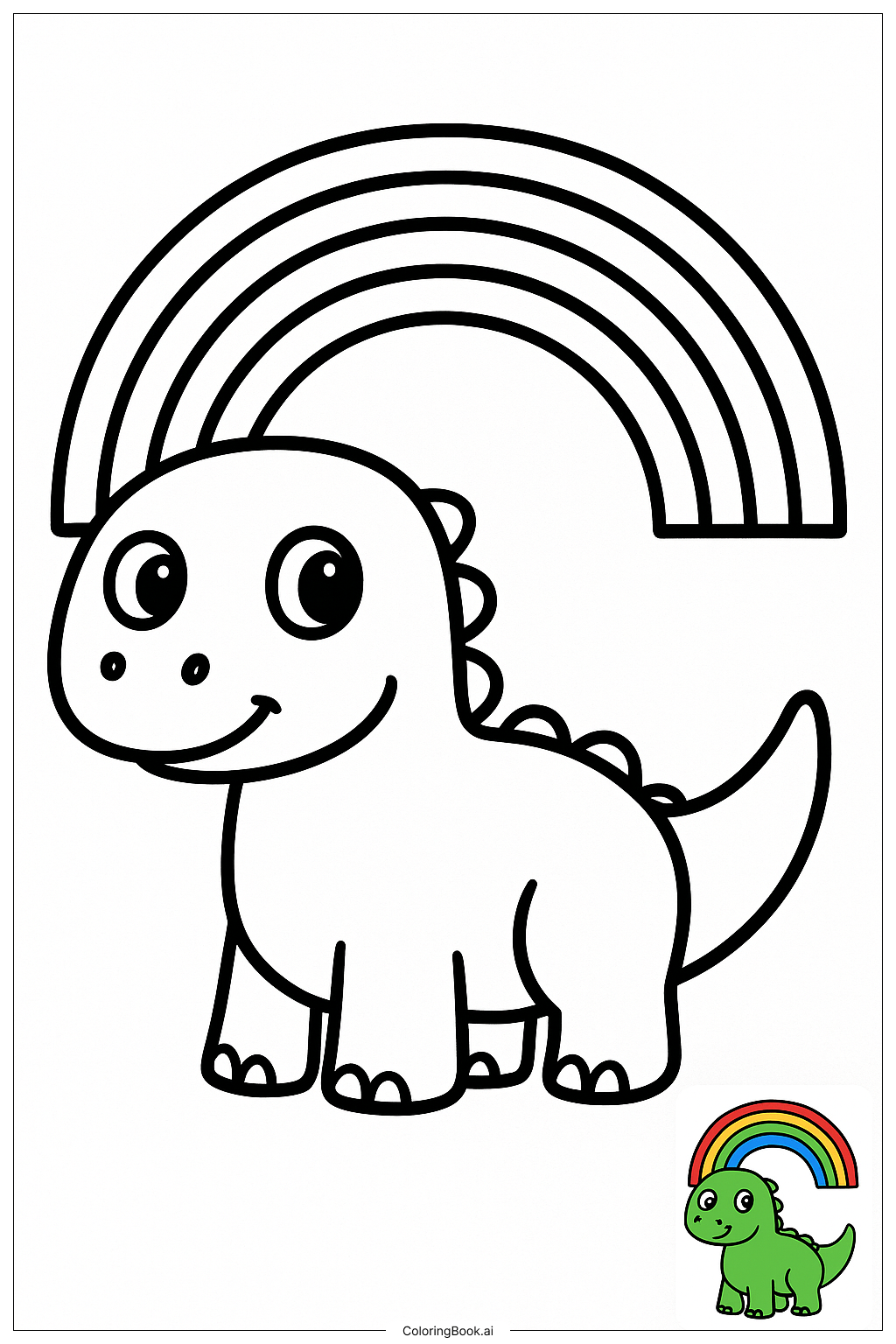
Start with the rainbow since it sets the mood for the whole page. Work from the outer arc inward, using red, orange, yellow, green, blue, and violet. Keep each band neat and steady. For the dinosaur, try a bright green body with a slightly lighter shade on the belly. You can add yellow or teal as accent colors along the back ridges. Use sky blue for the background and soft white or pale gray for the clouds. Color the grass with two or three shades of green to give it life. Add small pops of color to the flowers — pink, yellow, or purple all work well. If you want the dinosaur to really stand out, keep the background colors soft and light. Use darker shades near edges to create simple shading. Take your time on the rainbow bands — they are the star of the image. Have fun mixing colors and making this scene your own!
Coloring challenges: Which parts are difficult to color and need attention for Dinosaur And Rainbow coloring page?
• Rainbow Band Precision: The rainbow is made up of multiple curved bands that sit close together. Staying within each band without bleeding into the next can be tricky, especially near the edges where the arcs narrow. Younger children may find it helpful to use thin markers or sharpened colored pencils for this section. Take it slow and follow the curve of each line carefully.
• Dinosaur Scale Texture: The dinosaur's body has rounded scale shapes along its surface. Coloring each scale individually takes patience and a steady hand. If you want each scale to look distinct, try using slightly different shades of the same color. This adds visual depth without making the process too complicated.
• Small Details on the Ground: The flowers and grass blades near the dinosaur's feet are small and closely spaced. Using a fine-tipped tool here will help keep the colors clean and separated. Rushing through this area often leads to colors mixing together unintentionally.
• Cloud Shading: The fluffy clouds look best when they have subtle shading to show dimension. Flat white clouds can look plain, so try adding very light gray or pale blue along the edges. Blending softly inward from the edges creates a natural, soft look. This technique requires a light touch and works best with colored pencils.
• Background Consistency: Filling the sky evenly with blue can be challenging, especially over a large area. Uneven pressure while coloring can leave streaks or patches. Using smooth, overlapping strokes in the same direction helps achieve a clean, even finish.
Benefits of coloring books: Advantages of drawing Dinosaur And Rainbow coloring page
Coloring this dinosaur and rainbow scene offers a wide range of benefits for kids of all ages. The image combines a beloved creature with a classic natural wonder, making it naturally exciting and motivating to complete.
For younger children, tracing the bold outlines builds fine motor control and hand-eye coordination. Choosing colors for the rainbow introduces basic color sequencing and helps reinforce color recognition in a fun, memorable way.
For older kids, the detail in the dinosaur's scales and the layered rainbow bands encourages focus and patience. Working through those sections teaches them to slow down, plan ahead, and take pride in careful work.
Creatively, this scene gives children the freedom to explore. There is no single right way to color a dinosaur — it can be green, purple, blue, or anything in between. That open-ended freedom builds confidence and encourages imaginative thinking.
The cheerful subject matter also has an emotional benefit. Bright rainbows and friendly dinosaurs are uplifting images, and the act of bringing them to life with color can be calming and mood-boosting. It is a great activity for winding down after a busy day.
Overall, this page is a well-rounded creative exercise that blends skill-building with pure enjoyment.