Coloring tips: How to color Baby Dinosaur Smile coloring page well?
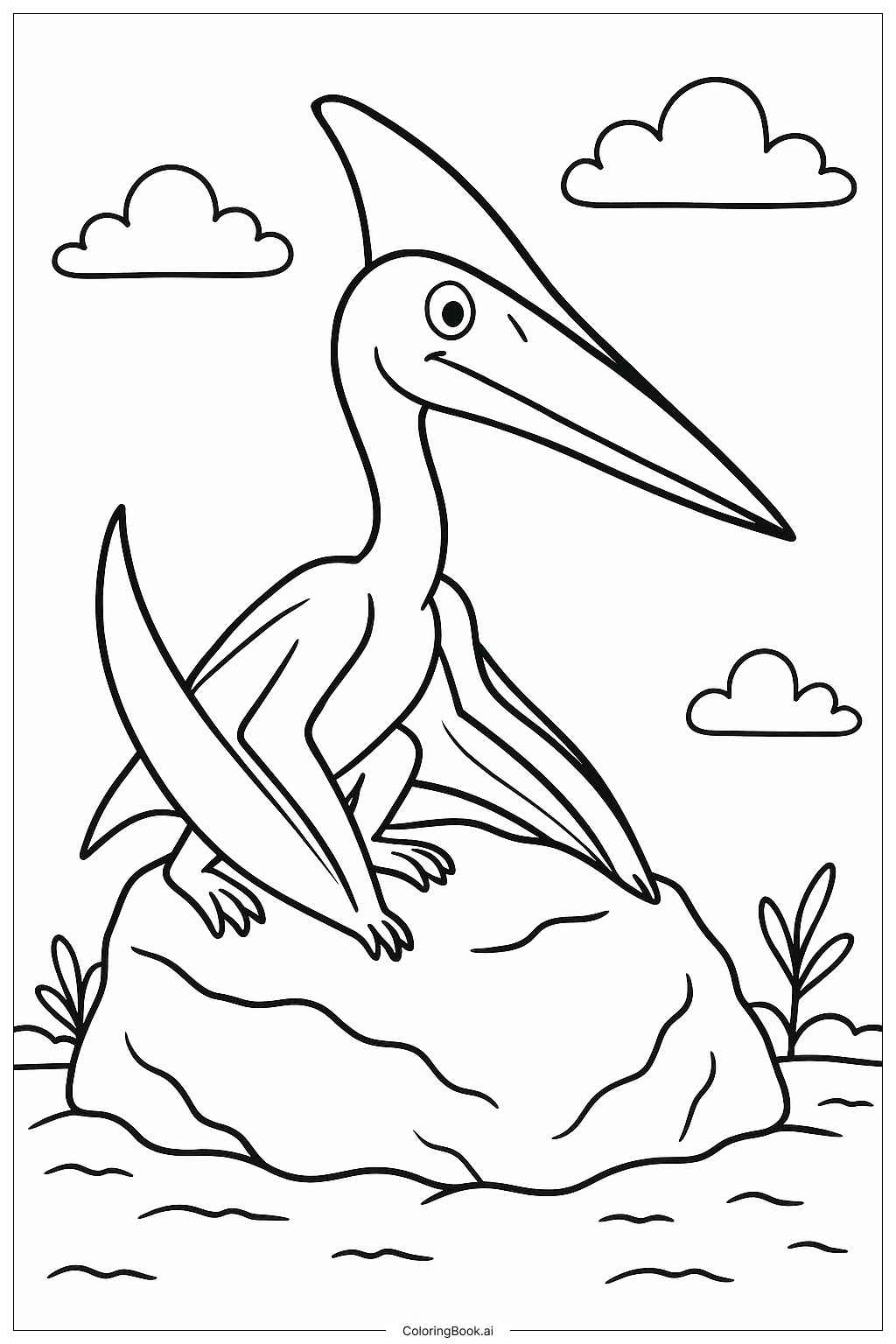
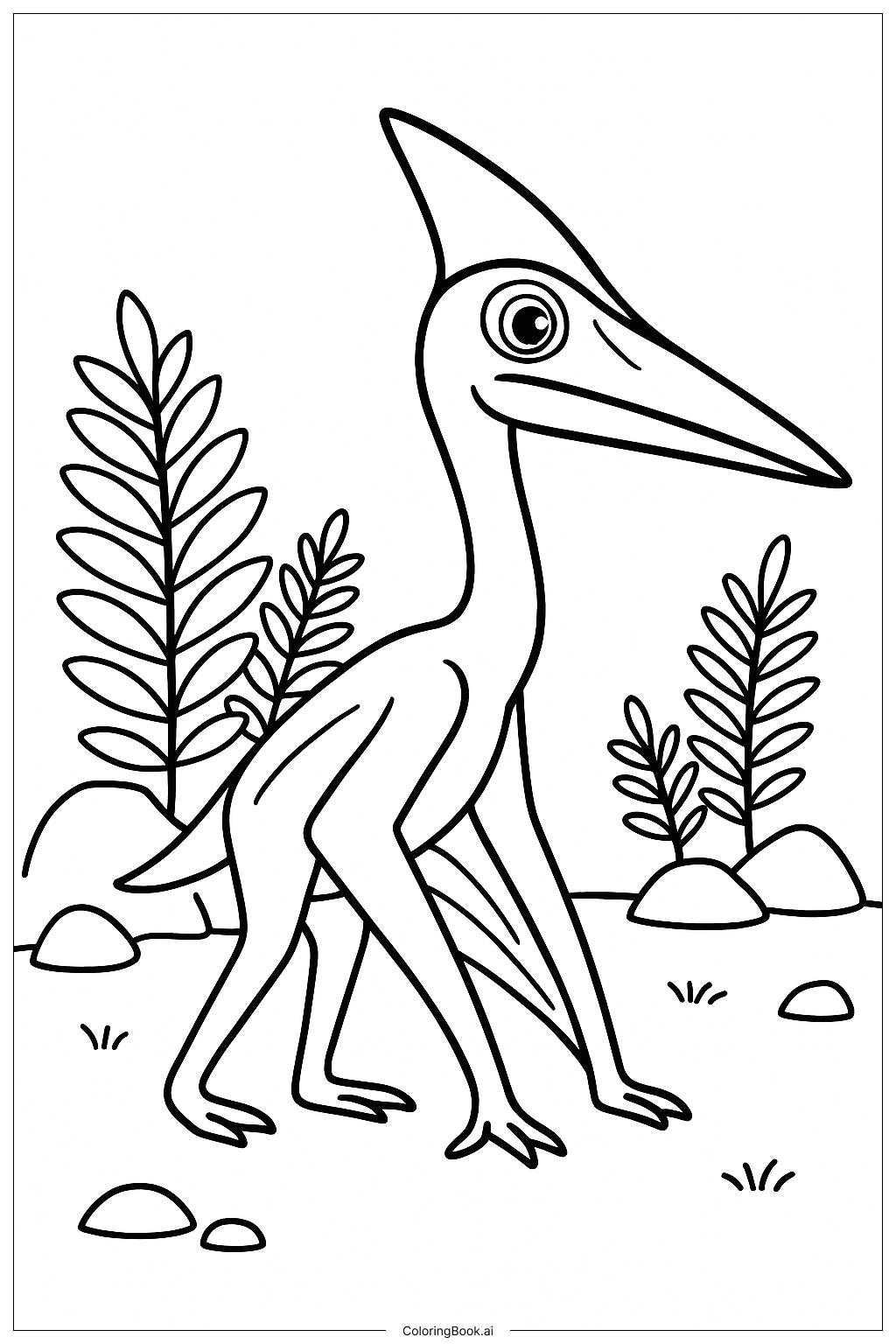
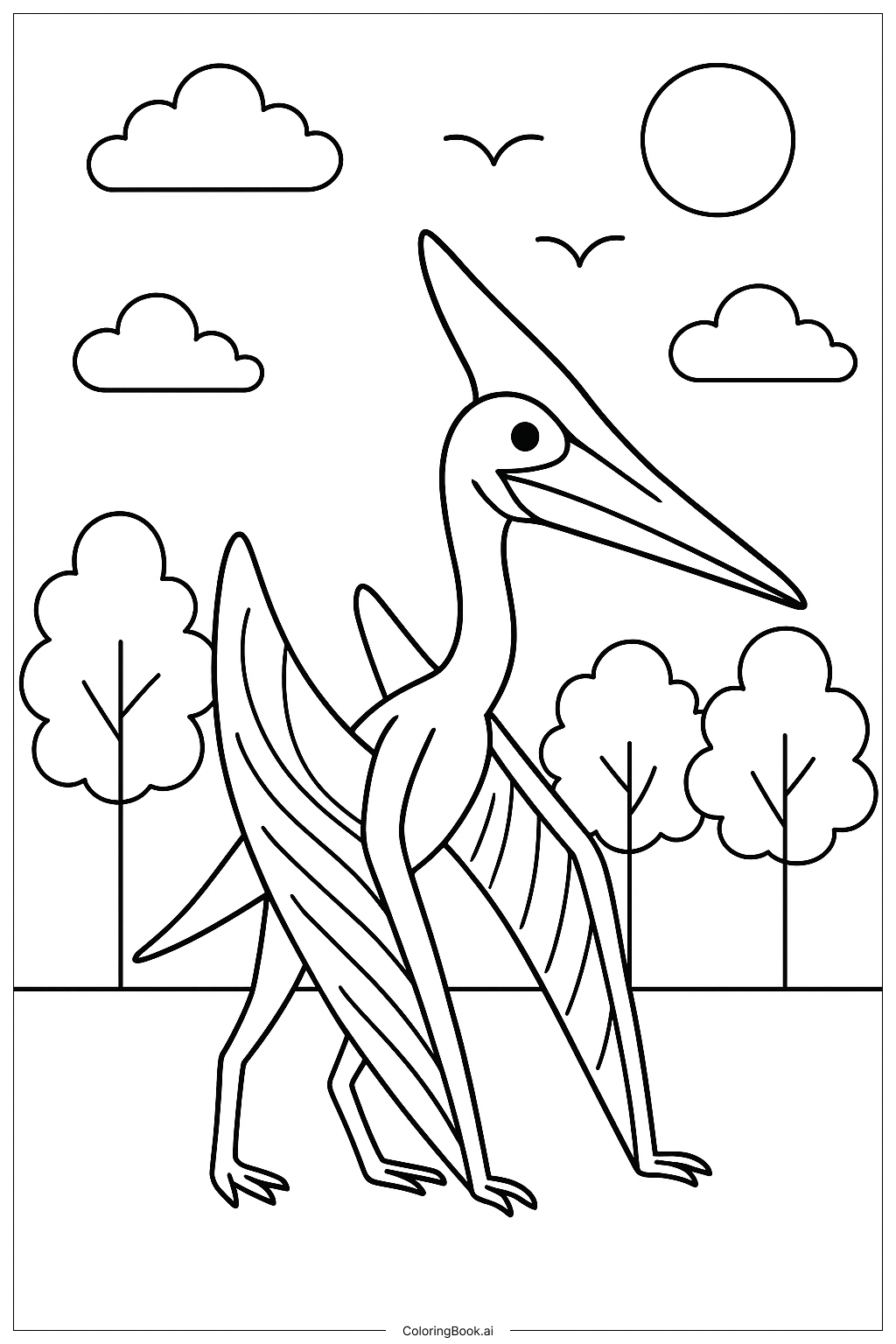
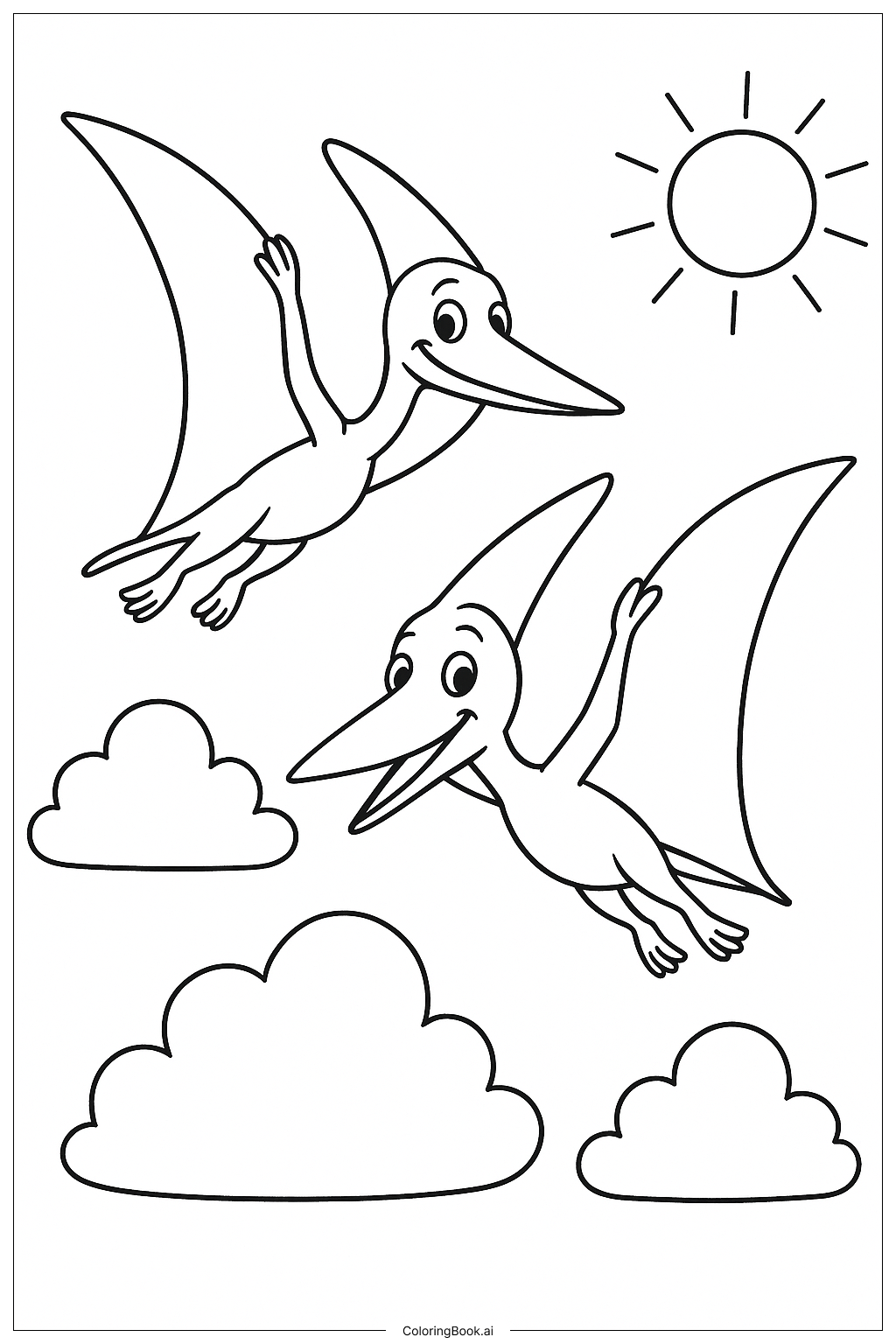
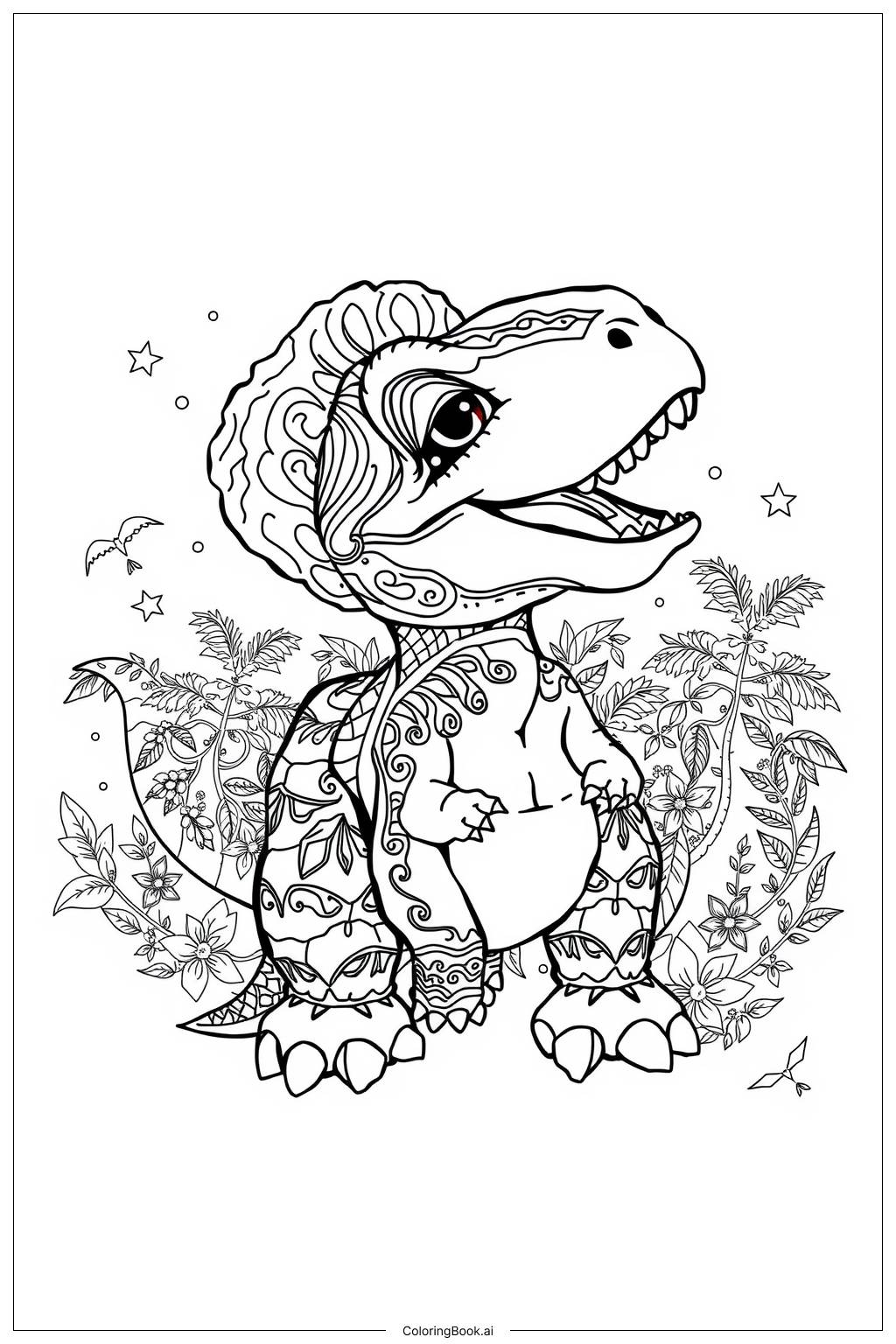
Start with the baby dinosaur's body. You can choose a classic green, but feel free to get creative with teal, purple, or even orange. Use a lighter shade for the belly area to give it a soft, rounded look. Color the spikes along the back a slightly darker or contrasting shade, like dark green or brown, to make them stand out. Use bright, cheerful colors for the eyes — golden yellow or sky blue work great. For the background, try soft greens for leaves and light tan or gray for rocks. Add a bright flower in red, yellow, or pink to bring extra life to the scene. Keep the overall palette warm and playful. Colored pencils work well for blending the body tones, while markers can make the outlines and smaller details pop. Most importantly, have fun and make this little dinosaur your own.
Coloring challenges: Which parts are difficult to color and need attention for Baby Dinosaur Smile coloring page?
• Body Shading and Depth: The baby dinosaur's chubby, rounded body can be tricky to shade. To make it look three-dimensional, you need to apply a lighter color in the center and gradually darken the edges. Without this technique, the body can look flat and less lifelike. Take your time blending colors smoothly, especially if using colored pencils.
• Small Spikes Along the Back: The tiny spikes running down the dinosaur's spine are narrow and close together. Coloring them neatly without going outside the lines takes patience and a sharp, fine-tipped tool. Each spike may need a slightly different shade to separate it visually from the ones next to it.
• Expressive Eyes: The large eyes are a key part of this image's charm. Getting the eyes right — including highlights, pupils, and surrounding color — requires careful attention. Leaving a small white space for the highlight and layering colors around the pupil can make the eyes look bright and alive.
• Background Detail Balance: The leaves, rocks, and any small flowers in the background need to be colored in a way that supports the dinosaur without stealing attention from it. Using softer, muted tones for the background helps keep the focus on the main character. Choosing the right contrast between foreground and background can be challenging for younger colorists.
• Consistent Color Harmony: Choosing colors that look good together across the whole page can be difficult. If one area uses very bright colors and another uses very dull tones, the page can feel unbalanced. Planning a color palette before starting helps keep everything looking cohesive and pleasing to the eye.
Benefits of coloring books: Advantages of drawing Baby Dinosaur Smile coloring page
Coloring this smiling baby dinosaur offers wonderful benefits for kids and young artists alike. First, it helps build fine motor skills. Staying within the lines and handling coloring tools strengthens hand and finger muscles, which supports better writing and drawing over time. Second, it encourages creativity. Choosing colors freely — even if that means a purple dinosaur with pink spikes — lets children express themselves and build confidence in their own ideas. Third, it supports focus and patience. A detailed image like this one requires sustained attention, which helps children practice concentration in a relaxed and enjoyable way. Fourth, it can spark an interest in dinosaurs and nature. A friendly, cute character like this one is a great starting point for learning more about prehistoric life. Finally, coloring is calming. It gives kids a quiet, screen-free activity that reduces stress and promotes a sense of accomplishment when the page is complete. This page is perfect for both Boys and Girls of all skill levels.