Coloring tips: How to color Baby Dinosaur Smile coloring page well?
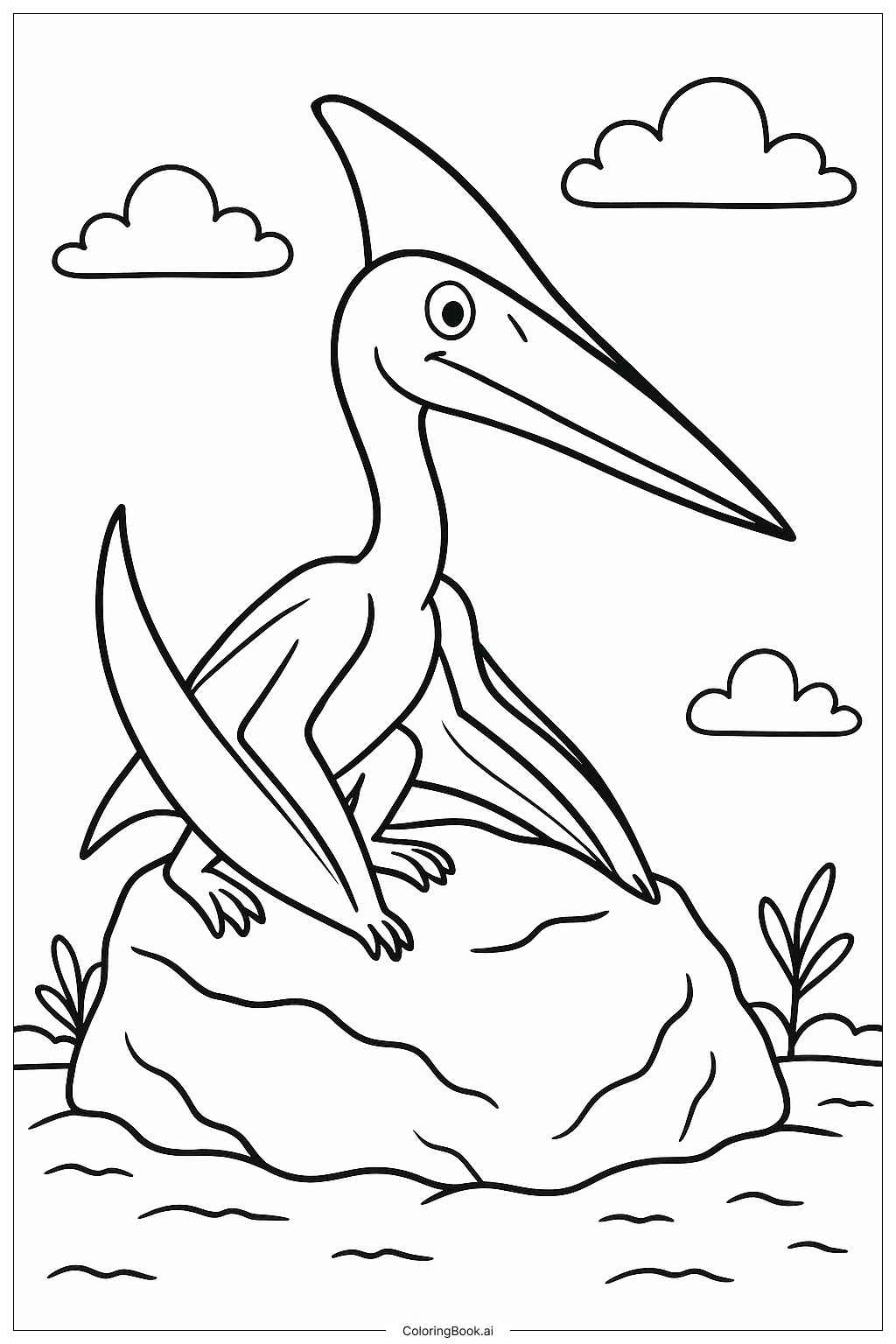
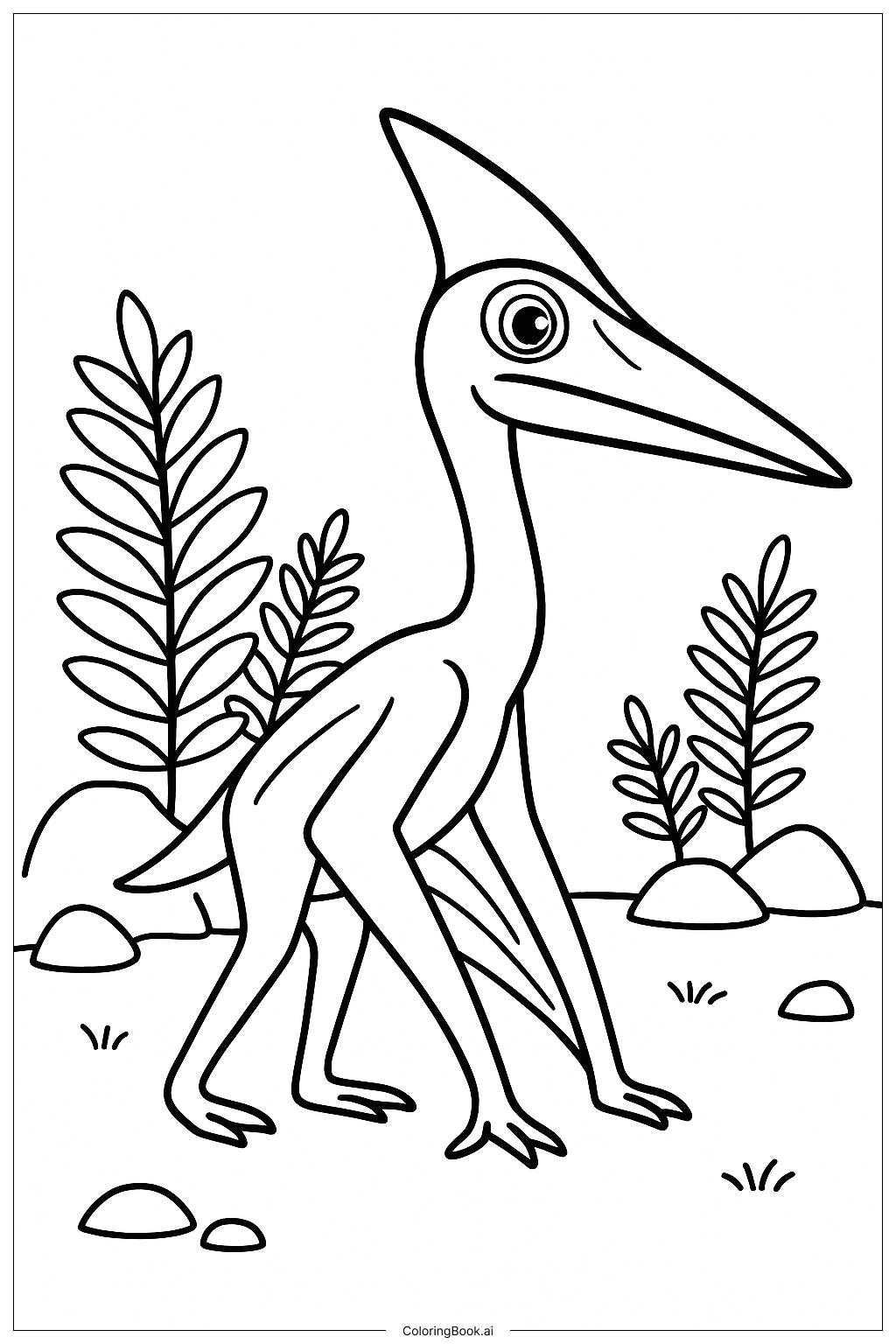
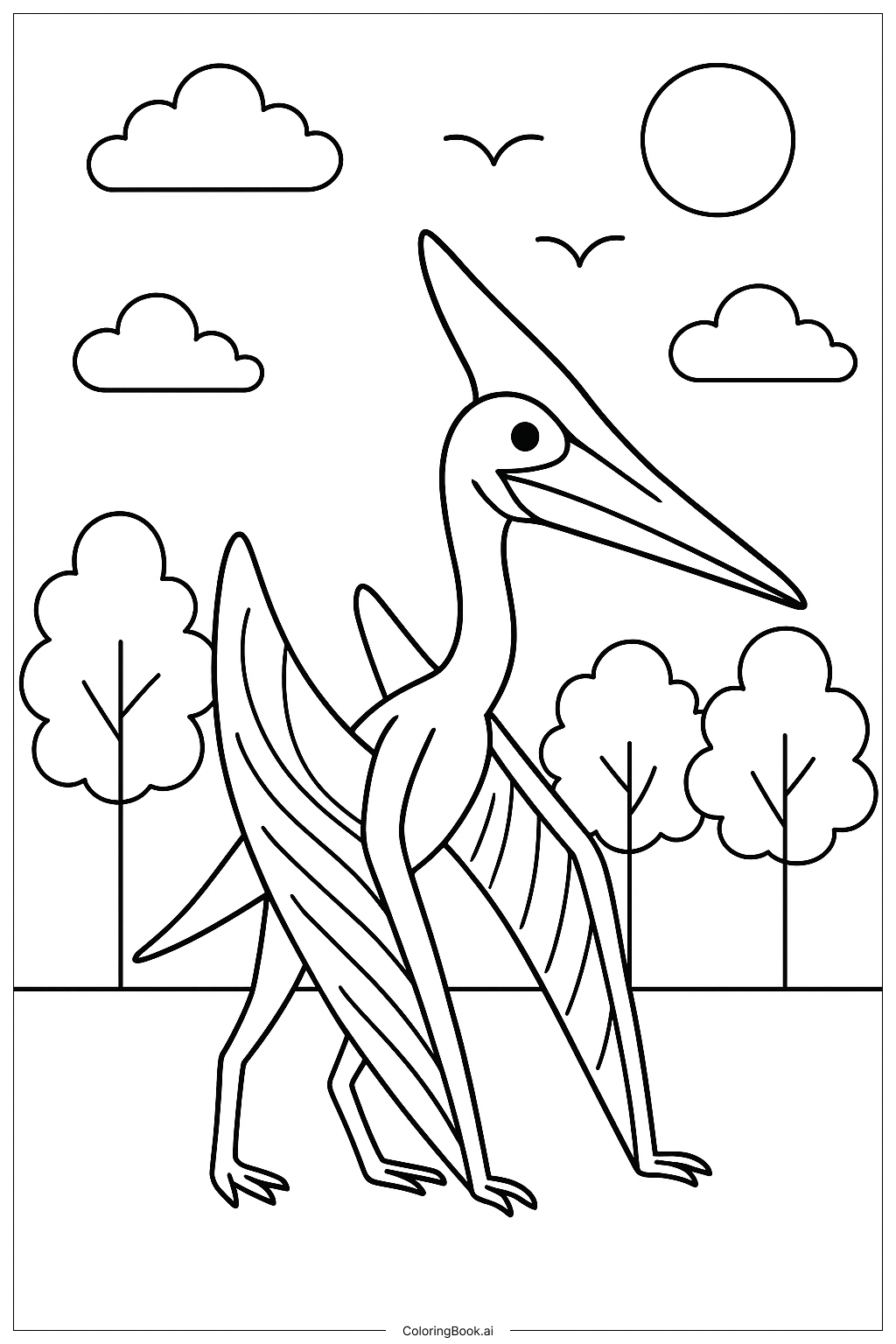
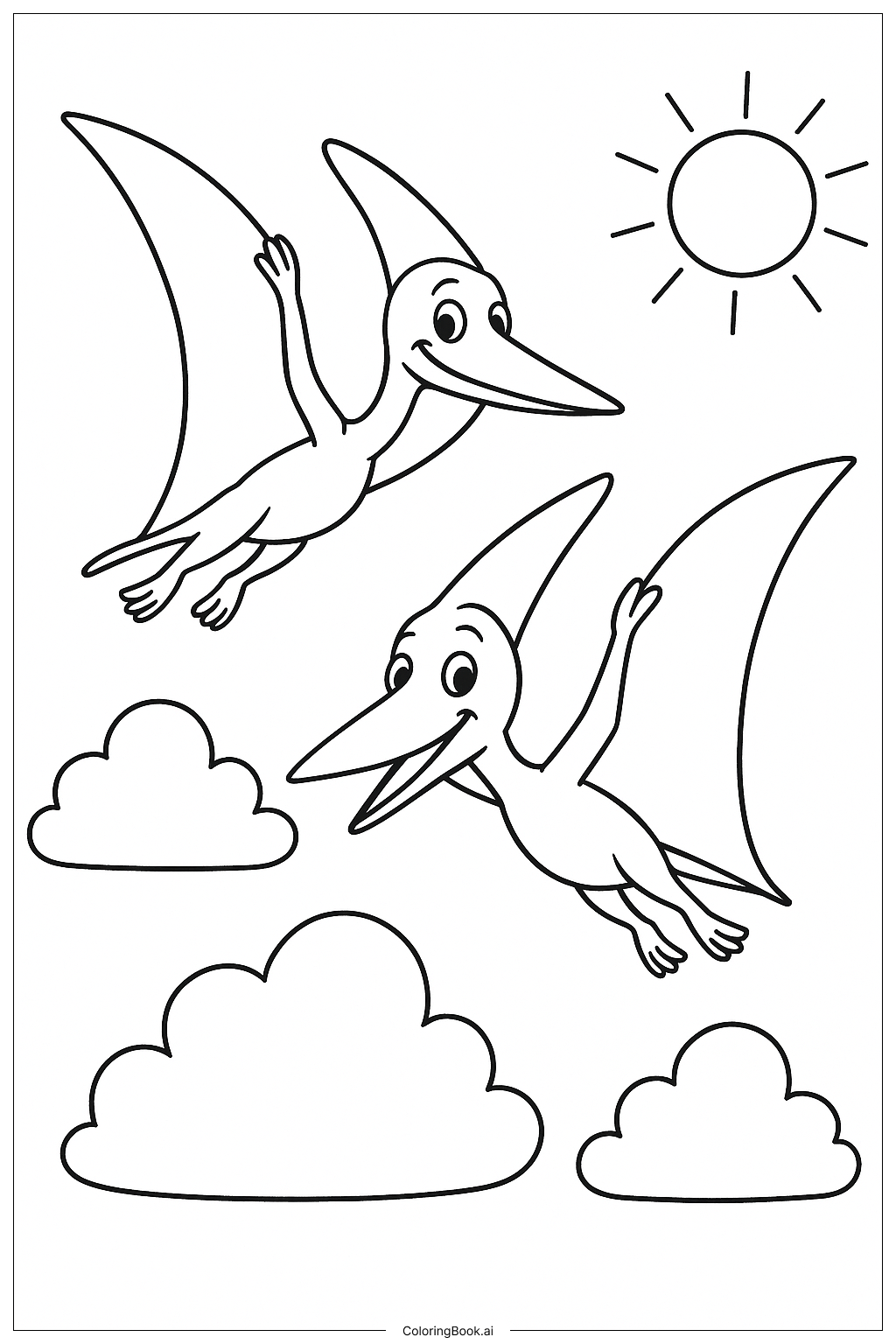
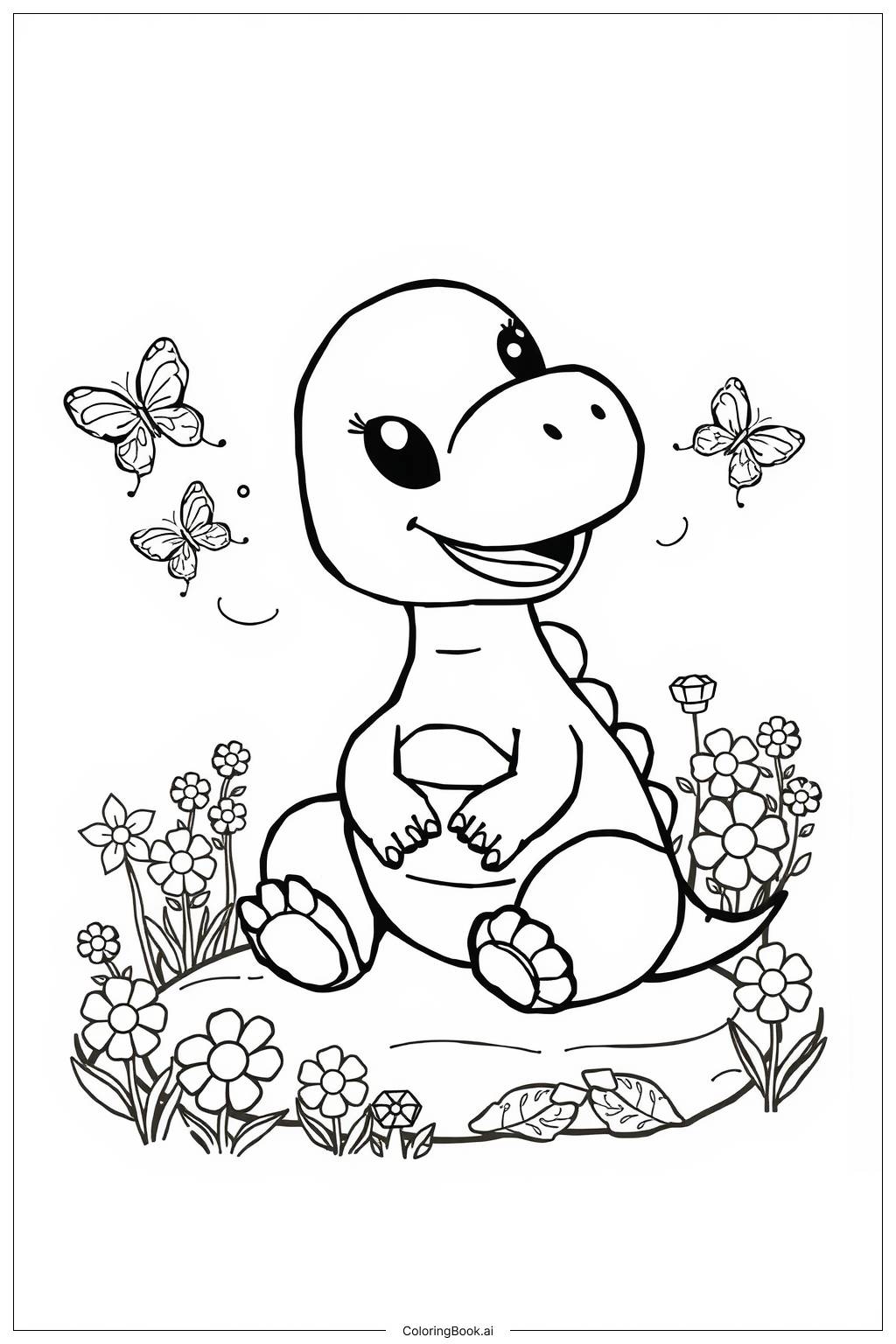
Start with the baby dinosaur's body by choosing a fun, bright color. Green is a classic dinosaur color, but don't be afraid to try purple, blue, or even orange to make your dinosaur extra special. Use a lighter shade of the same color for the belly area to give it a soft, rounded look. Color the spikes along the back in a contrasting color like yellow or red to make them pop. Give the eyes a dark outline and add a tiny white dot to make them look shiny and alive. Use warm colors like yellow or orange for the sun, and light blue for the sky. The plants or leaves can be colored in different shades of green. If there are clouds, leave them white or add a soft light blue. Take your time with small areas like the claws and teeth. Use gentle strokes and stay inside the lines as much as you can. Most importantly, have fun and make your dinosaur as colorful and unique as you like!
Coloring challenges: Which parts are difficult to color and need attention for Baby Dinosaur Smile coloring page?
• Body Shading and Depth: The baby dinosaur's round, chubby body can be tricky to shade. To make it look three-dimensional, you need to apply a lighter color in the center of each body section and a slightly darker shade near the edges. Without shading, the figure may look flat and less lifelike. Young colorists may find blending two shades of the same color challenging, especially with crayons or colored pencils.
• Small Spikes and Details Along the Back: The row of spikes running down the dinosaur's back are small and closely spaced. Staying inside each tiny spike without going over the outlines requires steady hands and a sharp pencil or fine-tipped marker. Rushing through these areas can result in messy, overlapping colors that muddy the overall look of the image.
• Expressive Eyes and Face: The large, round eyes and smiling mouth are the most important part of the baby dinosaur's charm. Coloring the eyes neatly, adding a pupil, and leaving a highlight spot white takes careful attention. Getting the face wrong can change the whole mood of the picture, so this area deserves extra patience and a light hand.
• Background Elements: Simple background elements like clouds, a sun, or leaves may seem easy, but choosing colors that complement the dinosaur without competing with it is a real challenge. Too many bright colors in the background can make the dinosaur hard to see. Keeping background colors softer and lighter helps the main character stand out.
• Clean Line Work: Because the outlines are bold and clear, any color that goes outside the lines is very noticeable. Maintaining clean, precise coloring throughout the entire page, especially in curved areas like the legs and tail, requires focus and control.
Benefits of coloring books: Advantages of drawing Baby Dinosaur Smile coloring page
Coloring this Baby Dinosaur Smile page offers many wonderful benefits for children and young artists. First, it helps improve fine motor skills. Carefully staying inside the lines and filling in small details like spikes and eyes trains hand muscles and builds better pencil control, which is great for writing and drawing skills too. Second, it encourages creativity. Children get to choose their own color combinations, making each finished picture totally unique and personal. This freedom boosts confidence and self-expression in a healthy, fun way. Third, coloring is a calming activity. Focusing on a friendly, smiling dinosaur helps children slow down, breathe, and concentrate, which can reduce stress and anxiety. It acts as a gentle form of mindfulness for young minds. Fourth, this page sparks curiosity about dinosaurs. The cute design can inspire children to learn more about prehistoric animals, opening the door to books, museums, and science exploration. Fifth, completing the coloring page gives children a real sense of accomplishment. Finishing a piece of art, no matter how simple, builds patience and perseverance. Overall, this cheerful dinosaur page is a fantastic tool for learning, relaxation, and creative growth.